副棘鲷 · Eyespot Gourami
概要
| 字段 | 值 |
|---|---|
| 类别 | 鱼 |
| 学名 | Parasphaerichthys ocellatus |
| 别名 | 副棘鯛 |
| 分类 | 攀鲈目 Anabantiformes › 丝足鲈科 Osphronemidae › Parasphaerichthys |
| 水体 | 淡水 |
| 原产地 | 缅甸 |
| 成体体长 | 3.2 cm |
| 饲养难度 | 中等 |
| 最小水体 | 41 L |
| 最小缸长 | 45 cm |
| 群居方式 | 群游 |
| 水流偏好 | 低 |
| 外部数据 | seriouslyfish parasphaerichthys-ocellatus;fishbase 12077 |
| 食性 | 肉食 |
| 繁殖方式 | 吐泡筑巢 |
水质参数
| 参数 | 耐受范围 | 最适范围 | 单位 |
|---|---|---|---|
| 水温 | 15–25 | — | °C |
| pH | 6.5–7.5 | — | — |
| 总硬度 | 5–10 | — | dGH |
概述
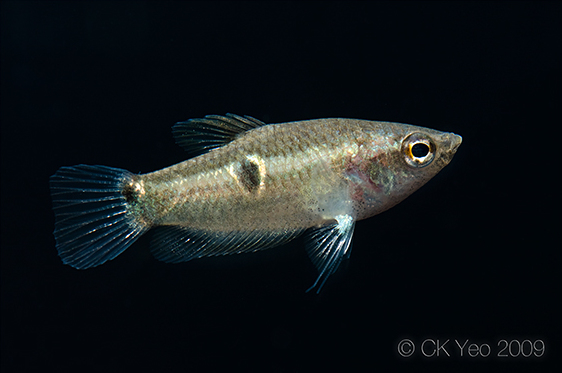
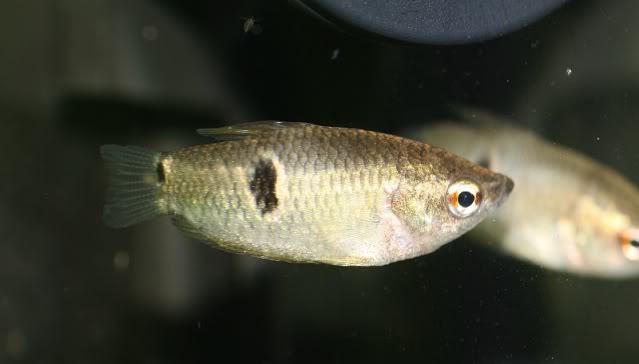
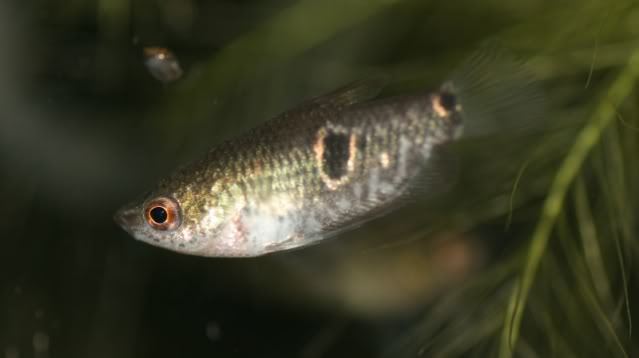
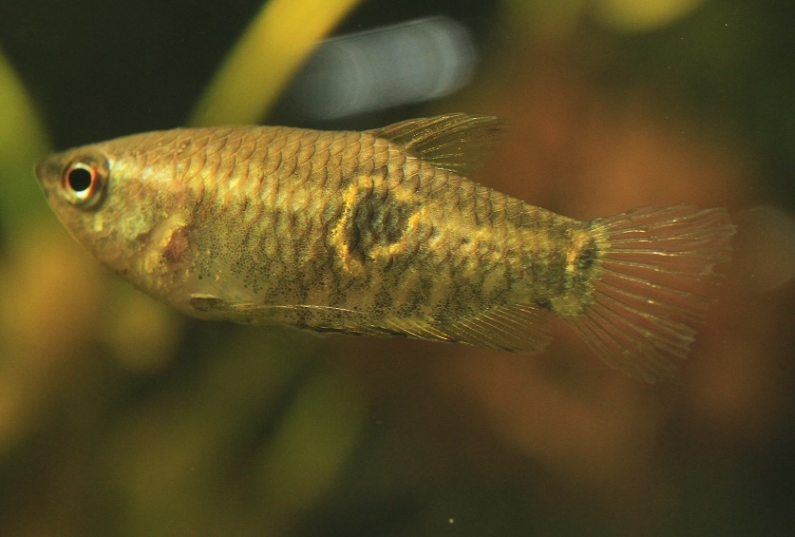
副棘鲷(Parasphaerichthys ocellatus)体侧有显著眼状斑,标准体长约 3.2 厘米,行动缓慢而羞怯。虽然常以迷你巧克力鱼一类商品名称出现,它的清水环境和季节性温度需求不宜套用典型黑水巧克力鱼。
分布与栖息地
主要记录来自缅甸北部伊洛瓦底江上游,包括密支那附近与茵多吉湖区域;曼德勒市场曾出现一尾个体,但不能由市场地点确定实际采集分布。模式标本采自泥质小溪,完整分布范围仍有不确定性。
饲养环境
群养可参考至少 45 × 30 厘米底面积,软底或细砾石配密植、沉木、浮水植物及小管等躲藏处。水流轻缓,木叶虽可用,却不应把水染成浓茶色。可适应约 15~25 °C 的季节变化,不能把短时耐受极端当日常目标。
食性与喂食
主要捕食微小甲壳类、蠕虫和昆虫幼虫等动物。初入缸可能拒绝干粮,应每日提供合口的小型活冷冻饵,之后才观察是否接受配合饲料。
习性与混养
虽不形成紧密鱼群,同种互动仍重要,建议不少于六尾。大型或争食强的伙伴容易令它退缩和挨饿;混养仅选很小、温和且不抢食的鱼。
雌雄区分
成熟雌鱼明显更大,抱卵时腹部更丰厚。
繁殖
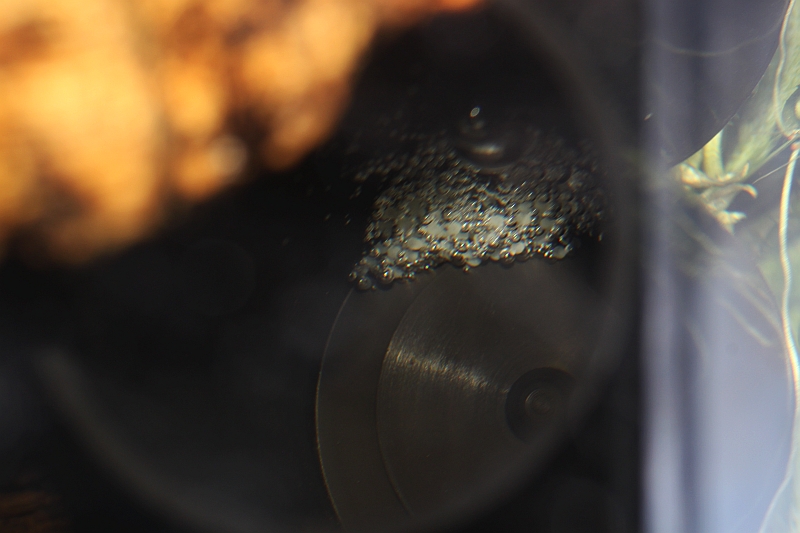
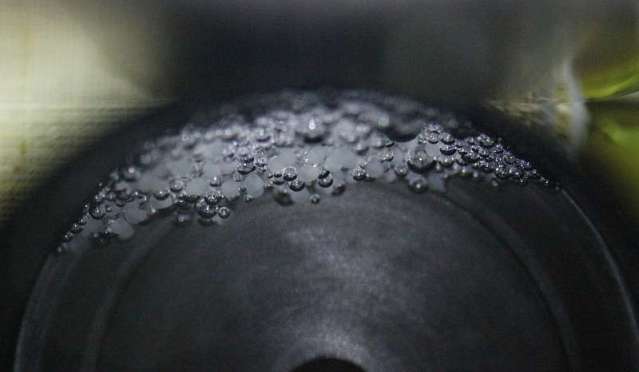
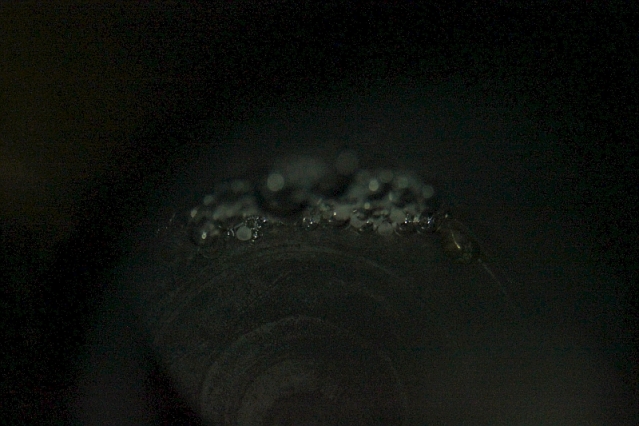
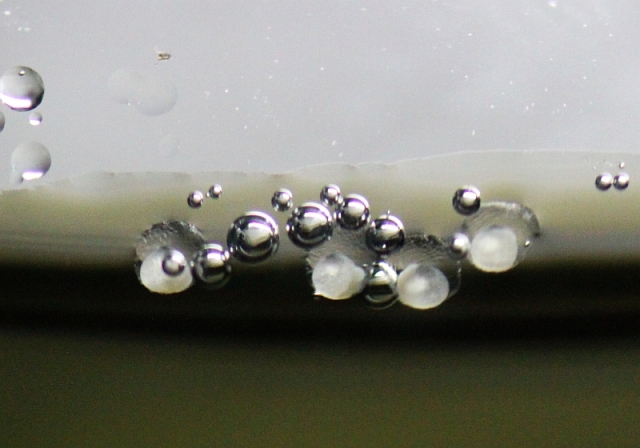
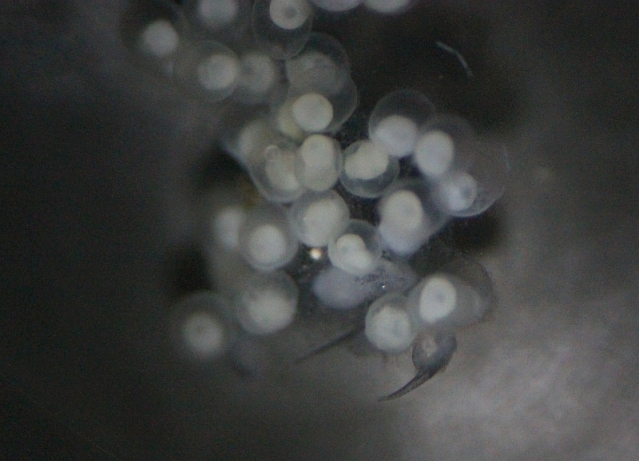
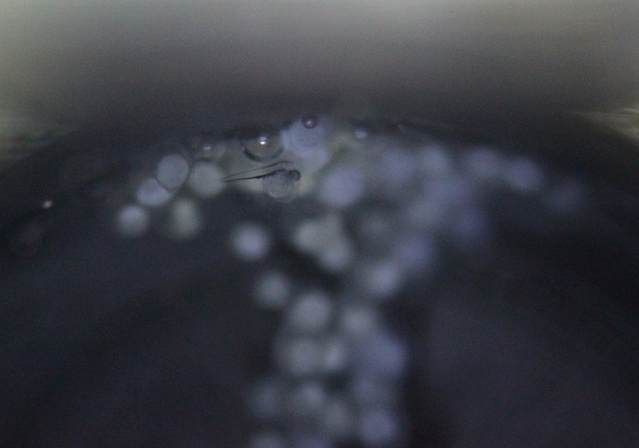
有一对在浮软木和胶卷盒遮蔽的小缸中产卵的观察:卵置于盒内泡巢,雄鱼近距离守巢,雌鱼巡护外围。孵化约三至五天,连续几天发现新增卵,可能重复产卵。仔鱼曾开始摄食草履虫,但未养过最初阶段,因此不能把该案例说成完成全程育成。
补充说明
与同属另一小型种相比,本种较大,有体侧眼斑而没有连续侧中线暗纹。虽有迷鳃器官,上浮吞气的频率可较低。
图片
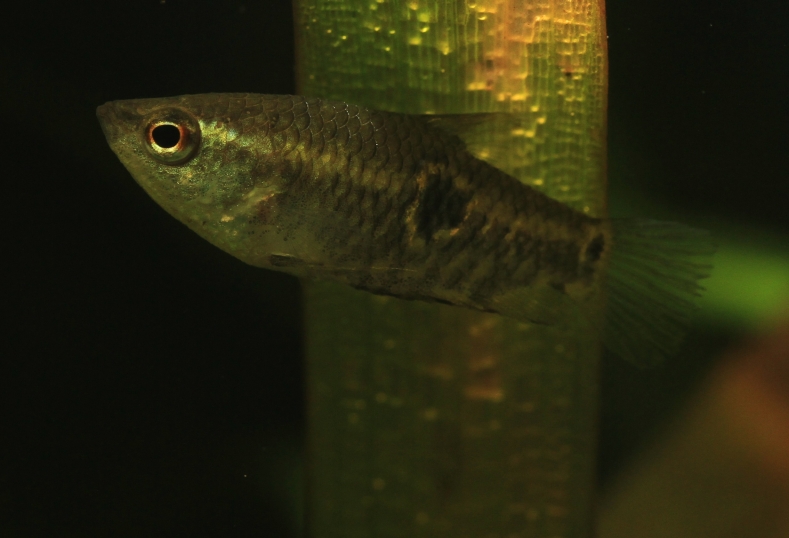
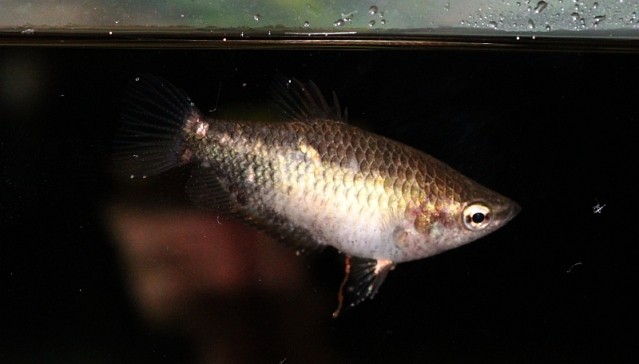
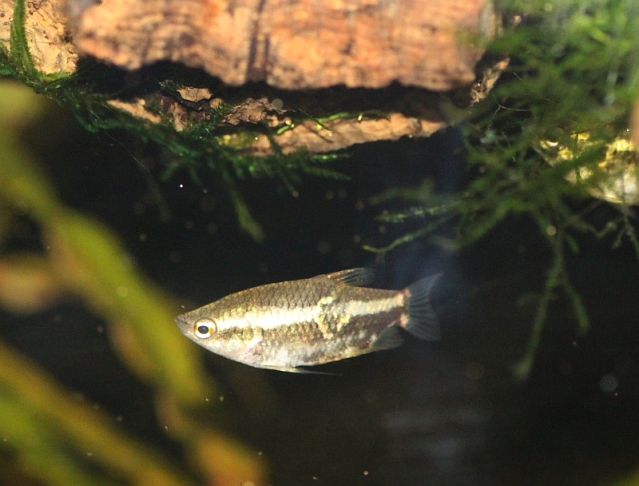
图片来自 SeriouslyFish,版权归各摄影者所有。
English
Overview
The flank eyespot of Parasphaerichthys ocellatus helps identify this retiring, slow-moving gourami, which reaches about 3.2 cm standard length. Trade names suggesting a miniature chocolate gourami can mislead: its clear-water habitat and seasonal temperature regime deserve separate attention.
Distribution & habitat
Most records concern the upper Ayeyarwady drainage around Myitkyina and Lake Indawgyi in northern Myanmar. A specimen bought in Mandalay suggests a potentially wider range, but a market location does not establish its collection site. The type material came from small muddy streams.
Aquarium setup
Use at least a 45 by 30 cm footprint for a group, with a soft or fine-gravel substrate, dense planting, floating shade, and small retreats. Keep flow gentle. Leaves and wood can add complexity, but avoid strongly tannin-stained water. Seasonal conditions around 15–25 °C are suitable; brief tolerance of more extreme temperatures is not a routine target.
Diet & feeding
This micropredator consumes small crustaceans, worms, insect larvae, and other zooplankton. Newly acquired fish may reject prepared food, so offer appropriately small live or frozen meals daily while assessing any gradual acceptance of dried foods.
Behaviour & compatibility
It is not a tight-schooling fish, yet interaction with its own kind is valuable; at least six are recommended. Larger or forceful feeders can intimidate it or take its meals. Choose only very small, peaceful companions if a community is attempted.
Sexual dimorphism
Adult females are noticeably larger and become fuller-bodied when carrying eggs.
Breeding
One observed pair spawned in a bubble nest inside a film container beneath extensive floating cover. The male guarded closely while the female patrolled around it. Incubation took three to five days; newly observed eggs on successive days suggest repeated spawning. Some larvae began taking Paramecium, but none were reared beyond the early stage, so the account does not establish a complete captive generation.
Notes
Its larger size, flank ocellus, and absence of a dark midlateral stripe separate it from its close congener. Air gulps can be infrequent despite possession of a labyrinth organ.
来源
ID:parasphaerichthys-ocellatus · 文件: data/species/parasphaerichthys-ocellatus.md · 状态: 草稿