Parasphaerichthys lineatus
概要
| 字段 | 值 |
|---|---|
| 类别 | 鱼 |
| 学名 | Parasphaerichthys lineatus |
| 分类 | 攀鲈目 Anabantiformes › 丝足鲈科 Osphronemidae › Parasphaerichthys |
| 水体 | 淡水 |
| 原产地 | 缅甸 |
| 成体体长 | 1.9 cm |
| 饲养难度 | 入门 |
| 最小水体 | 16 L |
| 最小缸长 | 40 cm |
| 群居方式 | 群游 |
| 水流偏好 | 低 |
| 外部数据 | seriouslyfish parasphaerichthys-lineatus;fishbase 60387 |
| 食性 | 肉食 |
| 繁殖方式 | 产卵 |
| 领地性 | 是 |
水质参数
| 参数 | 耐受范围 | 最适范围 | 单位 |
|---|---|---|---|
| 水温 | 22–27 | — | °C |
| pH | 6.5–8 | — | — |
| 总硬度 | 2–12 | — | dGH |
概述
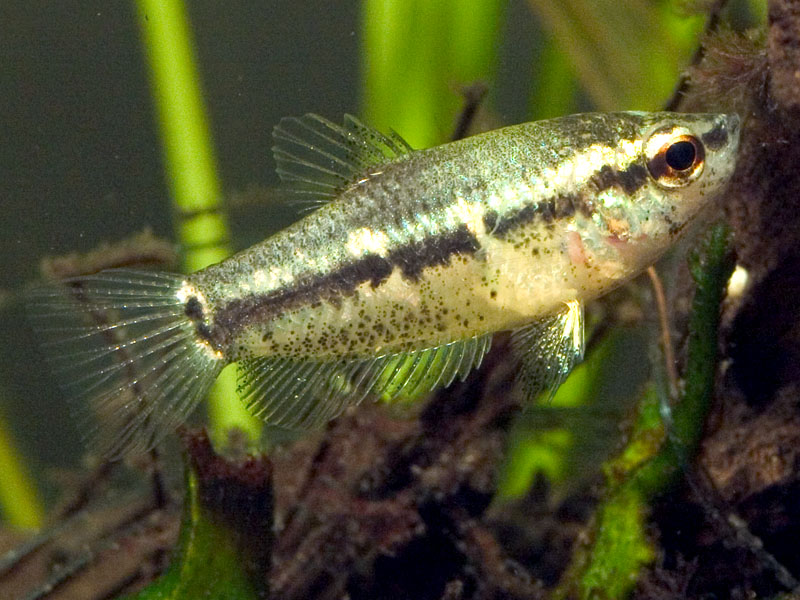
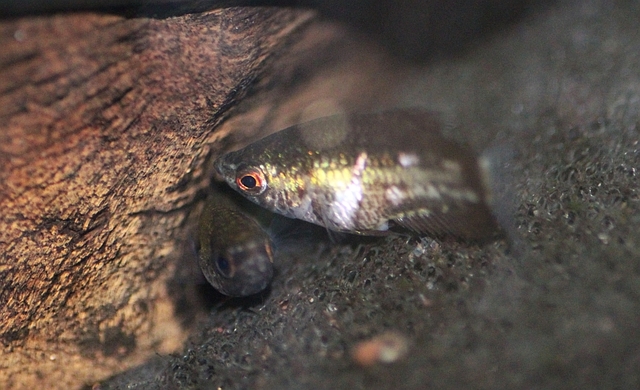
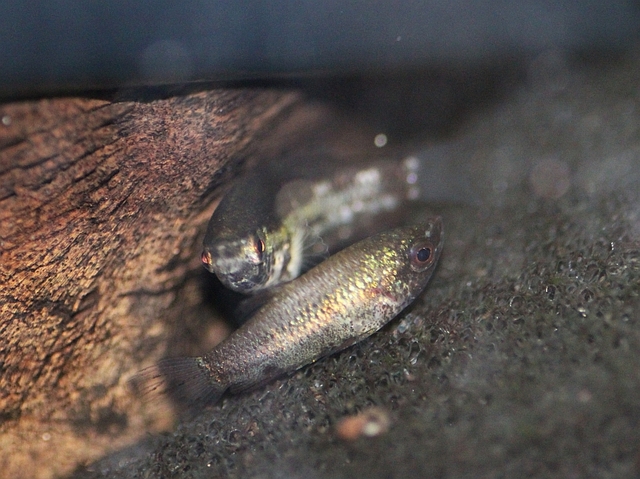
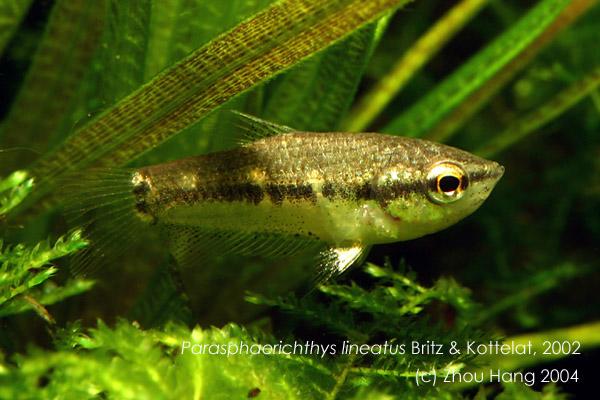
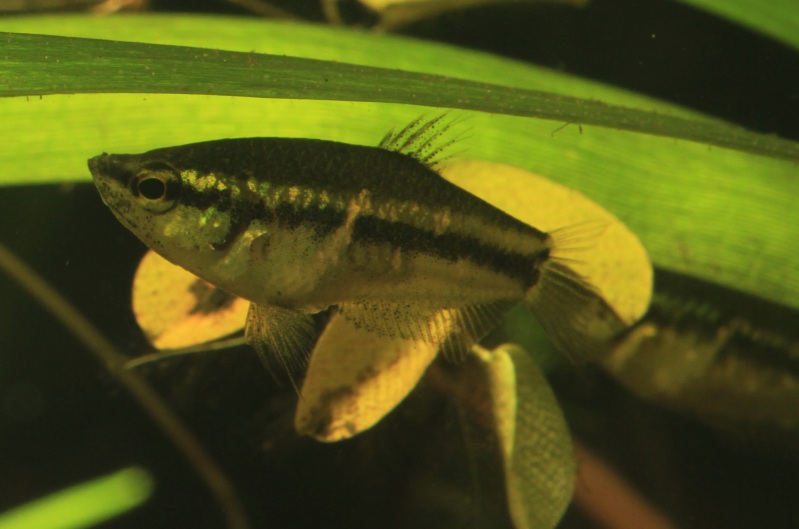
Parasphaerichthys lineatus 是体型极小的迷鳃鱼,体侧有深色横向长条纹,而没有同属近亲的眼状斑。它游动缓慢、容易受压,虽然不形成紧密鱼群,却需要与同种互动;它的繁殖方式比普通泡巢鱼更灵活。
分布与栖息地
明确模式产地为缅甸伊洛瓦底江三角洲北部、Einme 附近的 Hmoain 水池,更广的三角洲分布仍未完全厘清。当地记录为清水、泥底与茂密水生植物,不能因为“巧克力”商品名而假定它需要浓黑水。
饲养环境
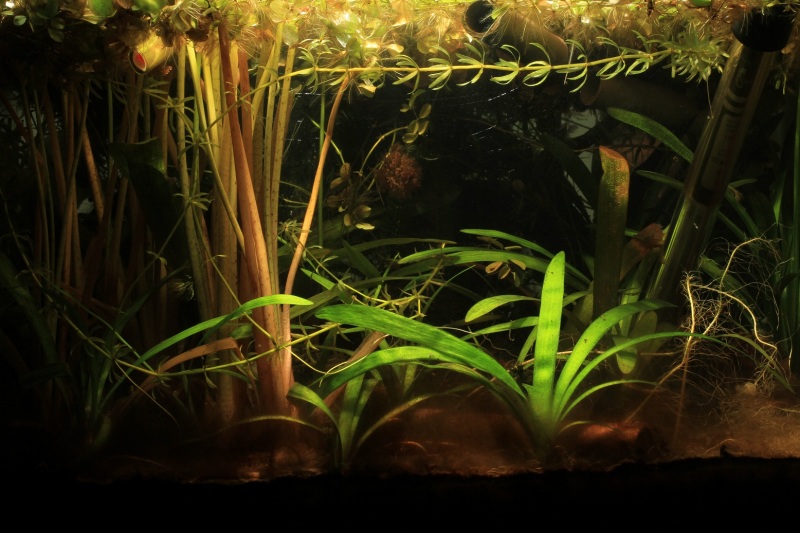
一小群至少约 40 × 20 cm 底面积,密植并用软底床,细砾也可接受。沉木根枝、浮水植物和少量叶片可形成复杂遮蔽,合适口径的短管也能提供藏身处。水流宜弱;使用木材和叶片时,避免把水染成浓茶色。
还应提供持续数月的相对凉爽季节,不能全年一直维持偏高温度,否则可能降低繁殖能力并缩短寿命。季节变化须平稳,不能以一次骤降代替长期凉爽阶段。
食性与喂食
本种主要捕食小型水生甲壳动物、蠕虫、昆虫幼虫及其他浮游动物。刚入缸可能拒绝干粮,部分个体会逐渐接受;每天仍宜提供丰年虾无节幼体、水蚤、微虫等适口活饵或冻饵。
习性与混养
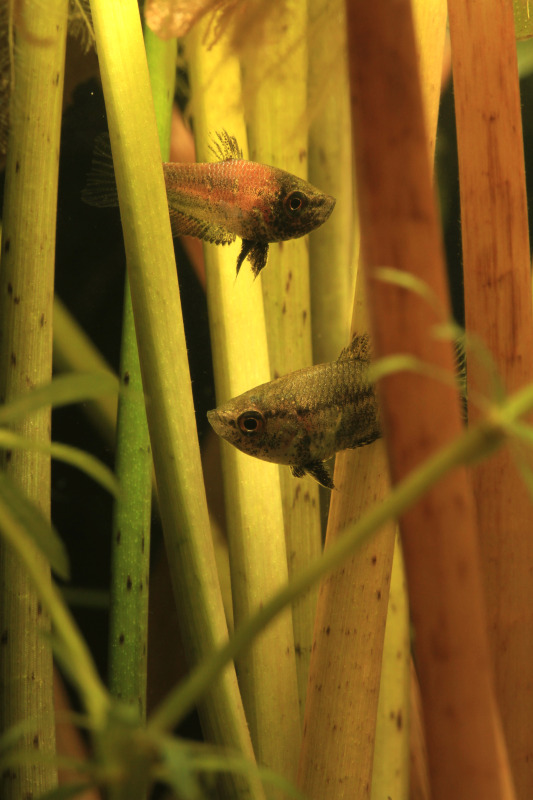
较大或活跃的伙伴容易让它躲藏并失去进食机会。单种饲养有利于繁殖;若混养,选同样细小、平和的鱼。至少六条可提供有价值的同种互动,但它们并非真正紧密群游。
雌雄区分
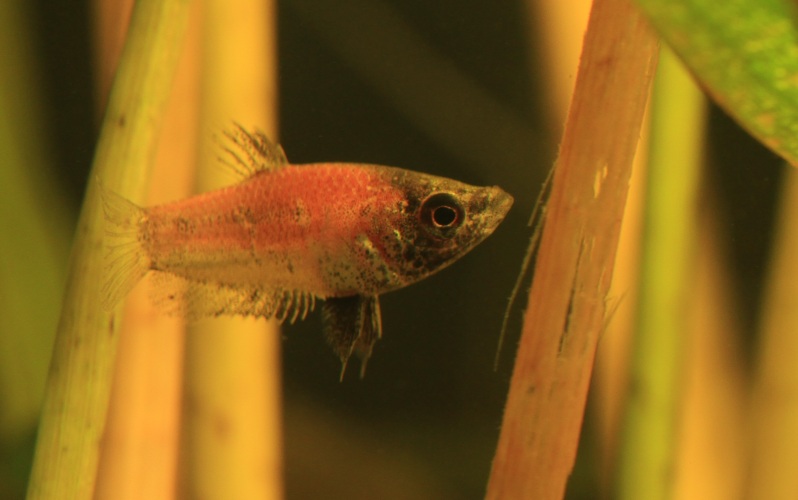
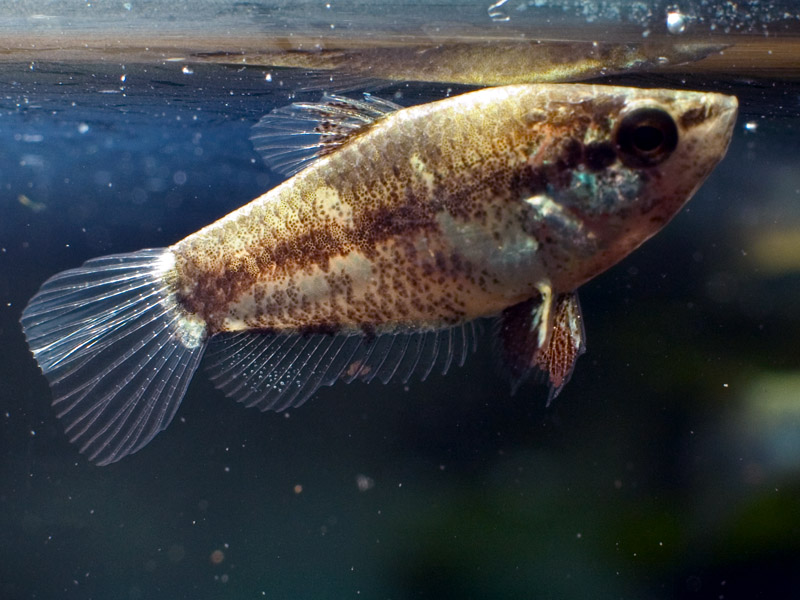
成熟雌鱼明显较大,抱卵时身体更厚。雄鱼求偶时会短暂变成黑头、亮橙色身体,并发出可听到的鸣声。
繁殖
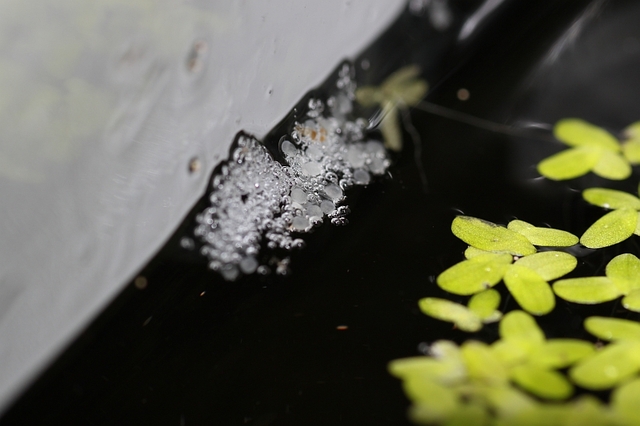
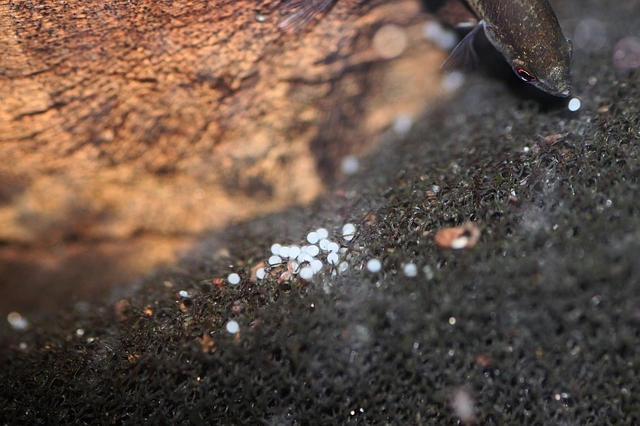
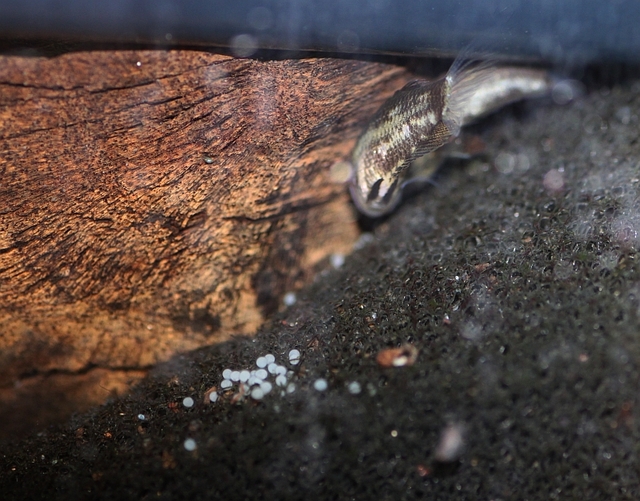
配对时会守卫一小片空间,产卵常在接近底部或管道等遮蔽内完成。拥抱排卵和分批产卵、雄鱼逐批受精两种观察都有。随后卵可能移入水面或水下泡巢,也可能放在底部小凹坑、海绵滤材孔隙中,后两者可不用气泡固定。
育卵可能由双亲共同承担,也可能只有雄鱼;卵可留原位或多次转移。约 3–5 天孵化,产卵后约 7–10 天自由游动,亲鱼此时结束照顾。
仔鱼极小,开口需草履虫或轮虫等微小食物,再随成长加入微虫、丰年虾无节幼体。可在孵化前分离卵育成,成熟密植缸内也可能自然留下少量幼鱼。不同环境下行为有变化,不宜把一种巢位视为唯一成功方式。
补充说明
它有迷鳃,但比许多常见迷鳃鱼更少到水面吞气。与 Parasphaerichthys ocellatus 相比,本种体型更小、无体侧眼斑而有长条纹;“迷你巧克力”或“缅甸巧克力”等商品名不能取代这些特征。
图片
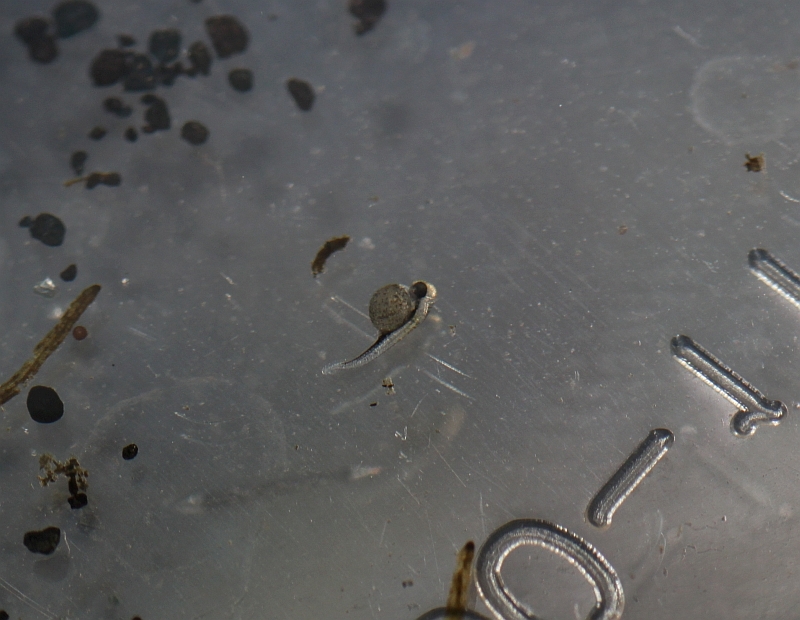
图片来自 SeriouslyFish,版权归各摄影者所有。
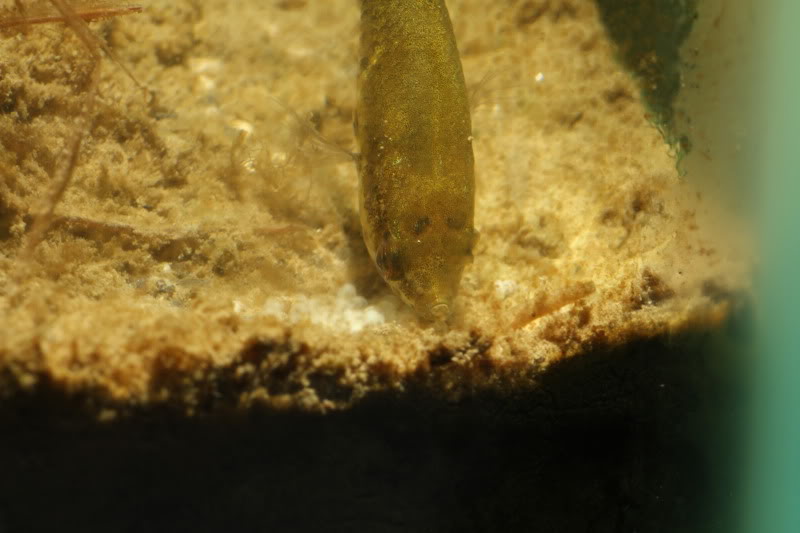
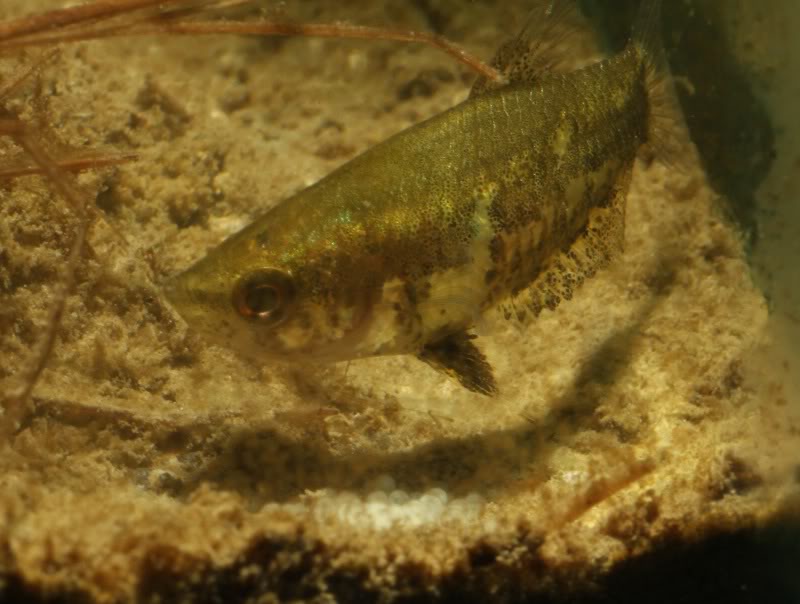
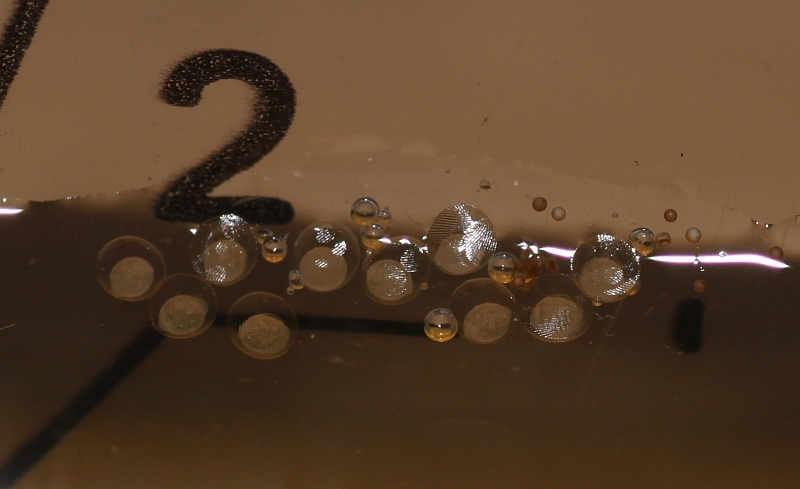
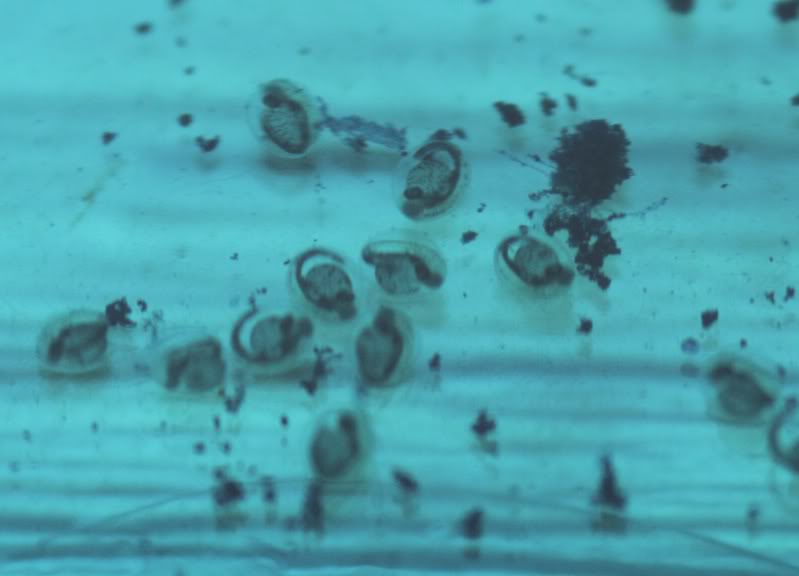
English
Overview
Parasphaerichthys lineatus is a minute labyrinth fish with a dark lengthwise flank stripe instead of the eye-like spot seen in its relative. Slow movement and a retiring disposition make it vulnerable to competition. It benefits from conspecific interaction without forming a tight school, and its breeding behavior is unusually flexible.
Distribution & habitat
The confirmed type locality is Hmoain pool near Einme in the northern Irrawaddy delta, Myanmar. Its wider delta distribution remains incompletely understood. Clear water, mud, and dense aquatic vegetation characterize the recorded site; a chocolate-gourami sales label does not imply a need for dark black water.
Aquarium setup
A small group needs at least about 40 × 20 cm of floor space. Dense planting and a soft bottom are appropriate, though fine gravel is acceptable. Roots, floating plants, modest leaves, and small pipes provide complexity and refuges. Keep circulation gentle and avoid heavy tannin staining.
Provide a relatively cool seasonal period lasting several months rather than maintaining warm conditions throughout the year, which may reduce breeding success and lifespan. Changes should be gradual; a sudden temperature drop does not substitute for a sustained cooler season.
Diet & feeding
It primarily hunts small aquatic crustaceans, worms, insect larvae, and other zooplankton. New arrivals may refuse prepared foods, although some learn to accept them. Provide daily suitably small live or frozen foods such as brine shrimp nauplii, Daphnia, and microworms.
Behaviour & compatibility
Larger or busier companions can intimidate it and monopolize food. A species aquarium favors reproduction; any companions should be tiny and peaceful. At least six conspecifics provide useful social interaction, despite the absence of true schooling behavior.
Sexual dimorphism
Mature females are noticeably larger and deeper-bodied when carrying eggs. Courting males briefly become black-headed and bright orange, accompanied by audible croaking.
Breeding
A pair defends a small area, usually spawning close to the bottom or inside shelter. Both egg release during an embrace and successive batches fertilized by the male have been observed. Eggs may be moved into floating or submerged bubble nests, shallow bottom depressions, or filter-sponge pores. The latter locations may be used without bubbles.
Care may involve both adults or only the male, and eggs can stay in one place or be moved repeatedly. Hatching takes about three to five days; free swimming follows around seven to ten days after laying, when parental care ceases.
Fry require microscopic foods such as Paramecium or rotifers initially, followed by microworms and brine shrimp nauplii as they grow. Separate egg rearing is possible, while a mature planted aquarium may retain some young naturally. No single nest location describes every successful event.
Notes
The labyrinth organ is present, although surface gulping is less frequent than in many familiar labyrinth fishes. Small size, a lengthwise stripe, and absence of a flank ocellus distinguish it from Parasphaerichthys ocellatus.
来源
- https://www.seriouslyfish.com/species/parasphaerichthys-lineatus(抓取于 2026-10-10)
parasphaerichthys-lineatus · 文件: data/species/parasphaerichthys-lineatus.md · 状态: 草稿