长颏秘鮰 · Iridescent Toothcarp
概要
| 字段 | 值 |
|---|---|
| 类别 | 鱼 |
| 学名 | Paraphanius mento |
| 别名 | 長頦祕鮰、Orientkärpfling、Lebias mento、Cypris lebias、Aphanius cypris |
| 分类 | 鳉形目 Cyprinodontiformes › Aphaniidae › Paraphanius |
| 水体 | 淡水 |
| 原产地 | 伊朗、伊拉克、以色列、约旦、黎巴嫩、叙利亚、土耳其 |
| 成体体长 | 7 cm |
| 饲养难度 | 中等 |
| 最小水体 | 108 L |
| 最小缸长 | 120 cm |
| 群居方式 | 群游 |
| 外部数据 | seriouslyfish aphanius-mento;fishbase 26500 |
| 食性 | 杂食 |
| 领地性 | 是 |
| 性情 | 攻击性 |
| 繁殖方式 | 附着产卵 |
水质参数
| 参数 | 耐受范围 | 最适范围 | 单位 |
|---|---|---|---|
| 水温 | 2–30 | — | °C |
| pH | 7.5–9 | — | — |
| 总硬度 | 10–30 | — | dGH |
概述
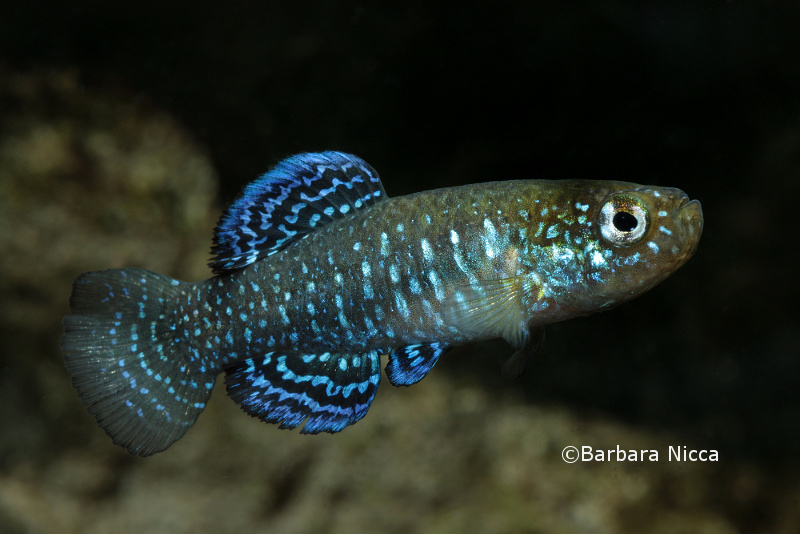
长颏秘鮰(Paraphanius mento)雄鱼有鲜明的蓝色光泽,但攻击性很强,同种雄鱼可能争斗至死,缺少遮蔽时不愿产卵的雌鱼也会受害。它适合单种繁殖项目,不能因为体形小就作为综合缸点缀鱼。
分布与栖息地
记录涉及土耳其至黎凡特、两河流域及伊朗边境地区,观赏来源多出自土耳其地中海沿岸及杰伊汉河、塞伊汉河。不同产地颜色与花纹有差异,应独立保留血系。
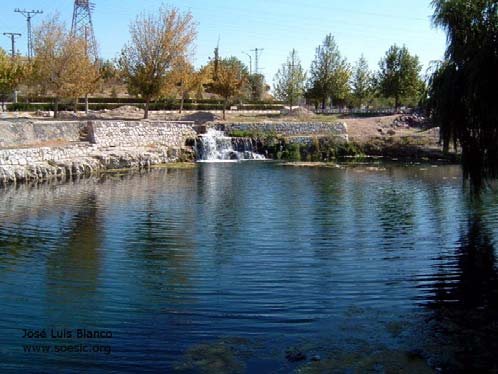
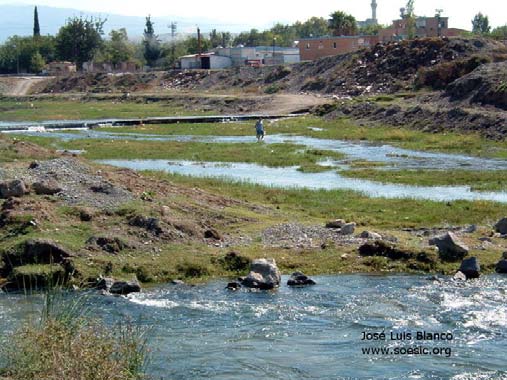
可生活在沿海潟湖、沼泽、小溪、灌溉沟渠及湖河的淡水或轻度汽水区,多在水草和丝状藻茂密的岸边活动。有些泉水矿物质丰富,水体清澈且植被浓密。
饲养环境
大量细纱拖把、莫丝、金鱼藻与丝状藻形成遮蔽,打断视线,让被追逐个体有退路。底床可省略,或使用惰性沙砾,过滤无需很强。空间有限时不要尝试多雄共处。
盐度应参照产地,部分种群适合淡水,多数维护建议为每升约 1—3 g 海水盐。每年应安排数月冬季冷凉期,避免长期温暖造成繁殖力和寿命下降。室外饲养与自然日照以当地气候适宜为前提。
食性与喂食
为杂食性,但天然食物中藻类和植物材料占较大比重。缺乏丝状藻时可搭配含螺旋藻的优质饲料,并规律喂丰年虾、水蚤或红虫等小型活饵、冷冻饵,春夏繁殖时尤其要保证供食。
习性与混养
不适合普通混养,雄鱼也会攻击其他鱼类。每尾雄鱼搭配两至三尾雌鱼仍需大量遮蔽,群体比例本身不能消除致命攻击风险。不同来源应分开维持,避免混杂或可能的杂交。
雌雄区分
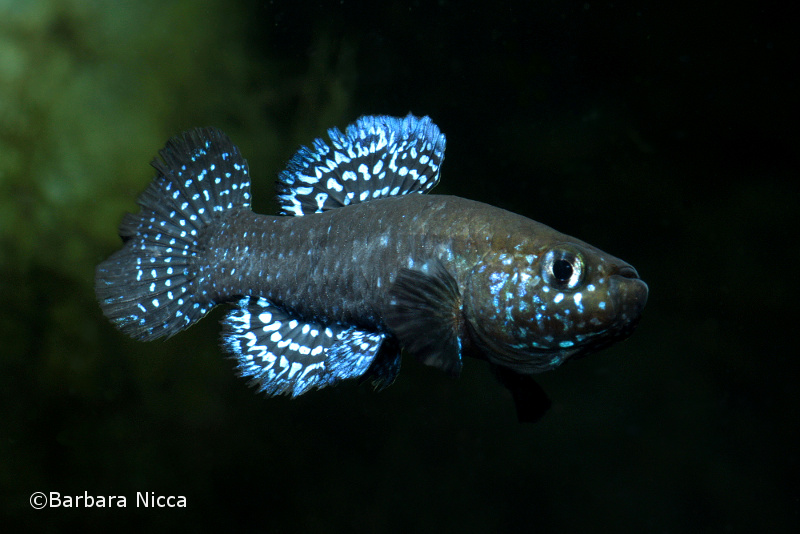
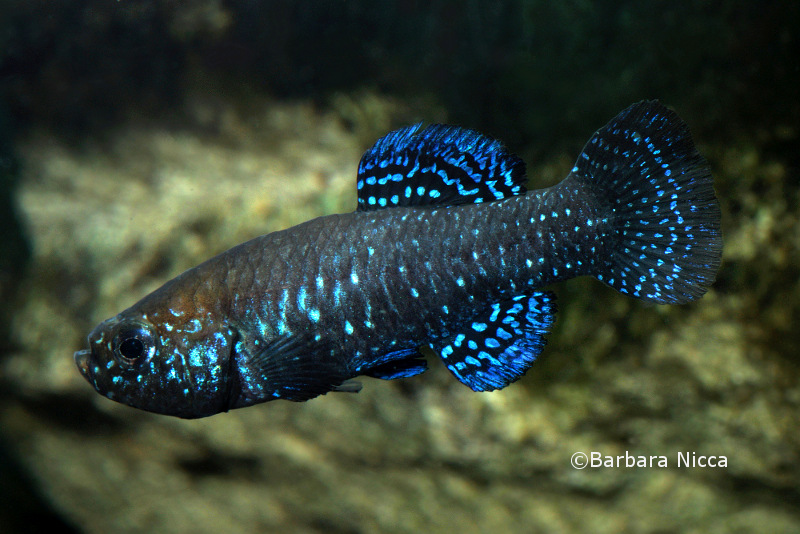
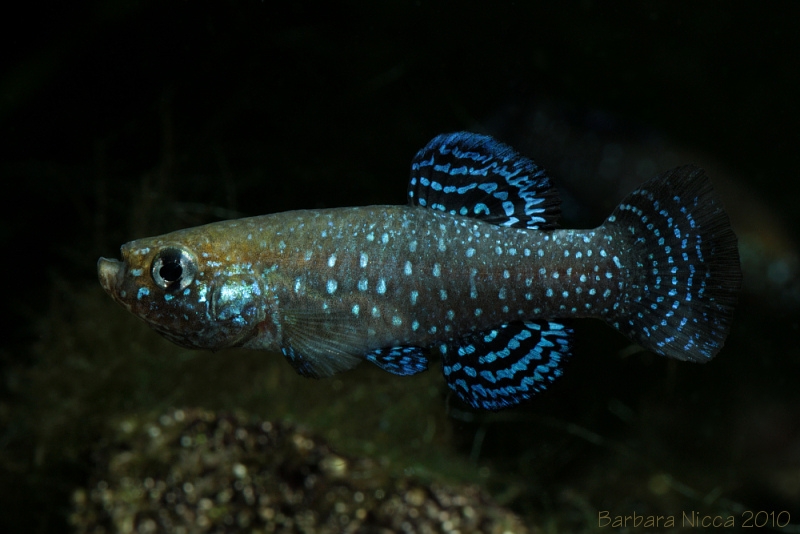
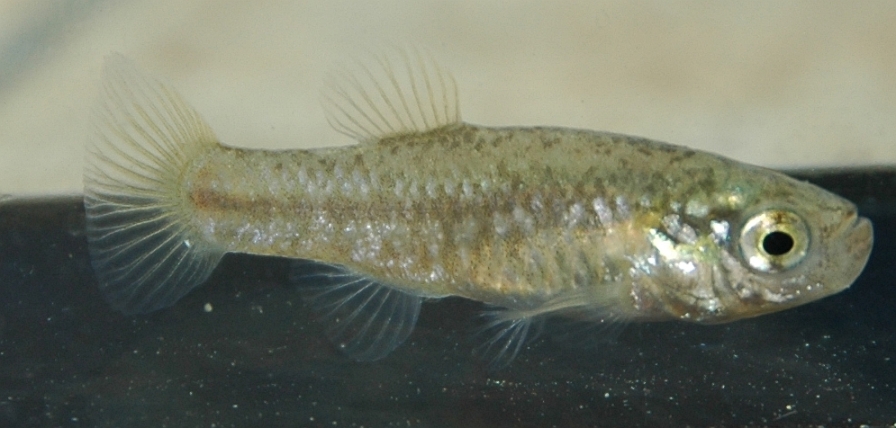
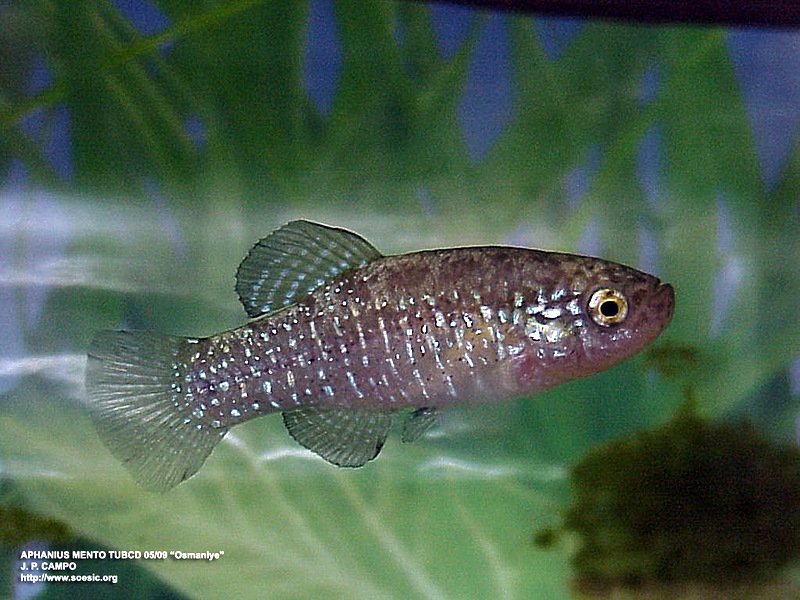
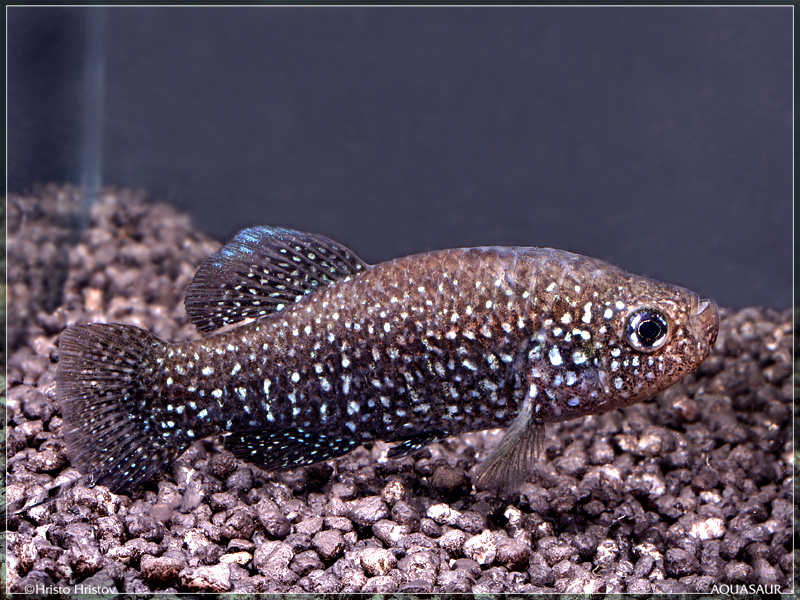
雄鱼繁殖期身体变为深蓝黑色,体侧和鳍上蓝色亮点更明显,鳍中可形成弯曲带纹;非繁殖时体色转淡。雌鱼较大、朴素,体侧为银色或黑色点斑,鳍透明,具体花纹随产地变化。
繁殖
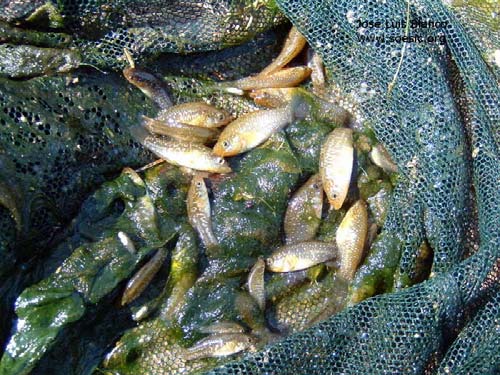
通常四至九月持续小批产卵,雄鱼防卫临时领地并招引雌鱼。卵以细丝附着藻类或其他表面,繁殖期间每日查看材料,减少成鱼吃卵和幼鱼的损失。
移卵时连附着材料一起取出,避免夹碰小卵,也可每隔数天替换整束产卵拖把。孵化容器使用与亲鱼缸同温、同水质的水,约六至十四天孵化,自由游动后可喂丰年虾无节幼体或微虫。
补充说明
一些泉水种群有与近缘鱼杂交的报道,新增灌溉沟渠也可能让原来分隔的种群接触。繁育记录宜保留具体地点,不能只留下一个笼统商品名。
图片
图片来自 SeriouslyFish,版权归各摄影者所有。
English
Overview
The blue iridescence of male Paraphanius mento accompanies pronounced aggression. Rival males may fight fatally, and unreceptive females can also be killed when cover is inadequate. This is a dedicated breeding fish rather than a small decorative addition to a community.
Distribution & habitat
Records extend from Turkey through the Levant and the Tigris–Euphrates region toward the Iranian border. Aquarium stocks commonly originate along Turkey's Mediterranean coast and in the Ceyhan and Seyhan basins. Locality-associated pattern differences favor separate maintenance of known lines.
Habitats include coastal lagoons, marshes, streams, irrigation channels, and lake or river margins in fresh or slightly brackish water. Dense plants and filamentous algae are typical. Some spring habitats contain clear, mineral-rich water with luxuriant vegetation.
Aquarium setup
Use abundant fine yarn mops, moss, hornwort, and filamentous algae to interrupt sight lines and provide escape routes. Substrate is optional, with inert sand or gravel acceptable; strong filtration current is unnecessary. Limited accommodation is unsuitable for multiple males.
Select salinity by origin. Some populations suit freshwater, while many have a general maintenance recommendation of marine salt at about 1–3 g/L. Provide several cool winter months, since constant warmth can impair reproduction and longevity. Outdoor care with natural sunlight depends on appropriate local conditions.
Diet & feeding
An omnivore with a marked plant-feeding tendency, it consumes substantial algae and plant material naturally. A quality Spirulina-containing food can supplement a lack of filamentous algae. Also offer regular small live or frozen brine shrimp, water fleas, and bloodworms, particularly during intensive spring and summer reproduction.
Behaviour & compatibility
Conventional mixed housing is inappropriate because males attack other species as well as rivals. Two or three females per male is preferable, but the ratio cannot eliminate lethal aggression without adequate shelter. Keep locality stocks separate to preserve identity and avoid possible hybridization.
Sexual dimorphism
Breeding males become deep blue-black, with bright blue spots across the body and curved markings in the fins. Outside reproduction they become duller. Larger, plainer females show silver or dark spots and clear fins, with pattern varying geographically.
Breeding
Repeated small batches of eggs are commonly produced from April through September. Males defend temporary sites and court females. Fine filaments attach eggs to algae or other surfaces. Inspect spawning material daily to reduce losses from adults consuming eggs or fry.
Move attached material without gripping delicate eggs, or replace complete mops every few days. Match incubation water to the adults' temperature and chemistry. Hatching generally takes six to fourteen days, and free-swimming fry can take brine-shrimp nauplii or microworms.
Notes
Hybridization with related fish has been reported in some springs, while irrigation connections can bring formerly isolated populations together. Breeding records should retain precise locality data rather than only a broad trade name.
来源
- https://www.seriouslyfish.com/species/aphanius-mento(抓取于 2026-10-10)
paraphanius-mento · 文件: data/species/paraphanius-mento.md · 状态: 草稿