非洲副鳢
概要
| 字段 | 值 |
|---|---|
| 类别 | 鱼 |
| 学名 | Parachanna africana |
| 别名 | 非洲鳢、非洲鱧、非洲副鱧、Ophiocephalus africanus、Channa africana |
| 分类 | 攀鲈目 Anabantiformes › 鳢科 Channidae › Parachanna |
| 水体 | 淡水 |
| 原产地 | 贝宁、尼日利亚 |
| 成体体长 | 30 cm |
| 饲养难度 | 中等 |
| 最小水体 | 432 L |
| 最小缸长 | 120 cm |
| 群居方式 | 独居 |
| 特征 | 会跳缸: 是 |
| 外部数据 | seriouslyfish parachanna-africana;fishbase 9893 |
| 食性 | 肉食 |
水质参数
| 参数 | 耐受范围 | 最适范围 | 单位 |
|---|---|---|---|
| 水温 | 20–25 | — | °C |
| pH | 5–7.5 | — | — |
| 总硬度 | 2–15 | — | dGH |
概述
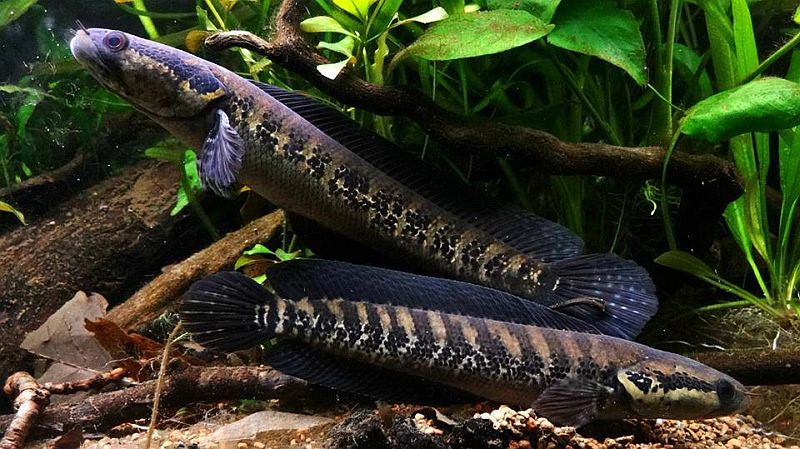
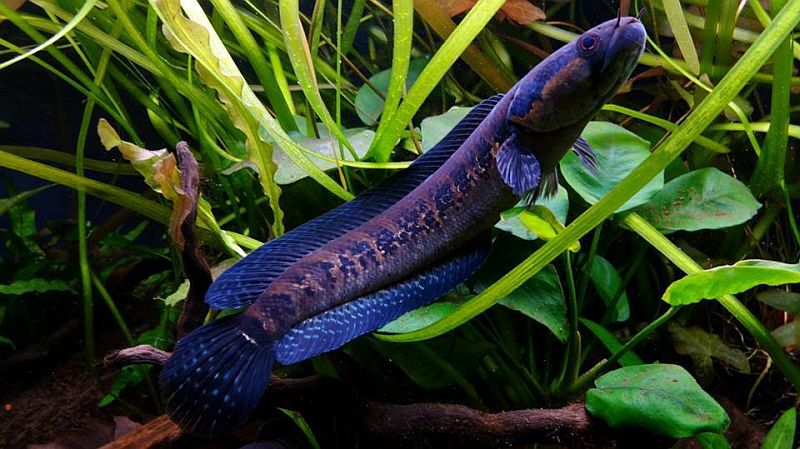
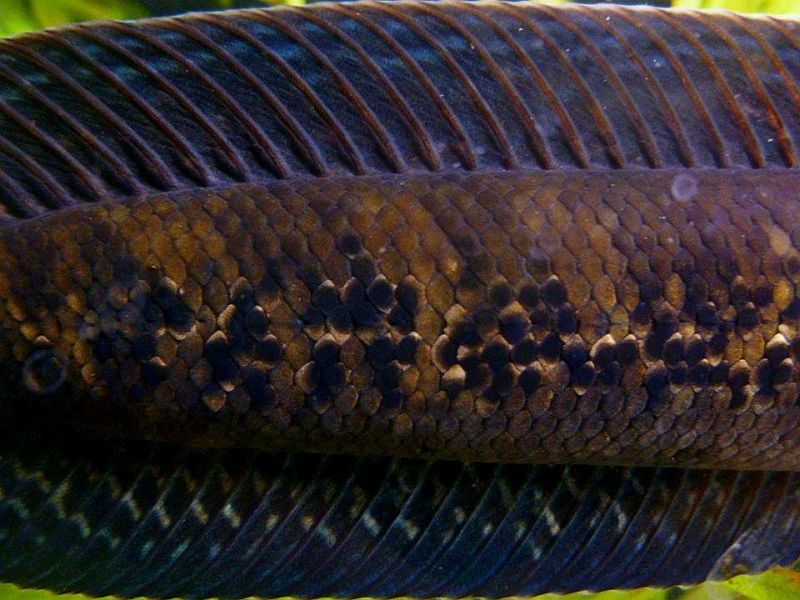
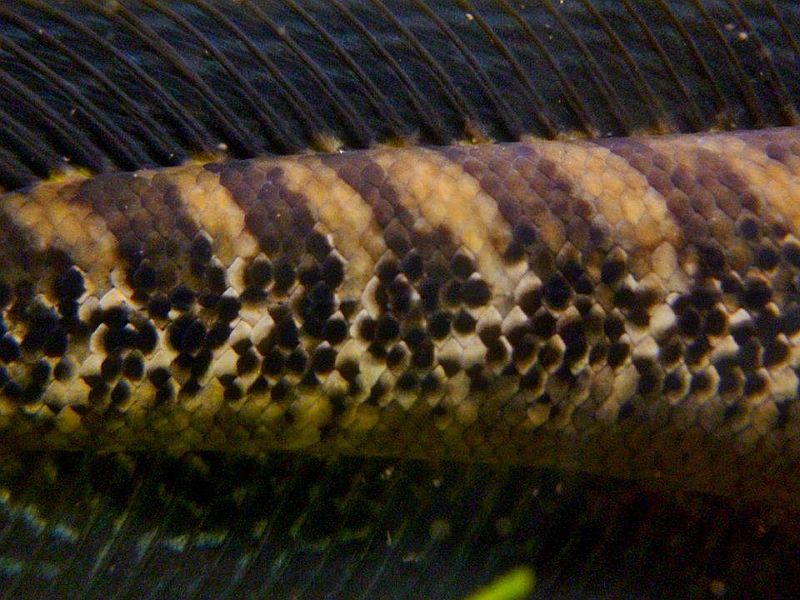
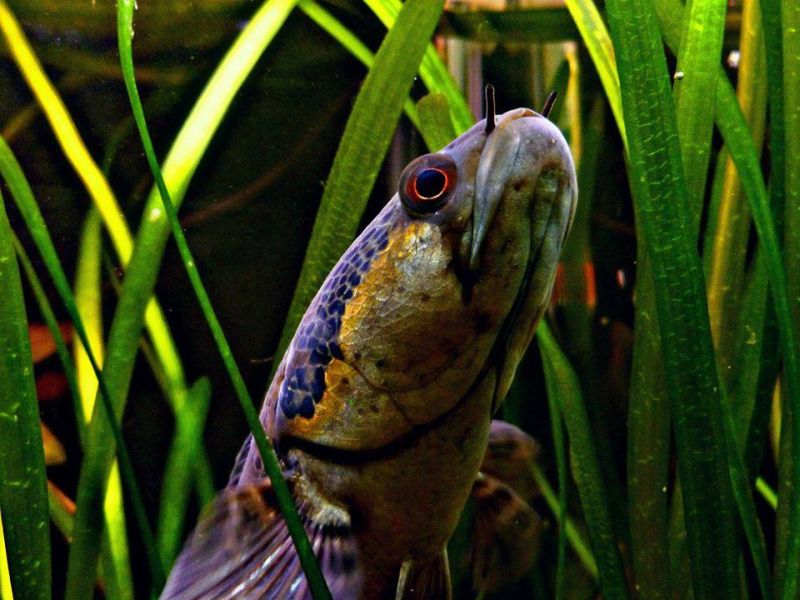
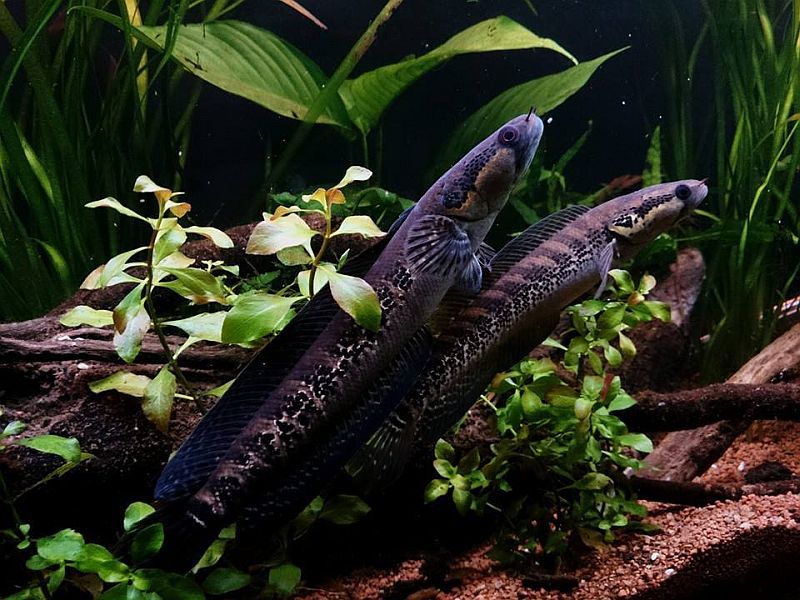
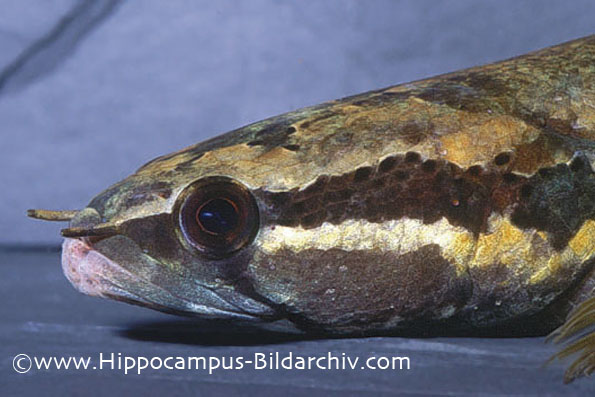
非洲副鳢(Parachanna africana)来自西非几内亚湾沿岸,贸易中不常见,名字还可能被误用于其他副鳢。体侧八至十一道深色人字斑是识别线索,但会随状态变淡,不能因暂时看不到斑纹就直接排除身份。
分布与栖息地
已知范围从贝宁延伸至尼日利亚,包括贝宁南部韦梅河,以及尼日利亚尼日尔河下游和克罗斯河。主要生活在沿海低地河流、沼泽、湖泊和人工水库,尼日尔三角洲也有记录。
饲养环境
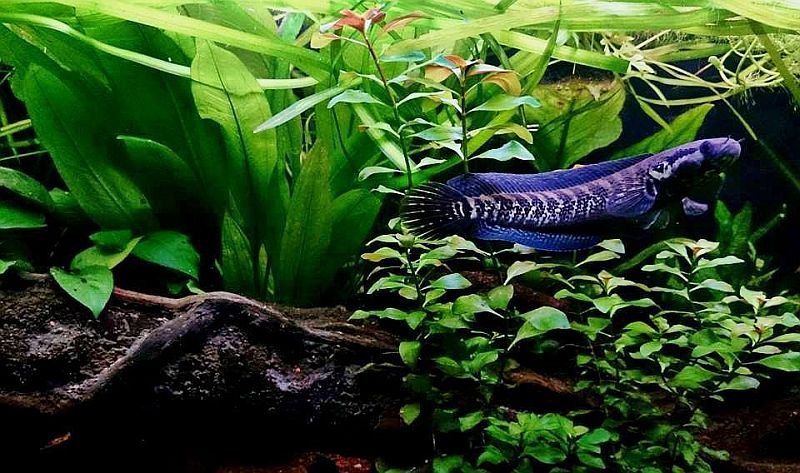
照明偏暗,提供浮水植物和水下遮蔽。缸盖须严密贴合,因为副鳢也善于逃逸;水面与盖之间仍需留出湿润空气空间供其呼吸。
食性与喂食
是伏击型专性捕食者,具体野生猎物可能包括小鱼及无脊椎动物。多数能适应非活体动物饵,幼鱼可用红虫、小蚯蚓和碎虾,成鱼可搭配鱼肉、整虾、贻贝和大蚯蚓。较老个体每周喂两至三次即可。
干粮即使被接受也不宜成为主食。牛心、鸡肉等陆生肉类不适合日常投喂,活饵鱼也没有必要,可能带来病原风险。
习性与混养
优先单种饲养。在空间足够的条件下,似乎可以与相近体形鱼相处,但这属于有条件的可能性,不应视为所有个体都能安全混养。
雌雄区分
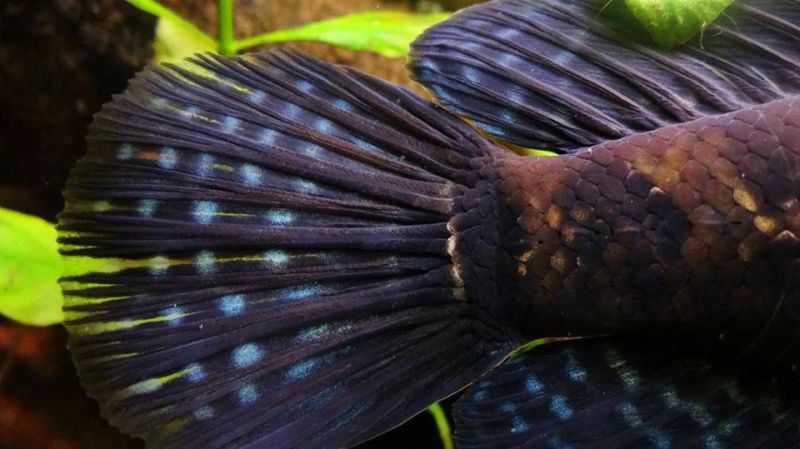
成年雄鱼略小、较修长,头部更长更窄,奇鳍也略微延长;雌鱼相对丰满。
繁殖
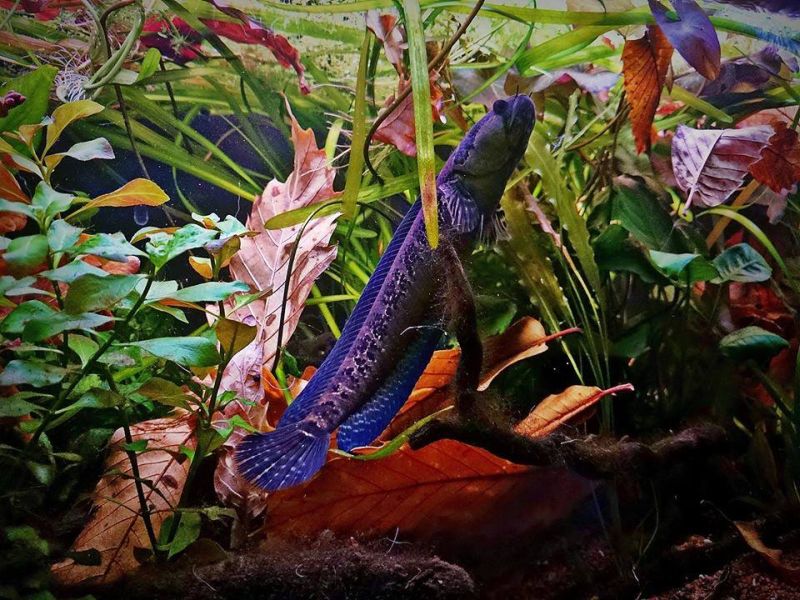
野外记录认为卵产在浮水植物之间并漂浮于表面,雄鱼守护,繁殖活动在雨季较强。繁殖期鱼体会明显变暗、接近黑色。具体过程仍带有观察不充分的限定,不能当作已经稳定实现的缸内繁殖方案。
补充说明
副鳢和亚洲鳢类同样能利用鳃后上方的辅助呼吸腔呼吸空气,常见的上浮吞气并不异常。确认身份时应综合花纹、产地和成体形态,不能只凭“非洲鳢”销售名。
图片
图片来自 SeriouslyFish,版权归各摄影者所有。
English
Overview
From the Gulf of Guinea region, Parachanna africana is infrequent in trade and its name can be misapplied to other African snakeheads. A row of eight to eleven dark chevrons along the body is useful for identification, but the marks may fade with the fish's state and are not always obvious.
Distribution & habitat
Known records extend from Benin to Nigeria, including the Ouémé in southern Benin and the lower Niger and Cross systems in Nigeria. Coastal lowland rivers, swamps, lakes, and artificial reservoirs provide habitat, with records also from the Niger Delta.
Aquarium setup
Use subdued lighting with floating plants and submerged retreats. Fit a close cover to prevent escape, but retain a humid air layer between the lid and water that the fish can reach to breathe.
Diet & feeding
It is an obligate ambush predator, with smaller fishes and invertebrates proposed as natural prey. Most individuals adapt to nonliving animal foods. Young fish can receive bloodworms, small earthworms, and chopped shrimp; adults can take fish flesh, whole shrimp, mussels, and larger earthworms. Older specimens generally need two or three meals per week.
Dry foods should not become the staple even when accepted. Terrestrial meats such as beef heart and chicken are unsuitable routine foods. Feeder fish are unnecessary and can introduce disease or parasites.
Behaviour & compatibility
Dedicated housing is preferable. Similarly sized companions may be possible when ample space is available, but this conditional possibility should not be treated as assured compatibility for every individual.
Sexual dimorphism
Adult males are slightly smaller and slimmer, with a longer, narrower head and somewhat extended unpaired fins. Females have a fuller build.
Breeding
Wild accounts suggest eggs are released among floating vegetation, remain near the surface, and are guarded by the male. Reproductive activity peaks in the wet season, when adults become markedly darker. These observations retain uncertainty and do not establish a routine aquarium protocol.
Notes
Like Asian snakeheads, African species use supplementary respiratory chambers behind and above the gills, and surface air gulping is normal. Identification should combine pattern, origin, and adult form rather than relying on a general African snakehead label.
来源
- https://www.seriouslyfish.com/species/parachanna-africana(抓取于 2026-10-10)
parachanna-africana · 文件: data/species/parachanna-africana.md · 状态: 草稿