横带棘鳅
概要
| 字段 | 值 |
|---|---|
| 类别 | 鱼 |
| 学名 | Paracanthocobitis zonalternans |
| 别名 | 横带条鳅、橫帶棘鰍、橫帶條鰍、Cobitis zonalternans、Nemacheilus zonalternans、Noemacheilus zonalternans、Acanthocobitis zonalternans、Noemacheilus phuketensis、Nemacheilus phuketensis、Acanthocobitis phuketensis |
| 分类 | 鲤形目 Cypriniformes › 条鳅科 Nemacheilidae › Paracanthocobitis |
| 水体 | 淡水 |
| 原产地 | 印度、马来西亚、缅甸、泰国 |
| 成体体长 | 7.8 cm |
| 饲养难度 | 中等 |
| 最小水体 | 54 L |
| 最小缸长 | 60 cm |
| 群居方式 | 群游 |
| 水流偏好 | 高 |
| 外部数据 | seriouslyfish acanthocobitis-zonalternans;fishbase 24649 |
| 食性 | 肉食 |
| 繁殖方式 | 产卵 |
水质参数
| 参数 | 耐受范围 | 最适范围 | 单位 |
|---|---|---|---|
| 水温 | 20–25 | — | °C |
| pH | 6–7.5 | — | — |
| 总硬度 | 2–10 | — | dGH |
概述
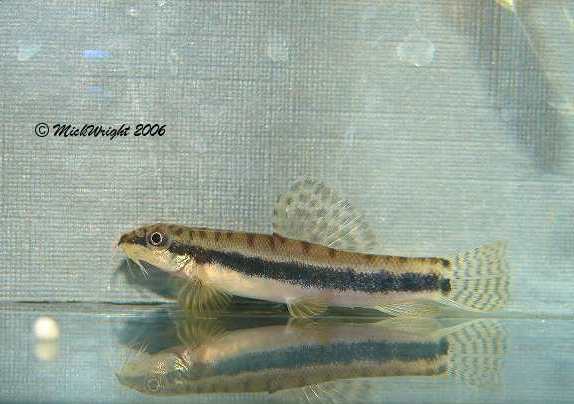
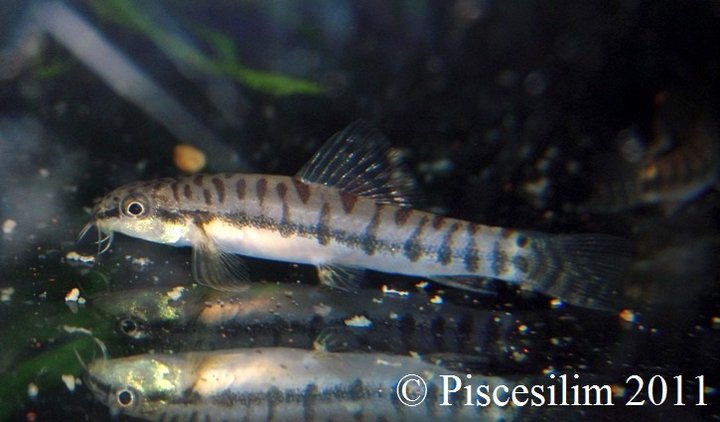
横带棘鳅(Paracanthocobitis zonalternans)相对温和,适合小型溪流鱼群落,也已有水族繁殖成功经验。不同产地颜色和条纹变化很大,可能并非单一物种,应保留来源信息并谨慎混合血系。
分布与栖息地
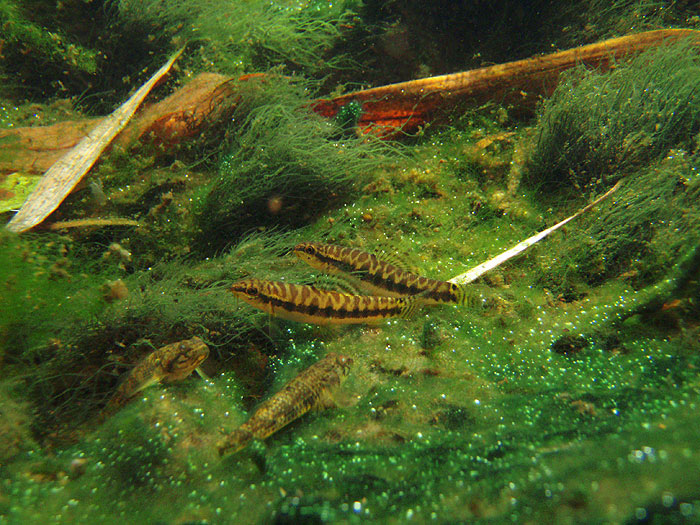
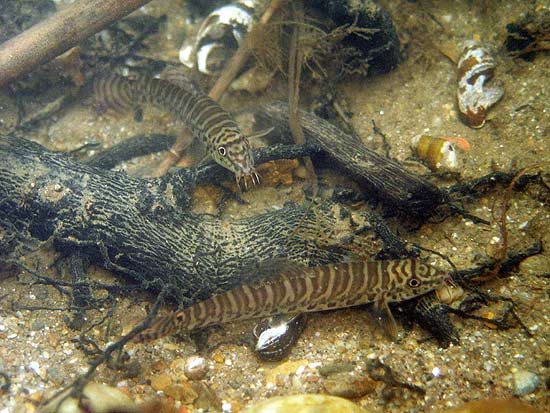
已知范围从印度曼尼普尔经缅甸延至泰国西部和半岛地区,马来西亚兰卡威群岛有记录,马来半岛本土分布仍带不确定性。栖地从源头溪流到较大河道都有,常见清澈流水和复杂的石块、树根结构,也有无树荫、泥砂底缓流水段的记录。
饲养环境
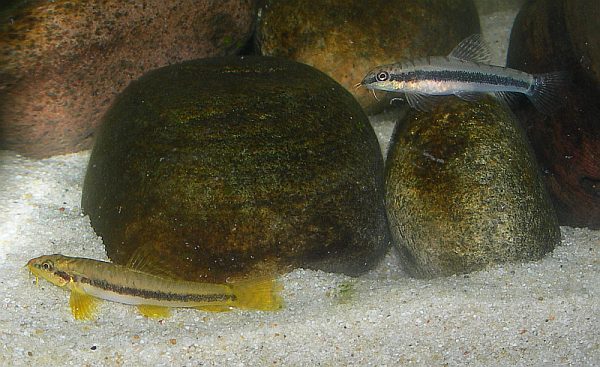
细砂、圆滑石块、沉木根枝和落叶可以形成多条路径与隐蔽处,附生水草可增加遮挡。可模拟溪流边缘缓段,也能在成熟石景溪流缸中生长良好;不必让全缸都承受强流。规律每周部分换水,保持水质清洁,一般不会破坏软叶水草。
食性与喂食
胃含物检查发现摇蚊和蜉蝣幼虫,支持以小型动物为食的判断。沉底干饲料通常能接受,但还应配水蚤、丰年虾、红虫等活饵或冷冻饵料,维持食物多样。
习性与混养
至少六条雌雄混群,十条以上更好。雄鱼间会建立等级并发生争执,布局足够丰富时通常能缓和。可与温和群居鲤科鱼、相合的吸鳅及溪流虾虎搭配,避开领地性强或攻击性高的底栖鱼。
雌雄区分
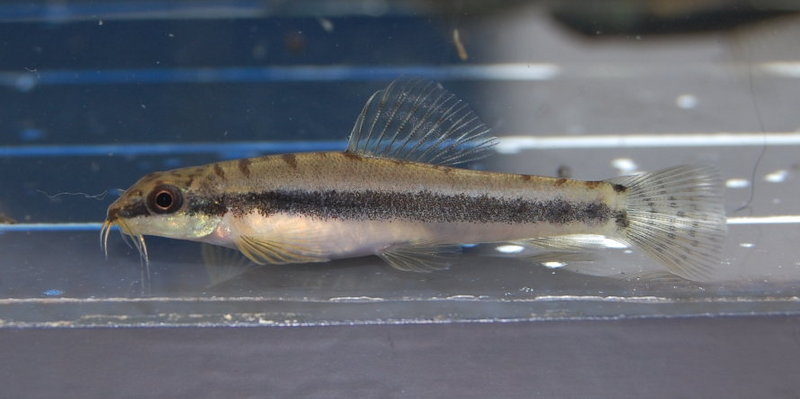
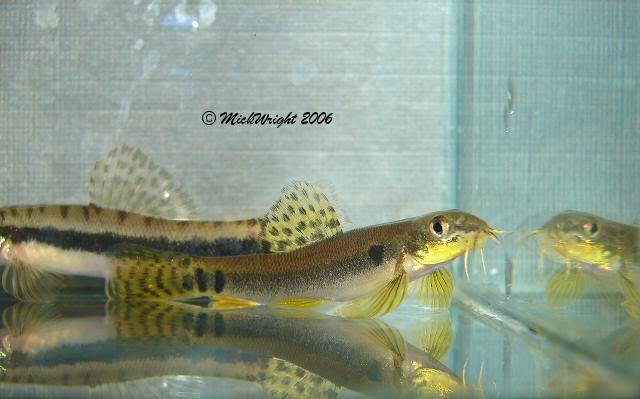
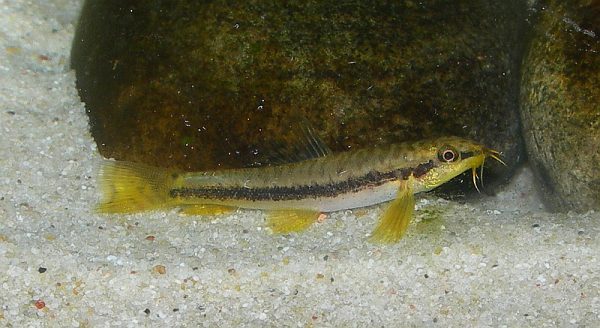
雄鱼眼下有瓣状结构,部分胸鳍鳍条增粗并带小结节。有些产地的优势雄鱼鳍、口周和前半身会出现黄至橙红色。雌鱼缺少这些特征,通常略大且更丰满。
繁殖
成功经验的重点是保护卵,避免亲鱼吃掉。可在繁殖缸底设置细隔卵网和两层玻璃珠,配海绵过滤。一次尝试中两雄三雌的雄鱼争斗过强,移去一雄后留下的一雄三雌过夜产卵,次日移出亲鱼;这个临时繁殖布置不等于日常小缸群养建议。
状态好的鱼可能每日产卵,不一定需要特殊刺激,一次可达约三百粒。卵约二十四至三十六小时孵化,鱼苗约三天内自由游动,先喂草履虫,再逐渐加入丰年虾无节幼体、碎颤蚓、小型蚯蚓类活饵和碎薄片。
补充说明
不完整侧线、腹鳍腋部叶状结构和产地花纹可辅助鉴别。这个名字可能涵盖多个近似种,体侧条纹完整或断裂都不能单独决定分类身份。
图片
图片来自 SeriouslyFish,版权归各摄影者所有。
English
Overview
Paracanthocobitis zonalternans is a relatively peaceful stream loach with documented aquarium breeding. Color and pattern vary geographically, and the name may cover more than one species. Retaining locality information is therefore useful.
Distribution & habitat
Records extend from Manipur through Myanmar into western and peninsular Thailand. Langkawi records exist, while occurrence on mainland Peninsular Malaysia remains uncertain. Habitats range from headwaters to larger channels. Clear flowing water with rocks and roots is common, but exposed, slower streams over mud and sand also occur.
Aquarium setup
Use sand, smooth stones, branching wood, and leaves to provide cover and multiple routes around the aquarium. Attached plants add structure. A slower stream-margin arrangement or a mature rocky hillstream setup can both work. Strong flow throughout the aquarium is unnecessary. Make regular weekly partial water changes. Soft-leaved plants are generally not damaged.
Diet & feeding
Stomach examinations found chironomid and mayfly larvae, supporting a diet centered on small animal prey. Sinking dry foods are accepted, but include regular live or frozen water fleas, brine shrimp, and bloodworms.
Behaviour & compatibility
Keep a mixed group of six or more, preferably at least ten. Males establish a hierarchy and may challenge one another, usually without serious problems in a well-structured aquarium. Peaceful cyprinids, compatible hillstream loaches, and suitable stream gobies are options. Aggressive or strongly territorial bottom dwellers are poor companions.
Sexual dimorphism
Males have a suborbital flap and thickened, tuberculate pectoral rays. Dominant males from some populations develop yellow to orange-red color around the fins, mouth, or front of the body. Females lack these features and tend to be larger and fuller.
Breeding
Successful methods protect eggs with fine mesh beneath a double layer of marbles, using sponge filtration. In one account, a second male caused excessive fighting and was removed. One male and three females then spawned overnight before all adults were taken out. This temporary breeding arrangement is not a general recommendation for crowded maintenance.
Well-conditioned fish may spawn daily without a special trigger. A spawning can produce around three hundred eggs. Hatching takes about twenty-four to thirty-six hours, and fry swim independently within approximately three days. Begin with paramecia, followed by newly hatched brine shrimp; later foods can include chopped worms and crushed flakes.
Notes
An incomplete lateral line, an axillary pelvic lobe, and locality-related markings aid identification. A continuous or broken side stripe alone does not resolve the possible species complex.
来源
ID:paracanthocobitis-zonalternans · 文件: data/species/paracanthocobitis-zonalternans.md · 状态: 草稿