Paracanthocobitis pictilis · Cherry-fin Loach
概要
| 字段 | 值 |
|---|---|
| 类别 | 鱼 |
| 学名 | Paracanthocobitis pictilis |
| 别名 | Acanthocobitis pictilis |
| 分类 | 鲤形目 Cypriniformes › 条鳅科 Nemacheilidae › Paracanthocobitis |
| 水体 | 淡水 |
| 原产地 | 泰国与缅甸边界阿塔兰河流域,属萨尔温江水系 |
| 成体体长 | 9.1 cm |
| 饲养难度 | 中等 |
| 最小水体 | 81 L |
| 最小缸长 | 90 cm |
| 群居方式 | 群游 |
| 水流偏好 | 高 |
| 外部数据 | seriouslyfish acanthocobitis-pictilis;fishbase 66575 |
水质参数
| 参数 | 耐受范围 | 最适范围 | 单位 |
|---|---|---|---|
| 水温 | 21–26 | — | °C |
| pH | 6.5–7.5 | — | — |
| 总硬度 | 1–8 | — | dGH |
概述
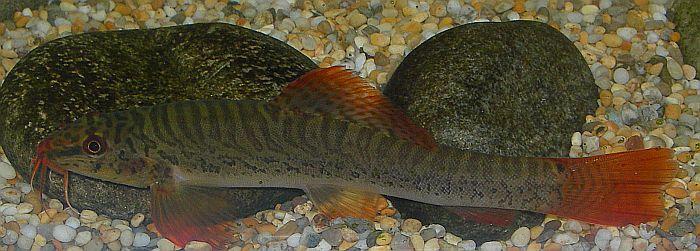
Paracanthocobitis pictilis 是较大胆的条鳅,繁殖状态的雄鱼吻部与鳍会带红色。它比同属一些鱼更容易起冲突,尤其少量或单尾雄鱼已有攻击性增强的报告,群体数量和伙伴强健程度都很重要。
分布与栖息地
分布重点是从泰国流入缅甸、汇入萨尔温江水系的阿塔兰河。早期列入的美功河水系种群后来被区分为另一种;邻近汉塔亚河的记录可能也属于本种,但身份仍带推测。
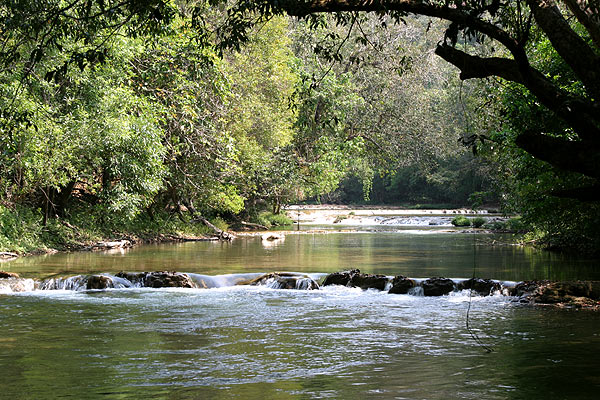
偏好阴凉、清澈、高溶氧的急流及浅滩,也会进入较深池段。底部砂砾、岩块、大石和局部落叶交错,沉木及岸根提供结构,较缓处可有水草。
饲养环境
以大小圆石、砂、细砾和水磨大石构成河道,沉木枝条形成多处缝隙和阴影,强健附生植物可固定其上。只使用已成熟的系统,水质稳定是基本要求。
用外滤、造流或气石保持较高溶氧与适当水流,并避免有机废物累积。布景要让弱势鱼能离开优势鱼的视线,而非挤在同一藏处。
食性与喂食
天然可能捕食昆虫幼体等小动物,已检查的胃内容物有摇蚊和蜉蝣幼体。缸中接受沉底干粮,仍应搭配小水蚤、丰年虾、红虫等活饵与冷冻饵。
习性与混养
以至少六尾、雌雄混合的群体更合适,让雄鱼的互动分散,弱势个体也能获得喘息。伙伴宜体型相近、活跃而健壮,可选适应相同环境的鲤科鱼或强健鳅类。少量饲养时个别雄鱼可能过度守域并骚扰异种,不能只按同属温和鱼的印象安排。
雌雄区分
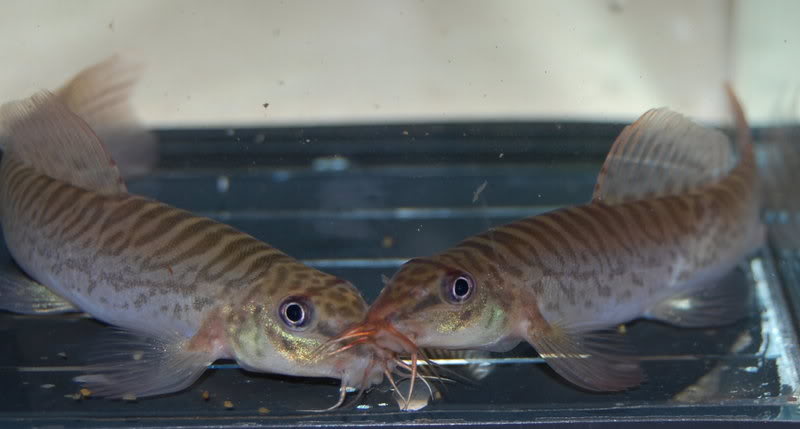
雄鱼眼下有深裂沟,胸鳍前部鳍条增厚并密布小结节,鳃盖和眼下也有细小突起;雌鱼缺乏这些明显结构,部分仅有浅沟。繁殖雄鱼吻鳍偏红,抱卵雌鱼更高厚。
繁殖
繁殖尚无记录。
补充说明
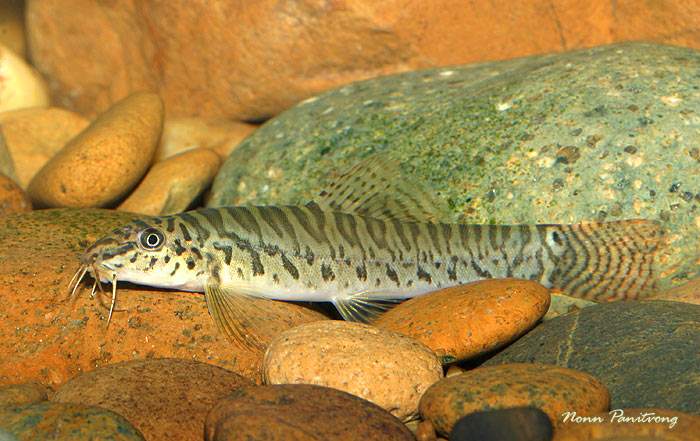
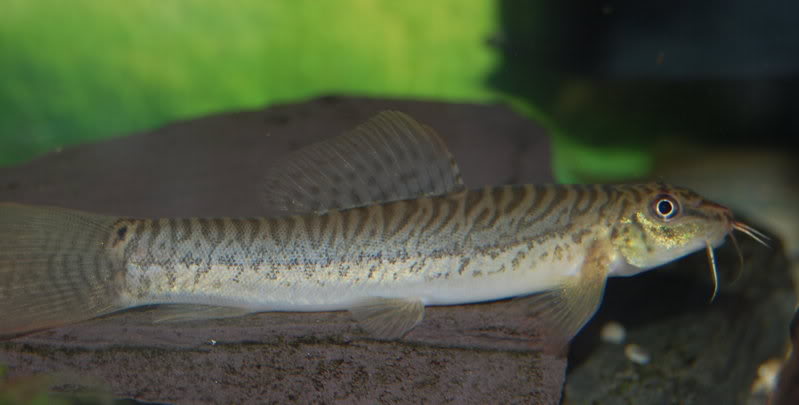
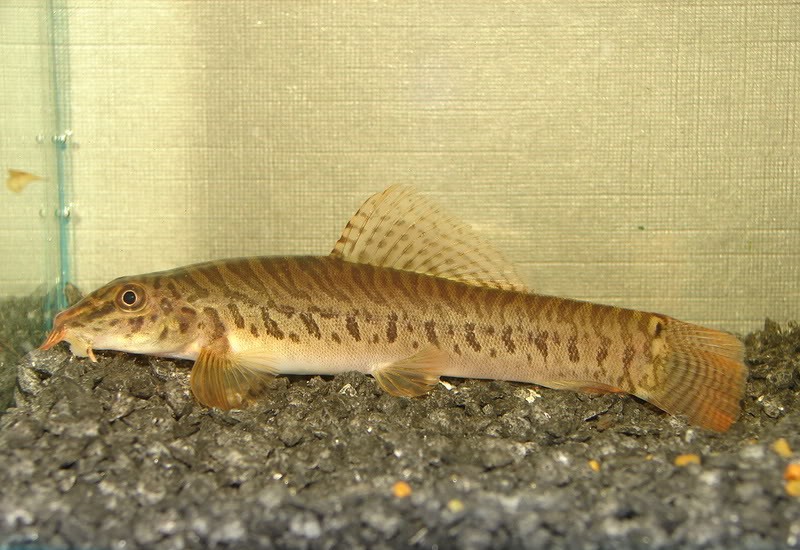
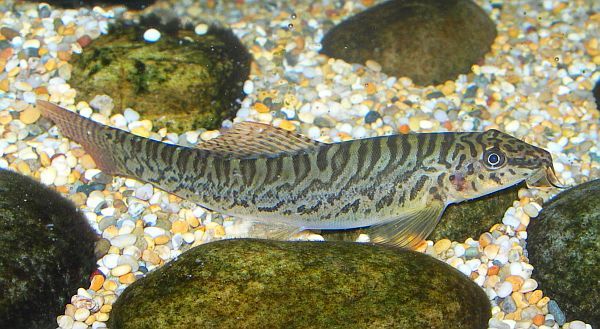
体侧没有同属某些鱼那种大块暗斑,尾部有多道暗带,尾柄上侧的小斑近直条或弯月形。曾经误用其他种名的贸易记录,不宜直接扩展本种分布。
图片
图片来自 SeriouslyFish,版权归各摄影者所有。
English
Overview
A bold loach, Paracanthocobitis pictilis develops reddish snout and fin coloration in breeding males. It can be less peaceful than some relatives, with excessive male aggression reported when kept alone or in small numbers. Group composition and robust companions matter.
Distribution & habitat
The core range is the Ataran, flowing from Thailand into Myanmar within the Salween system. A formerly included Mae Khlong population was separated as another species. Nearby Hanthayaw records may also belong here but remain tentative.
Shaded clear riffles and flowing stretches provide high oxygen, with occasional use of deeper pools. Sand, gravel, rocks, boulders, leaves, wood, and roots structure the habitat; plants occur in quieter patches.
Aquarium setup
Build a river-style layout with mixed rounded stones, sand, fine gravel, and boulders. Branches provide numerous crevices and shaded areas, with robust attached plants if desired. Use a biologically mature aquarium because stable conditions are essential.
External filtration, circulation pumps, or aeration should maintain high oxygen and movement while preventing waste accumulation. Break sight lines so subordinate fish can retreat beyond a dominant individual’s view.
Diet & feeding
A diet of small animals is considered probable, and examined stomach contents included chironomid and mayfly larvae. Combine sinking dry products with regular small live or frozen water fleas, Artemia, and bloodworms.
Behaviour & compatibility
A mixed-sex group of at least six helps distribute male attention and gives subordinates respite. Choose similarly sized, active, robust companions adapted to comparable conditions. Some males become strongly territorial and harass other species when kept in low numbers, so the mild reputation of relatives is not a reliable guide.
Sexual dimorphism
Males have a deep groove below the eye, thickened anterior pectoral rays with small tubercles, and additional roughened patches around the cheek. Females lack the prominent structures, though some have a shallow groove. Breeding males redden around the snout and fins, while gravid females deepen in body.
Breeding
Reproduction is unrecorded.
Notes
The body lacks the large flank blotches of some relatives. Several dark tail bands accompany a small vertical or crescent-shaped mark high on the tail base. Older trade identifications should not automatically expand the known range.
来源
- https://www.seriouslyfish.com/species/acanthocobitis-pictilis(抓取于 2026-10-10)
paracanthocobitis-pictilis · 文件: data/species/paracanthocobitis-pictilis.md · 状态: 草稿