宜昌沙鳅
概要
| 字段 | 值 |
|---|---|
| 类别 | 鱼 |
| 学名 | Parabotia fasciata |
| 别名 | 花斑副沙鳅、宜昌沙鰍、花斑副沙鰍、Parabotia fasciatus、Nemachilus xanthi、Botia xanthi、Botia multifasciata、Leptobotia intermedia、Leptobotia hopeiensis、Botia kwangsiensis、Botia wui |
| 分类 | 鲤形目 Cypriniformes › 沙鳅科 Botiidae › Parabotia |
| 水体 | 淡水 |
| 成体体长 | 15 cm |
| 饲养难度 | 中等 |
| 最小水体 | 243 L |
| 最小缸长 | 120 cm |
| 群居方式 | 群游 |
| 水流偏好 | 高 |
| 外部数据 | seriouslyfish parabotia-fasciata;fishbase 54998 |
| 原产地 | 中国 |
水质参数
| 参数 | 耐受范围 | 最适范围 | 单位 |
|---|---|---|---|
| 水温 | 20–24 | — | °C |
| pH | 6–7.5 | — | — |
| 总硬度 | 5–20 | — | dGH |
概述
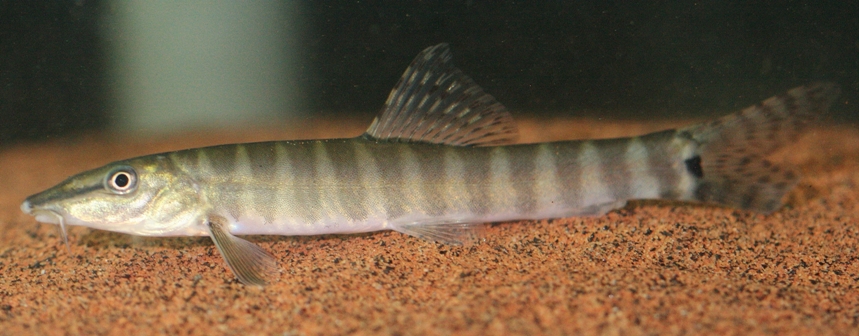
宜昌沙鳅(Parabotia fasciata)在贸易中少见,常随中华沙鳅属鱼的货批混入。尾鳍基部单个深色斑是辨认线索之一,但近缘种也可能相似,不能只按商品名称判断。
分布与栖息地
原始描述来自中国长江,后续记录提示在这一水系中可能主要限于沅江和嘉陵江。珠江流域的广东、广西也有记录,包括西江、北江和东江;分布可能进一步延至邻近省份,但尚不能完全确认。越南北部的相似鱼身份未定。
具体栖息环境尚未确认,推测偏好清洁、富氧的流水和岩石、砾石底床,不能把同属其他鱼的全部生境视作本种的确定记录。
饲养环境
底面积至少约 120 × 45 cm,以不同大小的石块、砾石和圆滑大石模拟溪流。沉木根枝增加阴影,管道提供隐蔽所,强健的附生植物可固定在装饰上。
循环与增氧应充足,过滤系统完全成熟后再放鱼。保持稳定清洁的水质,防止有机废物累积,不适合尚未建立生物过滤的新缸。
食性与喂食
野外可能机会性捕食底部昆虫、甲壳类,或鱼苗,但具体食谱尚未确认。缸内通常不挑食,仍应轮换红虫、水蚯蚓、切碎贝肉、蚯蚓等活饵或冷冻饵,并配合优质沉底干粮。
习性与混养
一般不算特别好斗,但小得多的鱼可能被其体型及活跃行为干扰。慢游、长鳍同伴有被啃鳍的风险;较适合的是温和、体型相称的开阔水域鱼。与其他沙鳅或底层鱼混养需核对温度、水流和空间。
副沙鳅属通常对同类较温和,看来也偏好成群,至少养 3~4 条较合适。属级群居观察不代表本种能安全搭配所有鱼。
雌雄区分
成熟雌鱼预计比雄鱼更丰满,不能仅凭腹部形状确保准确辨别。
繁殖
尚无水族箱繁殖记录。野外可能季节性繁殖,也可能伴随迁移,但均未明确确认。
补充说明
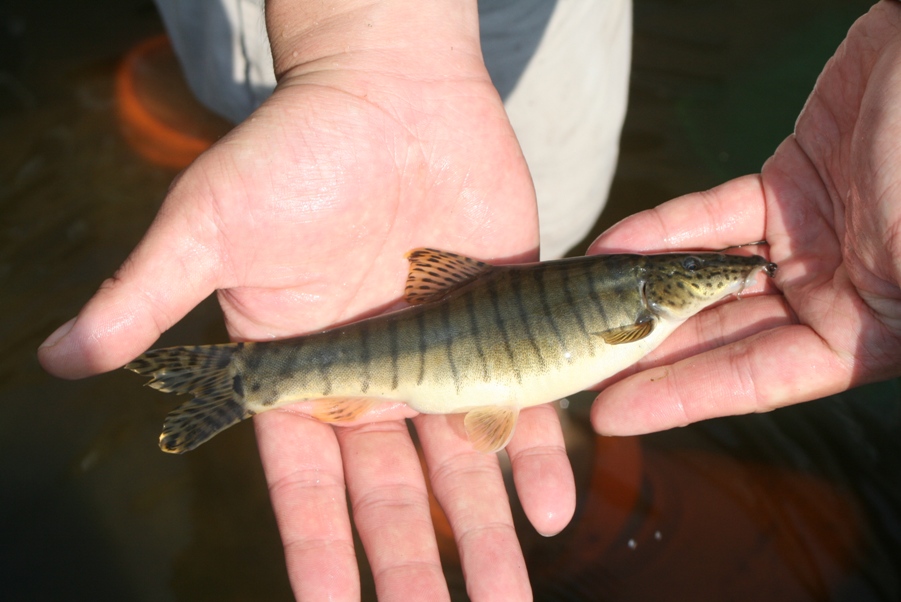
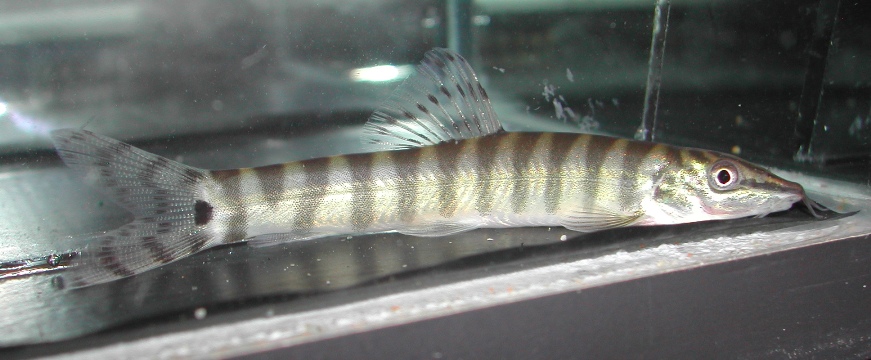
尾鳍基部的一处暗斑可与双斑副沙鳅(Parabotia bimaculata)的两处暗斑区别,Parabotia parva 则为细暗带。宜昌沙鳅的身体暗纹通常约 12~14 条,较细且间隔较宽;漓江副沙鳅(Parabotia lijiangensis)也有单个尾基斑,因此还要结合身体、头部和各鳍的纹路。
历史上多个属下的名称被视为本种异名,旧名字可能仍见于贸易。副沙鳅属眼下棘受惊时可竖起,捕捞需防缠网或刺伤;持续消瘦应查明原因,不能仅凭外形判断病原。
图片
图片来自 SeriouslyFish,版权归各摄影者所有。
English
Overview
Parabotia fasciata is an uncommon aquarium import, often arriving incidentally with shipments of Sinibotia. A single dark mark at the tail base is a useful clue, but similar relatives make trade labels alone unreliable.
Distribution & habitat
Originally described from China's Yangtze, it may be concentrated within the Yuan and Jialing tributary systems there. Records also cover much of the Pearl drainage in Guangdong and Guangxi, including the Xi, Bei, and Dong rivers. Extension into neighboring provinces is possible rather than fully established. Similar fish from northern Vietnam remain unidentified.
Precise habitat use is uncertain. Clear, oxygenated water over rocks or gravel is presumed, but observations of related species should not automatically be assigned to this one.
Aquarium setup
Provide a footprint of at least about 120 × 45 cm. Arrange mixed rocks, gravel, and smooth boulders as a stream habitat. Roots and branches offer shade, pipes add shelter, and robust attached plants can be grown on the decorations.
Maintain ample water movement and oxygenation. Introduce fish only after biological filtration has matured, keep conditions stable and clean, and prevent organic waste buildup.
Diet & feeding
Opportunistic feeding on bottom-dwelling insects, crustaceans, and perhaps fry is suggested in nature, not firmly documented. Captive fish usually accept a range of foods. Alternate live or frozen bloodworms, Tubifex, chopped shellfish, and earthworms with quality sinking preparations.
Behaviour & compatibility
It is not particularly aggressive, but much smaller companions can be intimidated by its size and activity. Slow or long-finned fishes risk nipping. Peaceful, compatible-sized open-water fishes are better options. Match temperature, flow, and space requirements when considering other loaches or bottom dwellers.
Members of Parabotia are generally relatively peaceful with one another and appear to prefer a group; at least three or four are advised. That genus-level observation does not guarantee compatibility with every other fish.
Sexual dimorphism
Mature females are expected to be fuller, but abdominal shape alone should not be considered a dependable identification of sex.
Breeding
Aquarium reproduction has not been recorded. Seasonal spawning and possible migration are proposed for wild populations but remain uncertain.
Notes
The single tail-base spot contrasts with two in Parabotia bimaculata and a narrow bar in Parabotia parva. Typically 12–14 relatively thin body stripes are separated by wider pale spaces. Parabotia lijiangensis also has a single tail-base mark, so body, head, and fin patterns must be assessed together.
Several historical names from different genera have been treated as synonyms and may still occur in trade. Movable spines beneath the eyes in Parabotia can snag nets or injure hands. Investigate persistent wasting rather than diagnosing a pathogen from appearance alone.
来源
- https://www.seriouslyfish.com/species/parabotia-fasciata(抓取于 2026-10-10)
parabotia-fasciata · 文件: data/species/parabotia-fasciata.md · 状态: 草稿