Pangio sp. 'PAN05'
概要
| 字段 | 值 |
|---|---|
| 类别 | 鱼 |
| 学名 | Pangio sp. 'PAN05' |
| 分类 | 鲤形目 Cypriniformes › 鳅科 Cobitidae › Pangio |
| 水体 | 淡水 |
| 成体体长 | 8 cm |
| 饲养难度 | 中等 |
| 最小水体 | 54 L |
| 最小缸长 | 60 cm |
| 群居方式 | 群游 |
| 特征 | 会跳缸: 是;翻底砂: 是 |
| 外部数据 | seriouslyfish pangio-sp-pan05 |
水质参数
| 参数 | 耐受范围 | 最适范围 | 单位 |
|---|---|---|---|
| 水温 | 21–26 | — | °C |
| pH | 6–7.5 | — | — |
| 总硬度 | 0–8 | — | dGH |
概述
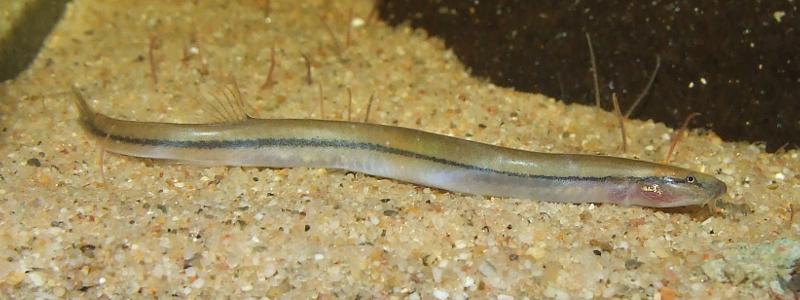
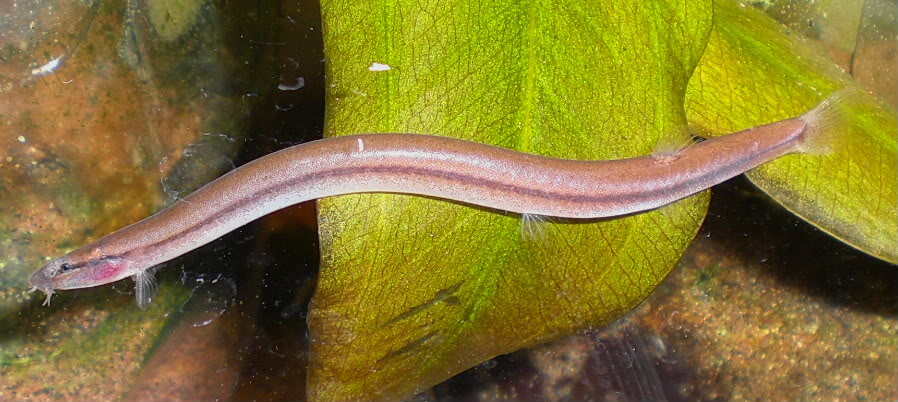
Pangio sp. 'PAN05' 是细长、蠕虫状的未定种鳅类,似属于 Pangio anguillaris 近缘群。它常与该种一起以鳗形鳅名义流通,但同批进口不能证明二者身份或产地相同。
分布与栖息地
原产地不清楚,不能把 Pangio anguillaris 的广泛分布直接套用到 PAN05。可参考同属鱼常见的森林缓水环境:浅溪、沼泽、牛轭湖和回水,通常遮阴,底部有软泥、砂、根枝或落叶。属内既有黑水也有清水栖息者,本条具体采集环境尚不明确。
饲养环境
建议底面积至少约 60 × 30 cm。它喜欢钻掘并会完全埋身,需提供柔软砂底,避免粗砾引起擦伤、紧张或进食困难。沉木、根枝与落叶增加阴影和躲藏位置,铁皇冠、莫丝及椒草类植物适合弱光布置。
过滤保持缓和,配轻微水面扰动,避免强流。进水口应防细小鱼体钻入,缸顶缝隙也须封好,尤其在入缸初期。
食性与喂食
可能从底质中筛取昆虫幼虫和小型甲壳动物,碎屑及来自猎物肠内的植物成分或附带摄入。可喂沉底干粮,但应经常搭配水蚤、丰年虾、红虫、微虫和小型白线虫等活饵或冻饵,保持菜单多样。
习性与混养
建议至少五至六条同种一起养,提供可共同休息的隐蔽处。同属鱼通常较温和,适合小型平和、环境要求相近的伙伴。其他鳅类应避开攻击性、领域性或过强争食的种;卵和仔鱼可能被近亲吃掉。
雌雄区分
成年雌鱼通常比雄鱼稍大且更厚实。
补充说明
其所属近缘群通常体色灰暗、缺乏明显花纹,身体极细长、脊椎数较多,与典型带纹库利鳅有所区别。但这一组合只能提示近缘群,不能确立正式种名。保持 PAN05 编号及个体来源记录,搬运时小心眼下棘挂网。
图片
图片来自 SeriouslyFish,版权归各摄影者所有。
English
Overview
Pangio sp. 'PAN05' is an unidentified, elongated wormlike loach that appears to belong to the Pangio anguillaris group. It is often sold alongside that species as an eel loach, but a shared shipment does not establish shared identity or origin.
Distribution & habitat
Its native locality is unclear. The broad range of Pangio anguillaris cannot simply be assigned to PAN05. Relatives commonly inhabit shaded slow forest water in shallow streams, swamps, oxbows, and backwaters, with soft sediment, sand, roots, or fallen leaves. Both blackwater and clear-water habitats occur in the genus; PAN05's own collection environment remains unknown.
Aquarium setup
Allow at least about 60 × 30 cm. The fish dig and may bury themselves completely, so provide soft sand. Coarse gravel can cause abrasions, stress, and feeding problems. Wood, roots, and leaves create shade and refuges, with Java fern, mosses, or crypts suitable under low light.
Maintain gentle filtration and slight surface movement rather than strong currents. Prevent slender fish from entering intakes and close gaps around the lid, particularly during the settling period.
Diet & feeding
It probably sifts insect larvae and small crustaceans from substrate. Detritus or plant matter inside prey may be swallowed incidentally. Sinking dry food can be offered, but add regular live or frozen Daphnia, brine shrimp, bloodworms, microworms, and small grindal worms for a varied menu.
Behaviour & compatibility
Keep at least five or six conspecifics with shelters that several fish can share. The genus is generally peaceful and suits small calm companions under matching conditions. Avoid other loaches that are aggressive, territorial, or excessively competitive for food. Related fishes may eat eggs or fry.
Sexual dimorphism
Adult females are usually slightly larger and more robust than males.
Notes
Members of its apparent species group typically have grayish, largely unmarked bodies, extreme elongation, and many vertebrae, distinguishing them from typical banded kuhli loaches. That combination indicates a group rather than a formal species identification. Retain the PAN05 code and provenance records, and handle carefully around the movable eye spines.
来源
- https://www.seriouslyfish.com/species/pangio-sp-pan05(抓取于 2026-10-10)
pangio-sp-pan05 · 文件: data/species/pangio-sp-pan05.md · 状态: 草稿