Pangio sp. 'PAN03'
概要
| 字段 | 值 |
|---|---|
| 类别 | 鱼 |
| 学名 | Pangio sp. 'PAN03' |
| 分类 | 鲤形目 Cypriniformes › 鳅科 Cobitidae › Pangio |
| 水体 | 淡水 |
| 成体体长 | 8 cm |
| 饲养难度 | 入门 |
| 最小水体 | 54 L |
| 最小缸长 | 60 cm |
| 群居方式 | 群游 |
| 特征 | 会跳缸: 是;翻底砂: 是 |
| 外部数据 | seriouslyfish pangio-sp-pan03 |
水质参数
| 参数 | 耐受范围 | 最适范围 | 单位 |
|---|---|---|---|
| 水温 | 21–26 | — | °C |
| pH | 3.5–7 | — | — |
| 总硬度 | 0–5 | — | dGH |
概述
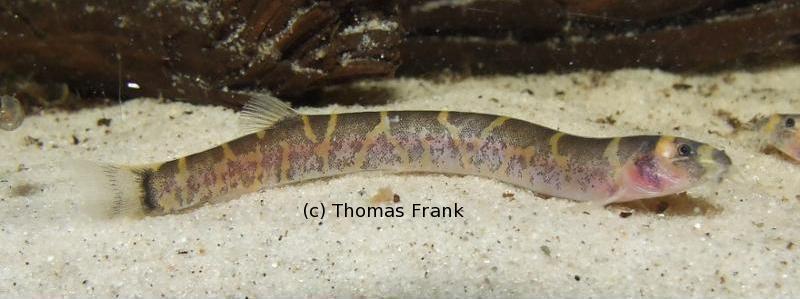
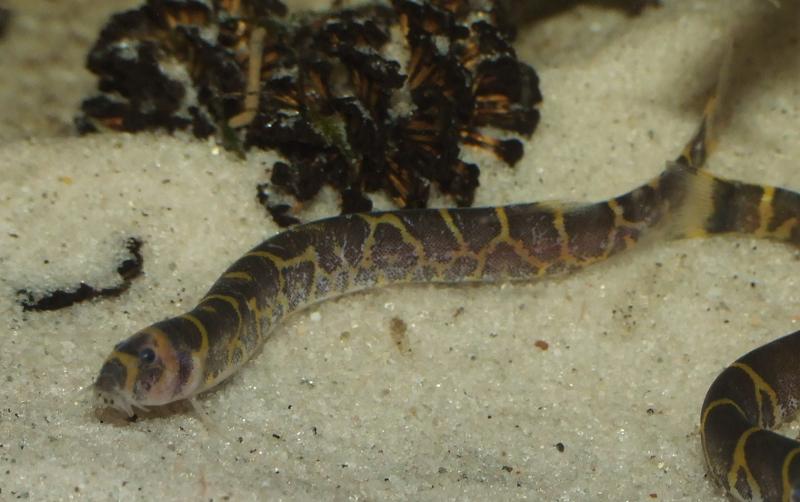
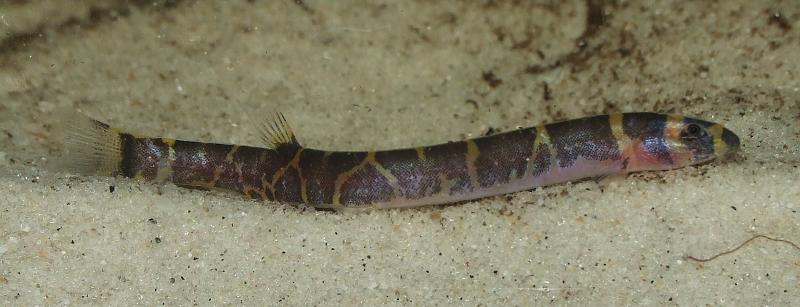
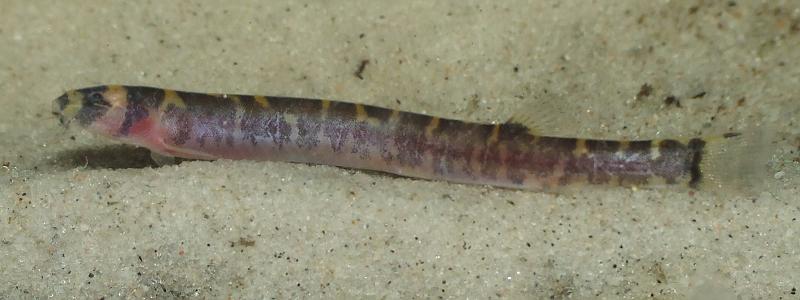
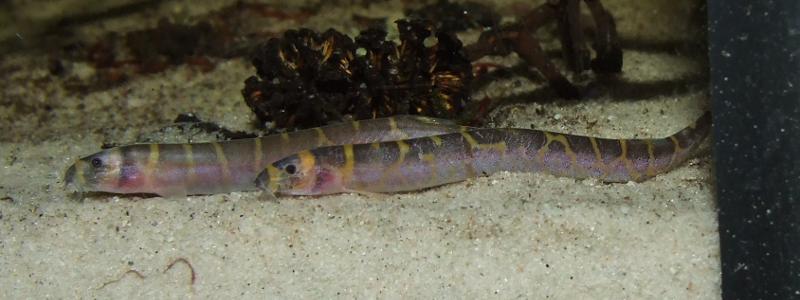
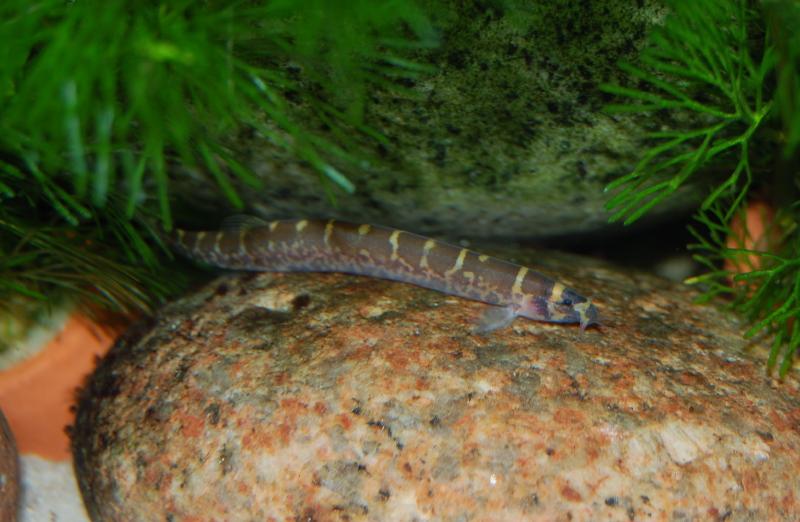
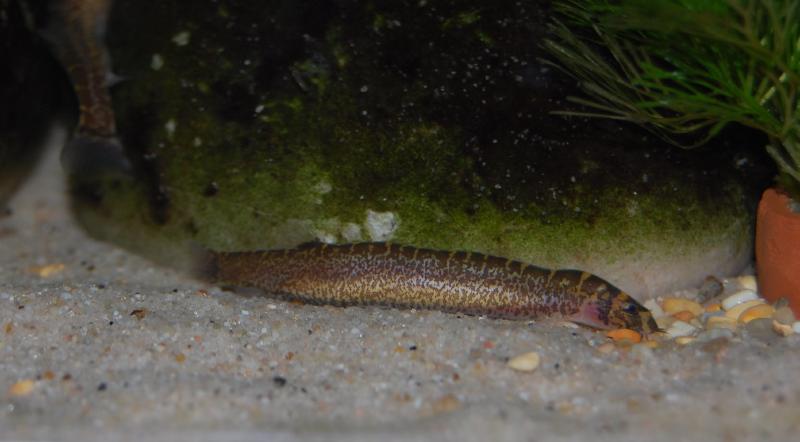
Pangio sp. 'PAN03' 是尚未对应到正式描述种的库利鳅类,曾被误售为 Pangio alternans,但后者外观不同。保留 PAN03 编号,有助于避免在贸易中继续混淆身份。
分布与栖息地
可能原生于印度尼西亚婆罗洲南加里曼丹的 Barito 河流域,但这一来源尚未确认。同属鱼常见于浅缓森林溪流、沼泽、回水和牛轭湖,树冠与岸边植物遮阴,底部有泥、砂及落叶堆。许多地点水中矿物质少且呈酸性,也有清水环境;这些是同属背景,并不是 PAN03 的完整采集记录。
饲养环境
至少约 60 × 30 cm 的底面积,配柔软细砂供其钻掘或完全埋身。粗砾可能擦伤鱼体、引起紧张并影响进食。用根枝和沉木形成阴影,干落叶增加遮蔽,水草可选适应弱光的铁皇冠、莫丝及椒草类。
过滤保持缓和并让水面轻微扰动,不宜用强流冲刷底部。防止小鱼进入进水口,缸顶也须盖严,尤其注意新鱼适应期。
食性与喂食
可能以筛取的小型动物为主食,碎屑和来自猎物肠道的植物物质或附带摄入。沉底干粮应与小型活饵、冻饵交替供应,例如水蚤、丰年虾、红虫、微虫和小型白线虫,确保隐蔽个体能得到食物。
习性与混养
同属鱼常集群并共用藏身点,建议至少五至六条同种。小型平和、环境要求相近的鱼更适合一起养;其他鳅类要排除争食过猛、好斗或领域性强的种。近亲可能吃卵或仔鱼,应将这一风险与平时的温和表现分开考虑。
雌雄区分
成年雌鱼通常稍大而厚实。成熟雄鱼第一胸鳍条分叉、加粗。
补充说明
PAN03 可较有把握地归入 Pangio kuhlii 与 Pangio oblonga 所在近缘群。属内条纹与素色外观不总是对应遗传分组,不能凭花纹或旧商品标签完成鉴定。搬运时注意可竖起的眼下棘挂住鱼网。
图片
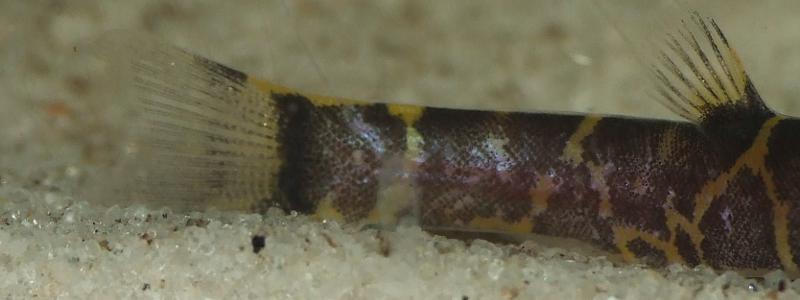
图片来自 SeriouslyFish,版权归各摄影者所有。
English
Overview
Pangio sp. 'PAN03' is an unidentified kuhli-type loach that has been sold incorrectly as Pangio alternans, a different-looking fish. Retaining the PAN03 designation helps prevent further confusion in trade.
Distribution & habitat
A native origin in the Barito basin of South Kalimantan, Indonesian Borneo, has been suggested but is unconfirmed. Relatives commonly occupy shallow slow forest streams, swamps, backwaters, and oxbows, shaded by trees and marginal vegetation. Mud, sand, and leaf piles are typical substrates. Many sites have acidic, mineral-poor water, though clear-water habitats also occur. These are genus-level observations rather than a complete PAN03 collection record.
Aquarium setup
Provide at least about 60 × 30 cm with soft fine sand for digging and complete burial. Coarse gravel can abrade the fish, increase stress, and interfere with feeding. Roots and wood create shade, while dried leaves add cover. Java fern, mosses, and crypts suit subdued lighting.
Use gentle filtration with slight surface movement, avoiding strong currents across the bottom. Guard filter intakes and close the aquarium securely, particularly during initial acclimation.
Diet & feeding
Small animals sifted from substrate are the probable main food, with detritus or plant material inside prey perhaps taken incidentally. Alternate sinking dry foods with small live or frozen foods such as Daphnia, brine shrimp, bloodworms, microworms, and grindal worms. Ensure hidden individuals receive their share.
Behaviour & compatibility
Relatives gather in groups and share shelters, so keep at least five or six conspecifics. Small peaceful companions with similar requirements are preferable. Exclude other loaches that dominate feeding, fight, or defend territories. Possible egg or fry predation by relatives remains a separate consideration from quiet everyday behavior.
Sexual dimorphism
Adult females are usually slightly larger and more robust. Mature males have a branched and thickened first pectoral-fin ray.
Notes
PAN03 can be assigned fairly confidently to the lineage containing Pangio kuhlii and Pangio oblonga. Banded and plain appearances do not always follow genetic divisions within the genus, so patterns or old trade labels cannot resolve identity. Erectable eye spines require care when netting.
来源
- https://www.seriouslyfish.com/species/pangio-sp-pan03(抓取于 2026-10-10)
pangio-sp-pan03 · 文件: data/species/pangio-sp-pan03.md · 状态: 草稿