谢氏潘鳅
概要
| 字段 | 值 |
|---|---|
| 类别 | 鱼 |
| 学名 | Pangio shelfordii |
| 别名 | 謝氏潘鰍(台湾)、Acanthophthalmus shelfordii |
| 分类 | 鲤形目 Cypriniformes › 鳅科 Cobitidae › Pangio |
| 水体 | 淡水 |
| 原产地 | 印度尼西亚、马来西亚、新加坡 |
| 成体体长 | 8 cm |
| 饲养难度 | 入门 |
| 最小水体 | 54 L |
| 最小缸长 | 60 cm |
| 群居方式 | 群游 |
| 特征 | 会跳缸: 是;翻底砂: 是 |
| 外部数据 | seriouslyfish pangio-shelfordii;fishbase 12293 |
| 食性 | 肉食 |
水质参数
| 参数 | 耐受范围 | 最适范围 | 单位 |
|---|---|---|---|
| 水温 | 21–26 | — | °C |
| pH | 4–7 | — | — |
| 总硬度 | 0–8 | — | dGH |
概述
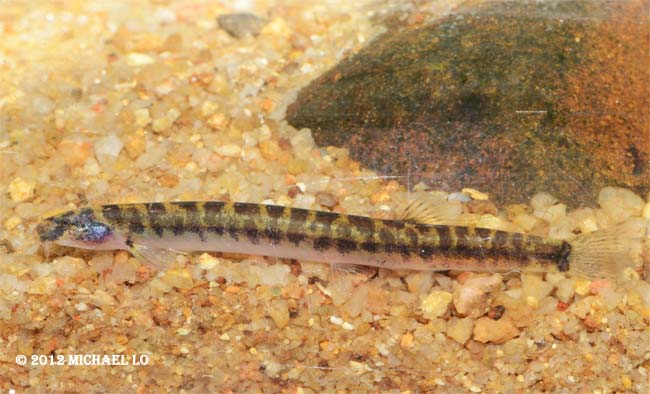
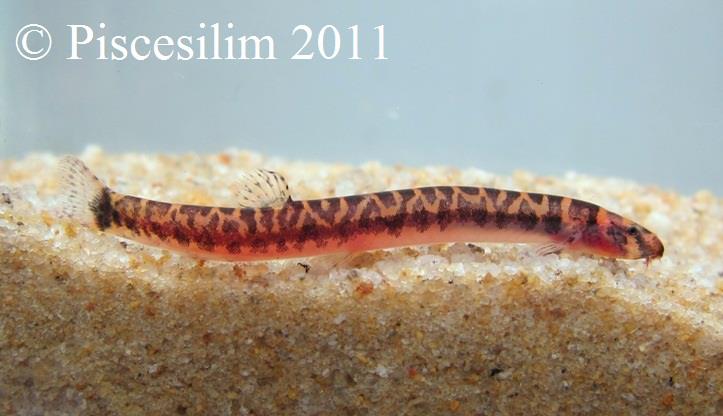
谢氏潘鳅(Pangio shelfordii)的斑纹变化很大,同一产地和不同产地之间都可能明显不同。它偶尔随其他潘鳅一同进口,目前这个名称下还包含有待厘清的类群;颜色相似并不足以确认身份。
分布与栖息地
现有范围包括马来半岛登嘉楼、彭亨、柔佛及新加坡,苏门答腊的廖内、占碑和邦加岛,以及婆罗洲砂拉越、西加里曼丹卡普阿斯河和东加里曼丹马哈坎河。中加里曼丹的存在仅为可能。模式产地位于古晋附近砂拉越河,该地点早在 1990 年代已受到明显人为压力。
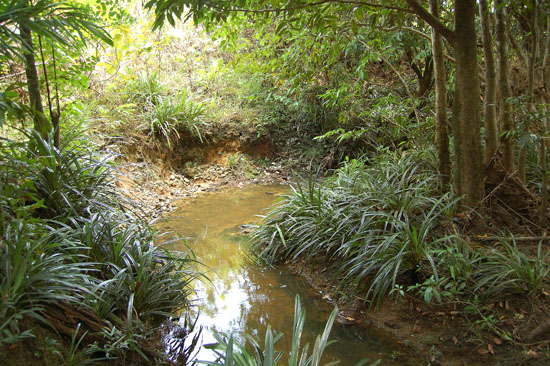
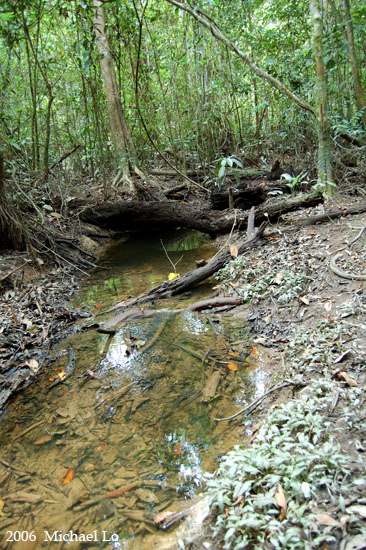
生活于浅而缓流的森林溪流、沼泽、牛轭湖和回水区,既有泥炭相关黑水,也有不同着色程度的清水。林冠和岸边植被遮光,水中矿物质少、缓冲弱,底质可为泥炭、泥或沙,鱼常聚集在落叶堆内。
饲养环境
底面积宜至少约 60 × 30 cm,铺柔软沙底,让鱼能埋身和筛底取食。粗砾可能引起应激、擦伤及摄食困难。沉木根、枝条和干落叶可构成多个阴暗处,配合柔和光照及耐阴植物。
过滤应温和,只需略微扰动水面,避免强流。保护过滤进水口,防止小个体进入;缸盖应密合,尤其注意新入环境后的跳出与钻缝。
食性与喂食
主要从底材中筛取昆虫幼虫和小甲壳动物等。可能还会摄入有机碎屑以及猎物肠道中的植物物质。喂食可用下沉干粮,搭配水蚤、丰年虾、摇蚊幼虫、微虫等活饵或冷冻饵。
习性与混养
潘鳅一般温和,但鱼卵或鱼苗可能被吃。至少饲养 5~6 条,休息时往往挤在同一处遮蔽物下。选择小型、温和且环境需求相近的鱼;若想混养其他鳅类,应先排除攻击性、强争食或领地性明显的种类。
雌雄区分
成熟雌鱼通常稍大、身体更饱满。雄鱼第一胸鳍条加厚并分枝,胸鳍仅比雌鱼略长;这与椒潘鳅(Pangio piperata)雄鱼胸鳍明显延长不同。
繁殖
尚无水族箱内繁殖记录,野外可能随季节繁殖;不能把这一推测扩展成确定的家庭催产流程。
补充说明
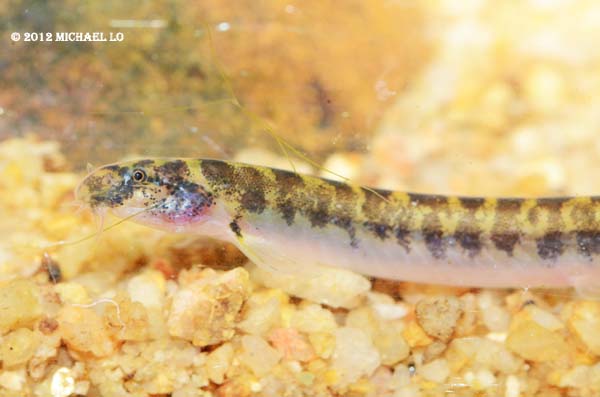
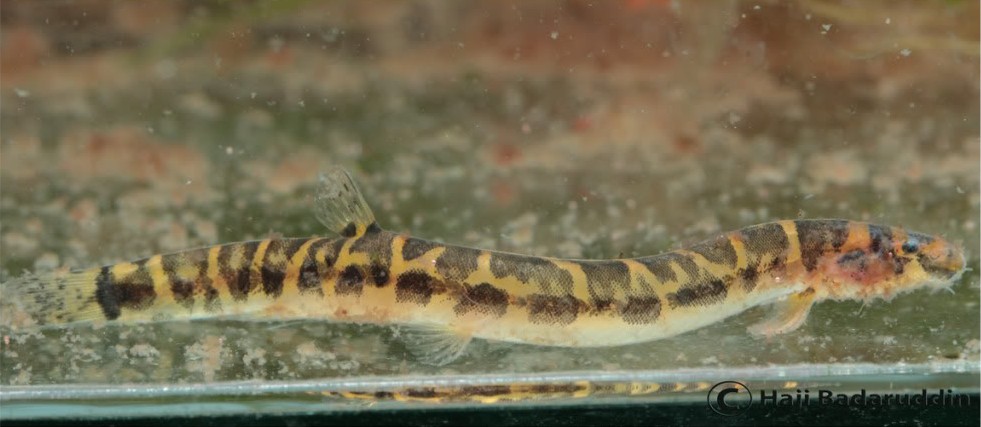
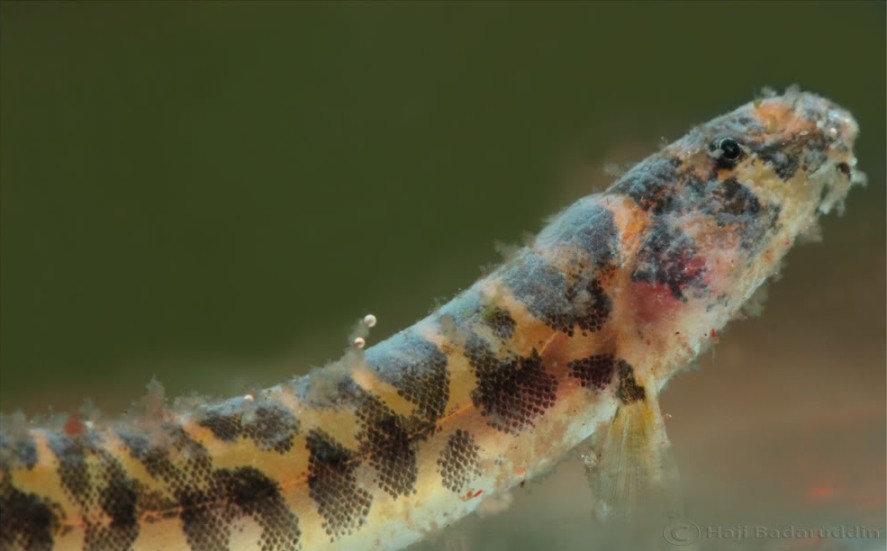
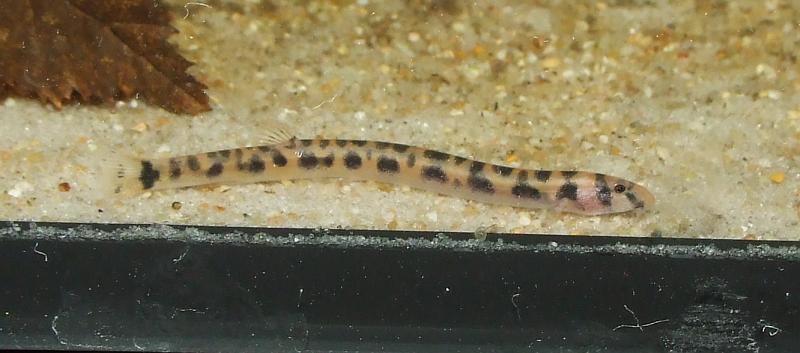
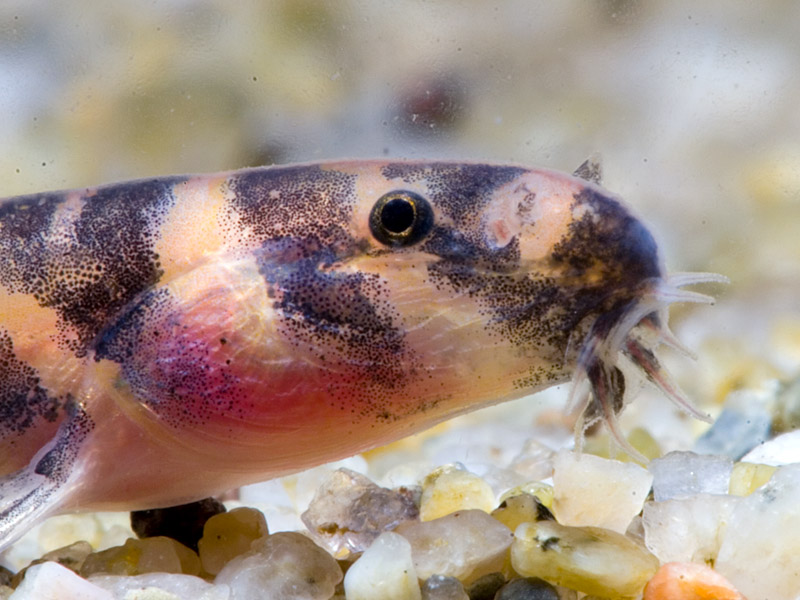
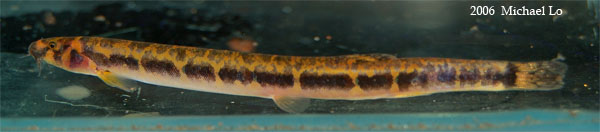
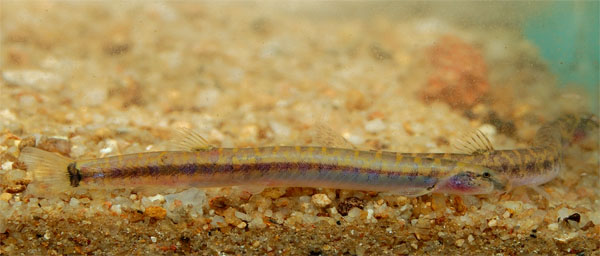
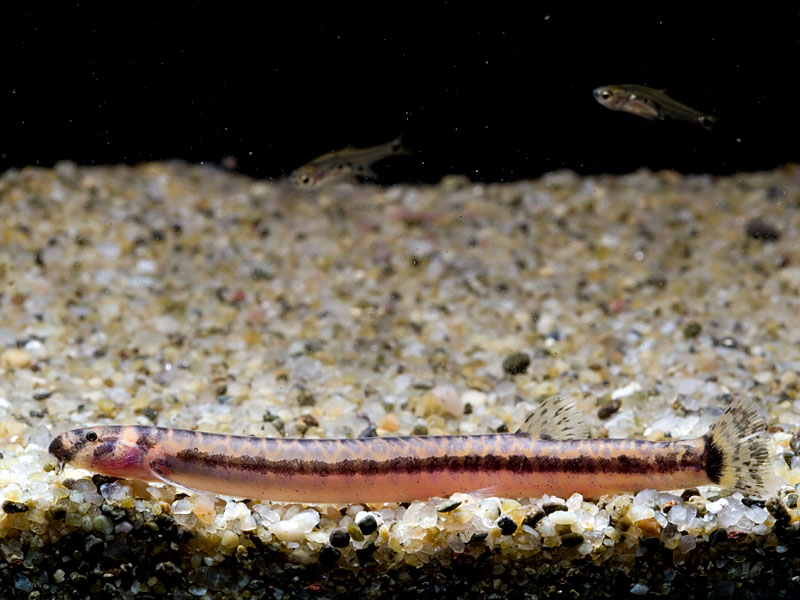
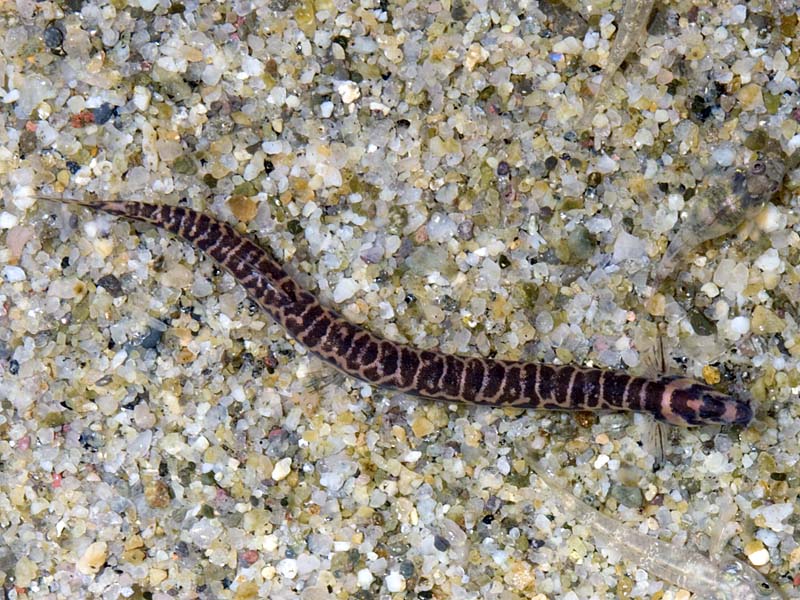
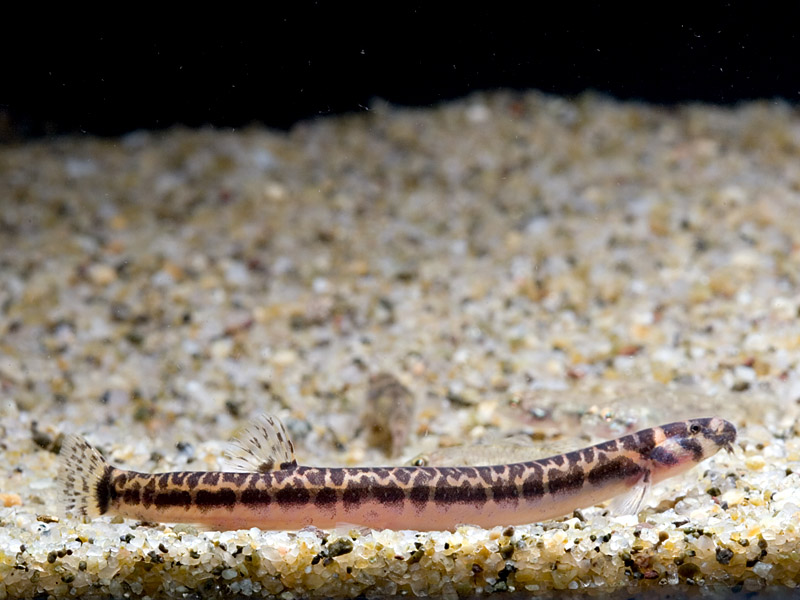
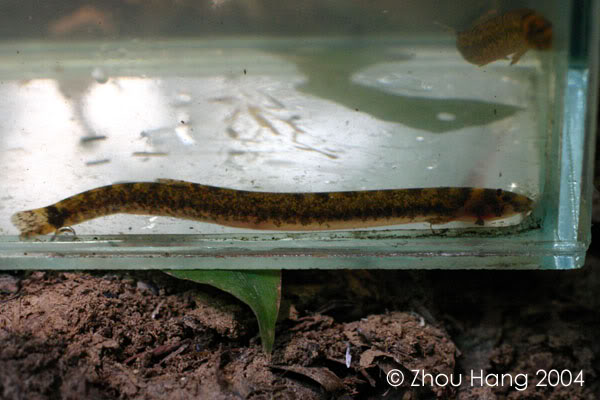
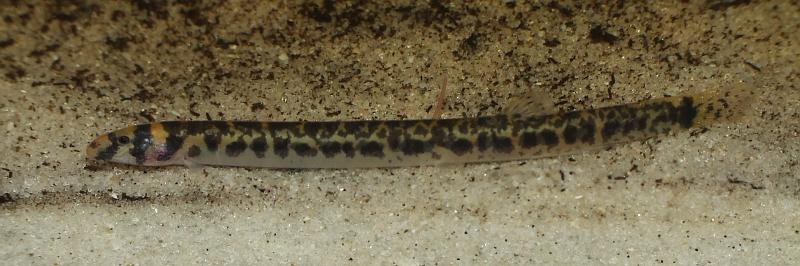
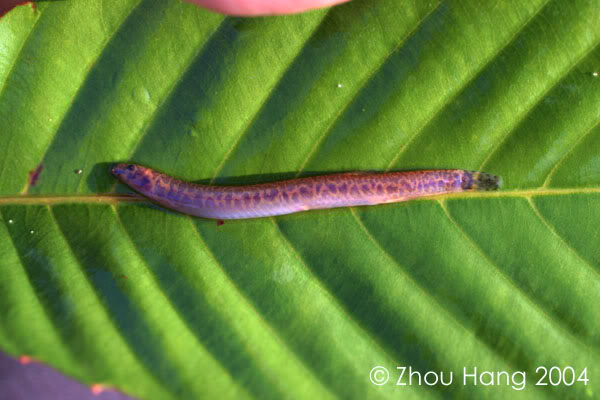
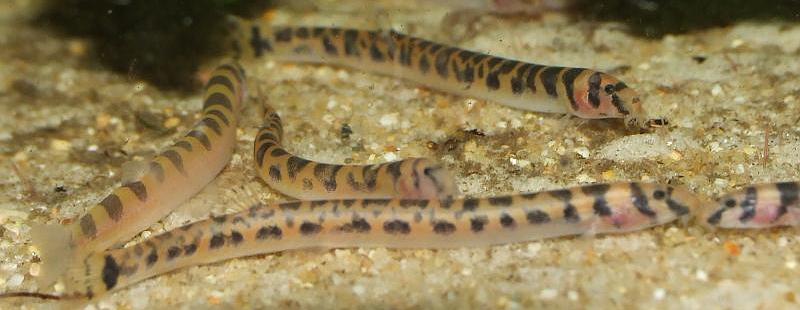
体侧斑块可连成纵带,尾基有暗带,尾鳍呈斑驳状,头部通常有 3 道暗带,下唇中央形成须状结构。新加坡、柔佛的一些鱼背部斑纹细密,登嘉楼鱼更常见鞍斑;邦加岛鱼的侧斑可连成连续暗带,卡普阿斯河不同河段也存在明显花纹差异。
这些差别可能涉及多个尚未厘清的种,不能只按“典型花纹”排除或确认。部分苏门答腊、婆罗洲鱼与椒潘鳅相似,后者图案一般更简单。眼下棘受惊时可勾住鱼网,转移时要注意。
图片
图片来自 SeriouslyFish,版权归各摄影者所有。
English
Overview
Pangio shelfordii shows substantial pattern variation within and between populations. It is occasionally imported alongside other eel loaches. The name currently covers an assemblage that needs further clarification, so a similar color pattern alone does not establish identity.
Distribution & habitat
Records include Terengganu, Pahang, and Johor in Peninsular Malaysia, Singapore, Riau and Jambi in Sumatra, Bangka Island, Sarawak, the Kapuas in West Kalimantan, and the Mahakam in East Kalimantan. Presence in Central Kalimantan remains a possibility rather than a confirmed extension. The type locality near Kuching on the Sarawak River was already under substantial human pressure in the 1990s.
It occupies shallow, slow forest streams, swamps, oxbows, and backwaters, including peat-associated blackwater and clear water with varying staining. Tree cover shades mineral-poor, weakly buffered water over peat, mud, or sand. Leaf accumulations commonly shelter groups of fish.
Aquarium setup
Provide a footprint of at least about 60 × 30 cm and soft sand for burial and substrate feeding. Coarse gravel may cause stress, abrasion, or difficulty feeding. Roots, branches, and dried leaves create shaded retreats, supplemented by low-light plants under subdued illumination.
Keep filtration gentle, with a little surface movement and no strong current. Prevent small fish from entering filter intakes and fit a secure lid. Newly introduced fish are particularly liable to jump or find gaps.
Diet & feeding
It mainly extracts insect larvae, small crustaceans, and similar prey from the substrate. Organic debris and plant matter inside prey may also be ingested. Combine sinking prepared foods with live or frozen Daphnia, Artemia, bloodworms, microworms, and similar items.
Behaviour & compatibility
Eel loaches are generally peaceful, but eggs or fry may be eaten. Keep at least five or six; fish often rest packed together beneath one shelter. Small, quiet companions with matching environmental needs are preferable. Other loaches should be checked for aggression, strong food competition, or territoriality.
Sexual dimorphism
Mature females are usually slightly larger and fuller-bodied. Males develop a branched, thickened first pectoral ray and only slightly longer pectoral fins than females. This differs from the much stronger male fin elongation in Pangio piperata.
Breeding
Aquarium breeding has not been recorded. Seasonal reproduction in nature is a possibility, not a basis for a verified home-spawning procedure.
Notes
Lateral blotches may join into a stripe. Other features include a dark tail-base band, a mottled caudal fin, three head bars, and a barbel-like central lower-lip lobe. Some Singapore and Johor fish show intricate dorsal mottling, whereas Terengganu fish more often have saddles. Bangka fish may carry a continuous dark flank stripe, and upper and lower Kapuas populations also differ in pattern.
These differences may involve unresolved species, making a single “typical” pattern unreliable. Some Sumatran and Bornean fish resemble P. piperata, which generally has simpler markings. Erected spines below the eyes can become entangled in aquarium nets.
来源
- https://www.seriouslyfish.com/species/pangio-shelfordii(抓取于 2026-10-10)
pangio-shelfordii · 文件: data/species/pangio-shelfordii.md · 状态: 草稿