椭圆潘鳅 · Black Kuhli Loach
概要
| 字段 | 值 |
|---|---|
| 类别 | 鱼 |
| 学名 | Pangio oblonga |
| 别名 | 椭鳅、爪哇潘鳅、橢鰍(台湾)、爪哇潘鰍(台湾)、橢圓潘鰍(台湾)、Cobitis oblonga、Acanthophthalmus javanicus、Acantophthalmus javanicus |
| 分类 | 鲤形目 Cypriniformes › 鳅科 Cobitidae › Pangio |
| 水体 | 淡水 |
| 原产地 | 印度尼西亚、马来西亚、泰国 |
| 成体体长 | 8 cm |
| 饲养难度 | 入门 |
| 最小水体 | 54 L |
| 最小缸长 | 60 cm |
| 群居方式 | 群游 |
| 性情 | 温和 |
| 特征 | 会跳缸: 是;翻底砂: 是 |
| 外部数据 | seriouslyfish pangio-oblonga;fishbase 23044 |
| 食性 | 肉食 |
水质参数
| 参数 | 耐受范围 | 最适范围 | 单位 |
|---|---|---|---|
| 水温 | 21–26 | — | °C |
| pH | 3.5–7 | — | — |
| 总硬度 | 0–8 | — | dGH |
概述
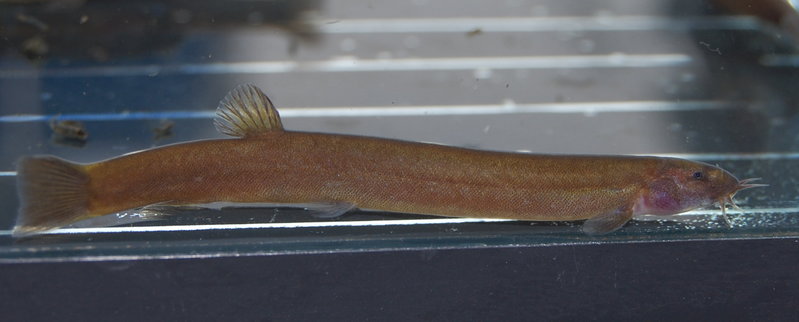
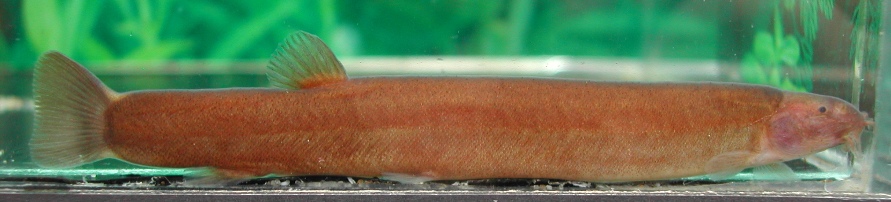
椭圆潘鳅(Pangio oblonga)是较常见的素色潘鳅,体色通常为褐色至红褐色,也以黑色、巧克力或爪哇鳅等商品名流通。这个名称可能包含若干近缘谱系,不能只凭颜色浅深判断身份。
分布与栖息地
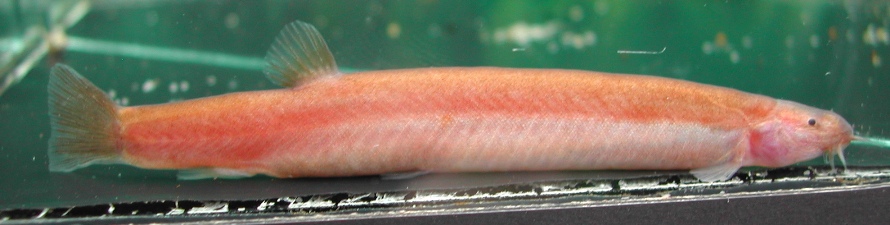
最初描述于印度尼西亚爪哇西部茂物附近,现有记录还包括苏门答腊、婆罗洲、马来半岛及泰国。部分种群颜色较浅或偏粉色,遗传研究已识别至少 4 个谱系,提示其可能是物种复合群。
栖息在浅而缓流的林间溪流、沼泽、牛轭湖与回水区,包括泥炭相关黑水和不同程度着色的清水。树冠提供遮阴,水中矿物质少、缓冲弱,底质可为泥炭、泥或沙,鱼常聚集在落叶堆内。
饲养环境
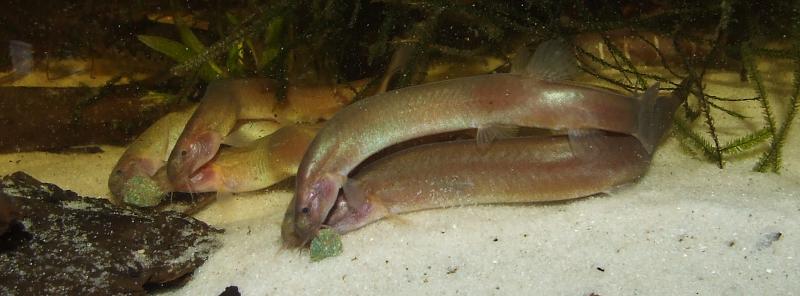
底面积建议至少约 60 × 30 cm,铺柔软沙底,使鱼能正常埋身和筛底觅食。粗砾可能造成应激、受伤或妨碍摄食。用木根、枝条及落叶提供丰富阴影和缝隙,可种耐阴植物,灯光宜柔和。
避免强流,过滤只需有适度水面扰动。保护过滤进水口,并用严密缸盖防止跳出或钻缝,刚入缸时尤其应留意。
食性与喂食
主要从底材中筛取昆虫幼虫和小甲壳动物等,可能连带摄入少量有机碎屑及猎物肠道中的植物成分。可用下沉干粮,配合水蚤、丰年虾、摇蚊幼虫、微虫等活饵或冷冻饵。
习性与混养
性情温和,至少养 5~6 条,休息时常一同挤入一个藏身处。选择体型小、温和且水质要求相近的鱼,可减少争食和干扰。其他沙底鳅类需另查性情,有些竞争性或领地性较强。鱼卵和鱼苗仍可能被吃,因此不能把温和等同于护卵安全。
雌雄区分
成熟雌鱼通常更大、更饱满;雄鱼第一胸鳍条加厚并分枝。
繁殖
至少有一次水族箱内繁殖的记录:饲养者在粗砾底床中发现已长大一些的鱼苗,但未观察到求偶或产卵。这是偶然繁殖,不能据此建立可重复的诱导方案,也不意味着粗砾比沙底更适合日常饲养。
补充说明
本种通常没有鼻须,身体较深。外形相近的 Pangio pangia 相对更修长。素色与条纹潘鳅之间的亲缘关系比单看颜色复杂,仍需结合形态、产地及遗传证据判断。转移时留意能竖起的眼下棘,避免缠网。
图片
图片来自 SeriouslyFish,版权归各摄影者所有。
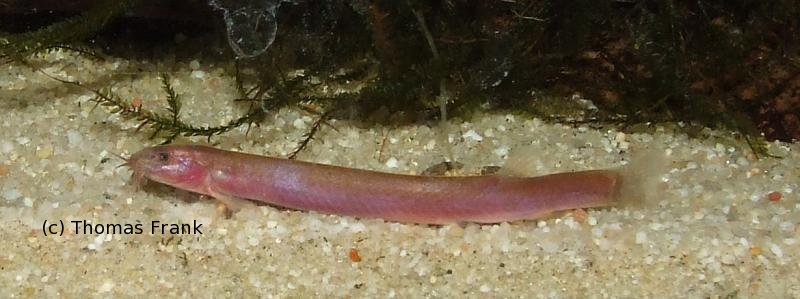
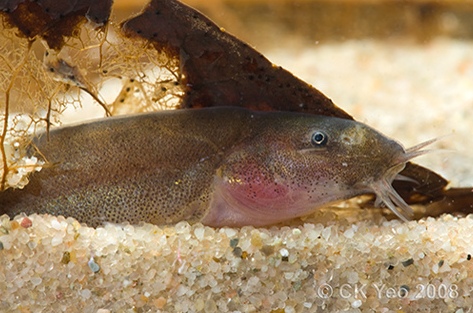
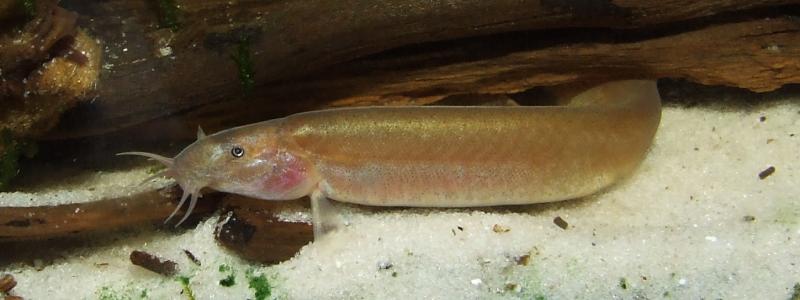
English
Overview
Pangio oblonga, the black kuhli loach, is a commonly available plain-colored eel loach, usually brown to reddish brown. It is also sold under chocolate, cinnamon, or Java loach names. The name may encompass several related lineages, so differences in shade alone do not settle identification.
Distribution & habitat
Originally described near Bogor in western Java, it is also recorded from Sumatra, Borneo, Peninsular Malaysia, and Thailand. Some populations are pale or pinkish. At least four genetic lineages have been identified, suggesting a possible species complex.
It occupies shallow, slow forest streams, swamps, oxbows, and backwaters, including peat-associated blackwater and variably stained clear water. Tree cover shades mineral-poor water with weak buffering. The bottom can consist of peat, mud, or sand, with fish gathering among accumulated leaves.
Aquarium setup
Allow a footprint of at least about 60 × 30 cm. Soft sand permits normal burial and substrate feeding. Coarse gravel can cause stress, injury, and feeding difficulty. Roots, branches, and leaves provide shade and crevices; use subdued lighting and low-light plants if desired.
Avoid strong current. Gentle filtration with some surface movement is appropriate. Guard intakes and close gaps around the lid to prevent jumping or escape, particularly after introduction.
Diet & feeding
It primarily sifts insect larvae, small crustaceans, and similar animals from the bottom. Some organic debris and plant matter inside prey may be taken incidentally. Feed sinking prepared foods together with live or frozen Daphnia, Artemia, bloodworms, microworms, and similar items.
Behaviour & compatibility
Maintain at least five or six of these peaceful loaches; they often crowd into one refuge while resting. Small, gentle companions with matching water requirements reduce competition and disturbance. Other sand-dwelling loaches should be checked for territorial or competitive habits. Eggs and fry may still be eaten, so peaceful behavior does not imply safety for another fish's brood.
Sexual dimorphism
Mature females are generally larger and fuller-bodied. In males, the first pectoral-fin ray becomes thickened and branched.
Breeding
At least one aquarium breeding event has been documented: partly grown fry were found among coarse gravel, without courtship or spawning having been witnessed. This accidental event does not establish a repeatable induction method or show that coarse gravel is better than sand for routine care.
Notes
Nasal barbels are normally absent, and the body is relatively deep. The similar Pangio pangia is comparatively longer and slimmer. Relationships between plain and barred eel loaches are more complex than color alone suggests, making morphology, locality, and genetic evidence useful. Erected spines below the eyes can catch in nets during handling.
来源
- https://www.seriouslyfish.com/species/pangio-oblonga(抓取于 2026-10-10)
pangio-oblonga · 文件: data/species/pangio-oblonga.md · 状态: 草稿