成吉思汗鲨 · Paroon Shark
概要
| 字段 | 值 |
|---|---|
| 类别 | 鱼 |
| 学名 | Pangasius sanitwongsei |
| 别名 | 长丝鲶、短尾鯰、長絲鯰、短尾鲶 |
| 分类 | 鲶形目 Siluriformes › 巨鲶科 Pangasiidae › Pangasius |
| 水体 | 淡水 |
| 成体体长 | 250 cm |
| 饲养难度 | 中等 |
| 外部数据 | seriouslyfish pangasius-sanitwongsei;fishbase 6193 |
| 原产地 | 湄公河流域:中国、泰国、老挝、柬埔寨、越南;以及泰国湄南河流域 |
| 食性 | 杂食 |
水质参数
| 参数 | 耐受范围 | 最适范围 | 单位 |
|---|---|---|---|
| 水温 | 24–27 | — | °C |
| pH | 6.5–7.5 | — | — |
概述
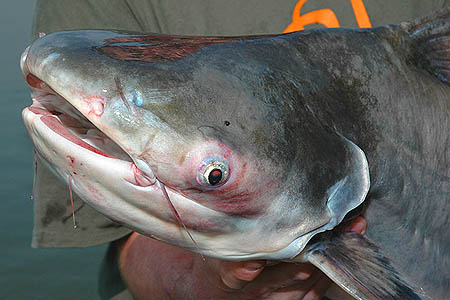
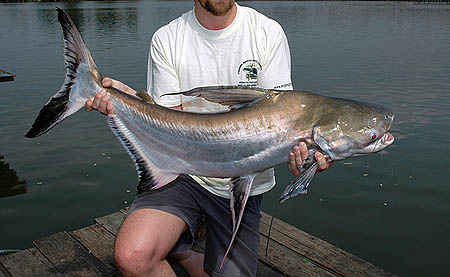
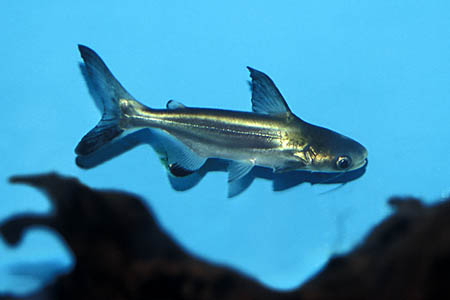
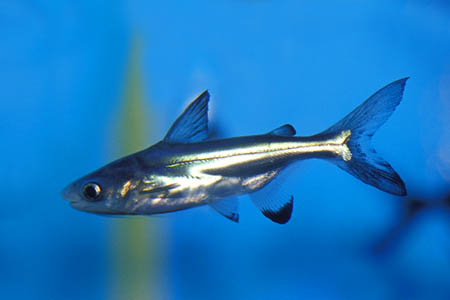
成吉思汗鲨(Pangasius sanitwongsei)是体形巨大的鲶鱼,幼鱼高耸的鳍和银色外观容易吸引购买,但完全不适合家庭水族箱。幼年容易买到,与成年能否妥善饲养是两回事,不能把商品名里的“鲨”当成一种小型观赏鱼类别。
分布与栖息地
原生于湄公河流域,涉及中国、泰国、老挝、柬埔寨和越南,也见于泰国湄南河。活动于江河干流和大型支流的开阔水域。
观赏贸易中的个体大多来自商业养殖场,人工繁育并不改变其成年体形和江河生活方式。
饲养环境
游动活跃,受限空间会使它容易惊慌,冲撞缸壁和装饰物而受伤。成鱼终身所需设施甚至超出多数公共水族馆的容纳能力,普通家庭缸无论怎样调整布置,都不是合适安排。
它不是会随缸尺寸自动停止生长的鱼,也不能把先买幼鱼、长大后再找接手者当作可靠饲养方案。成年安置问题必须在购买前判断,而本种不应作为家庭观赏鱼选购。
食性与喂食
属于杂食鱼,但以动物性食物为主。其食性不能被简化为纯植食,也不应因幼鱼体形小就按小型温和鱼的食量与长期需求理解。
雌雄区分
成熟雌鱼腹部比雄鱼更圆,幼鱼的销售外形不适合作为判断成熟体形或繁殖条件的依据。
繁殖
野外会在春末至夏季向上游迁移产卵。巨大成鱼及迁移所需空间,使家庭水族箱繁殖不现实。
食用鱼生产可在巨型养殖池塘中进行人工繁殖,观赏幼鱼据称也来自同类养殖场。这种规模下的商业繁育,不能直接转用为家庭繁殖方案。
补充说明
可生活二十年甚至更久,拥有一条意味着极长的设施承诺。成年后找其他玩家或公共水族馆接收并无保证,不能依赖这种退路。
贸易中还有短身品系,虽比正常体形小,仍不能因此认定适合普通鱼缸。挑选鱼时应按确切物种和正常成年需求判断,不要只看幼鱼外形或“高鳍鲨”等商品标签。
图片
图片来自 SeriouslyFish,版权归各摄影者所有。
English
Overview
Pangasius sanitwongsei, often sold as the paroon shark, is a giant catfish wholly unsuitable for home aquariums. The silver body and prominent fins of juveniles can hide the scale of the eventual commitment. Availability as a small ornamental fish says nothing about whether an adult can be housed properly.
Distribution & habitat
Its native waters include the Mekong drainage in China, Thailand, Laos, Cambodia, and Vietnam, plus the Chao Phraya in Thailand. It occupies open water in main river channels and large tributaries.
Most ornamental specimens originate from commercial farms. Breeding in captivity does not remove the adult fish's size or riverine requirements.
Aquarium setup
An energetic swimmer, it becomes nervous in confined quarters and can injure itself by striking glass or decorations. Suitable lifelong accommodation can exceed what many public aquariums can provide. Rearranging a household tank does not solve this fundamental limitation.
It will not safely limit its growth to the space available. Purchasing a youngster and searching for someone to take it later is not a dependable care plan. Adult accommodation has to be considered before purchase, and this species should not be selected for home keeping.
Diet & feeding
It is omnivorous, with animal food forming the main component. It should neither be regarded as an exclusive plant eater nor assessed according to the modest appearance and demands of a tiny juvenile.
Sexual dimorphism
Mature females have a more rounded abdomen than males. The appearance of sale-sized juveniles does not indicate the eventual dimensions or facilities needed by breeding adults.
Breeding
Wild populations migrate upstream for reproduction during late spring and summer. The combination of migration and immense mature size makes household aquarium breeding unrealistic.
Commercial food production uses very large ponds, and ornamental juveniles apparently come from the same kind of farms. Success under those conditions is not evidence for a workable home breeding method.
Notes
A lifespan of around two decades or more makes ownership a lengthy commitment. Neither another hobbyist nor a public aquarium can be assumed to provide a future home for an oversized fish.
Short-bodied forms are also marketed. Reduced size compared with the normal form does not establish suitability for a conventional tank. Identify the species and assess adult requirements instead of relying on juvenile appearance or high-fin shark trade names.
来源
- https://www.seriouslyfish.com/species/pangasius-sanitwongsei(抓取于 2026-10-10)
pangasius-sanitwongsei · 文件: data/species/pangasius-sanitwongsei.md · 状态: 草稿