蓝鲨 · Iridescent Shark Catfish
概要
| 字段 | 值 |
|---|---|
| 类别 | 鱼 |
| 学名 | Pangasianodon hypophthalmus |
| 别名 | 低眼无齿、低眼鲶、苏氏鲶、低眼無齒、低眼鯰、蘇氏鯰、Pangasionodon hypophthalmus、苏氏 |
| 分类 | 鲶形目 Siluriformes › 巨鲶科 Pangasiidae › Pangasianodon |
| 水体 | 淡水 |
| 成体体长 | 130 cm |
| 饲养难度 | 困难 |
| 群居方式 | 群游 |
| 外部数据 | seriouslyfish pangasianodon-hypophthalmus;fishbase 14154 |
| 原产地 | 湄公河流域的泰国、老挝、柬埔寨、越南,以及泰国湄南河流域 |
| 食性 | 杂食 |
| 性情 | 温和 |
| 特征 | 会跳缸: 是 |
水质参数
| 参数 | 耐受范围 | 最适范围 | 单位 |
|---|---|---|---|
| 水温 | 22–26 | — | °C |
| pH | 6.5–7.5 | — | — |
概述
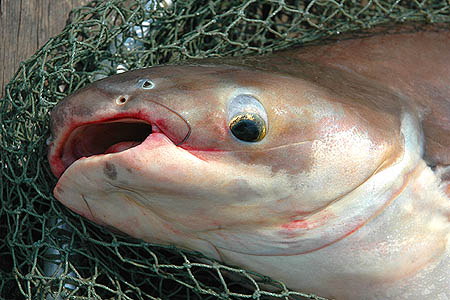
蓝鲨(Pangasianodon hypophthalmus)是鲶鱼,幼鱼银蓝色、游动活跃,常以很小的体形出售。它会长得极大,可生活二十年甚至更久,长期饲养需要预先具备巨型设施,不能按幼鱼尺寸规划普通混养缸。
分布与栖息地
原生于泰国、老挝、柬埔寨和越南的湄公河流域,也见于泰国湄南河。生活在江河干流及较大的支流开阔水域。
贸易中的鱼多数来自大规模人工繁育,在原生地区也作为食用鱼养殖;人工来源不会改变成鱼的空间需求。
饲养环境
活跃而容易受惊,空间不足时可能冲撞玻璃或装饰物。单条长期饲养所需设施至少约 450 × 180 × 180 cm,群养需要更大,幼鱼过渡缸不能替代成鱼安置。
采用较暗照明,并尽量留出完整游动空间。大型沉木、枝条或光滑岩石可以加入,但必须固定牢靠或重到不会被撞动。水流和充足溶氧很重要,过滤系统要承担大量排泄物,采用底滤可将多数设备移至缸外,避免加热棒、温度计等被撞坏。
鱼受惊时偶尔会跃出水面,缸盖须足够牢固、沉重。
食性与喂食
属于杂食鱼,幼鱼生长阶段需要较多蛋白质,可轮换切碎蚯蚓、红虫及颗粒饲料。长大后逐渐提高植物性食物比例,如菠菜、豌豆和含螺旋藻饲料,偶尔也可提供少量水果。
习性与混养
本身不具攻击性,但很小的鱼可能被吞食。持续游动会打扰安静或胆小的伙伴,自身又容易被凶猛、过于闹腾的鱼压制。伙伴须体形足够大、性情温和,并与整个巨型饲养系统相适应。
自然有群居习性,成群饲养可减少惊慌;所需空间也随群体显著增加,不能用拥挤群养解决紧迫。
雌雄区分
据称成熟雌鱼体形更厚实、纹路较浅,但常见销售尺寸的幼鱼无法凭这些特征分辨。
繁殖
野外在春末至夏季向上游迁移繁殖,家庭缸难以复制这种条件,性成熟鱼的巨大体形也构成限制。商业繁育是在大型养殖池塘中进行,不能据此认为家养繁殖容易。
补充说明
鱼不会自动按缸大小停止生长。购买前就应落实终身容纳方案,不宜把以后换大缸、送给其他玩家或公共水族馆当作必然可行的安排。
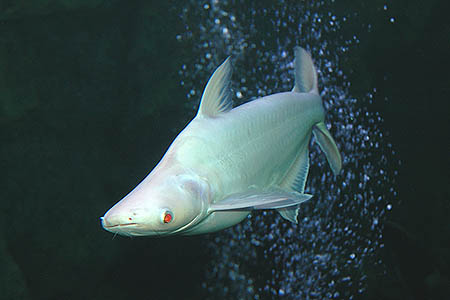
市场有白化及短身品系,短身个体虽较小,也不意味着适合普通家庭混养缸。
图片
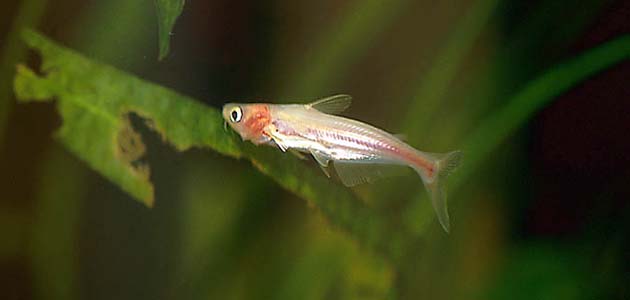
图片来自 SeriouslyFish,版权归各摄影者所有。
English
Overview
The iridescent shark catfish, Pangasianodon hypophthalmus, is commonly sold as a small, attractive silver-blue juvenile. Its future is very different: it becomes enormous and may live for two decades or longer. Lifelong facilities must already be realistic before purchase; a juvenile community tank is not a long-term plan.
Distribution & habitat
It is native to the Mekong drainage in Thailand, Laos, Cambodia, and Vietnam, as well as Thailand's Chao Phraya system. Main river channels and major tributaries provide its open-water habitat.
Most ornamental specimens come from commercial breeding, and the species is also farmed for food. Captive origin does not reduce adult space requirements.
Aquarium setup
An active but nervous swimmer, it can injure itself against glass or furnishings when cramped. Even one fish needs accommodation around 450 × 180 × 180 cm at minimum for long-term care; a group requires considerably more. Smaller nursery tanks are only temporary.
Subdued lighting and generous uninterrupted swimming space take priority. Optional large pieces of wood, branches, or smooth rock must be immovable or securely anchored. Provide flowing, oxygen-rich water and substantial biological filtration for the heavy waste load. A sump helps keep equipment beyond reach, since large fish can break exposed heaters and thermometers.
A heavy, secure cover is essential: frightened individuals sometimes break the surface and jump.
Diet & feeding
This omnivore needs a protein-rich component while young. Chopped earthworms, bloodworms, and pellets provide variety. Increase plant material as it matures, using foods such as spinach, peas, and spirulina-based preparations, with occasional fruit.
Behaviour & compatibility
It is not aggressive, although very small companions are likely to be swallowed. Constant activity can disturb quiet or timid fishes, while forceful, boisterous tankmates can intimidate the catfish itself. Companions should be large, peaceful, and suitable for the complete giant-fish installation.
It naturally forms shoals and is less nervous among conspecifics. That social benefit requires a correspondingly enormous enclosure, rather than crowding several fish into inadequate space.
Sexual dimorphism
Females are said to be stockier with paler markings. These distinctions cannot reliably separate the sexes in the small juveniles normally offered for sale.
Breeding
Seasonal upriver migration precedes reproduction in late spring and summer. Adult size and migratory requirements make home breeding unrealistic. Commercial production takes place in large ponds and does not demonstrate aquarium suitability.
Notes
Restricted tank dimensions do not harmlessly stop growth. Secure lifelong accommodation before buying; future upgrades or donation to another keeper or public aquarium cannot be assumed.
Albino and shortened-body strains occur in the trade. A smaller short-bodied form still should not be treated as an ordinary community aquarium fish.
来源
ID:pangasianodon-hypophthalmus · 文件: data/species/pangasianodon-hypophthalmus.md · 状态: 草稿