湄公河巨鲶 · Giant Mekong Catfish
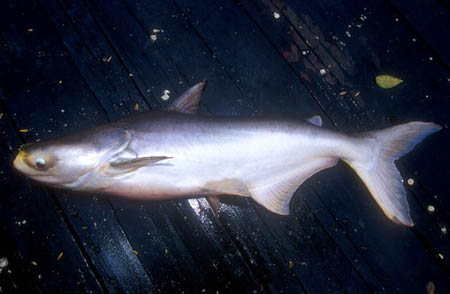
概要
| 字段 | 值 |
|---|---|
| 类别 | 鱼 |
| 学名 | Pangasianodon gigas |
| 别名 | 巨无齿、巨鯰、巨無齒、巨鲶 |
| 分类 | 鲶形目 Siluriformes › 巨鲶科 Pangasiidae › Pangasianodon |
| 水体 | 淡水 |
| 成体体长 | 300 cm |
| 饲养难度 | 中等 |
| 外部数据 | seriouslyfish pangasianodon-gigas;fishbase 6192 |
| 原产地 | 湄公河流域:中国、泰国、老挝、柬埔寨、越南 |
| 食性 | 草食 |
| 特征 | 吃小鱼: 是 |
水质参数
| 参数 | 耐受范围 | 最适范围 | 单位 |
|---|---|---|---|
| 水温 | 20–28 | — | °C |
| pH | 6.5–7.5 | — | — |
概述
湄公河巨鲶(Pangasianodon gigas)是体形极大的江河鲶鱼,成鱼需要广阔开水域,完全不适合家庭水族箱。不能因为幼鱼暂时能放进缸里,就把它当作可长期饲养的观赏鱼;即使大型公共水族馆,也未必具备终身容纳它的条件。
分布与栖息地
原生于湄公河流域,涉及中国、泰国、老挝、柬埔寨和越南。生活在干流及较大的支流,以开阔水域为活动空间。
自然河流受年度洪水影响,水质会随季节变化;这种季节变化并不能代替足够空间等根本条件。
饲养环境
游动活跃,狭窄环境下容易受惊,冲撞缸壁和装饰物而受伤。它的限制远超常规家用鱼缸的尺寸与布置问题,不应以调好温度、酸碱度就认定能够饲养。
成鱼所需长期空间甚至超出多数公共水族馆的承载能力,不能将日后送去水族馆当作购买幼鱼后的安置方案。
食性与喂食
食性以植物性食物为主,也会摄食小鱼和甲壳类。因此,“主要植食”不等于完全不吃动物,也不能据此把小型鱼视为安全伙伴。
雌雄区分
成熟雌鱼腹部可能比雄鱼更圆,只有倾向性参考价值,不能用于可靠鉴别幼鱼。
繁殖
野外会在春末至夏季向上游迁移繁殖。普通水族箱内没有成功繁殖记录,大规模人工繁育是在养殖场等条件下完成。
其原生国家曾开展以恢复野外种群为目标的人工繁育及放流项目,这是保护工作的背景,不是家庭缸可复制的繁殖方法。
补充说明
不可持续捕捞、筑坝和栖息地破坏是历史上种群严重衰退的重要压力。它的巨大体形和保护需求,都不支持将其作为家庭观赏鱼选购。
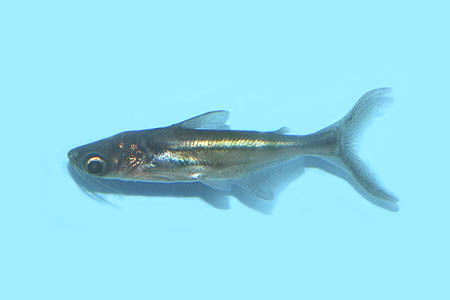
同属成鱼牙齿缺失、须显著退化,是分类识别中的特征;不应凭幼鱼的外形或体形小就推断成年饲养需求。
图片
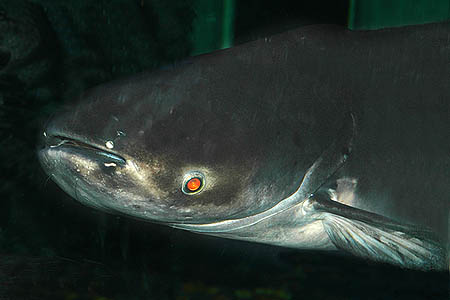
图片来自 SeriouslyFish,版权归各摄影者所有。
English
Overview
The Mekong giant catfish, Pangasianodon gigas, requires expansive river-like accommodation as an adult. It is wholly inappropriate for a home aquarium. The ability to fit a juvenile into a tank says little about lifelong suitability, and even a major public aquarium may lack the facilities it needs.
Distribution & habitat
Its native range is the Mekong drainage, including China, Thailand, Laos, Cambodia, and Vietnam. It occupies open water in the main channel and substantial tributaries.
Annual flooding produces seasonal variation in river conditions. Tolerance of that variation does not remove the fundamental requirement for adequate space.
Aquarium setup
This active fish becomes nervous when confined. Collisions with glass or furnishings can cause injury, so the problem extends well beyond choosing decorations or maintaining the listed water parameters.
Long-term accommodation can exceed the capacity of many public aquariums. Buying a juvenile with the expectation of donating it later is therefore not a workable housing plan.
Diet & feeding
Plant material dominates its diet, but it also consumes smaller fishes and crustaceans. Predominantly herbivorous feeding does not mean exclusive herbivory, nor does it make small fishes safe companions.
Sexual dimorphism
Mature females may have a fuller abdominal profile than males. This is a tentative distinction and offers no dependable way to identify the sex of juveniles.
Breeding
Wild fish migrate upriver to reproduce from late spring into summer. Aquarium spawning has not been achieved, whereas fish farms have produced substantial numbers under much larger-scale conditions.
Conservation breeding and release projects have been undertaken within its native range to support depleted wild populations. These are a conservation context, not a protocol that can be reproduced in a household tank.
Notes
Unsustainable harvest, dams, and habitat destruction have contributed to severe historical population decline. Both its conservation needs and its eventual size argue against selecting it as an ornamental fish.
Adult members of its genus have greatly reduced barbels and lack teeth, features used in distinguishing the group. The appearance and small size of juveniles should never be mistaken for evidence of modest adult requirements.
来源
- https://www.seriouslyfish.com/species/pangasianodon-gigas(抓取于 2026-10-10)
pangasianodon-gigas · 文件: data/species/pangasianodon-gigas.md · 状态: 草稿