萨氏粗背鮰 · Madagascar Panchax
概要
| 字段 | 值 |
|---|---|
| 类别 | 鱼 |
| 学名 | Pachypanchax sakaramyi |
| 别名 | 薩氏粗背鮰 |
| 分类 | 鳉形目 Cyprinodontiformes › 单唇鳉科 Aplocheilidae › Pachypanchax |
| 水体 | 淡水 |
| 原产地 | 马达加斯加 |
| 成体体长 | 9 cm |
| 饲养难度 | 中等 |
| 最小水体 | 81 L |
| 最小缸长 | 90 cm |
| 群居方式 | 群游 |
| 性情 | 温和 |
| 外部数据 | seriouslyfish pachypanchax-sakaramyi;fishbase 11855 |
| 食性 | 肉食 |
| 繁殖方式 | 产卵 |
水质参数
| 参数 | 耐受范围 | 最适范围 | 单位 |
|---|---|---|---|
| 水温 | 20–24 | — | °C |
| pH | 6.5–7.5 | — | — |
| 总硬度 | 2–12 | — | dGH |
概述
萨氏粗背鮰(Pachypanchax sakaramyi)来自马达加斯加北部山地溪流。野外种群因外来鱼、森林破坏和水源改道而大幅缩减,人工环境中却已有繁殖群体;饲养时适合关注单种保存、足够躲藏处与后代管理。
分布与栖息地
原分布围绕安博希特拉山体北侧和东侧,已知河流种群集中在萨卡拉米河一小段及邻近安通贡巴托河上游。低地火山口湖和山体南坡的部分记录仍需核实。
天然溪流坡度较大,急流间穿插较深静水潭,鱼在两处都见到,但静水潭更多。水清澈,底部为裸岩、圆卵石、大石和浸水枝条;幼鱼偏岸边浅水,成鱼在较深区域。部分地点有水生植物,萨卡拉米河的调查地点则未见。
饲养环境
鱼缸底面至少参考 90 × 30 厘米,群养时提供足够遮蔽,让相遇争斗的雄鱼能够分开。布置可参考天然石块与浸水枝条;本种在溪流静水潭也常见,不必把整个缸都设成无处回避的急流。
食性与喂食
野外观察到它捕食落在水面的陆生昆虫,也取食底部水生无脊椎动物。人工饲养通常接受优质干饲料和活冷冻饵,可搭配蚯蚓、红虫、颤蚓与水蚤;无翅果蝇和小蟋蟀先喂饱再用,能补充不同食物。
习性与混养
整体相对温和,但明显小于它的鱼仍可能成为猎物。更适合单种饲养,群养需足够躲藏处。雄鱼常互相争斗,严重损伤较少见,仍应关注是否有个体一直被逼在角落。
雌雄区分
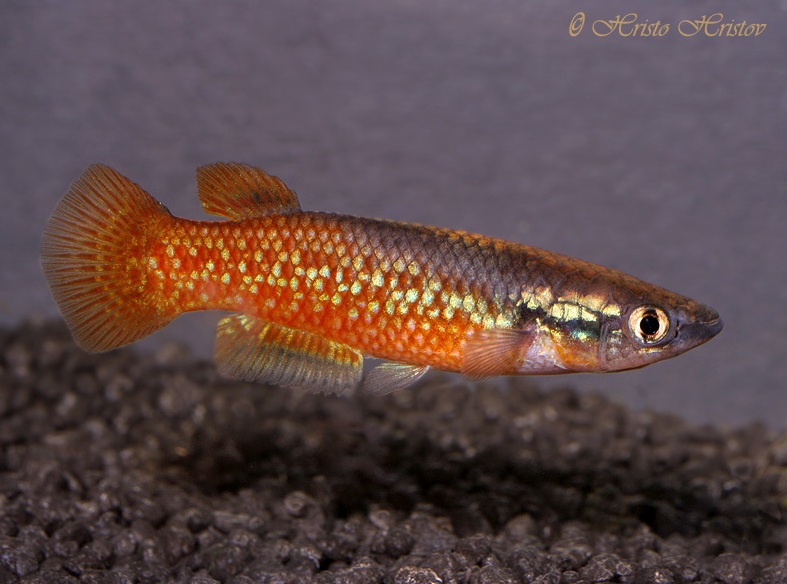
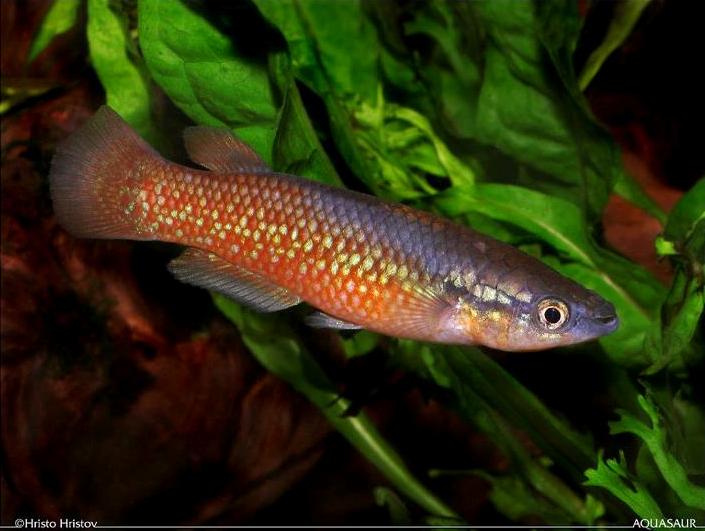
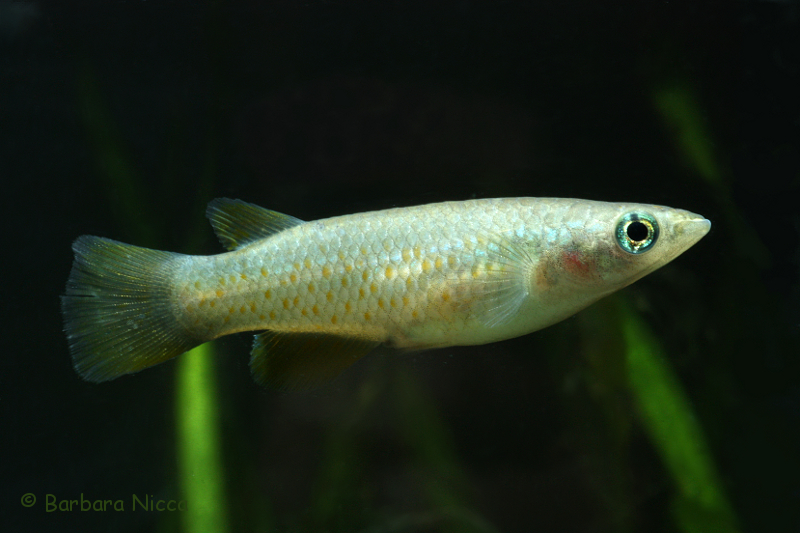
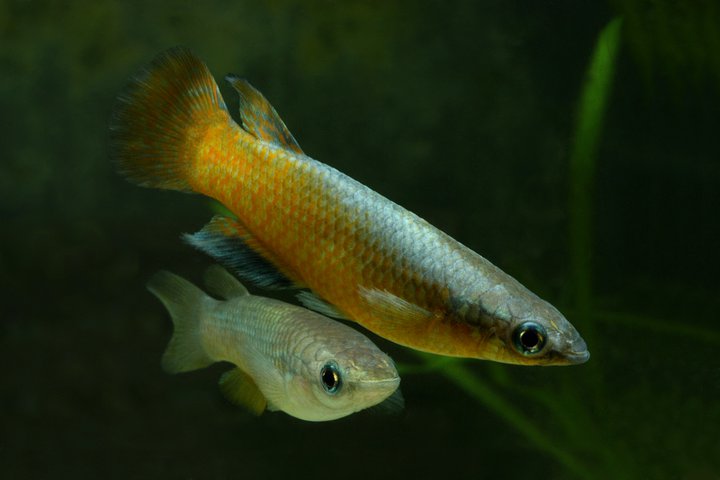
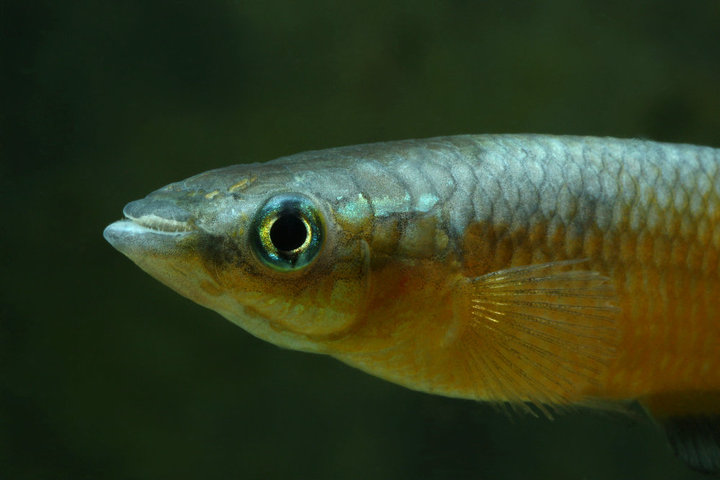
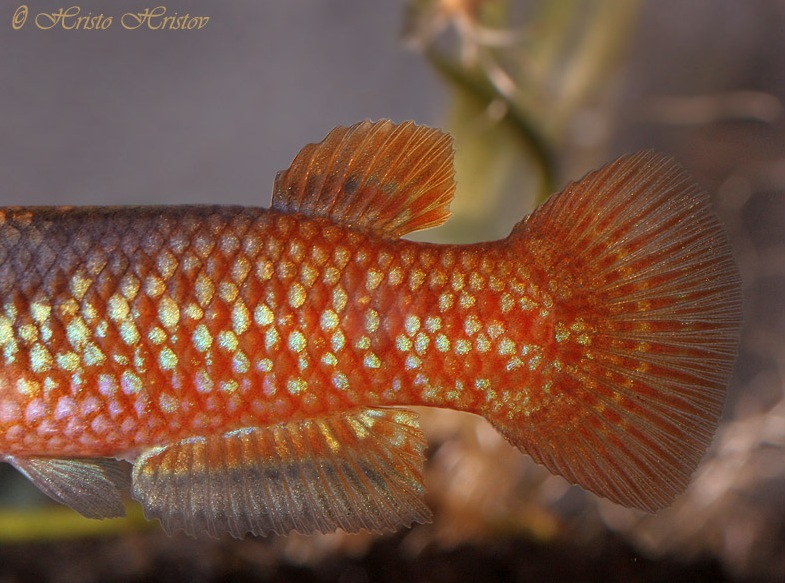
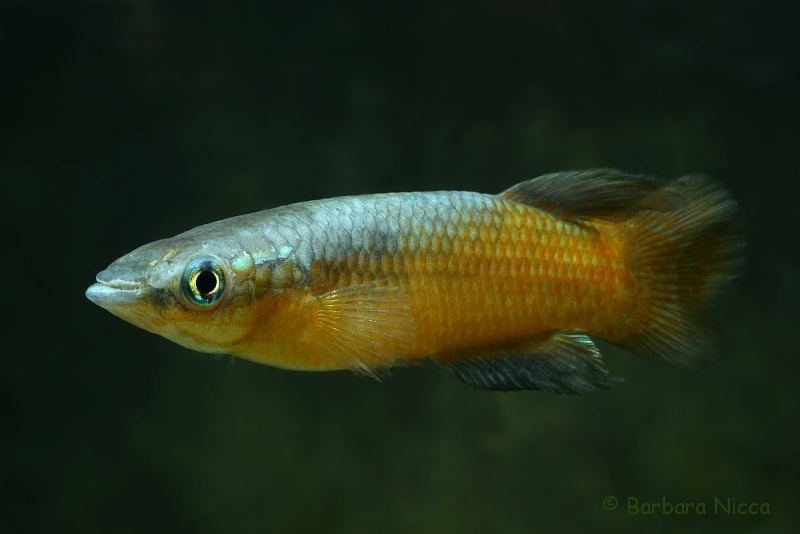
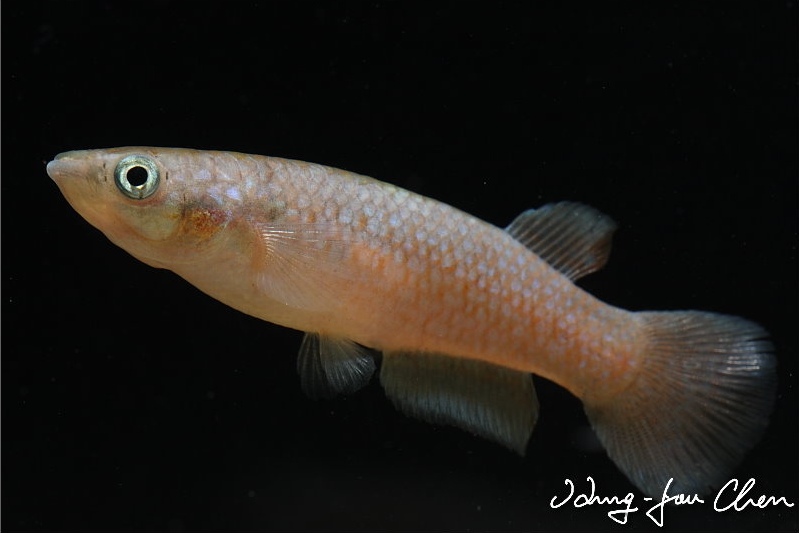
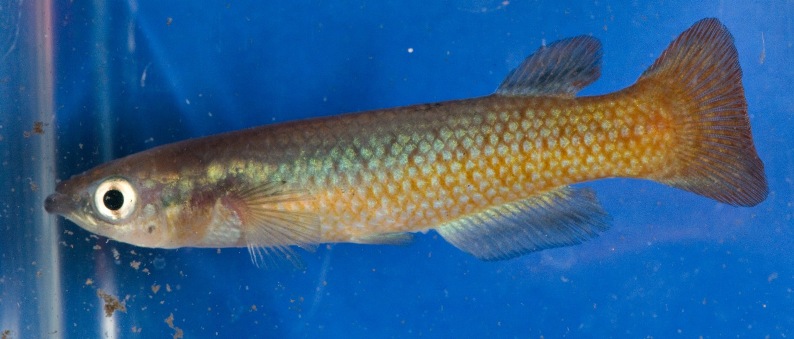
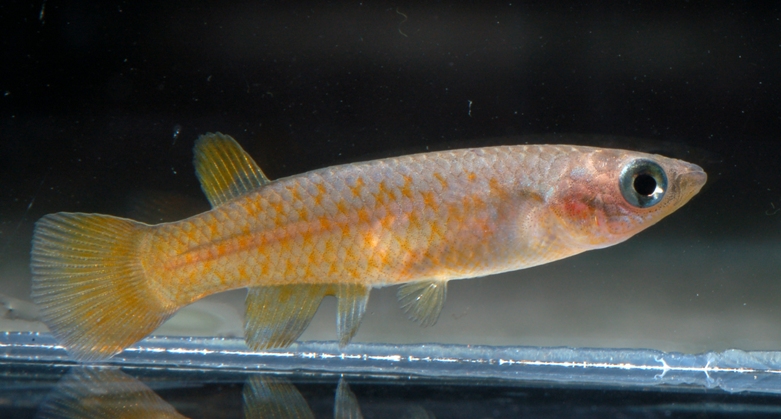
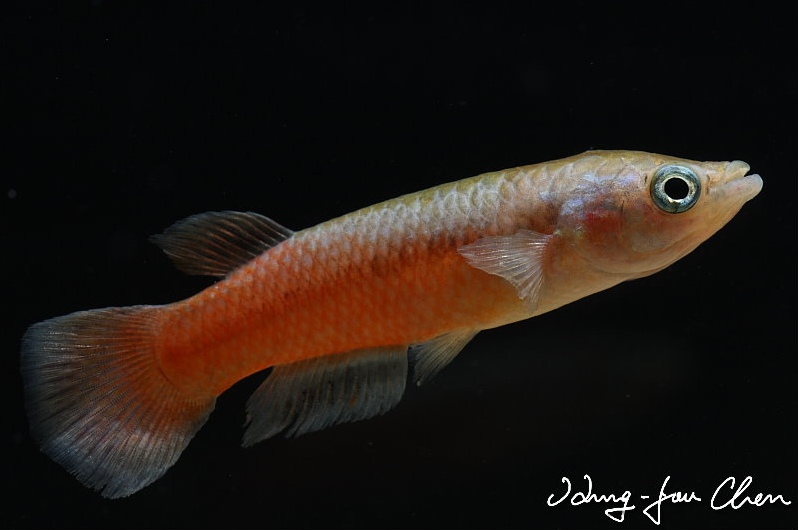
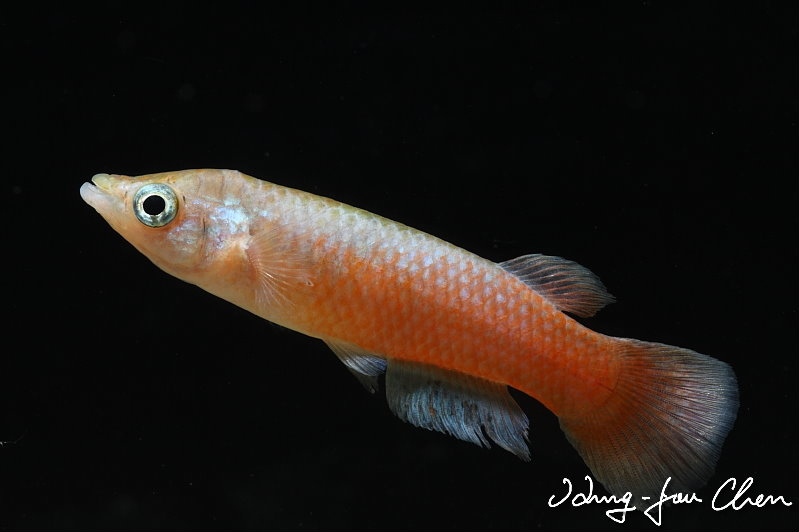
雄鱼体形更大,成熟后鳍更延长、颜色更鲜明。本种雄鱼背部没有粗背鮰那样翘起的鳞片;较大雌鱼背鳍基部可能有模糊暗区,但没有清晰的黑色眼斑。
繁殖
条件合适时较容易繁殖,在活植物、莫丝和人工拖把间产卵。可采用群体繁殖,布置足够复杂时部分幼鱼可能躲过成鱼捕食;也可把卵或整份产卵材料取出,放到独立容器孵化,便于管理。
图片
图片来自 SeriouslyFish,版权归各摄影者所有。
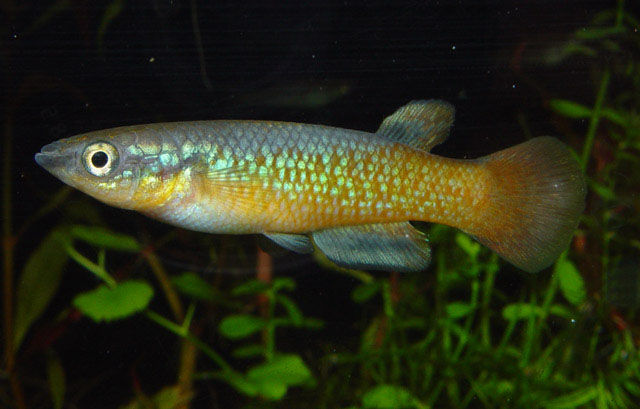
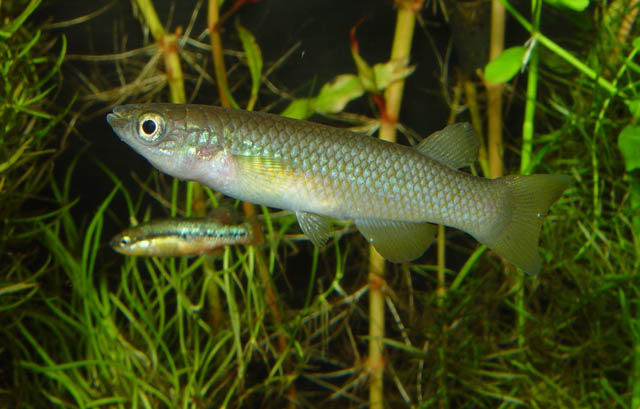
English
Overview
From mountain streams in northern Madagascar, Pachypanchax sakaramyi has lost much of its wild range through introduced fish, forest damage, and water diversion. Captive populations are nevertheless established. Species-focused housing, refuges, and deliberate management of offspring are useful priorities.
Distribution & habitat
The former range extended around the northern and eastern Ambohitra Massif. Known river populations are concentrated in a short Sakaramy reach and the upper Antongombato. Some crater-lake and southern-slope reports remain unverified.
Clear, steep streams alternate fast sections with deeper quiet pools, where fish are more abundant. Bedrock, rounded cobbles, boulders, and submerged branches form the habitat. Juveniles use shallow margins and adults deeper water. Aquatic plants occur at some sites but were absent from surveyed Sakaramy habitat.
Aquarium setup
A footprint of at least 90 by 30 cm is suggested. Give groups enough retreats for males to disengage after encounters. Rocks and submerged wood reflect native habitat. Since quiet pools are used heavily in nature, fish should also have refuge from fast-flowing areas.
Diet & feeding
Wild feeding observations include stranded terrestrial insects at the surface and bottom-dwelling aquatic invertebrates. Captive fish readily accept quality dry food as well as live or frozen worms and daphnia. Well-fed wingless fruit flies or small crickets add variety.
Behaviour & compatibility
It is relatively peaceful, but much smaller fish may be treated as prey. A species-only group with adequate refuges is preferable. Males regularly dispute with rivals, usually without serious damage; monitor whether an individual is persistently excluded.
Sexual dimorphism
Males grow larger, develop longer fins, and show stronger color. They lack the raised dorsal scales characteristic of the related Seychelles species. Large females may have a diffuse dark area near the dorsal-fin base, without a distinct black eyespot.
Breeding
Eggs are laid among plants, moss, or artificial mops when conditions are suitable. Groups can breed in place, with some fry surviving among dense cover. Removing eggs or their spawning material to a separate incubation container offers another way to manage the offspring.
来源
- https://www.seriouslyfish.com/species/pachypanchax-sakaramyi(抓取于 2026-10-10)
pachypanchax-sakaramyi · 文件: data/species/pachypanchax-sakaramyi.md · 状态: 草稿