Pachypanchax omalonotus · Powder-blue Panchax
概要
| 字段 | 值 |
|---|---|
| 类别 | 鱼 |
| 学名 | Pachypanchax omalonotus |
| 别名 | Poecilia omalonota、Poecilia nuchimaculata、Pachypanchax homalonotus |
| 分类 | 鳉形目 Cyprinodontiformes › 单唇鳉科 Aplocheilidae › Pachypanchax |
| 水体 | 淡水 |
| 成体体长 | 9 cm |
| 饲养难度 | 中等 |
| 最小水体 | 81 L |
| 最小缸长 | 90 cm |
| 群居方式 | 群游 |
| 性情 | 温和 |
| 外部数据 | seriouslyfish pachypanchax-omalonotus;fishbase 9877 |
| 原产地 | 马达加斯加西北部诺西贝岛及邻近大陆桑比拉诺河一带 |
| 繁殖方式 | 产卵 |
水质参数
| 参数 | 耐受范围 | 最适范围 | 单位 |
|---|---|---|---|
| 水温 | 20–28 | — | °C |
| pH | 6–7.5 | — | — |
| 总硬度 | 2–15 | — | dGH |
概述
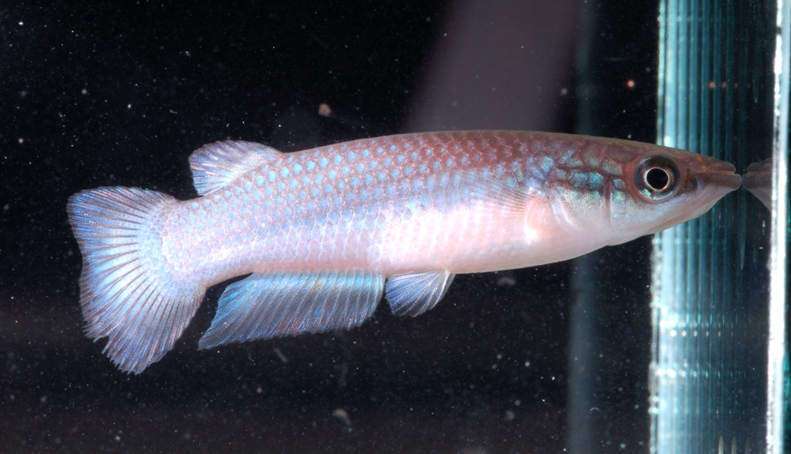
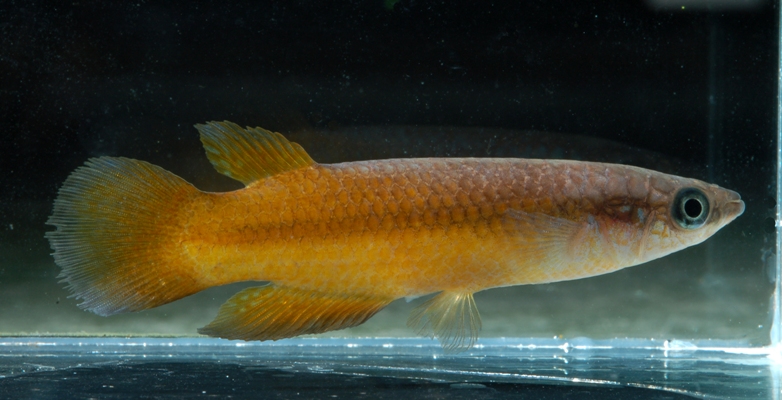
Pachypanchax omalonotus 的雄鱼可有黄、红、蓝等色型,颜色会随种群而异。同名贸易鱼曾大量混入另一近似种,保留明确来源和纯系繁殖记录比单看色彩更重要。
分布与栖息地
局限于马达加斯加西北部诺西贝岛、邻近大陆桑比拉诺河流域及安基菲半岛一些小溪。岛上主要生活在林荫下的小型淡水溪流中上游,底部有石、卵石或砂,不见于岛上火山口湖及沿海汽水区。
大陆种群也利用林荫溪流和泛滥湖沼泽。拉梅纳河高地种群体形及鳞片特征有差异,目前在相关研究中只被暂归本种。
食性与喂食
野生鱼排泄物中的水生、陆生昆虫提示可能兼在水面和底部觅食。人工接受优质干粮及多种活饵、冷冻饵,可轮换蚯蚓、红虫、水蚯蚓和水蚤。无翅果蝇及小蟋蟀在投喂前应先充分喂养。
习性与混养
性情较温和,但很小的鱼可能被吃掉。同种专缸有助管理可靠品系,群养需足够躲避处。雄鱼常会互相争斗,严重受伤较少,但不能因此省去遮蔽。
雌雄区分
雄鱼更大、鳍更延长、色彩更强。繁殖雄鱼可出现由吻部沿体侧向后延至背鳍起点下方的细暗线。
繁殖
适宜条件下易繁殖,在水草、莫丝或合成产卵拖把间放卵。可成群繁殖并将亲鱼留在原缸,复杂遮蔽能让部分幼鱼幸存;也可取出卵或附卵材料,另容器孵化。
补充说明
体侧金属金色斑点、臀鳍和尾鳍下叶缺少虹彩白边,以及相对不圆的背鳍和臀鳍,是区别近似种的线索。黄、红、蓝色型不一定代表不同物种,应连同采集地一起记录。
图片
图片来自 SeriouslyFish,版权归各摄影者所有。
English
Overview
Males of Pachypanchax omalonotus occur in yellow, red, and blue forms, with variation among populations. Trade fish under this name have often belonged to a different species, making provenance and breeding records more reliable than color alone.
Distribution & habitat
Its range is restricted to Nosy Be, the adjacent Sambirano drainage, and small Ankify Peninsula streams in northwestern Madagascar. Island fish inhabit forest-covered freshwater stream reaches over rock, cobbles, or sand, rather than crater lakes or brackish coastlines.
Mainland populations also use shaded streams and marshy floodplain-lake habitat. An upland Ramena population differs in size and scalation and was provisionally assigned to this species pending further study.
Diet & feeding
Wild fecal contents include aquatic and terrestrial insects, suggesting both surface and substrate feeding. Offer quality dry preparations alongside varied live or frozen earthworms, bloodworms, Tubifex, and Daphnia. Feed wingless fruit flies or tiny crickets after gut-loading them.
Behaviour & compatibility
Usually relatively peaceful, it may prey on much smaller fish. A dedicated aquarium helps preserve correctly identified lines. Groups need ample refuges; males often spar, and the rarity of serious injuries does not remove the need for cover.
Sexual dimorphism
Males are larger, brighter, and longer-finned. Breeding males develop a fine dark stripe running backward from the snout along the side to below the dorsal-fin origin.
Breeding
Under suitable conditions it spawns readily among plants, mosses, or synthetic mops. Adults can remain as a breeding group where dense structure allows some fry to survive. Moving eggs or their supporting material to another container is an alternative.
Notes
Metallic gold flank spots, lack of iridescent white edging on the anal and lower tail fins, and less-rounded dorsal and anal outlines help identify it. Yellow, red, and blue males are not automatically different species; record coloration with locality information.
来源
- https://www.seriouslyfish.com/species/pachypanchax-omalonotus(抓取于 2026-10-10)
pachypanchax-omalonotus · 文件: data/species/pachypanchax-omalonotus.md · 状态: 草稿