笋壳鱼 · Marbled Goby
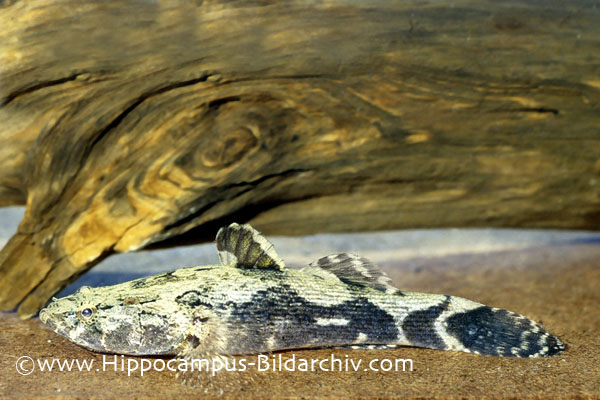
概要
| 字段 | 值 |
|---|---|
| 类别 | 鱼 |
| 学名 | Oxyeleotris marmorata |
| 别名 | 云斑乌塘鳢、斑驳尖塘鳢、雲斑尖塘鱧、雲斑烏塘鱧、斑駁尖塘鱧(台湾)、云斑尖塘鳢 |
| 分类 | 虾虎鱼目 Gobiiformes › 嵴塘鳢科 Butidae › Oxyeleotris |
| 水体 | 淡水 |
| 成体体长 | 65 cm |
| 饲养难度 | 中等 |
| 最小水体 | 540 L |
| 最小缸长 | 150 cm |
| 领地性 | 是 |
| 外部数据 | seriouslyfish oxyeleotris-marmorata;fishbase 5376 |
| 原产地 | 泰国、柬埔寨、老挝、越南、印度尼西亚、马来西亚、菲律宾、文莱 |
| 食性 | 肉食 |
| 特征 | 夜行性: 是;翻底砂: 是;吃小鱼: 是 |
水质参数
| 参数 | 耐受范围 | 最适范围 | 单位 |
|---|---|---|---|
| 水温 | 22–28 | — | °C |
| pH | 6.5–7.5 | — | — |
| 总硬度 | 10–15 | — | dGH |
概述
笋壳鱼(Oxyeleotris marmorata)是体形很大的夜间伏击鱼,白天常静止不动,但进食时能突然出击。它有同种领地性,嘴能容下的鱼都有被吞风险,适合有大型设施的饲养者,通常单养更合适。
分布与栖息地
分布于泰国、柬埔寨、老挝、越南、印度尼西亚、马来西亚、菲律宾和文莱。可利用河流、池塘、沼泽及被淹森林,偏好水流很弱或近乎静止的环境。主要生活在淡水,也有半咸水记录。
饲养环境
底面积约 150 × 60 cm 适用于多数个体,但最大的成鱼可能还需更宽敞;不能因它不爱游动就省略空间。
会挖掘和半埋身体,应铺较厚的细软砂,配大型沉木、宽管或陶盆形成躲藏处。照明以暗一些为宜,水流不应过强。
食性与喂食
自然界为肉食性,人工个体有些可训练接受颗粒,但菜单仍应以合适的动物性食物为基础。幼鱼吃红虫、小蚯蚓等,大鱼可用整虾、较大蚯蚓或适口小鱼。
非常贪食,需要控制投喂量,不能把每次见食都出击当作仍需加餐。
习性与混养
对同种占地明显,也会吞吃任何入口的小鱼。单养较稳妥。大型个体与大小相近、利用其他水层的大鱼共处虽有观察,但需要极大的空间,不能据个例给普通鱼缸提供安全保证。
雌雄区分
雄鱼臀鳍较长,第二背鳍延伸更明显;雄性生殖突可能也较尖,但这一项不宜单独作为确定依据。
繁殖
家庭缸内繁殖尚无明确确认。成鱼体形、同种领地性和捕食习性都会增加配对及维持亲鱼的难度,不能套用小型塘鳢的繁殖缸安排。
补充说明
白天长时间静止、夜间伏击是其正常行为,饲养者仍需确认实际进食和体况。本种在部分原产地也是重要食用鱼,食用鱼贸易中的幼鱼同样会长成需要专门空间的大个体。
图片
图片来自 SeriouslyFish,版权归各摄影者所有。
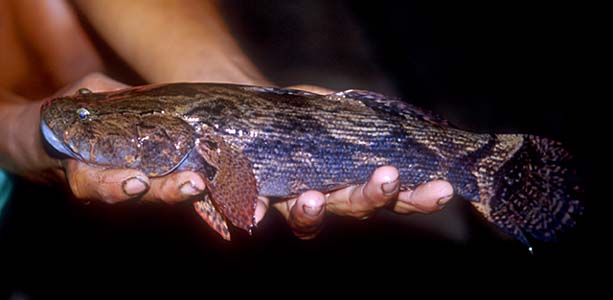
English
Overview
The large Oxyeleotris marmorata is a nocturnal ambush predator that can remain motionless for long periods before striking at food. Conspecific territoriality and a capacious mouth make solitary care preferable in suitably large facilities. Any fish it can swallow is at risk.
Distribution & habitat
It occurs in Thailand, Cambodia, Laos, Vietnam, Indonesia, Malaysia, the Philippines, and Brunei. Rivers, ponds, swamps, and flooded forest are used, usually where movement is slight or absent. Most records are freshwater, with some occurrence in brackish environments.
Aquarium setup
A footprint around 150 × 60 cm can accommodate many individuals, but the largest adults may need more. Low swimming activity does not eliminate the need for space.
Provide a substantial layer of soft sand for digging and partial burial. Large wood, wide pipes, or ceramic pots create retreats. Subdued lighting and gentle water movement suit its habits.
Diet & feeding
It is carnivorous in nature. Some captive fish learn to take pellets, but suitable animal foods remain the dietary foundation. Juveniles accept bloodworms and small earthworms, while larger specimens take whole prawn, larger worms, and appropriately sized fish.
Its greedy response makes portion control important. Repeated strikes at offered food do not necessarily justify repeated additional meals.
Behaviour & compatibility
It is territorial with conspecifics and swallows fishes small enough to enter its mouth. Solitary maintenance is the more dependable arrangement. Coexistence with similarly sized fishes using other parts of the aquarium has been observed, but requires enormous accommodation and is not a general community guarantee.
Sexual dimorphism
Males have longer anal fins and more extended second dorsal fins. A more pointed male genital papilla has also been suggested, but should not be treated as a definitive isolated test.
Breeding
Home-aquarium reproduction remains unconfirmed. Adult size, territoriality, and predation make pairing and maintaining breeders challenging; arrangements for small sleeper fishes should not be transferred directly.
Notes
Long daytime rests and nighttime ambush feeding are normal, but actual intake and condition still require checking. It is also an important food fish in parts of its native range. Juveniles sold through that trade retain the same eventual need for substantial specialist accommodation.
来源
- https://www.seriouslyfish.com/species/oxyeleotris-marmorata(抓取于 2026-10-10)
oxyeleotris-marmorata · 文件: data/species/oxyeleotris-marmorata.md · 状态: 草稿