Otocinclus cocama · Zebra Oto
概要
| 字段 | 值 |
|---|---|
| 类别 | 鱼 |
| 学名 | Otocinclus cocama |
| 分类 | 鲶形目 Siluriformes › 骨甲鲶科 Loricariidae › Otocinclus |
| 水体 | 淡水 |
| 原产地 | 秘鲁 |
| 成体体长 | 4.5 cm |
| 饲养难度 | 中等 |
| 最小水体 | 41 L |
| 最小缸长 | 45 cm |
| 群居方式 | 群游 |
| 性情 | 温和 |
| 外部数据 | seriouslyfish otocinclus-cocama;fishbase 63139 |
| 食性 | 草食 |
水质参数
| 参数 | 耐受范围 | 最适范围 | 单位 |
|---|---|---|---|
| 水温 | 21–25 | — | °C |
| pH | 6–7.5 | — | — |
| 总硬度 | 2–10 | — | dGH |
概述
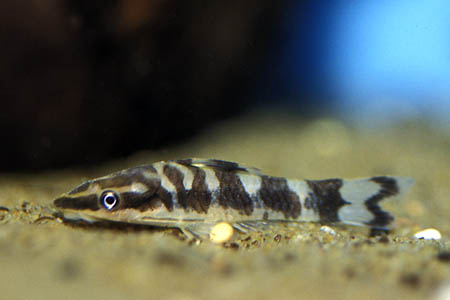
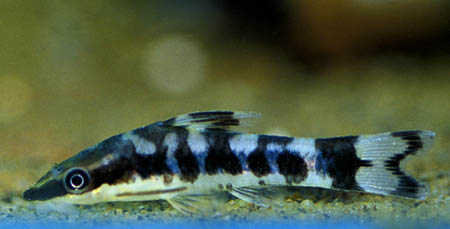
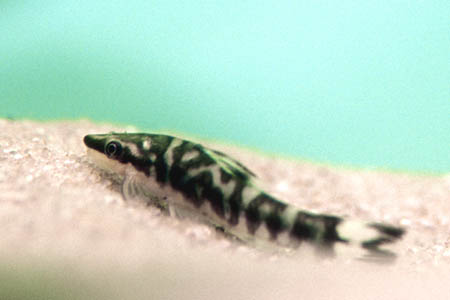
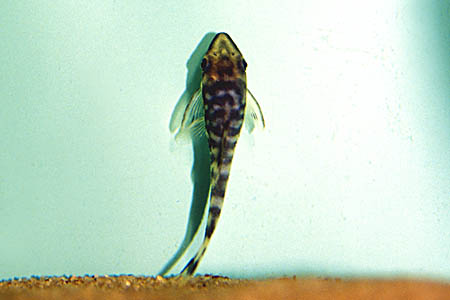
Otocinclus cocama 以从背部向腹侧延伸的深色斑纹区别于多数近缘鱼。初到缸时可能很脆弱,需要已经成熟、长有生物膜的环境持续刮食,不能放进干净得没有食物的新缸再等待开口。
分布与栖息地
模式产地在秘鲁洛雷托地区 Jenaro Herrera 附近 Yamayacu 溪,推测还分布于乌卡亚利河和马拉尼翁河下游,但完整范围未完全确认。
模式产地为清澈溪流,鱼在浓密岸边植被中被发现。同属鱼通常利用小支流或大河缓流边缘的水生植物、入水草丛,但不能把全部属级环境概括都当作本种实测记录。
饲养环境
只放入成熟、密植的缸,用浮水植物、根木和细枝增加表面与遮蔽,落叶也能在分解时提供刮食面。过滤要温和,气动海绵通常足够,水质必须稳定。
检疫缸同样需要成熟生物膜,不能因为检疫就使用完全没有可啃食表面的空新缸。
食性与喂食
植食,天然刮食藻和附着生物。刚入缸时应已有绿藻、硅藻或丰富生物膜,否则即使看起来在不停“清洁”,也可能饿死。
适应后可接受藻片、螺旋藻或海带沉底片,并尝试焯菠菜、黄瓜、西葫芦等。可以摄入其他食物,但菜单不能缺乏足量植物性、藻类成分。它持续取食,需要持续可得的食源。
习性与混养
对其他鱼温和,但体形小、胆怯,更适合专养,或仅与微小温和脂鲤、适合小型鲶鱼和淡水虾等谨慎搭配。
建议至少六条同种,密植与丰富附着表面让它更安心。白天常在叶片、木石、缸壁刮食,也会停在叶上休息,有时不易看见。缺乏遮蔽和食物会增加紧迫风险。
同属鱼偶有吸附其他鱼体侧的报道,可能与紧迫或藻类食物不足有关,不能把这一行为认作正常的必需食谱。
雌雄区分
成年雄鱼通常比雌鱼小,肛门后有锥状生殖突,雌鱼没有这一结构。
繁殖
人工繁殖已经实现,但细节有限。鱼苗推测非常小,应能获得丰富藻和其他植物性食物;尚不能据此给出确定孵化时间或繁殖流程。
补充说明
完整侧线和纵向拉长、从背部延至腹侧的深色斑是重要识别特征,尾鳍有单个明显 W 形斑。
同属鱼偶尔上浮吞气,食道壁特化可能参与空气呼吸和浮力调节,功能解释仍带有不确定性。初次引入时,确保食源与观察体况比只追求即时除藻效果更重要。
图片
图片来自 SeriouslyFish,版权归各摄影者所有。
English
Overview
Otocinclus cocama is recognizable by elongated dark blotches running from the back toward the underside. Newly imported fish can be delicate and need a mature aquarium with abundant grazing surfaces. A new tank with little food is not a suitable place to wait for feeding to begin.
Distribution & habitat
The type locality is Yamayacu Creek near Jenaro Herrera in Loreto, Peru. The species is thought to range through the lower Ucayali and Marañón, although the complete distribution remains uncertain.
At the type site, fish occupied dense marginal vegetation in clear water. Related Otocinclus commonly use small tributaries and vegetated slow-water river margins, but that broader description is not a verified survey of every habitat used by this species.
Aquarium setup
Use an established, densely planted aquarium with floating vegetation, roots, and twigs adding cover and grazing area. Decomposing leaves can also provide surfaces. Gentle filtration is sufficient, often an air-driven sponge, while stability is essential.
A quarantine aquarium also needs mature biofilm. Quarantine should not mean placing a newly arrived grazer in a sterile, food-poor new setup.
Diet & feeding
An herbivore, it grazes algae and attached growth in nature. Green algae, diatoms, or substantial biofilm should already be available on arrival; apparently busy grazing does not prevent starvation if edible growth is absent.
After acclimation it may take algae, Spirulina, or kelp tablets, with blanched spinach, cucumber, and zucchini also offered. Other foods may be eaten, but plant and algal material must remain abundant. Continuous feeding behavior requires a dependable ongoing supply.
Behaviour & compatibility
Peaceful but small and timid, it is best kept alone or with carefully chosen miniature characins, suitable small catfishes, or freshwater shrimp.
Six or more conspecifics are preferable. Dense vegetation and plentiful surfaces provide security. During daylight it grazes leaves, wood, rocks, and glass, pausing to rest on leaves and sometimes remaining inconspicuous. Exposure and food shortage increase stress.
Reports of related otos attaching to other fishes may reflect stress or insufficient algal food, rather than a required normal feeding behavior.
Sexual dimorphism
Adult males are usually smaller and have a conical urogenital papilla behind the anus that females lack.
Breeding
Captive reproduction has occurred, but practical details are limited. Fry are presumed very small and likely need plentiful algae and other plant foods. A definite incubation schedule or complete breeding method is not established.
Notes
A complete lateral line and vertically elongated dark flank blotches are useful diagnostic features. The tail bears a single prominent W-shaped mark.
Related otos occasionally gulp air at the surface. A modified esophageal wall may assist aerial respiration and buoyancy, but the functional explanation remains tentative. Food availability and body condition deserve priority over expectations of immediate algae removal.
来源
- https://www.seriouslyfish.com/species/otocinclus-cocama(抓取于 2026-10-10)
otocinclus-cocama · 文件: data/species/otocinclus-cocama.md · 状态: 草稿