南美兵鲶 · Black Band Cory
概要
| 字段 | 值 |
|---|---|
| 类别 | 鱼 |
| 学名 | Osteogaster zygata |
| 别名 | 南美兵鯰、Corydoras zygatus |
| 分类 | 鲶形目 Siluriformes › 美鲶科 Callichthyidae › Osteogaster |
| 水体 | 淡水 |
| 原产地 | 厄瓜多尔、秘鲁 |
| 成体体长 | 7 cm |
| 饲养难度 | 入门 |
| 最小水体 | 81 L |
| 最小缸长 | 90 cm |
| 群居方式 | 群游 |
| 性情 | 温和 |
| 外部数据 | seriouslyfish osteogaster-zygata;fishbase 46247 |
| 繁殖方式 | 附着产卵 |
| 特征 | 无鳞/细鳞: 是 |
水质参数
| 参数 | 耐受范围 | 最适范围 | 单位 |
|---|---|---|---|
| 水温 | 20–26 | — | °C |
| pH | 5.5–7.5 | — | — |
| 总硬度 | 2–12 | — | dGH |
概述
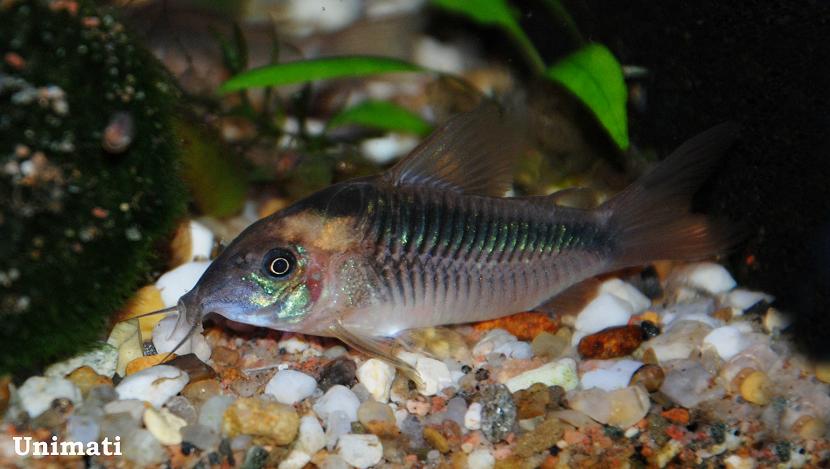
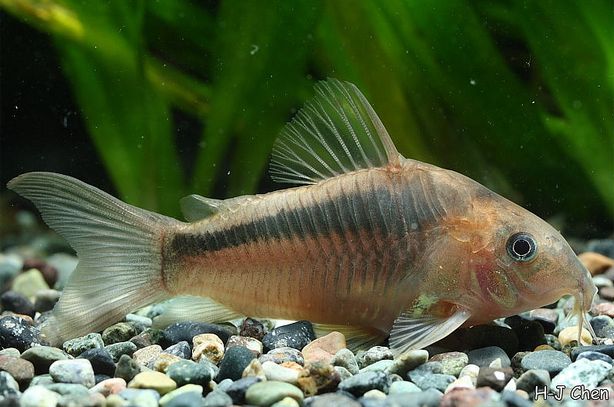
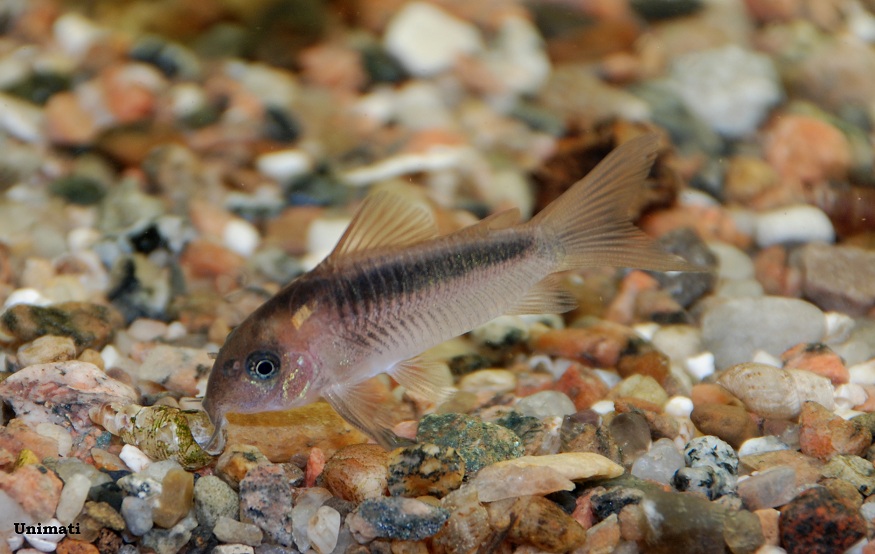
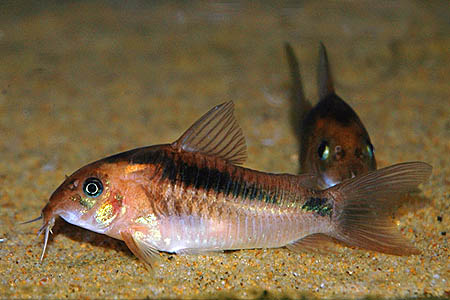
南美兵鲶(Osteogaster zygata)是温和的群居甲鲶,过去常使用 Corydoras zygatus 一名。体背侧宽暗带在尾柄仍局限于上方,不向下延伸,这一点有助于和近似种区分。
分布与栖息地
分布于厄瓜多尔东部和秘鲁北部,记录涉及 Ucayali、Huallaga、Santiago 和 Pastaza 等水系。部分采集记录提示它偏向较小支流,而非大河主槽。
饲养环境
提供至少约 90 × 30 cm 的底面积,以细沙为佳;圆滑砾石也可使用,但必须保持很干净。布景选择较灵活,只要提供适当遮蔽,帮助它们安定活动。
食性与喂食
使用沉底配合饵,并搭配红虫、水蚯蚓等小型活饵或冻饵。喂食应多样且保证每条都有机会吃到,不要只让它们等待上层鱼漏下的残饵,更不能以它们代替日常清洁。
习性与混养
温和、喜欢同伴,至少养 4~6 条比较合适。
雌雄区分
雌鱼往往更大,成熟后体形比雄鱼明显更宽、更厚。
繁殖
繁殖时可每雌配两条或更多雄鱼。雌鱼抱卵明显后,以较凉水进行约 50%~70% 换水,增加供氧和水流,可按需要重复。卵会附着于缸壁、细叶植物或沉水产卵拖把,后者便于移卵。
产卵后分开亲鱼与卵;另设孵化容器时使用同缸水并保持供氧,同时留意霉卵。通常约 3~4 天孵化,卵黄吸收完毕后喂微虫、丰年虾无节幼体等。鱼苗对水质要求很高,薄沙底育苗似乎比裸底更少出现健康问题。
补充说明
迈氏兵鲶(Osteogaster rabauti)的背侧暗带会向尾柄下方延伸,本种不会。词源含义尚不确定,不宜用来代替形态鉴别。
身体由骨板覆盖,偶尔上浮吞气属于正常辅助呼吸。胸鳍硬刺可造成疼痛刺伤,转移时应谨慎;刺基部腺体分泌物被认为可能带轻微毒性,但不应表述为已确定。
图片
图片来自 SeriouslyFish,版权归各摄影者所有。
用药风险
按有效成分禁忌与本物种特征自动判断;物种特征未知时不会命中,不代表安全。
English
Overview
A dark stripe confined to the upper tail base helps distinguish Osteogaster zygata from a similar species. Formerly known as Corydoras zygatus, it is a peaceful armored catfish that should be maintained with companions of its own kind.
Distribution & habitat
Records include the Ucayali, Huallaga, Santiago, and Pastaza systems in eastern Ecuador and northern Peru. Available collection information points toward smaller tributaries rather than main river channels.
Aquarium setup
Allow a minimum footprint of about 90 × 30 cm. Fine sand is preferable; rounded gravel is usable only with thorough cleaning. Other furnishings are flexible, but some shelter should be included to make the group feel secure.
Diet & feeding
Offer sinking prepared food together with small live or frozen items such as bloodworms and Tubifex. Provide variety and enough direct feeding opportunities. It should not depend on leftovers from upper-water fish or be treated as a substitute for aquarium cleaning.
Behaviour & compatibility
This mild, gregarious species is best maintained with at least four to six individuals.
Sexual dimorphism
Females generally reach a larger size, with a noticeably broader and deeper body at maturity.
Breeding
Two or more males per female can be used. When females are full of eggs, change around 50–70% of the water using cooler replacement water and increase aeration and flow. This can be repeated as needed. Eggs attach to glass, fine plants, or submerged spawning mops, with mops simplifying collection.
Separate breeders from the clutch afterward. Transferred eggs need matching water, good oxygenation, and attention to fungal losses. Incubation normally takes about 3–4 days. After yolk absorption, offer microworms and Artemia nauplii. Excellent water quality is essential for the young, and a thin sand bed appears to improve rearing health compared with a bare container.
Notes
The similar Osteogaster rabauti has a dark stripe that extends onto the underside of the tail base; this species does not. The meaning of its original specific name is uncertain.
Bony armor covers the body. Occasional surfacing to swallow air is normal auxiliary respiration. Pectoral spines can puncture skin painfully, so handle with care. Secretions near their bases have been suggested to be mildly toxic, but this remains uncertain.
来源
- https://www.seriouslyfish.com/species/osteogaster-zygata(抓取于 2026-10-10)
osteogaster-zygata · 文件: data/species/osteogaster-zygata.md · 状态: 草稿