咖啡鼠 · Bronze Cory
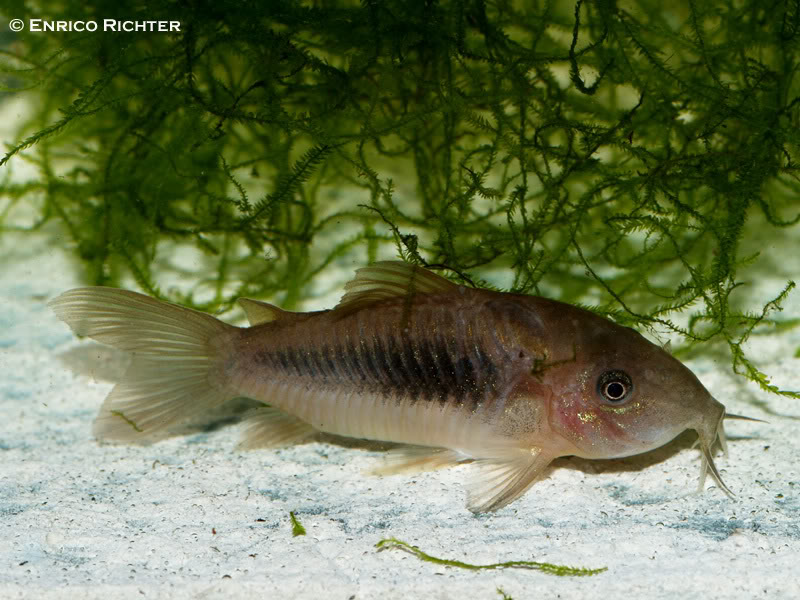
概要
| 字段 | 值 |
|---|---|
| 类别 | 鱼 |
| 学名 | Osteogaster aenea |
| 别名 | 小眼兵鲶、側斑兵鯰、小眼兵鯰、Hoplosoma aeneum、Corydoras macrosteus、Corydoras microps、Corydoras schultzei、Corydoras venezuelanus、Corydoras aeneus、侧斑兵鲶 |
| 分类 | 鲶形目 Siluriformes › 美鲶科 Callichthyidae › Osteogaster |
| 水体 | 淡水 |
| 原产地 | 阿根廷、玻利维亚、巴西、哥伦比亚、法属圭亚那、圭亚那、巴拉圭、秘鲁、苏里南、特立尼达和多巴哥、委内瑞拉 |
| 成体体长 | 7.5 cm |
| 饲养难度 | 入门 |
| 最小水体 | 72 L |
| 最小缸长 | 80 cm |
| 群居方式 | 群游 |
| 性情 | 温和 |
| 外部数据 | seriouslyfish osteogaster-aenea;fishbase 7777 |
| 食性 | 杂食 |
| 繁殖方式 | 附着产卵 |
水质参数
| 参数 | 耐受范围 | 最适范围 | 单位 |
|---|---|---|---|
| 水温 | 21–27 | — | °C |
| pH | 6–8 | — | — |
| 总硬度 | 2–15 | — | dGH |
概述
咖啡鼠(Osteogaster aenea)是常见的人工繁殖甲鲶,但这一名称下的野生种群与水族品系未必都代表同一个严格意义的物种。温和群养与主动投喂适用于常见养殖鱼,鉴定则应保留来源信息。
分布与栖息地
模式产地为特立尼达岛,中南部一些河流至今有记录。传统广布记录从南美北部延至拉普拉塔流域,涉及阿根廷、玻利维亚、巴西、哥伦比亚、圭亚那地区、巴拉圭、秘鲁、苏里南、委内瑞拉及特立尼达和多巴哥等地。但如此广泛的范围似更像多个相似分类群,岛外记录的物种身份仍不确定。
饲养环境
长期底面积至少约 80 × 30 厘米,细沙较理想,或采用保持洁净的圆滑砾石,并给鱼群提供遮蔽。
食性与喂食
杂食,能吃下沉干粮及小型活冷冻饵,食谱应多样,不能只靠其他鱼残饵。
习性与混养
温和合群,至少四至六尾一起饲养较合适。
雌雄区分
雌鱼通常长得更大,成熟后更圆宽,抱卵时尤为明显。
繁殖
可一雌两雄,抱卵后用偏凉水换约 50%~70% 并增氧、增加水流。卵通常黏在玻璃,也可提供细叶植物或产卵拖把。产后分开亲鱼和卵,孵化容器使用原缸水并充氧,注意霉卵。通常三至四天孵化,卵黄吸收后可喂微虫或丰年虾无节幼体;薄沙底似比裸底更有利于幼鱼状态。
补充说明
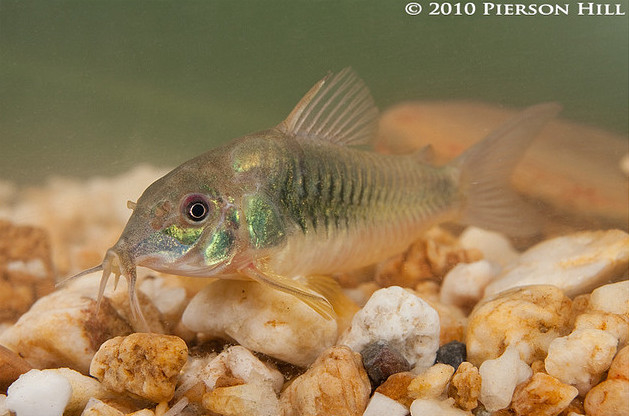
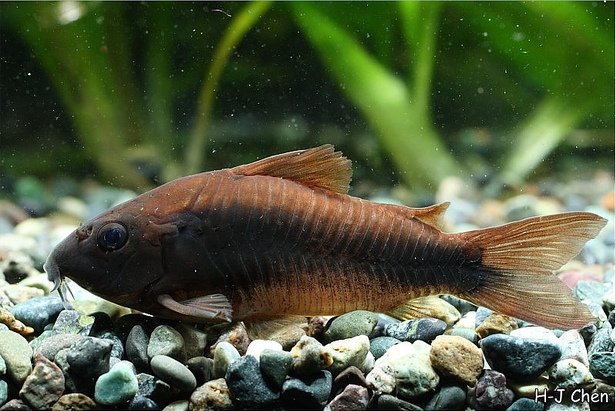
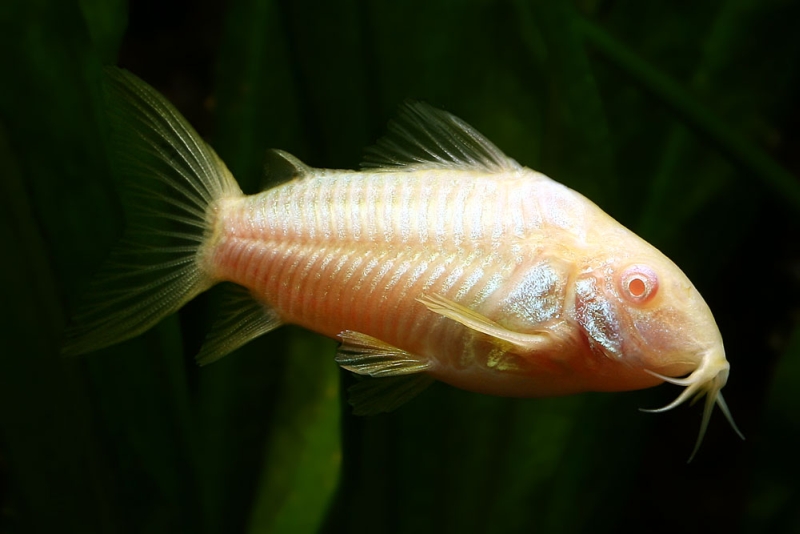
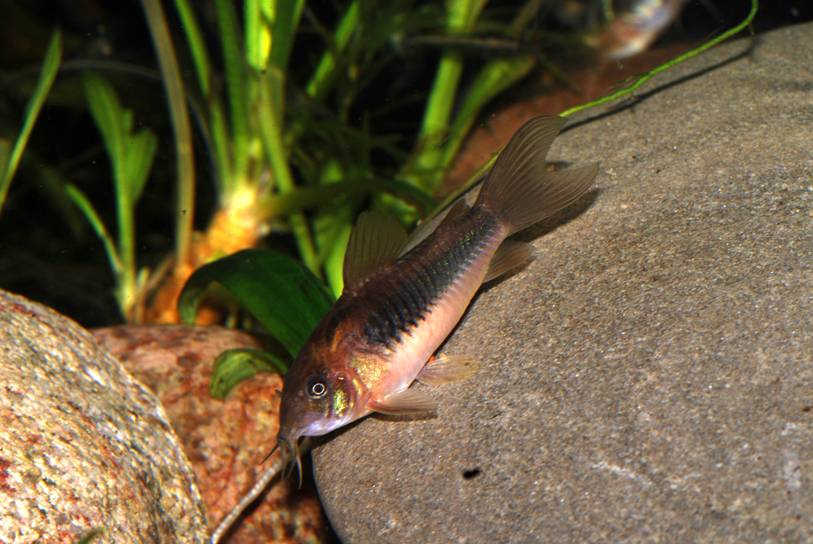
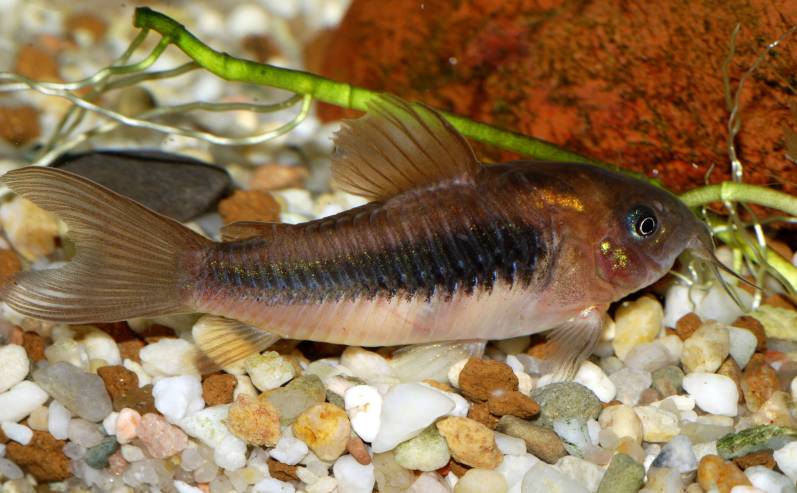
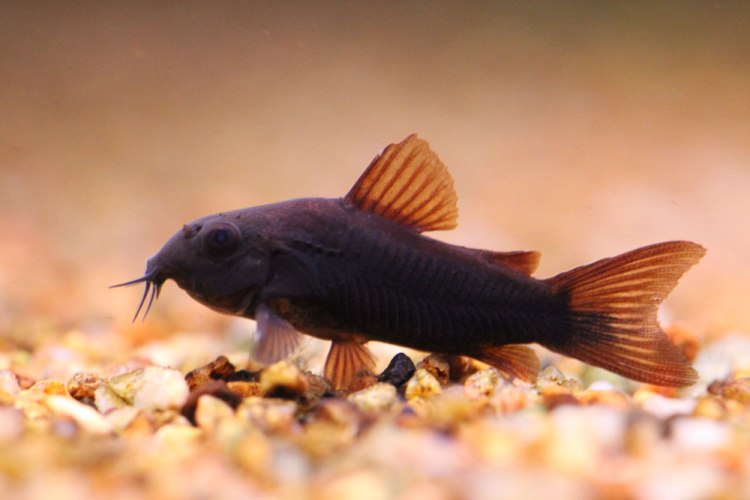
市售包括白化、长鳍和黑色选育型。黑色养殖品系与某些野生贸易名长期混用,不能仅凭“黑色”标签推定来自委内瑞拉或属于独立种;部分金绿光带型也可能有不同分类身份。偶尔上浮吞气用于辅助呼吸,胸鳍棘可刺伤,棘基分泌物可能带轻微毒性,搬动需小心。
图片
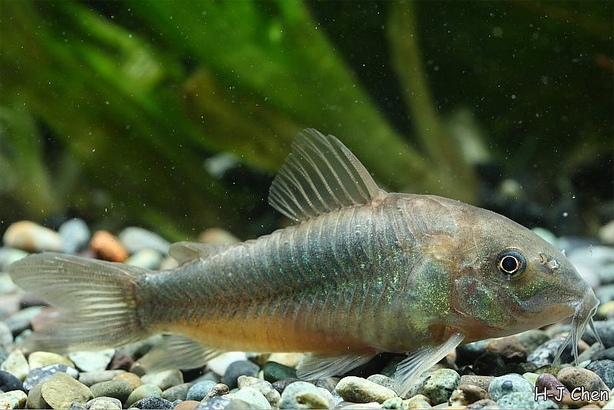
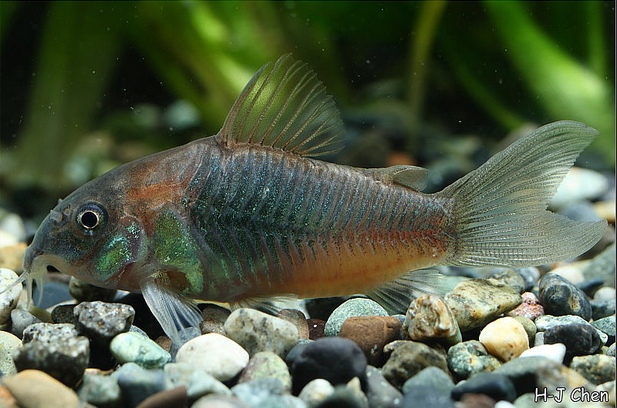
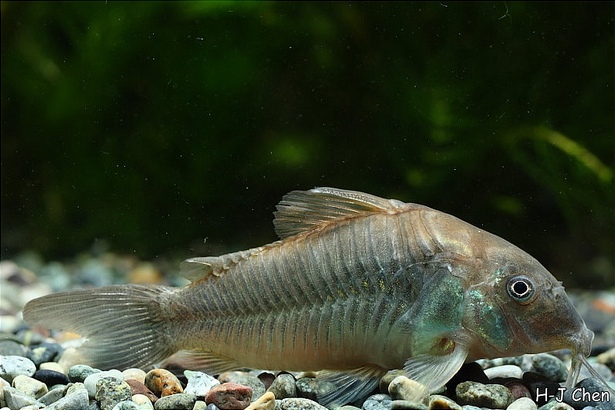
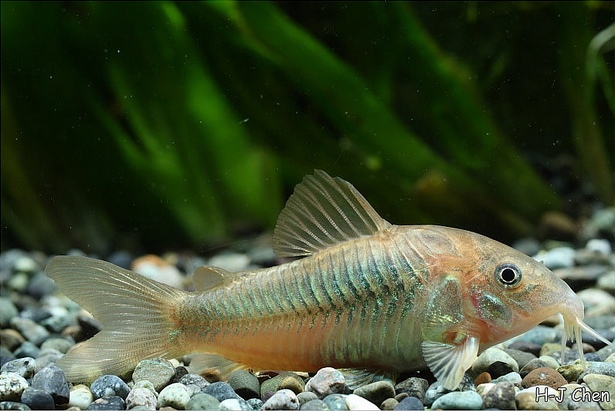
图片来自 SeriouslyFish,版权归各摄影者所有。
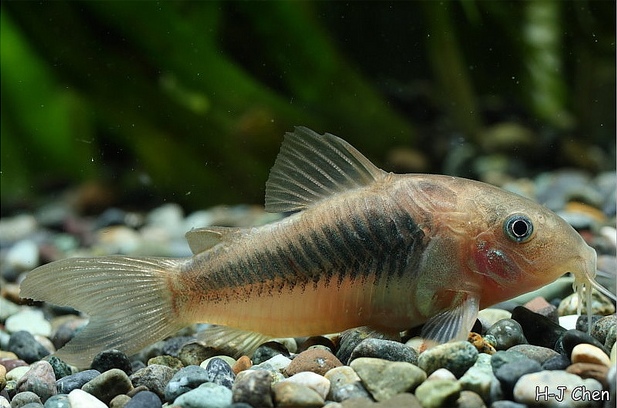
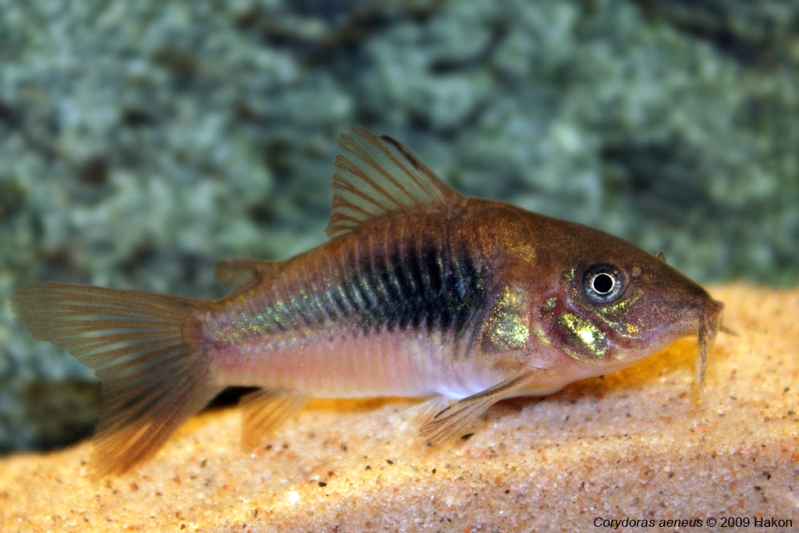
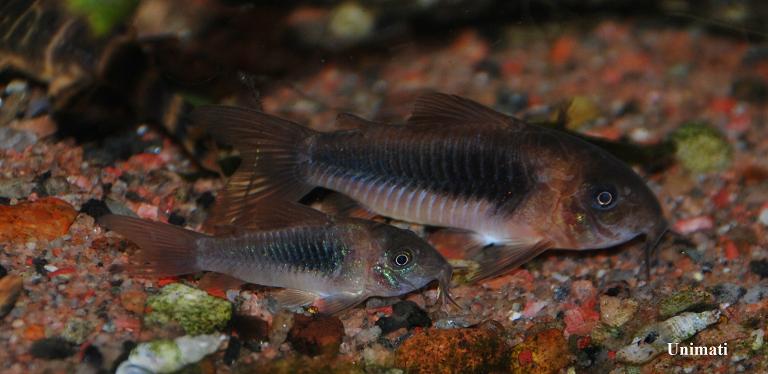
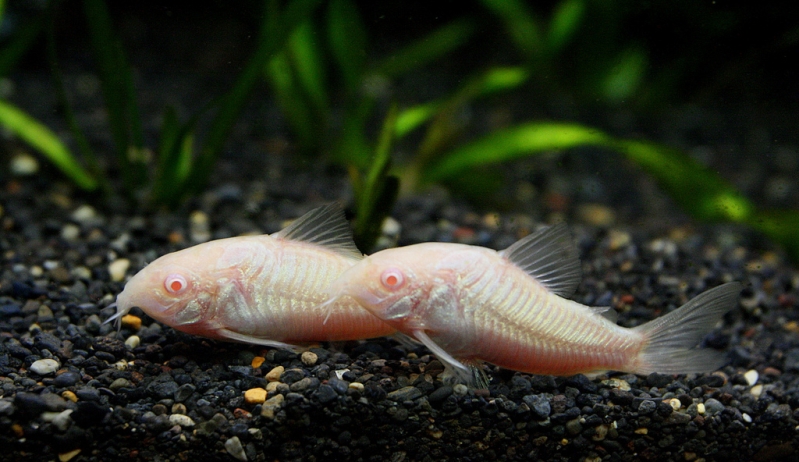
English
Overview
Although familiar in aquaria, Osteogaster aenea is surrounded by questions about the identity of both wild populations and captive strains. Peaceful group care and direct feeding suit the common farmed fish, while provenance remains important for precise identification.
Distribution & habitat
The type locality is Trinidad, where it remains recorded in central and southern river systems. The traditionally accepted range extends through much of South America to the La Plata drainage. That enormous distribution may represent several similar taxa rather than a single species, leaving many records outside Trinidad taxonomically uncertain.
Aquarium setup
Use at least an 80 by 30 cm footprint for long-term care. Fine sand or carefully maintained rounded gravel and suitable shelter provide a practical setup.
Diet & feeding
Feed a varied combination of sinking prepared foods and small live or frozen items. This omnivore requires direct feeding rather than community leftovers.
Behaviour & compatibility
Keep at least four to six together to accommodate its peaceful social habits.
Sexual dimorphism
Mature females tend to be larger and broader-bodied, especially when gravid.
Breeding
Use two males per female. A 50–70% cooler-water change with extra flow and aeration can encourage gravid fish. Eggs usually attach to glass, with fine plants or spawning mops as alternatives. Separate eggs and adults and incubate in aerated breeding-tank water, watching for fungal eggs. Hatching normally takes three to four days. Offer small live foods after yolk absorption; thin sand appears helpful for rearing.
Notes
Albino, long-finned, and melanistic strains occur in trade. Farmed black lines have been confused with names applied to wild fishes; a black trade label does not establish Venezuelan origin or a distinct species identity. Some metallic-striped forms may also represent different taxa. Occasional surface gulps supplement respiration. Pectoral spines can puncture skin, and associated secretions may be mildly toxic.
来源
- https://www.seriouslyfish.com/species/osteogaster-aenea(抓取于 2026-10-10)
osteogaster-aenea · 文件: data/species/osteogaster-aenea.md · 状态: 草稿