Oryzias wolasi · Wolasi Ricefish
概要
| 字段 | 值 |
|---|---|
| 类别 | 鱼 |
| 学名 | Oryzias wolasi |
| 分类 | 颌针鱼目 Beloniformes › 怪颌鳉科 Adrianichthyidae › Oryzias |
| 水体 | 淡水 |
| 原产地 | 印度尼西亚 |
| 成体体长 | 3.5 cm |
| 饲养难度 | 入门 |
| 最小水体 | 41 L |
| 最小缸长 | 45 cm |
| 群居方式 | 群游 |
| 性情 | 温和 |
| 外部数据 | seriouslyfish oryzias-wolasi;fishbase 67151 |
| 繁殖方式 | 产卵 |
| 领地性 | 是 |
水质参数
| 参数 | 耐受范围 | 最适范围 | 单位 |
|---|---|---|---|
| 水温 | 23–27 | — | °C |
| pH | 7–8 | — | — |
| 总硬度 | 10–20 | — | dGH |
概述
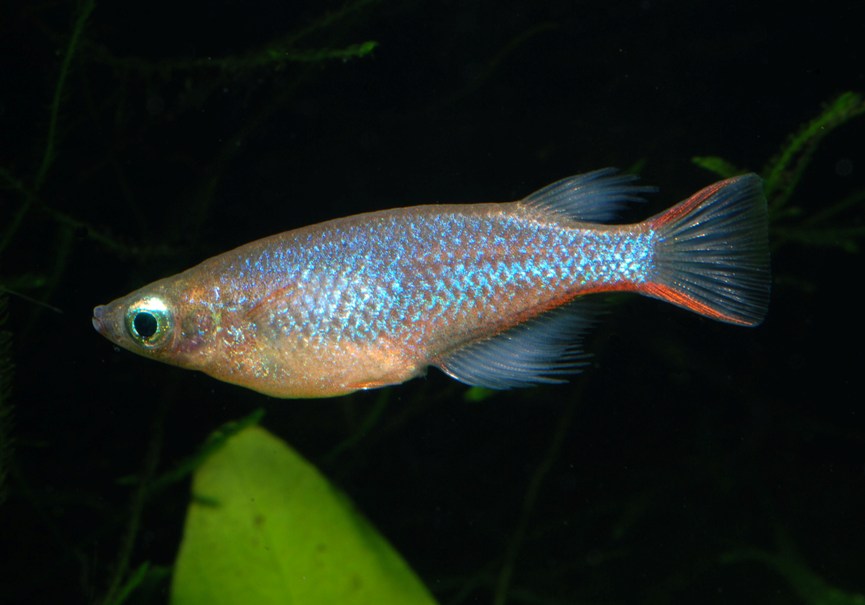
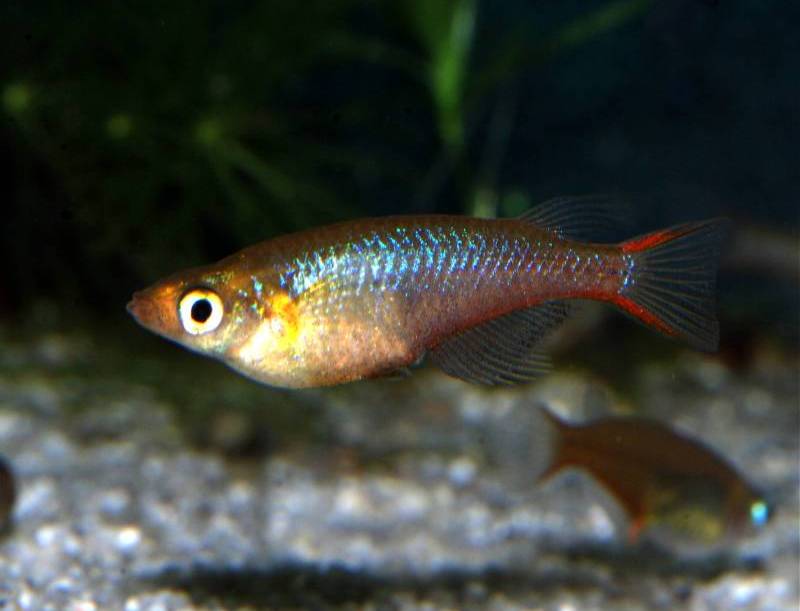
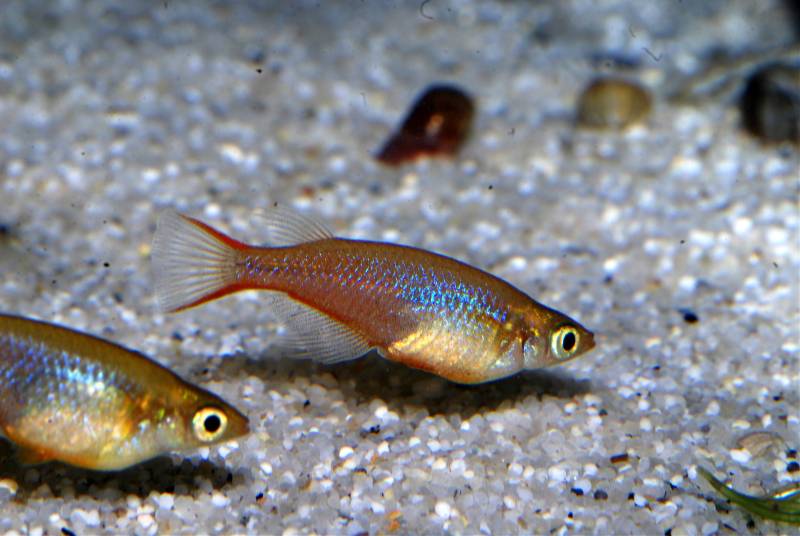
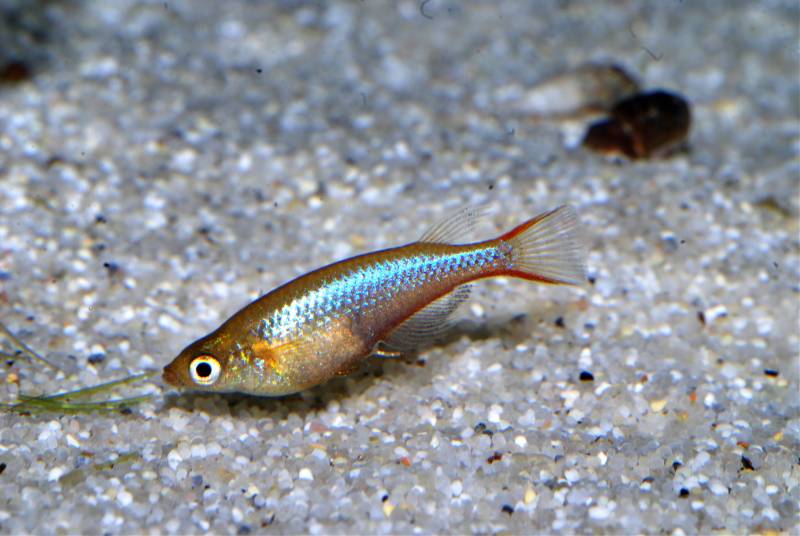
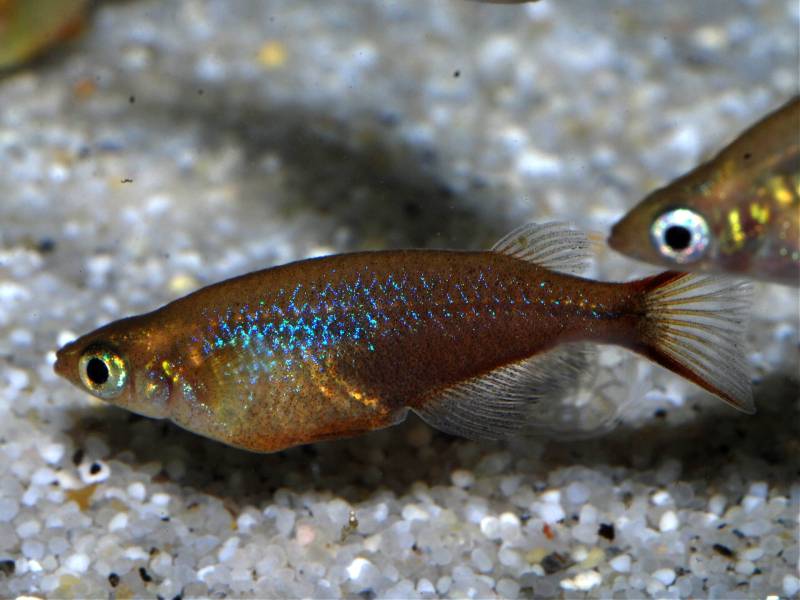
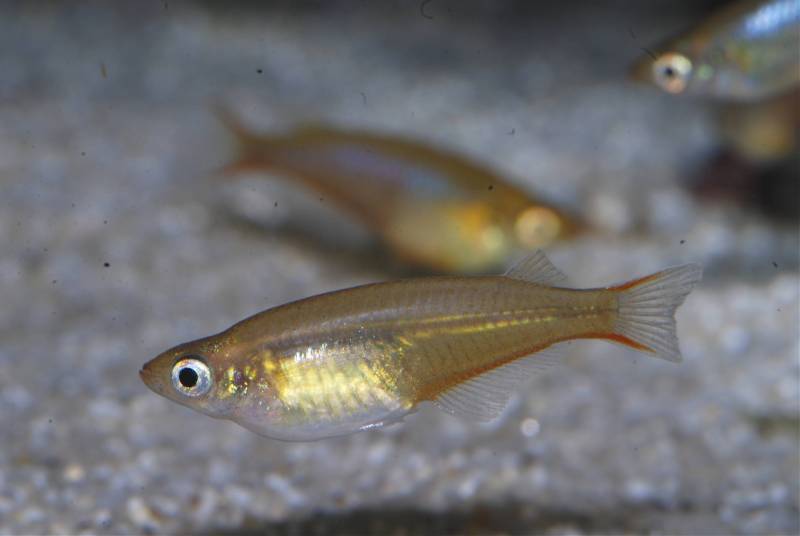
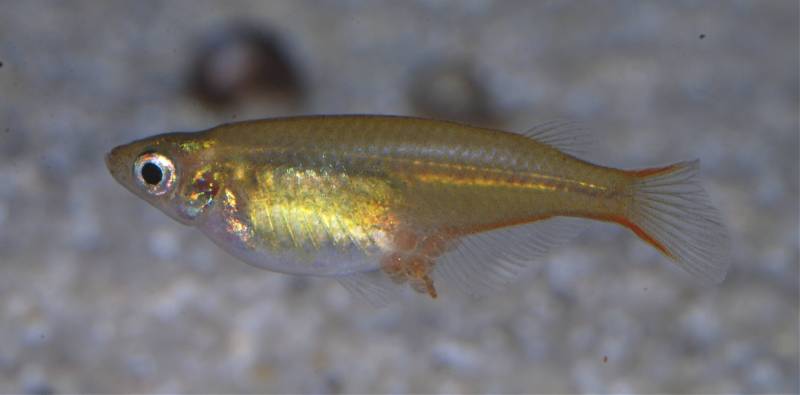
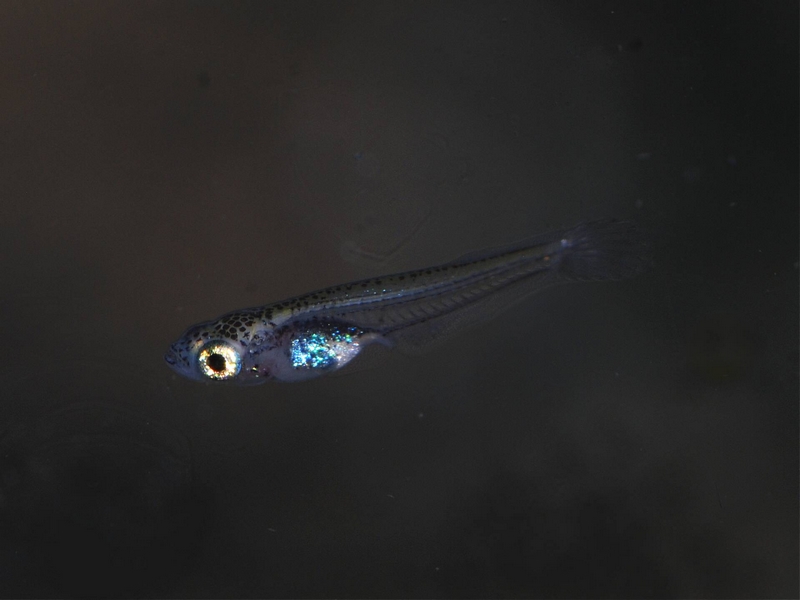
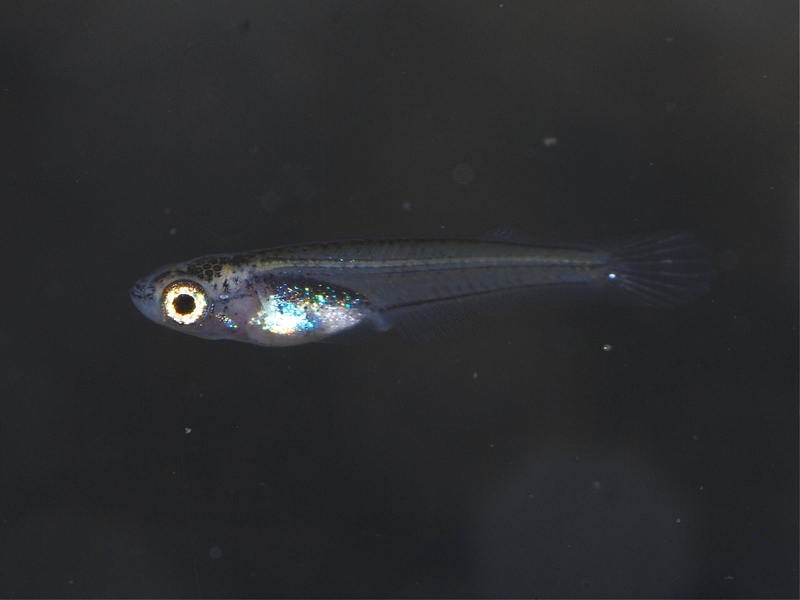
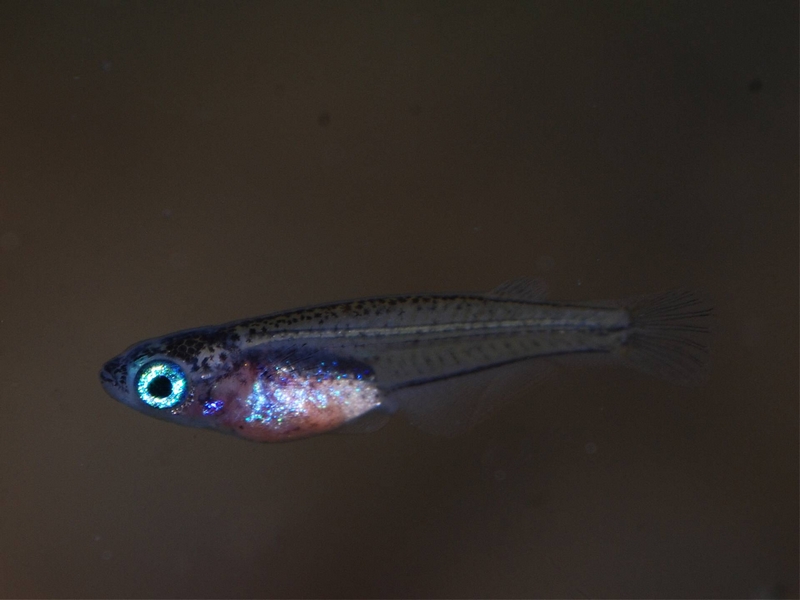
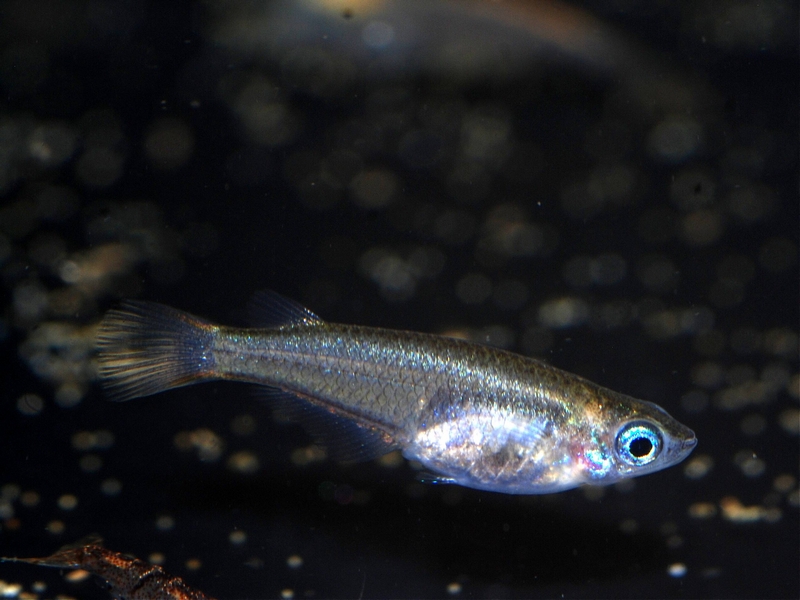
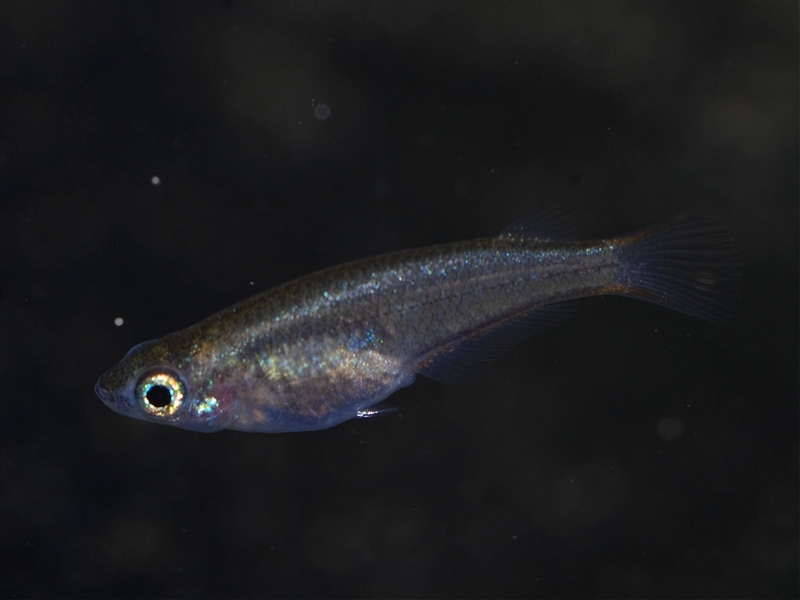
Oryzias wolasi 身体带金色、体形相对较高,繁殖雄鱼会显出较深的紫色调。它与其他蓝色光泽的小型青鳉相似,保留来源信息有助避免混淆。
分布与栖息地
见于印度尼西亚东南苏拉威西肯达里以南的四处地点,包括沃拉西河、安丹巴奥河、瀑布及沿海泉水溪流。岩溶区栖地既有缓急交错的流水,也有旱季河道留下的水潭。
饲养环境
以深色底砂、密植水草、沉木枝根和浮水植物布置,同时留出游动区。空旷环境中显色可能较弱,密植区还为幼鱼提供躲藏空间。
食性与喂食
食物应足够细小,可将优质碎薄片或小颗粒与微虫、丰年虾无节幼体搭配。成鱼会啄食硬物表面,天然饮食中可能有藻类成分,但这一点仍是推测。
习性与混养
至少八尾同养更容易放松。同伴应选体形相近的温和小鱼,适合的淡水米虾也可考虑。即使总体温和,求偶雄鱼仍会争夺临时空间。以繁殖为目标时宜同种单养,避免与其他青鳉杂交。
雌雄区分
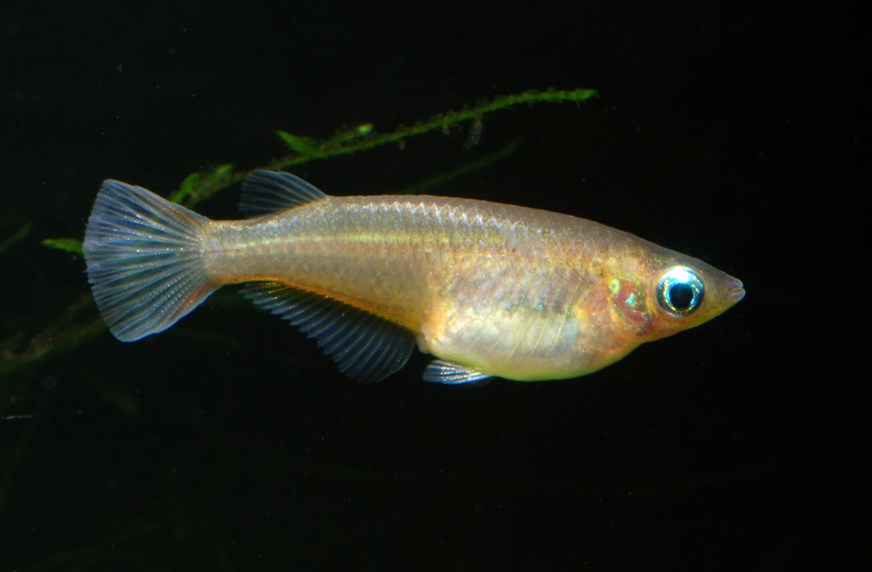
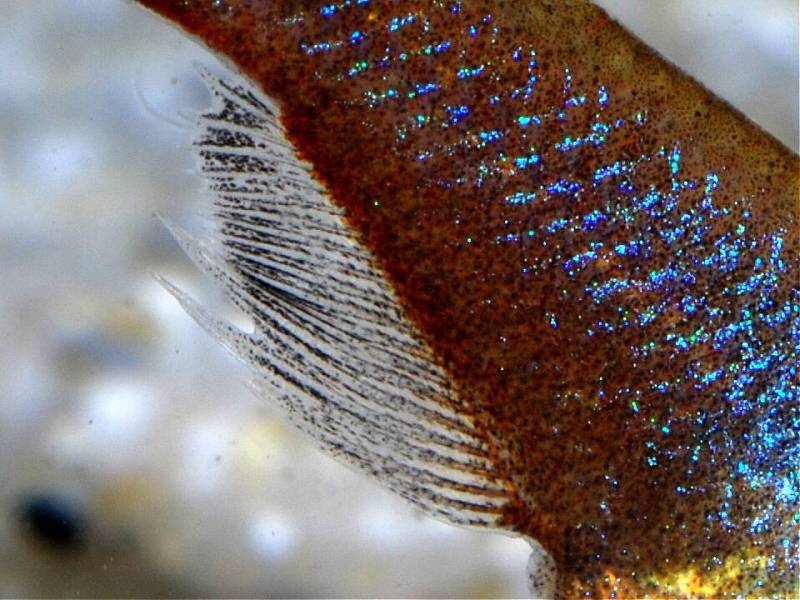
雄鱼体形较瘦、色彩更丰富,背鳍和臀鳍较长,生殖乳突短而略呈锥管状;雌鱼乳突为两叶状,且鼻部嗅上皮呈橙色。
繁殖
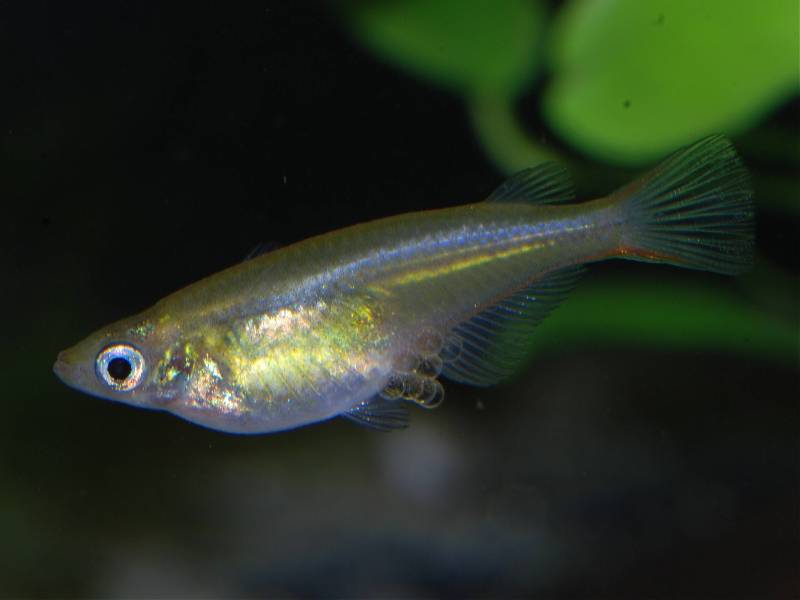
亲鱼状态好时,雌鱼可隔几天甚至每天产卵。通常在清晨,雄鱼颜色变深并守住短暂的小领地。黏性卵成团排出并同时受精,先悬挂在雌鱼生殖孔附近,之后单枚或成小团黏到植物等介质上;细叶草或产卵拖把都可使用。
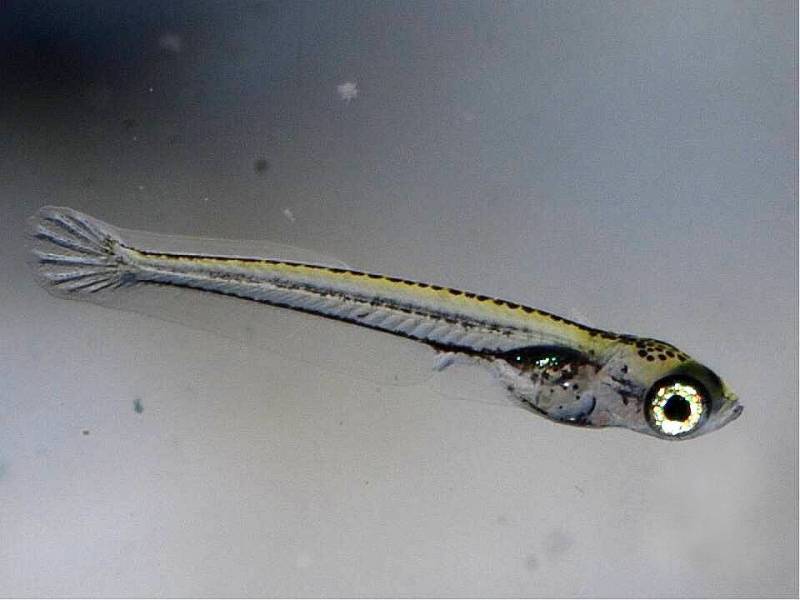
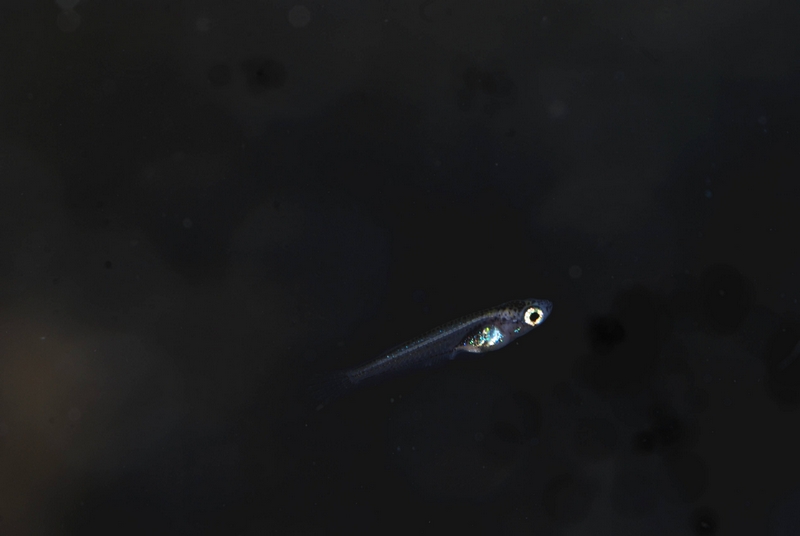
孵化一般需一至三周,受水温影响。成鱼多半不理会卵,却会吃游动鱼苗。可把卵或鱼苗移入装有亲鱼缸水的育苗容器,或用密植区让部分幼鱼躲避。鱼苗自由游动后能吃微虫、丰年虾无节幼体。大小相差明显的幼鱼应分开养,以免大吃小。
补充说明
描述前曾使用 Kendari、neon 和 Sulawesi 等暂名。与近缘青鳉(Oryzias woworae)比较,本种体形更高、尾柄较厚,雄鱼繁殖色也更偏深紫;不要让来源不同的相近种混繁。
图片
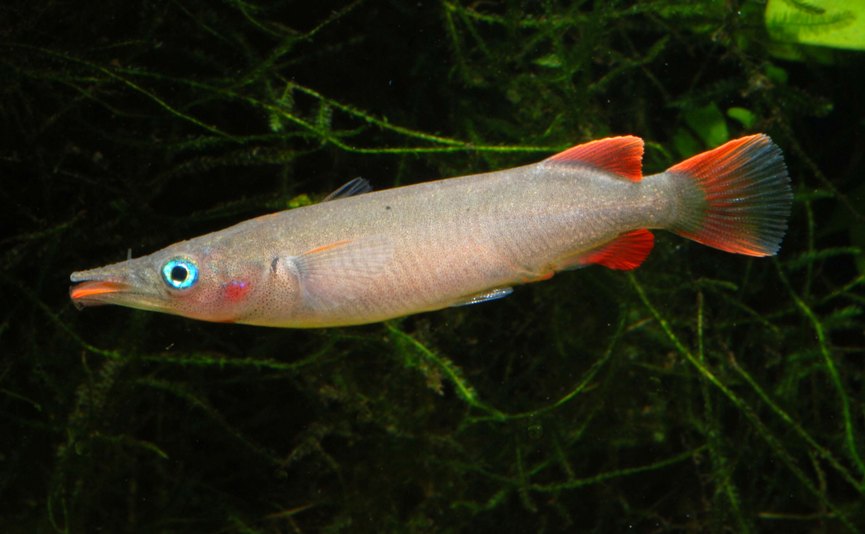
图片来自 SeriouslyFish,版权归各摄影者所有。

English
Overview
Oryzias wolasi: Its relatively deep, golden body develops a darker purple cast in courting males. Similar blue-sheened ricefishes can be confused in trade, making locality information useful.
Distribution & habitat
Four known localities south of Kendari in Southeast Sulawesi, Indonesia, include the Wolasi and Andambao rivers, waterfalls, and a spring-fed coastal stream. Karst habitats range from flowing water to persistent pools left in a nearly dry seasonal channel.
Aquarium setup
Combine dark substrate, thick planting, roots, wood, and floating cover with open swimming space.Sparse surroundings can reduce display color, whereas dense growth also shelters young fish.
Diet & feeding
Use appropriately small foods, combining quality crushed flakes or fine granules with microworms and Artemia nauplii. Surface grazing has been observed in adults, suggesting but not confirming an algal component in the natural diet.
Behaviour & compatibility
Eight or more individuals form a more confident group. Choose similarly small, peaceful companions; suitable freshwater shrimp are also possible. Courting males may defend brief territories despite an otherwise gentle disposition. Use a dedicated group for breeding and avoid other ricefish species because of hybridization risk.
Sexual dimorphism
Males are slimmer and more colorful, with longer dorsal and anal fins and a short, slightly conical genital tube. Females have a bilobed papilla and orange olfactory tissue.
Breeding
Well-conditioned females can produce eggs every few days or even daily. Spawning generally takes place early in the morning as males darken and defend small temporary spaces. Adhesive eggs are released and fertilized together. They remain attached beneath the female temporarily, then are transferred singly or in small clusters to plants or other media. Fine vegetation and spawning mops are suitable.
Incubation usually lasts one to three weeks, depending on temperature. Adults commonly ignore eggs but eat free-swimming fry. Transfer eggs or young to a nursery filled with parental-tank water, or provide dense cover for some to survive in place. Microworms and Artemia nauplii are accepted after free swimming begins. Separate markedly different sizes of juveniles to prevent the larger ones eating the smaller.
Notes
Earlier labels include Kendari, neon, and Sulawesi. Compared with Oryzias woworae, it has a deeper body and thicker tail base, with darker purple nuptial coloration. Avoid mixing similar forms for breeding.
来源
- https://www.seriouslyfish.com/species/oryzias-wolasi(抓取于 2026-10-10)
oryzias-wolasi · 文件: data/species/oryzias-wolasi.md · 状态: 草稿