日本青鳉 · Medaka
概要
| 字段 | 值 |
|---|---|
| 类别 | 鱼 |
| 学名 | Oryzias latipes |
| 别名 | 阔尾鳉鱼、闊尾鱂魚(香港)、Poecilia latipes、Oryzias latipes latipes、青鮰 |
| 分类 | 颌针鱼目 Beloniformes › 怪颌鳉科 Adrianichthyidae › Oryzias |
| 水体 | 淡水 |
| 原产地 | 中国(含香港、台湾)、日本、老挝、韩国、越南 |
| 成体体长 | 3.6 cm |
| 饲养难度 | 入门 |
| 最小水体 | 41 L |
| 最小缸长 | 45 cm |
| 群居方式 | 群游 |
| 性情 | 温和 |
| 外部数据 | seriouslyfish oryzias-latipes;fishbase 4669 |
| 食性 | 肉食 |
| 领地性 | 是 |
| 繁殖方式 | 产卵 |
水质参数
| 参数 | 耐受范围 | 最适范围 | 单位 |
|---|---|---|---|
| 水温 | 16–22 | — | °C |
| pH | 6.5–8.5 | — | — |
| 总硬度 | 5–25 | — | dGH |
概述
日本青鳉(Oryzias latipes)是温带至亚热带的小型稻田鱼,适合有季节变化的较凉环境,不能长期按高温热带鱼养法处理。人工选育的金色型较常见,群养和密植能展现活力,也方便观察清晨的携卵行为。
分布与栖息地
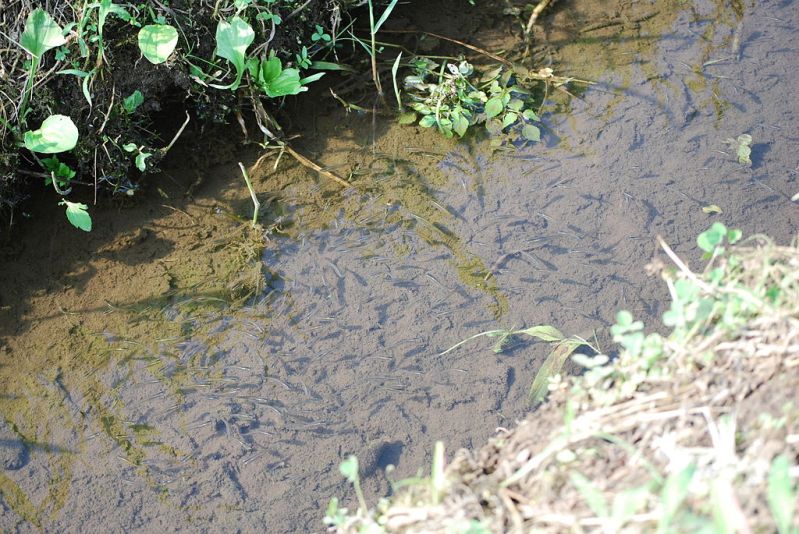
旧有记录涉及日本、朝鲜半岛东部、中国东部及台湾、老挝和越南,其中中国大陆、老挝及越南的一些群体可能实际属于其他近似种。另有多国引入记录,不与原生范围混写。利用沿岸汽水、淡水林溪、稻田、农渠、河流及水潭等多类环境。
饲养环境
小群底面积至少参考 45 × 30 厘米。深色底床、密植区、根枝及水面植物与开阔区搭配,有利于显色和鱼苗藏身。适宜范围偏凉,长期温暖可能缩短寿命;是否加温取决于实际环境,不能机械全年升温。野采个体需了解来源,部分适合淡水,部分可能需海盐。
食性与喂食
天然捕食小昆虫、蠕虫、甲壳类和其他浮游动物。可用适口薄片颗粒,配每天的小型活冷冻饵,例如水蚤、丰年虾和碎红虫。
习性与混养
建议八尾以上,通常相互温和。伙伴不仅要小而温和,也必须适应同样温度和盐度;繁殖宜单种养,避免与其他青鳉杂交。
雌雄区分
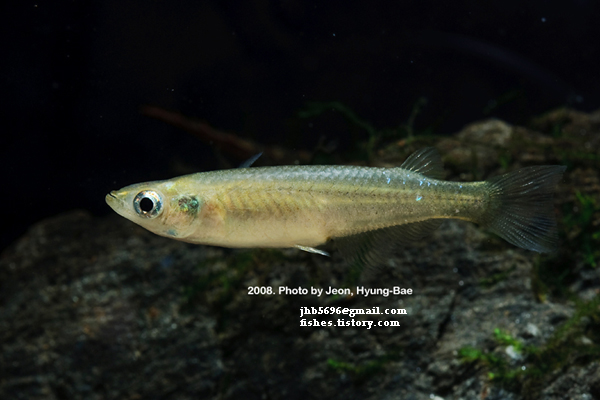
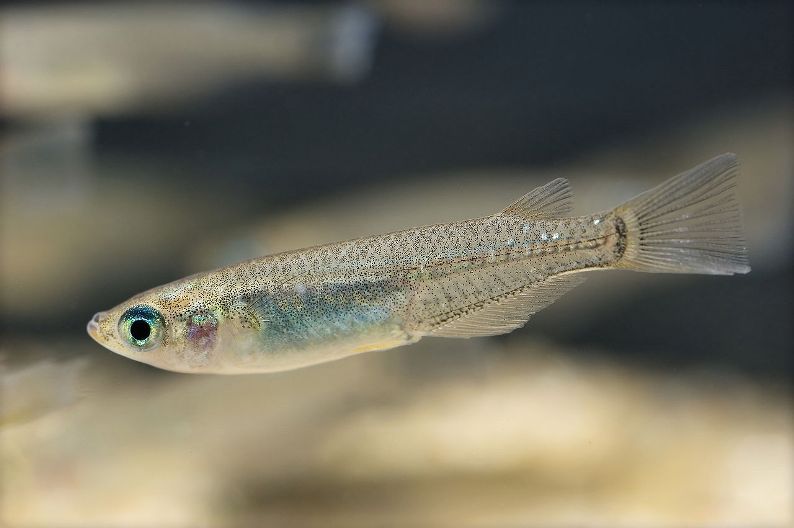
雄鱼较纤细,背鳍、臀鳍有延长鳍条且外缘较凸;雌鱼对应鳍形不同,部分雌鱼腹鳍也会延长。雄性生殖突短管状,雌性双叶状,可结合整体鳍形判断。
繁殖
状态良好时可频繁产卵,常在清晨,雄鱼变深色并争临时小领地。卵排出成团同时受精,短暂挂在雌鱼生殖孔外,再分散附到细叶草、莫丝或产卵拖把。
通常一至三周孵化,温度会影响速度。成鱼往往不吃卵,但会捕食游动鱼苗;密植可保留少数,育苗更可控的做法是分出卵苗,用亲鱼缸水饲养。开口用微虫或丰年虾无节幼体,分开大小差距明显的幼鱼,防止大吃小。
补充说明
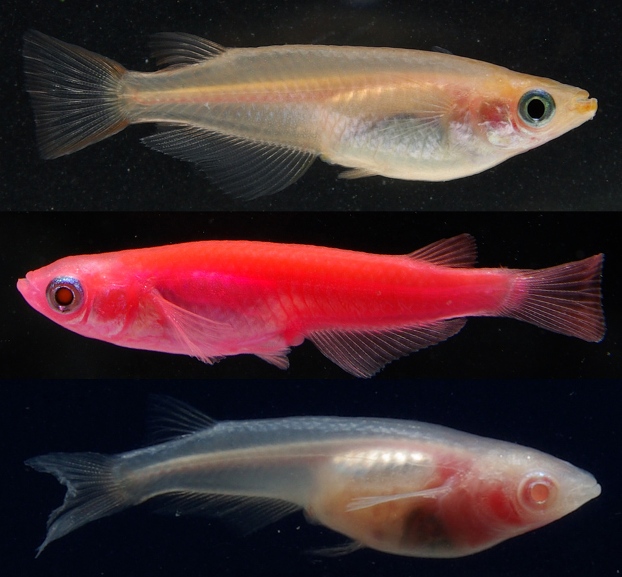
这种鱼长期用于遗传与实验生物学研究,也有多种人工体色形式。观赏色型不能代替物种与来源核对,尤其需留意近似野生群体的名称混淆。
图片
图片来自 SeriouslyFish,版权归各摄影者所有。
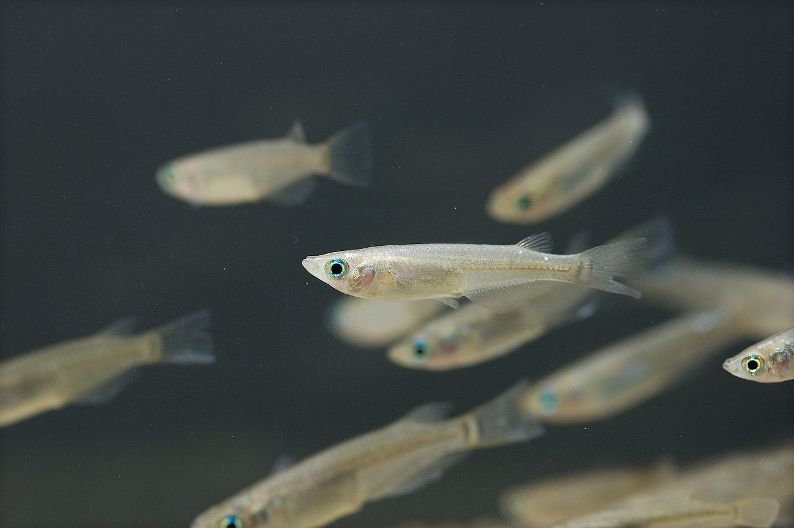
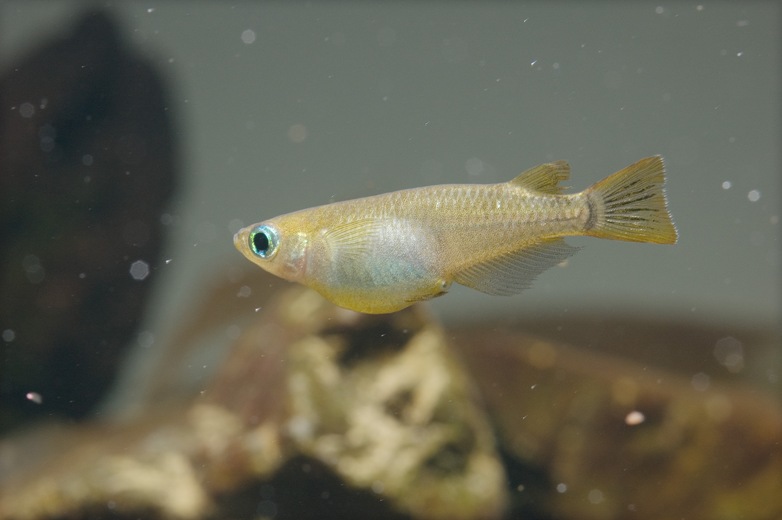
English
Overview
A temperate to subtropical ricefish, Oryzias latipes suits cooler conditions with seasonal variation rather than permanent tropical warmth. Golden ornamental forms are familiar in the hobby. A planted group allows both social activity and morning egg-carrying behavior to be observed.
Distribution & habitat
Records have included Japan, eastern Korea, eastern China and Taiwan, Laos, and Vietnam. Some mainland Chinese, Lao, and Vietnamese populations may belong to a related species, while introductions elsewhere are separate from native distribution. Habitats include coastal waters, freshwater streams, rice fields, canals, and pools.
Aquarium setup
Provide at least a 45 by 30 cm footprint with dense plant patches, dark substrate, wood, surface cover, and open areas. This supports color and fry refuge. Prolonged warmth may shorten life, so heating should follow actual conditions rather than a fixed tropical routine. Wild fish also require origin checks because freshwater and saline needs can differ among populations.
Diet & feeding
Natural prey are tiny insects, worms, crustaceans, and zooplankton. Combine suitably sized prepared foods with daily small live or frozen invertebrates.
Behaviour & compatibility
Keep eight or more with similarly peaceful companions suited to the same temperature and salinity. A single-species breeding setup avoids crosses with other ricefish.
Sexual dimorphism
Males are slimmer with extended rays and convex dorsal and anal fins. Female fin shapes differ, though some females also have long pelvic rays. A tubular male versus bilobed female genital papilla offers another distinction.
Breeding
Good condition supports frequent morning spawning. Males darken and defend small temporary patches. Eggs are released and fertilized together, carried externally for a short time, and then attached among fine vegetation or mops.
Hatching generally takes one to three weeks, influenced by temperature. Adults often ignore eggs but prey on swimming fry. Dense plants can preserve a few; separate rearing in parental water offers more control. Start with microworms or Artemia nauplii, and separate markedly different-sized young.
Notes
Long used in genetic and experimental research, it also has ornamental color forms. A selected color does not replace verification of species and origin, especially where wild populations have been confused.
来源
- https://www.seriouslyfish.com/species/oryzias-latipes(抓取于 2026-10-10)
oryzias-latipes · 文件: data/species/oryzias-latipes.md · 状态: 草稿