腹大眼非鲫
概要
| 字段 | 值 |
|---|---|
| 类别 | 鱼 |
| 学名 | Ophthalmotilapia ventralis |
| 别名 | 腹大眼非鯽 |
| 分类 | 慈鲷目 Cichliformes › 慈鲷科 Cichlidae › Ophthalmotilapia |
| 水体 | 淡水 |
| 成体体长 | 15 cm |
| 饲养难度 | 中等 |
| 最小水体 | 231 L |
| 最小缸长 | 135 cm |
| 群居方式 | 成对 |
| 领地性 | 是 |
| 外部数据 | seriouslyfish ophthalmotilapia-ventralis;fishbase 8777 |
| 原产地 | 坦噶尼喀湖 |
| 食性 | 浮游生物食性 |
| 繁殖方式 | 口孵 |
| 特征 | 翻底砂: 是 |
水质参数
| 参数 | 耐受范围 | 最适范围 | 单位 |
|---|---|---|---|
| 水温 | 23–27 | — | °C |
| pH | 7.5–9 | — | — |
| 总硬度 | 8–25 | — | dGH |
概述
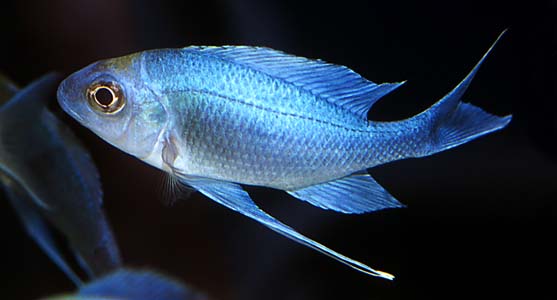
腹大眼非鲫(Ophthalmotilapia ventralis)具有丰富的产地色型,雄鱼延长的腹鳍在求偶时很显眼。它平时相对温和,但繁殖雄鱼需要大片领地,不能因为体型不算巨大就压缩活动空间。
分布与栖息地
坦噶尼喀湖特有种,分布涉及多数岸线,但部分区域仍缺乏充分调查。常生活在浅水岩岸,离岩坡不远的开放水域是摄食浮游生物的场所。
饲养环境
分散岩石形成躲藏洞穴,保留大块开放水域和砂面。使用成熟有效的生物过滤,耐硬水植物或沉木可有可无。布置应兼顾雄鱼建巢和雌鱼避让,而不是把全缸装成没有游动空间的石墙。
食性与喂食
自然食物包括浮游生物,人工投喂通常不挑食。应避免高蛋白食物,保证螺旋藻饲料、焯软菠菜等植物性内容进入食谱。
习性与混养
宜选择安静温和的同伴,被更强势的鱼压制时容易躲缩、褪色。雄鱼会排斥其他雄鱼,除特别大的设施外,通常每雄配多雌。野外优势雄鱼建巢,非优势雄鱼和雌鱼则可结群;这不意味着小缸可以照搬多雄群体。
雌雄区分
雄鱼更大、颜色更鲜明,鳍更长,腹鳍延长尤其明显。
繁殖
雌鱼口孵,雄鱼会在砂中挖环状巢,也可能把砂搬到较高的平石上。雌鱼产卵后立即含卵,并通过追逐雄鱼腹鳍末端的卵状结构完成受精过程。
含育约三至四周,雌鱼暂停摄食。不要因看到口部膨大就反复捕捞检查,过度惊扰可能让她提前吐卵或吞卵。若需转移,应考虑骚扰程度及离群后重新建立地位的风险。释放鱼苗时可立即提供丰年虾幼体和细碎螺旋藻薄片。
补充说明
不同产地色型容易杂交,宜分开饲养繁殖并保留来源记录。颜色多样不等于可以用商品色型名称替代可靠的物种与产地信息。
图片
图片来自 SeriouslyFish,版权归各摄影者所有。
English
Overview
The extended male pelvic fins and many locality color forms make Ophthalmotilapia ventralis distinctive. Its fairly peaceful ordinary behavior should not obscure the space required by a breeding male's territory.
Distribution & habitat
Endemic to Lake Tanganyika, it occupies much of the shoreline, although some areas remain incompletely surveyed. Shallow rocky margins adjoin open feeding space where plankton is taken.
Aquarium setup
Use scattered rocky shelters while preserving broad swimming areas and exposed sand. Mature biological filtration is essential; suitable hard-water plants or wood are optional. The layout needs to support nest building and female escape rather than filling the entire tank with stone.
Diet & feeding
Plankton forms part of the natural diet. Most captive foods are accepted, but protein-heavy offerings should be avoided. Include vegetable components such as spirulina preparations or softened spinach.
Behaviour & compatibility
Calm companions are preferable. More forceful fishes may suppress activity and male coloration. Usually keep one male with several females unless space is exceptional. In nature, dominant males build nests while subordinate males and females group together; that arrangement should not be assumed workable in a small aquarium.
Sexual dimorphism
Males become larger and more vividly colored, with longer fins and particularly elongated pelvics.
Breeding
The male excavates a craterlike sand nest or transports sand onto an elevated flat rock. The female gathers eggs immediately and responds to the egglike structures at his pelvic-fin tips during fertilization.
Maternal oral incubation lasts approximately three to four weeks without feeding. Repeated capture or inspection can cause premature release or brood loss. Any decision to move her should weigh harassment against disturbance and the social consequences of returning after an absence. Released fry can immediately take Artemia nauplii and finely crushed spirulina flakes.
Notes
Locality forms interbreed readily. Keep breeding lines separate and retain provenance rather than using a commercial color label as a substitute for reliable identity.
来源
- https://www.seriouslyfish.com/species/ophthalmotilapia-ventralis(抓取于 2026-10-10)
ophthalmotilapia-ventralis · 文件: data/species/ophthalmotilapia-ventralis.md · 状态: 草稿