贡氏假鳃鮰 · Gunther's Nothobranch
概要
| 字段 | 值 |
|---|---|
| 类别 | 鱼 |
| 学名 | Nothobranchius guentheri |
| 别名 | 貢氏假鰓鮰、Redtail Notho、Fundulus guentheri、Adiniops guentheri、Aphyosemion guentheri |
| 分类 | 鳉形目 Cyprinodontiformes › 假鳃鳉科 Nothobranchiidae › Nothobranchius |
| 水体 | 淡水 |
| 原产地 | 坦桑尼亚 |
| 成体体长 | 4.1 cm |
| 饲养难度 | 中等 |
| 最小水体 | 41 L |
| 最小缸长 | 45 cm |
| 群居方式 | 成对 |
| 水流偏好 | 低 |
| 特征 | 会跳缸: 是 |
| 外部数据 | seriouslyfish nothobranchius-guentheri;fishbase 4715 |
| 食性 | 肉食 |
| 领地性 | 是 |
| 繁殖方式 | 附着产卵 |
水质参数
| 参数 | 耐受范围 | 最适范围 | 单位 |
|---|---|---|---|
| 水温 | 22–25 | — | °C |
| pH | 6.5–8 | — | — |
概述
贡氏假鳃鮰(Nothobranchius guentheri)是桑给巴尔温古贾岛的周年鳉,依靠泥中的卵延续种群。它常被用于初次尝试周年鳉繁殖,但成鱼寿命短,维持血系需要把储卵和育苗纳入日常计划。
分布与栖息地
仅分布于坦桑尼亚桑给巴尔群岛的主岛温古贾。沿海低地的季节性水池和沼泽雨季蓄水,旱季完全干涸,常较浑浊;部分地点位于农地,面临排水及改作稻田的压力。
饲养环境
一雄配两至三雌,底面积至少参考 45 × 30 厘米。使用深色软底、密植水草、浮水植物及沉木作遮蔽,保持柔和光线。缸盖严密,过滤温和,小型气动海绵过滤即可。
食性与喂食
以微小动物为食,水蚤、丰年虾和红虫等活冷冻饵应作为基础,多数个体只偶尔接受干粮。
习性与混养
最好单养。雄鱼互相争斗,除非空间足够各自占据地盘,否则以一雄为宜;每雄配两至三雌可减轻单一雌鱼承受的追逐压力。
雌雄区分
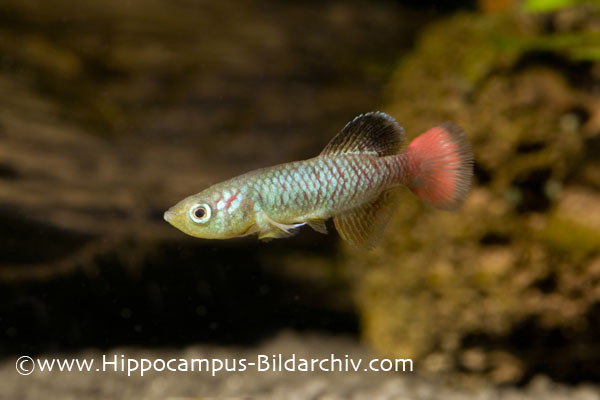
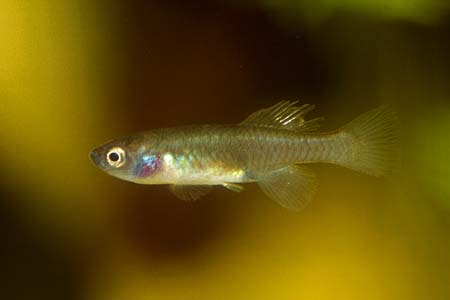
雄鱼较大、蓝绿色,鳃盖带两至三条红色斜纹,红尾后缘有黑边。雌鱼较小、黄褐色,身体和鳍没有同样的斑纹。
繁殖
雌雄先分开调养,再将一雄两雌放入有泥炭层的小缸产卵。虽可连续产卵数周,约一周后就宜分开恢复,避免雌鱼耗弱。
取出的泥炭晾至湿润但不滴水,密封装袋,标注物种和日期。常见储卵期约 8–14 周,过早湿水可能得到体弱鱼苗。把泥炭放入育苗缸浅水中促孵;若孵化少,可再干存几周后重试,部分卵发育更慢。
鱼苗起初用草履虫等微小食物,约两天后尝试丰年虾无节幼体或微虫,约两周后逐渐增大饵料。水深随成长增加,每两至三天少量换水;鱼苗较易患丝绒病。
补充说明
本种曾与近似种混淆,雄鱼红尾黑边及雌鱼无斑的组合有助核对身份。狭小分布区和季节性水池的消失,使产地与血系保存尤其重要。
图片
图片来自 SeriouslyFish,版权归各摄影者所有。
English
Overview
Endemic to Unguja, Nothobranchius guentheri survives seasonal habitat loss through eggs in the mud. It is often chosen for a first attempt at annual killifish breeding, but maintaining a line requires egg storage and fry rearing rather than relying on long-lived adults.
Distribution & habitat
It is native only to Unguja, the main island of Zanzibar. Coastal lowland pools and marshes fill during rain and dry completely later. Their water is often turbid, and agricultural drainage or conversion to rice fields threatens some sites.
Aquarium setup
Allow at least a 45 by 30 cm footprint for one male with two or three females. Dark soft substrate, dense plants, floating cover, and wood create retreats under subdued light. Use a secure lid and gentle filtration, such as an air-driven sponge unit.
Diet & feeding
Base feeding on live or frozen small invertebrates. Most fish take dry foods only occasionally, so these should not be the sole planned diet.
Behaviour & compatibility
A species aquarium is preferable. Males fight, so keep only one unless sufficient room allows separate territories. Two or three females per male distribute persistent courtship pressure.
Sexual dimorphism
Males are larger and blue-green, with red oblique gill-cover bars and a red tail edged black at the rear. Smaller yellow-brown females lack those markings.
Breeding
Condition the sexes separately, then spawn a male and two females over peat. Although spawning can continue for weeks, return the breeders to conditioning after about a week to avoid exhausting females.
Remove the peat, dry it until damp rather than wet, and seal it in a labeled bag. Accounts commonly use 8–14 weeks of storage; premature wetting can produce weak fry. Place the peat in shallow rearing water to hatch it. If few eggs hatch, another few weeks of dry storage followed by rewetting may suit the slower-developing eggs.
Begin fry on infusoria, introducing Artemia nauplii or microworms after about two days and larger foods around two weeks. Increase depth gradually and make small water changes every two or three days, as fry are prone to velvet disease.
Notes
Past confusion with related fishes makes identity checks useful. The male red tail with its black rear edge and unmarked females provide practical clues. Its small native range and disappearing seasonal pools reinforce the value of preserving locality information.
来源
- https://www.seriouslyfish.com/species/nothobranchius-guentheri(抓取于 2026-10-10)
nothobranchius-guentheri · 文件: data/species/nothobranchius-guentheri.md · 状态: 草稿