爱氏假鳃鮰
概要
| 字段 | 值 |
|---|---|
| 类别 | 鱼 |
| 学名 | Nothobranchius eggersi |
| 别名 | 愛氏假鰓鮰 |
| 分类 | 鳉形目 Cyprinodontiformes › 假鳃鳉科 Nothobranchiidae › Nothobranchius |
| 水体 | 淡水 |
| 原产地 | 坦桑尼亚 |
| 成体体长 | 5 cm |
| 饲养难度 | 中等 |
| 最小水体 | 41 L |
| 最小缸长 | 45 cm |
| 群居方式 | 成对 |
| 外部数据 | seriouslyfish nothobranchius-eggersi;fishbase 9852 |
| 食性 | 肉食 |
| 繁殖方式 | 附着产卵 |
水质参数
| 参数 | 耐受范围 | 最适范围 | 单位 |
|---|---|---|---|
| 水温 | 20–24 | — | °C |
| pH | 7–8.2 | — | — |
| 总硬度 | 10–30 | — | dGH |
概述
爱氏假鳃鮰(Nothobranchius eggersi)是依靠卵度过旱季的周年鳉。成鱼所在水池干涸后死亡,留在底床中的受精卵耐受干燥,雨季重返水域时再孵化;饲养规划应包括下一代卵的保存。
分布与栖息地
模式地点在坦桑尼亚东部鲁菲吉河乌泰泰附近,似乎主要局限于鲁菲吉河下游及三角洲的淡水区域。栖息低地泛滥平原的季节性水洼、池塘和沼泽,每年有数月完全干涸。
饲养环境
即使只养一对,日常底面积也应至少参考 45 × 30 厘米;短期隔离繁殖才可使用更小空间。维持饲养并非必须用泥炭,但泥炭常作为产卵介质。
食性与喂食
天然以微小动物为食,小型活饵和冷冻饵应作为基础,可喂水蚤、丰年虾和切碎红虫。
雌雄区分
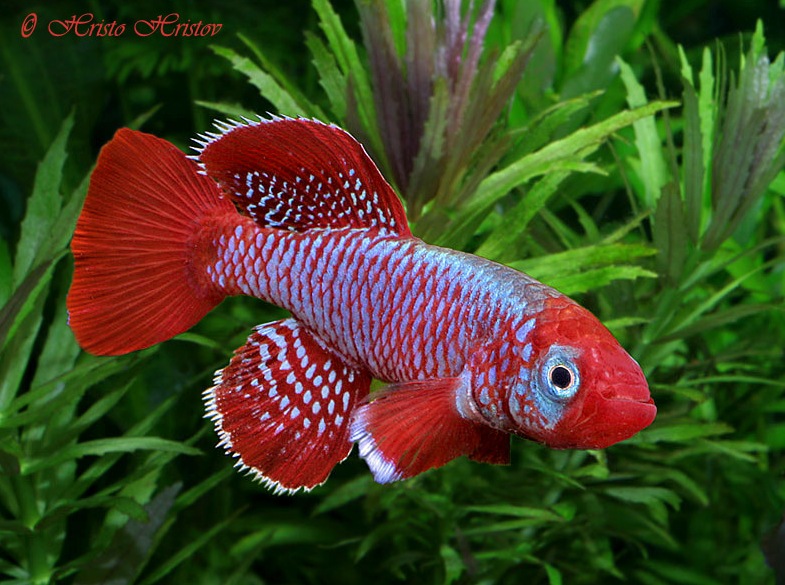
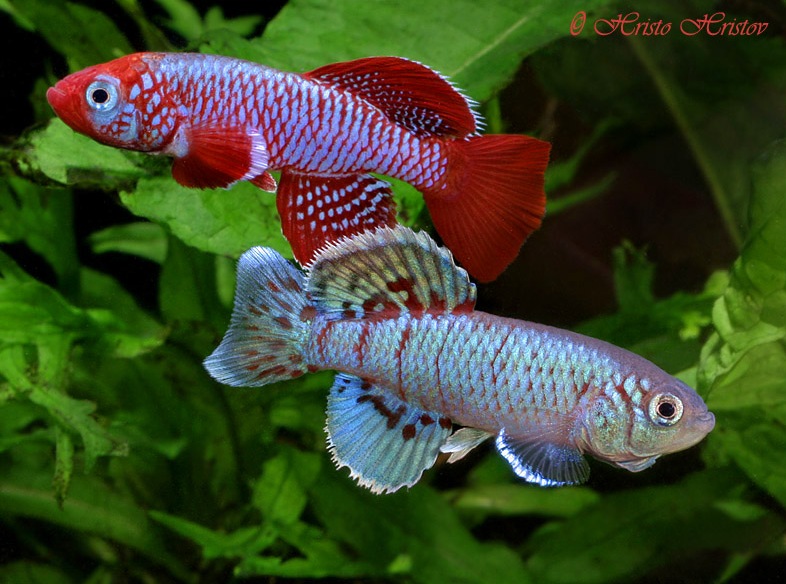
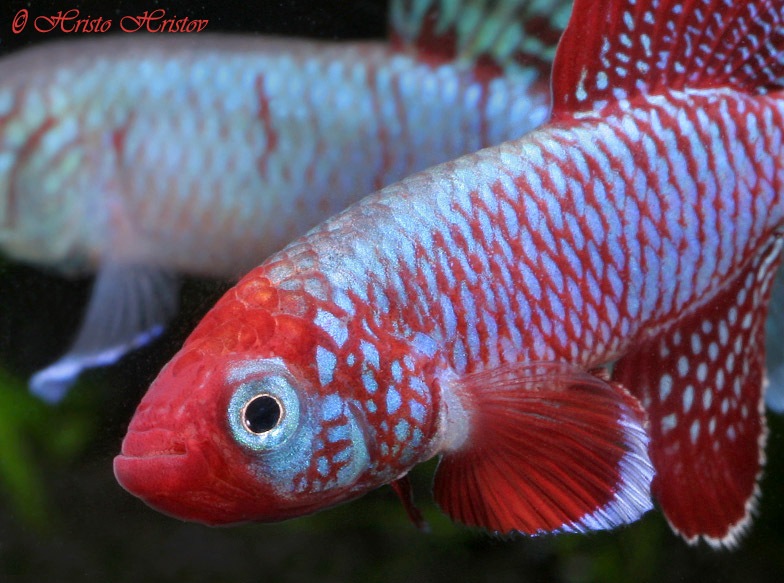
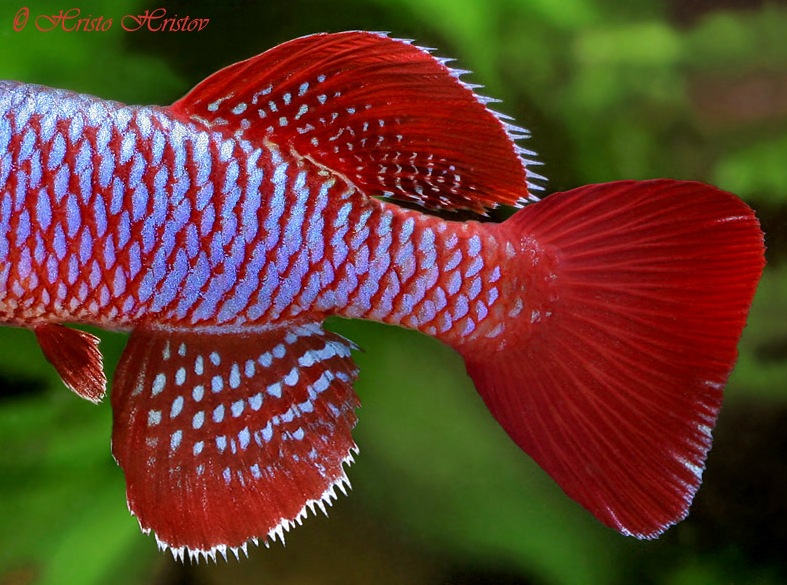
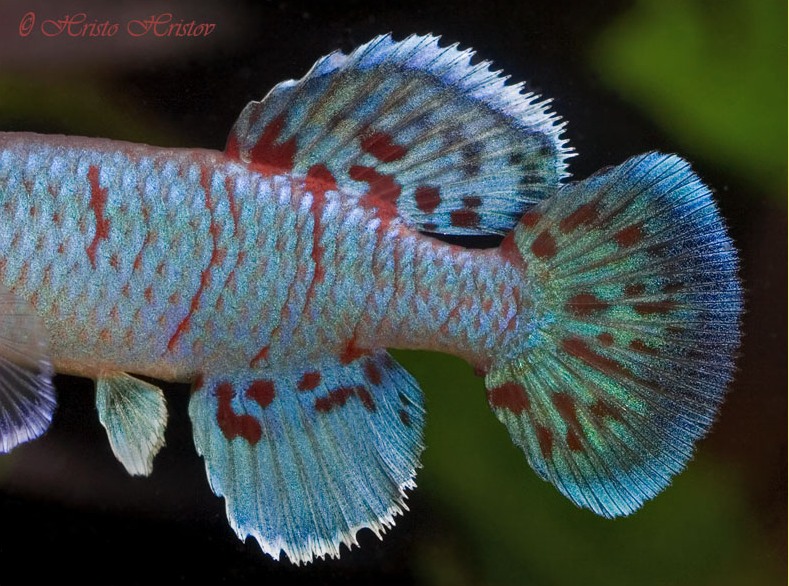
雄鱼体形较大,颜色远比雌鱼鲜艳。
繁殖
旱季的卵可在底床中等待约五至六个月至雨季回归。孵出的鱼苗生长很快,约三周即可性成熟;水族箱内常见寿命约 6–16 个月。人工储卵通常约三至四个月后再湿水孵化,不能仅按野外旱季长度安排。
鱼苗尤其容易受到卵甲藻感染;有饲养者会少量使用海盐降低风险,但这不代表本种必须按汽水鱼饲养。
补充说明
野生采集血系应保留地点、年份及编号,避免不同种群杂交。仅标“红色”或“蓝色”的水族品系通常反映主要体色,不能替代具体产地记录。
图片
图片来自 SeriouslyFish,版权归各摄影者所有。
English
Overview
An annual killifish, Nothobranchius eggersi survives seasonal drying through its eggs. Adults die when the pools disappear, while fertilized eggs remain in the substrate until renewed flooding allows the next generation to hatch.
Distribution & habitat
Described from the Rufiji near Utete in eastern Tanzania, it is apparently restricted to the lower river and freshwater delta region. Temporary depressions, pools, and swamps on lowland floodplains lose their water for several months each year.
Aquarium setup
Even a pair should have at least a 45 by 30 cm footprint for routine maintenance. Smaller quarters are reserved for temporary spawning isolation. Peat is not essential for keeping the adults, though it is often chosen as an egg-laying medium.
Diet & feeding
As a micropredator, it needs small live or frozen animal foods as the dietary foundation. Daphnia, Artemia, and chopped bloodworms are suitable examples.
Sexual dimorphism
Males are larger and much more colorful than females.
Breeding
Wild eggs can remain in the dry substrate for roughly five to six months until rain returns. Fry grow rapidly and may mature at about three weeks. Typical aquarium life spans are around 6–16 months, while captive eggs are commonly stored for three to four months before wetting.
Fry are particularly susceptible to Oodinium. Some keepers use a small amount of marine salt as a precaution, but this practice does not establish a brackish-water requirement.
Notes
Keep collection location, year, and code with wild-derived lines to limit hybridization. Aquarium labels such as red or blue describe predominant coloration and do not substitute for locality information.
来源
- https://www.seriouslyfish.com/species/nothobranchius-eggersi(抓取于 2026-10-10)
nothobranchius-eggersi · 文件: data/species/nothobranchius-eggersi.md · 状态: 草稿