后鳍花鳅 · Ajime Loach
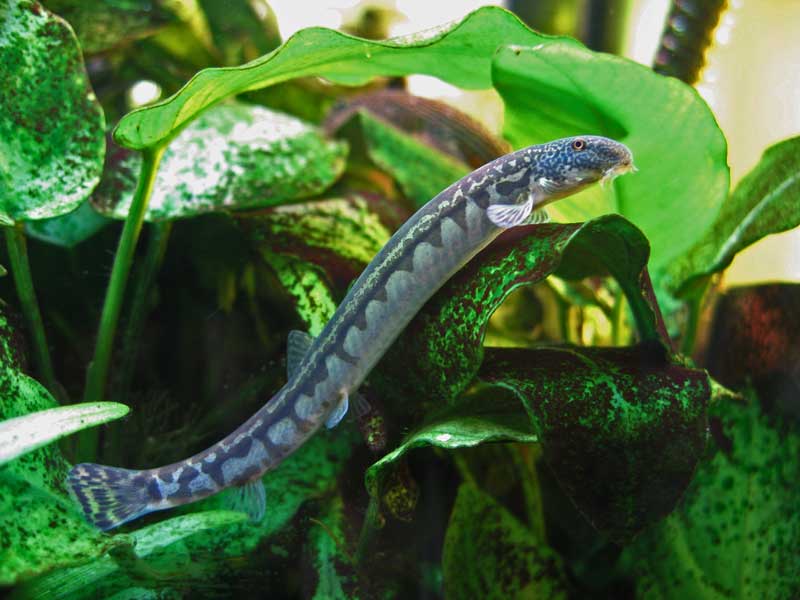
概要
| 字段 | 值 |
|---|---|
| 类别 | 鱼 |
| 学名 | Niwaëlla delicata |
| 别名 | 细鳅、後鰭花鰍、細鰍、Cobitis delicata |
| 分类 | 鲤形目 Cypriniformes › 鳅科 Cobitidae › Niwaëlla |
| 水体 | 淡水 |
| 原产地 | 日本 |
| 成体体长 | 11 cm |
| 饲养难度 | 中等 |
| 最小水体 | 81 L |
| 最小缸长 | 90 cm |
| 群居方式 | 群游 |
| 水流偏好 | 高 |
| 特征 | 会跳缸: 是 |
| 外部数据 | seriouslyfish niwaella-delicata;fishbase 22941 |
| 领地性 | 是 |
水质参数
| 参数 | 耐受范围 | 最适范围 | 单位 |
|---|---|---|---|
| 水温 | 20–24 | — | °C |
| pH | 6.5–7.5 | — | — |
| 总硬度 | 0–8 | — | dGH |
概述
后鳍花鳅(Niwaëlla delicata)来自日本本州中部的清凉急流。饲养重点是清洁、高含氧的水和成熟附着生物膜;它能攀爬玻璃,缸盖也必须严密。
分布与栖息地
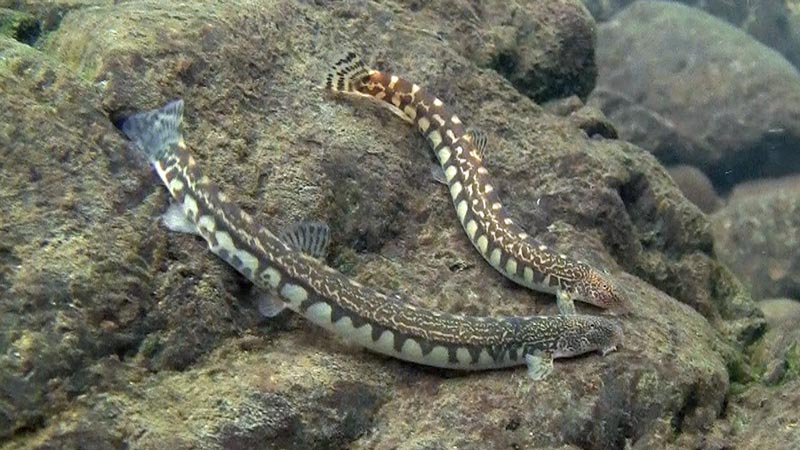
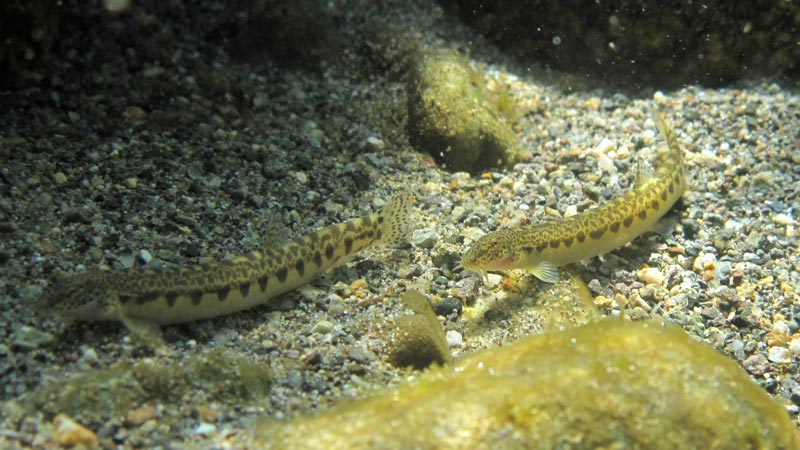
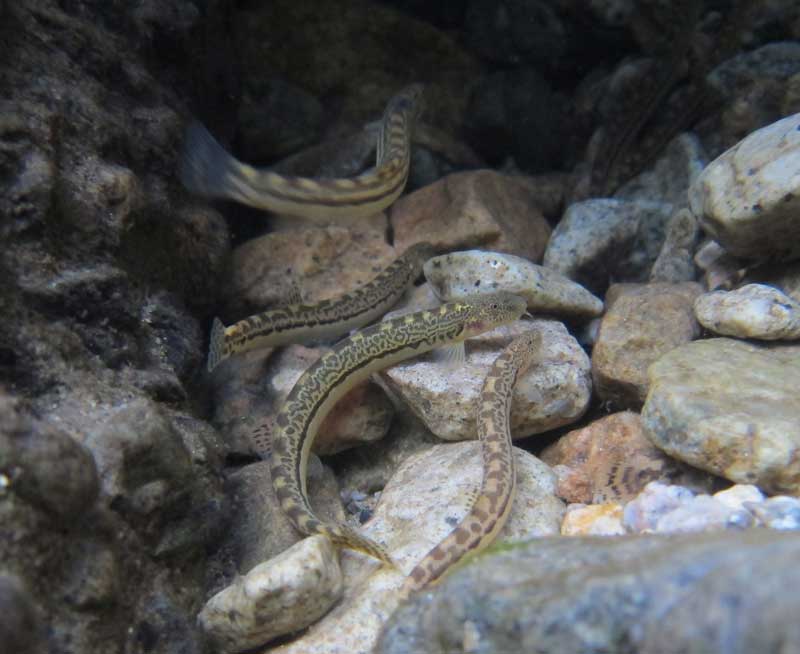
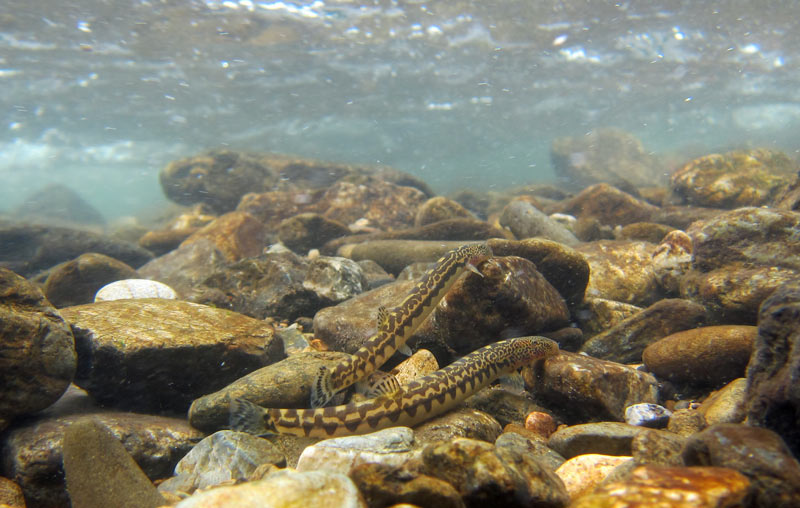
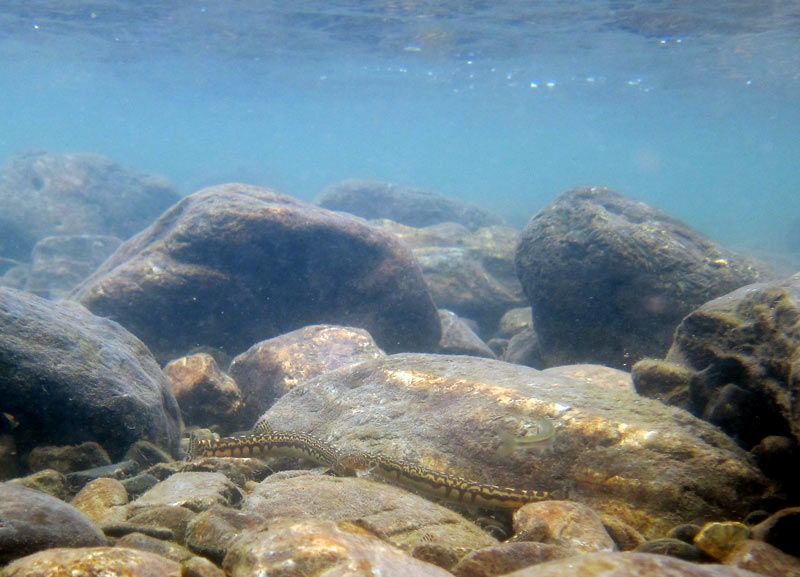
看来局限于日本本州中部河流,模式产地为木曾川支流阿木川。生活在浅而快速流动、富氧的上游和小支流,急流浅滩之间夹有水潭或小瀑布。底床为沙砾、卵石和大小岩块,岸边植被与局部落叶常见,沉水植物通常较少。
清澈水体与阳光促进石面生物膜生长。野外冬季会退入溪流或潜流水域,在约 10 月至次年 4 月间休眠,之后出现繁殖活动。
饲养环境
缸底面积至少约 90 × 30 cm。应使用足够强的过滤,理想周转量约为每小时缸水量的 10~15 倍,必要时增加造流或气石。以沙、砾或两者混合为底,铺放圆滑石块和卵石。
照明应足以促进藻类及其伴生微生物生长。可用陈旧沉木,避免新木大量释色削弱光照;耐流、耐阴植物可作辅助遮蔽。应在生物过滤和附着藻膜成熟后入鱼,定期局部换水,同时保留大部分石面与非观赏面的生物膜。缸盖须贴合,不能只依赖高缸壁防逃。
食性与喂食
自然食物可能以刮取的底栖藻类和伴生微生物为主。成熟、长藻的石面是长期照顾的重点,也可提供优质干粮及以蔬菜、螺旋藻为较高比例的凝胶饲料。活饵或冷冻摇蚊幼虫可少量搭配,动物蛋白过多可能引起内部问题。
若缸中藻量不够,可另设强光容器培藻石,轮换放入。硅藻和柔软绿藻较适合,坚韧的黑毛藻不是同等食物来源。严重消瘦个体需要持续取得合适食物,并减少争食压力。
习性与混养
性情看来较温和,但强水流、高溶氧需求会限制混养对象。可考虑条件相容的溪流鱼、虾虎鱼或鳅类,仍需检查各自温度与取食需求。同种之间有一定领地性,但也需要同伴,建议至少 4 条;互动时可能发生较轻的争执。
雌雄区分
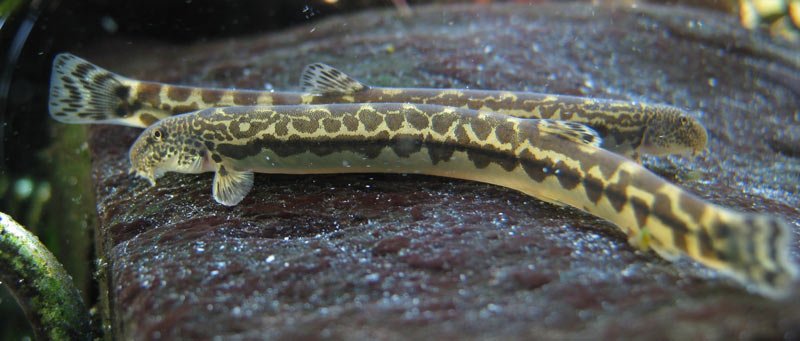
雄鱼不像多数花鳅那样具胸鳍骨质圆片,因此幼鱼较难准确分性。较老雌鱼可比雄鱼长约 15~20 mm,体形似乎也更深。
补充说明
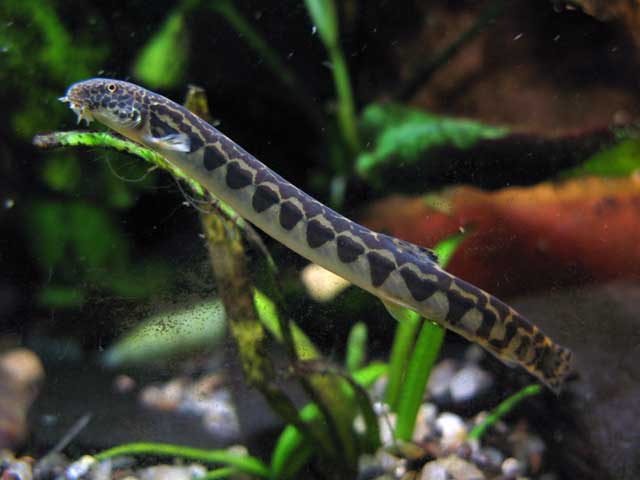
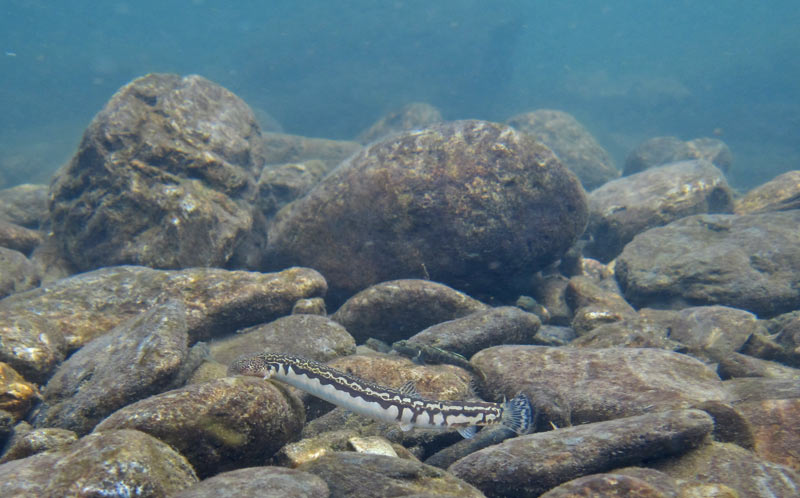
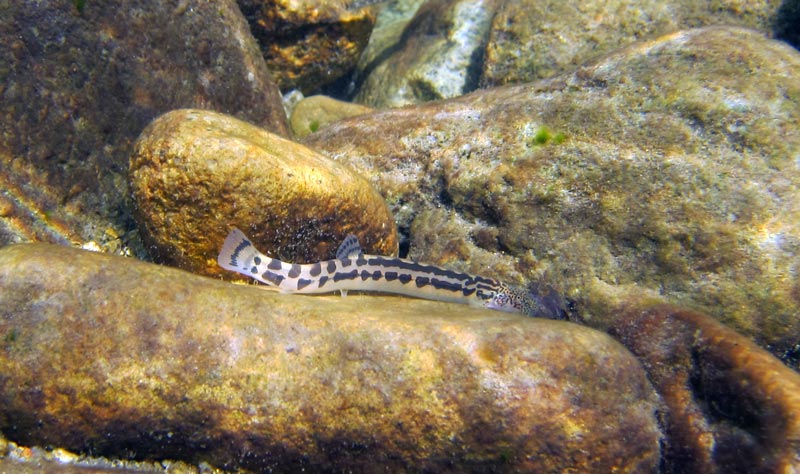
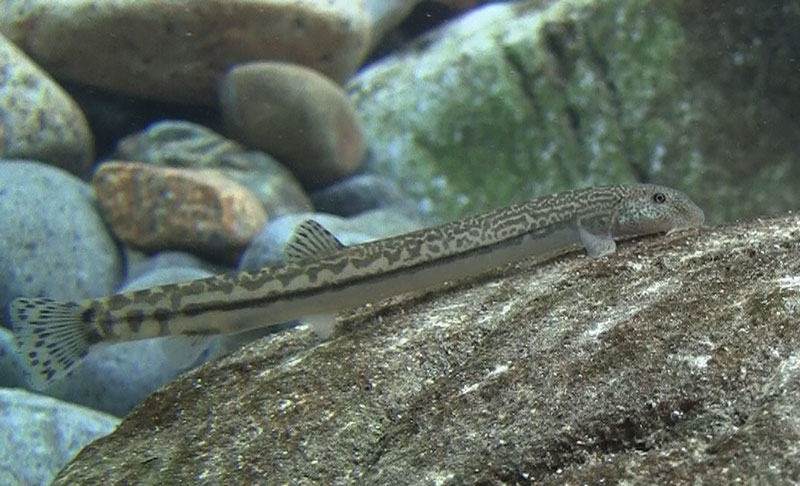
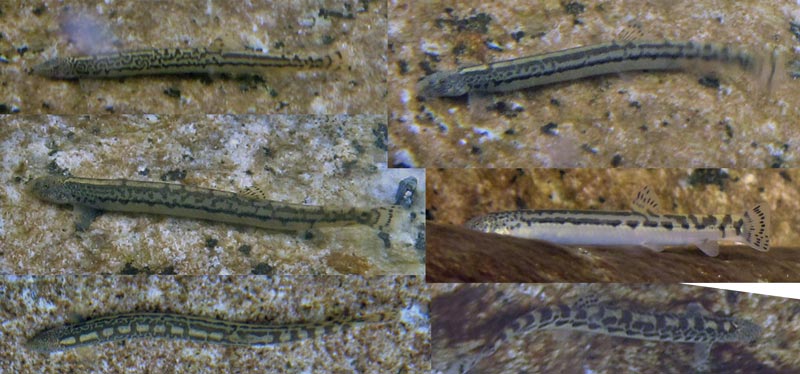
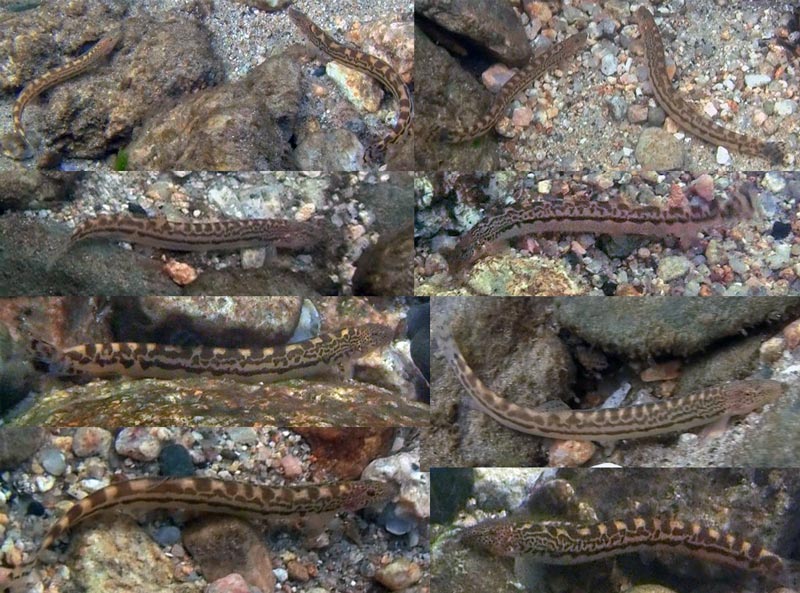
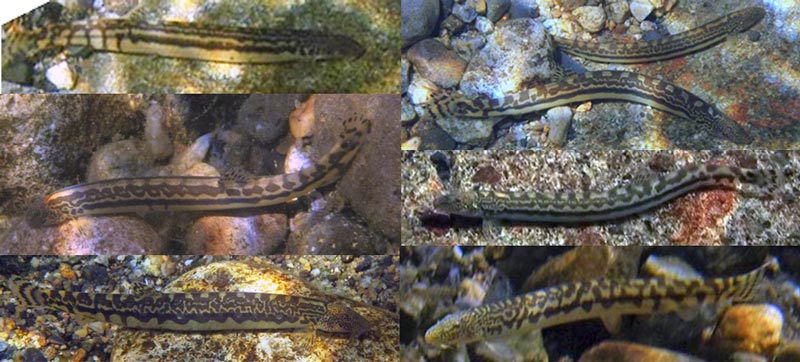
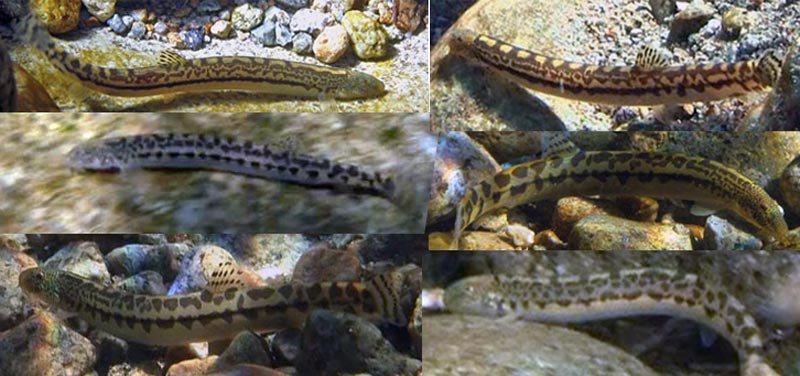
沿侧线的暗色纵带或一列斑块,是区别近缘种的线索。吸盘状口、小头部及身体后半部的背鳍也有识别价值。鳅类受惊时可伸出眼下棘,转移鱼时要注意缠网。
图片
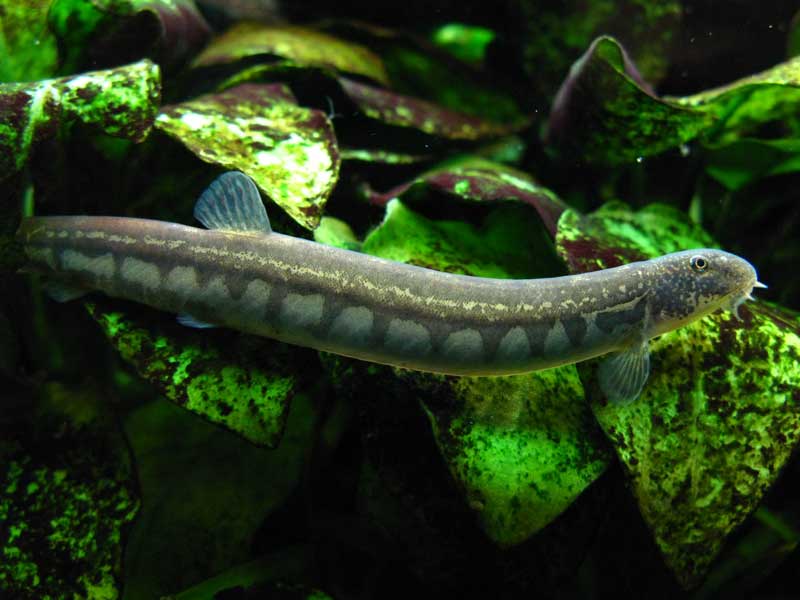
图片来自 SeriouslyFish,版权归各摄影者所有。
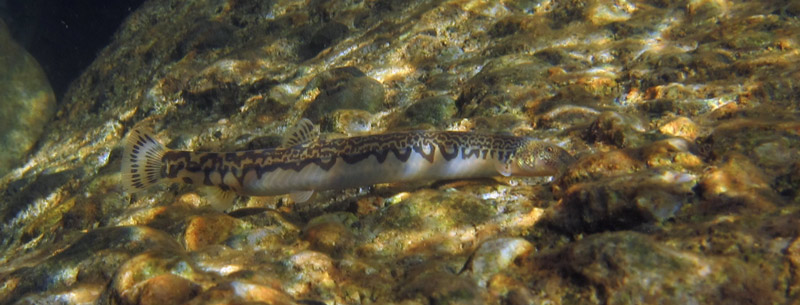
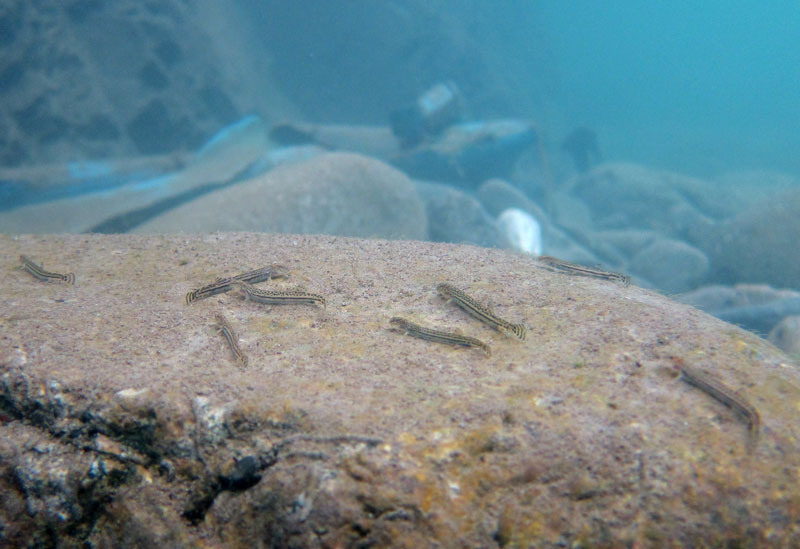
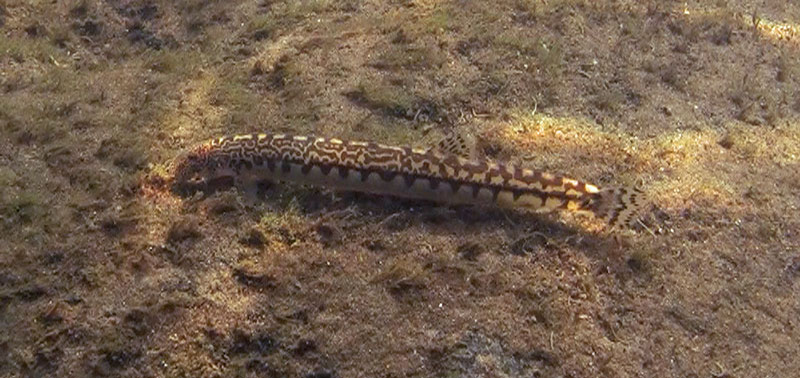
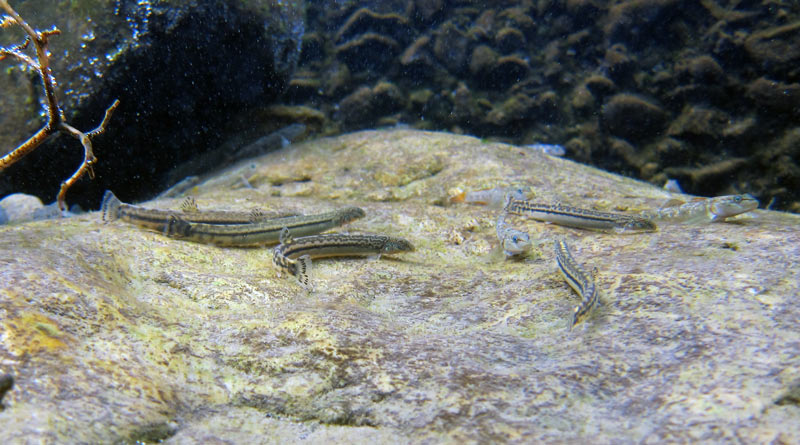
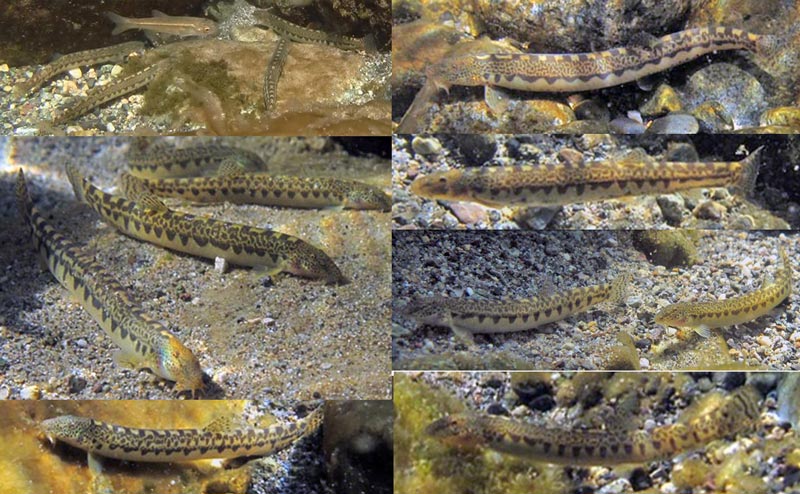
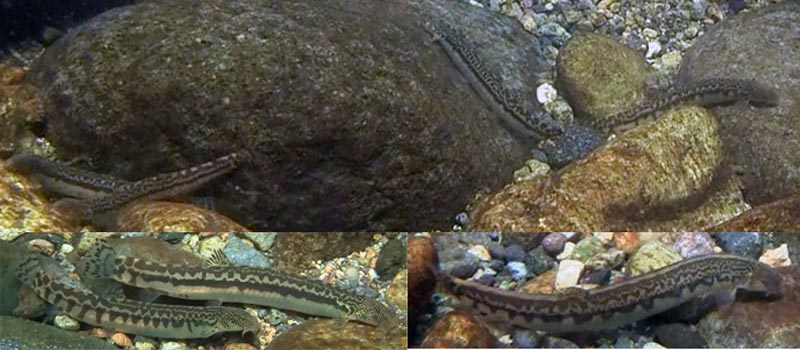
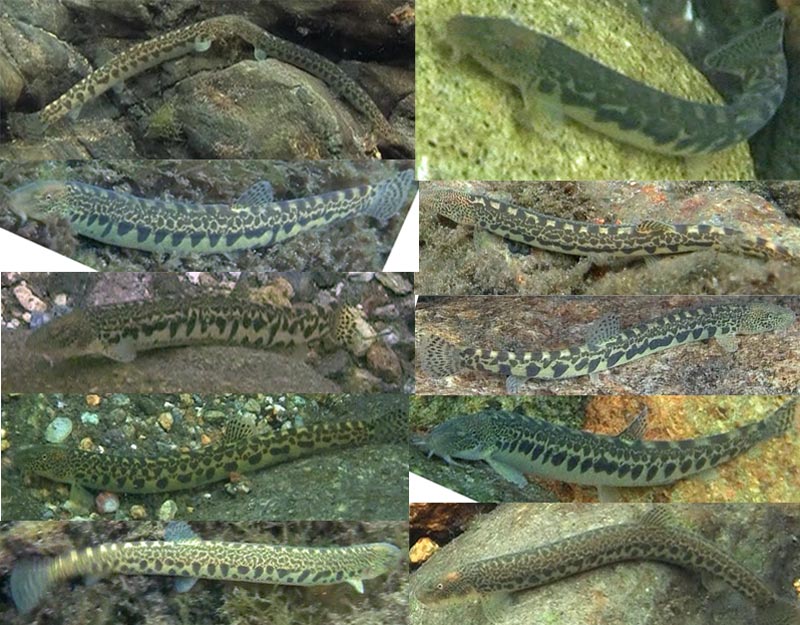
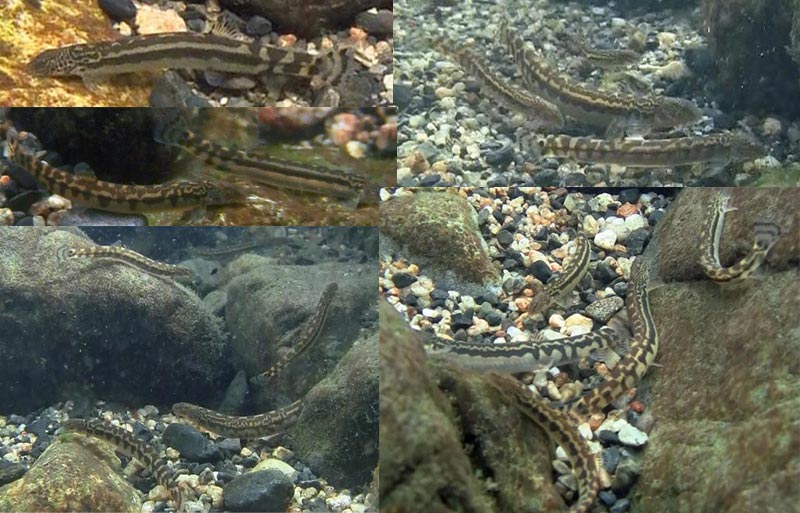
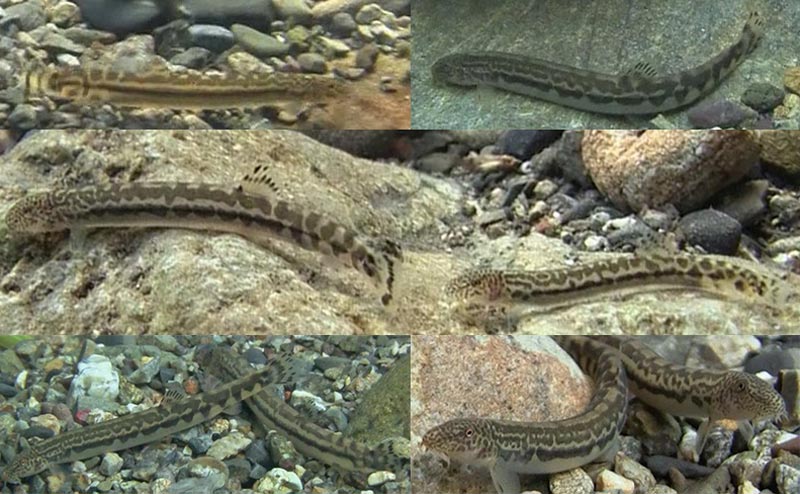
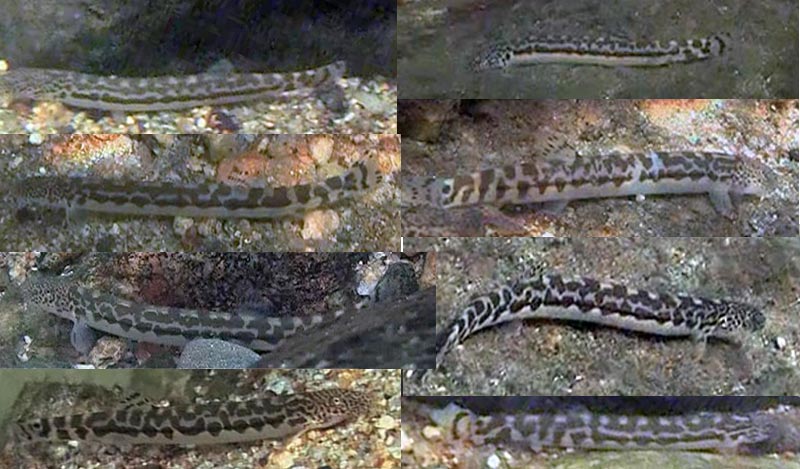
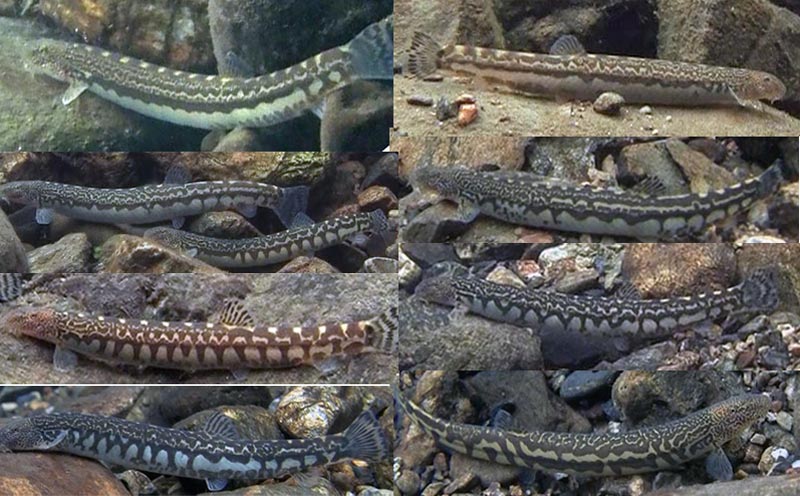
English
Overview
Niwaëlla delicata, the ajime loach, comes from cool, fast water in central Honshu, Japan. Clean, oxygen-rich water and mature surface growth are fundamental to its care. Its ability to climb glass also makes a tightly secured cover essential.
Distribution & habitat
The species appears restricted to river systems in central Honshu; its type locality is the Agi, a tributary of the Kiso. It inhabits shallow, highly oxygenated headwaters and small tributaries, where riffles and flowing runs alternate with pools or cascades.
Sand, gravel, pebbles, and boulders form the bottom. Bankside vegetation and patches of leaves are common, while submerged plants are usually scarce. Clear water and sunlight support rich biofilm on underwater surfaces. Wild fish retreat into streams or underflows for dormancy from roughly October to April, emerging afterward to spawn.
Aquarium setup
Allow a footprint of at least about 90 × 30 cm. Use substantial filtration, ideally turning over 10–15 aquarium volumes per hour, with extra circulation or aeration where necessary. Sand, gravel, or a mixture can support layers of smooth rocks and pebbles.
Lighting should promote algae and associated microorganisms. Aged wood is suitable, while newly introduced wood that strongly tints the water can reduce useful light. Adaptable plants may provide additional shelter. Introduce fish only after both biological filtration and surface growth have matured. Carry out regular partial water changes while retaining biofilm on rocks and most non-viewing surfaces. A close-fitting lid is necessary even with tall aquarium walls.
Diet & feeding
Its wild diet probably consists largely of benthic algae and organisms living among them. Mature, algae-covered surfaces are important for long-term care. Quality dry foods and gel foods containing substantial vegetables and Spirulina can supplement grazing. Small amounts of live or frozen bloodworms can be offered, but excessive animal protein may cause internal problems.
If the main aquarium cannot supply enough growth, cultivate algae on rocks in a separately lit container and rotate them into use. Diatoms and soft green algae are preferable to tough black brush algae. Severely thin fish need continuous access to appropriate food with little competition.
Behaviour & compatibility
It appears generally peaceful, although strong flow and high oxygen requirements restrict companion choices. Compatible stream fishes, gobies, and other loaches may be suitable after checking their temperature and feeding needs. Some territorial behavior occurs among conspecifics, yet their company is beneficial. Keep at least four, allowing for occasional minor disputes.
Sexual dimorphism
Males lack the pectoral lamina circularis typical of many other cobitids, making young fish difficult to sex. Older females can exceed males by about 15–20 mm and apparently develop deeper bodies.
Notes
A dark stripe or a line of blotches along the lateral line helps distinguish it from relatives. The suckerlike mouth, small head, and rearward dorsal-fin position are additional clues. Stress can cause loaches to extend sharp spines below the eyes, so take care to prevent net entanglement during transfer.
来源
- https://www.seriouslyfish.com/species/niwaella-delicata(抓取于 2026-10-10)
niwaella-delicata · 文件: data/species/niwaella-delicata.md · 状态: 草稿