三线新唇脂鲤 · Three-lined Neolebias
概要
| 字段 | 值 |
|---|---|
| 类别 | 鱼 |
| 学名 | Neolebias trilineatus |
| 别名 | 三線新唇脂鯉 |
| 分类 | 脂鲤目 Characiformes › 琴脂鲤科 Citharinidae › Neolebias |
| 水体 | 淡水 |
| 成体体长 | 3.5 cm |
| 饲养难度 | 入门 |
| 最小水体 | 41 L |
| 最小缸长 | 45 cm |
| 外部数据 | seriouslyfish neolebias-trilineatus;fishbase 11256 |
| 原产地 | 刚果民主共和国 |
| 繁殖方式 | 散卵 |
水质参数
| 参数 | 耐受范围 | 最适范围 | 单位 |
|---|---|---|---|
| 水温 | 23–26 | — | °C |
| pH | 6–7.2 | — | — |
| 总硬度 | 3–15 | — | dGH |
概述
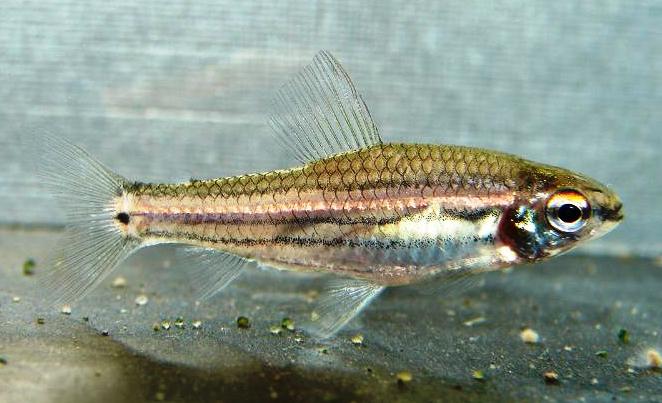
三线新唇脂鲤(Neolebias trilineatus)是胆怯的群居小鱼,需要植被与偏暗环境才容易安定。它在商店里可能色泽平淡,适宜条件下会明显显色,不能只按展示缸中的状态判断。
分布与栖息地
记录来自刚果民主共和国,具体野外微生境信息有限。
饲养环境
可从约 45 × 30 × 30 cm 的空间考虑。密植水草,配浮水植物、深色底砂和小块沉木作为遮蔽。照明宜弱,水流很缓或接近静水;偏软、酸性、有色水环境较合适。
食性与喂食
虽接受干粮,更偏爱活饵及冷冻食物,这类菜单也有助于显色。应留意胆小个体是否真正摄食,避免与强势伙伴争食。
习性与混养
同种群体和充足藏处很重要。活跃、好争抢的缸友不合适,小型温和鱼可考虑,但混养时可能比专门饲养更少露面。
雌雄区分
雄鱼略小于雌鱼,颜色更鲜艳,繁殖状态下差异尤其明显。
繁殖
本种散卵,缸内成功繁殖资料较少。用活饵和冷冻饵调养后,挑选饱满雌鱼及色泽好的雄鱼,在偏暗、软水酸性且带植物或产卵媒介的环境中尝试。底部隔卵网有助于保护卵。
雄鱼追逐后,双鱼并列颤动产卵。通常五十至一百枚,数日产卵可累计至约三百枚;卵很小,吸水后略膨大。约一天孵化,再经两至三天平游。先喂微型食物,约一周后才转丰年虾无节幼体或微虫。
补充说明
观察环境安定后的群体,比依据短暂的贸易展示颜色更能判断状态。环境应优先满足遮蔽和低竞争需求。
图片
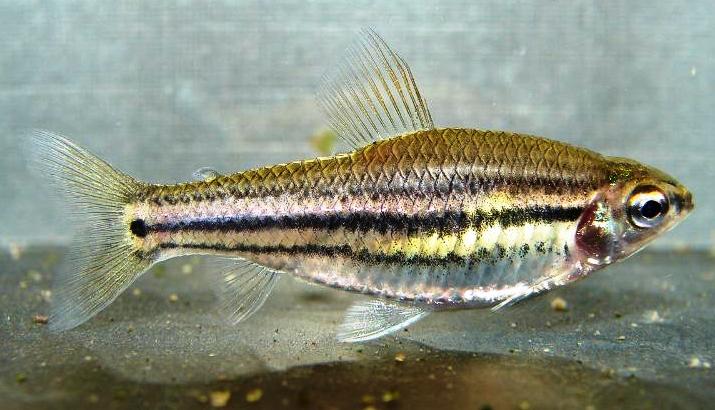
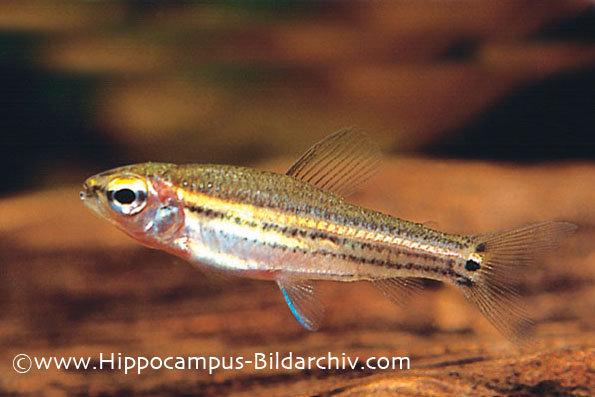
图片来自 SeriouslyFish,版权归各摄影者所有。
English
Overview
Neolebias trilineatus is a shy small schooling fish that needs vegetation and subdued surroundings to settle. Plain coloration in a sales aquarium may improve considerably under suitable conditions.
Distribution & habitat
Records concern the Democratic Republic of the Congo. Detailed natural microhabitat information is limited.
Aquarium setup
Consider accommodation around 45 × 30 × 30 cm. Dense plants, floating cover, dark substrate, and small pieces of wood provide retreats. Use low light and little water movement. Relatively soft, acidic, stained water is appropriate.
Diet & feeding
Dry food is accepted, but live and frozen offerings are strongly preferred and help bring out color. Check that timid individuals actually feed rather than losing out to assertive companions.
Behaviour & compatibility
Conspecific company and plentiful shelter are important. Boisterous or strongly competitive fishes are unsuitable. Small placid companions can be considered, although dedicated housing usually makes the fish more visible.
Sexual dimorphism
Males are slightly smaller and brighter than females, particularly in breeding condition.
Breeding
An egg scatterer with limited aquarium breeding records, it can be conditioned with live and frozen foods before selecting a full female and colorful male. Use a shaded, soft, acidic setup with plants or spawning material and a mesh barrier to protect eggs.
After pursuit, the pair quivers side by side. Fifty to a hundred eggs are typical, with roughly three hundred possible over several days. The tiny eggs swell slightly after deposition. Hatching occurs in about a day, followed by free swimming two or three days later. Start with microscopic food, only progressing to brine-shrimp nauplii or microworms after approximately a week.
Notes
Assess the settled group's behavior and color rather than relying on a brief trade display. Cover and limited feeding competition should guide aquarium planning.
来源
- https://www.seriouslyfish.com/species/neolebias-trilineatus(抓取于 2026-10-10)
neolebias-trilineatus · 文件: data/species/neolebias-trilineatus.md · 状态: 草稿