恩氏新唇脂鲤 · Ansorge's Neolebias
概要
| 字段 | 值 |
|---|---|
| 类别 | 鱼 |
| 学名 | Neolebias ansorgii |
| 别名 | 恩氏新唇脂鯉 |
| 分类 | 脂鲤目 Characiformes › 琴脂鲤科 Citharinidae › Neolebias |
| 水体 | 淡水 |
| 成体体长 | 3.5 cm |
| 饲养难度 | 中等 |
| 最小水体 | 41 L |
| 最小缸长 | 45 cm |
| 外部数据 | seriouslyfish neolebias-ansorgii;fishbase 5262 |
| 原产地 | 喀麦隆、刚果民主共和国、尼日利亚、加蓬、贝宁 |
| 繁殖方式 | 散卵 |
水质参数
| 参数 | 耐受范围 | 最适范围 | 单位 |
|---|---|---|---|
| 水温 | 24–28 | — | °C |
| pH | 5–6 | — | — |
| 总硬度 | 5–12 | — | dGH |
概述
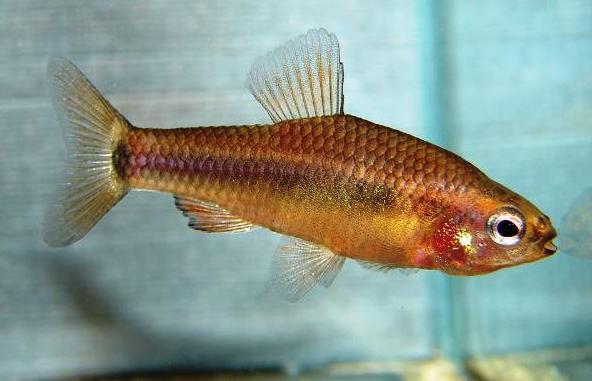
恩氏新唇脂鲤(Neolebias ansorgii)是非常胆怯的小型非洲脂鲤,商店里看似朴素,进入适合的偏暗植被环境后才容易显色。相比热闹的混养缸,专门饲养更有利于观察。
分布与栖息地
分布于喀麦隆、刚果民主共和国、尼日利亚、加蓬及贝宁,利用沼泽、密布植被的小池塘和溪流。
饲养环境
可从约 45 × 30 × 30 cm 的空间考虑。密植水草、浮水遮蔽、深色底砂及小块沉木提供安全感,避免明亮而空旷的布局。自然水体常受有机物释放的单宁染色,可围绕这种有遮蔽的环境布置。
食性与喂食
能接受干粮,但更偏爱活饵和冷冻饵,后两者有助于良好显色。体形小而胆怯,安排混养时尤其要留意食物竞争。
习性与混养
优先考虑单养缸,不适合活跃强势或抢食严重的缸友。虽然可与小型温和鱼同养,仍可能比单养时更少露面。
雌雄区分
雄鱼略小而更鲜艳,繁殖状态下腹部显著转红。雌鱼体形较大、较丰满。
繁殖
本种散卵,缸内成功经验较少。用活饵和冷冻饵调养后,挑选状态好的雌雄进入偏暗、软水酸性、带植物与隔卵网的环境,减少亲鱼吃卵机会。
雄鱼追逐后与雌鱼并列颤动产卵,通常约五十至一百枚,数日产卵累计可达约三百枚。初产卵很小,吸水后略膨大,约一天孵化,再过两至三天平游。鱼苗极小,先喂微型食物,约一周后才尝试丰年虾无节幼体或微虫。
补充说明
它在贸易中并不常见,褪色或躲藏可能与环境和紧张有关,不能仅用商店里的即时外观判断成熟后的观赏状态。
图片
图片来自 SeriouslyFish,版权归各摄影者所有。
English
Overview
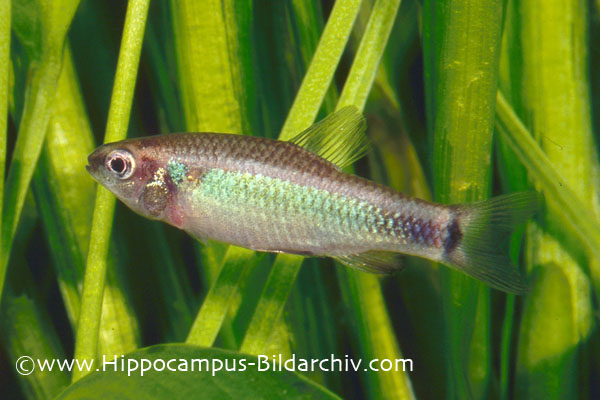
Neolebias ansorgii is a very shy small African characin. A plain shop appearance can become much brighter in a shaded, well-planted setting. Dedicated housing generally offers better opportunities to observe it than a busy community.
Distribution & habitat
It occurs in Cameroon, the Democratic Republic of the Congo, Nigeria, Gabon, and Benin. Marshes, small densely vegetated ponds, and creeks are typical habitats.
Aquarium setup
Consider accommodation around 45 × 30 × 30 cm. Dense planting, floating shade, dark substrate, and small pieces of wood provide security. Avoid intense light and an exposed layout. Natural waters are often tannin-stained by decaying organic matter.
Diet & feeding
Dry food is accepted, but live and frozen offerings are preferred and support good coloration. Small size and timidity make feeding competition an important consideration.
Behaviour & compatibility
A species aquarium is preferable. Boisterous or highly competitive fishes are unsuitable. Small placid companions may work, although the fish may remain less visible than in dedicated housing.
Sexual dimorphism
Males are slightly smaller and much brighter, developing a vivid red underside in reproductive condition. Females are larger and fuller.
Breeding
This egg scatterer is rarely bred in aquariums. Condition adults with live and frozen foods, then select a strong pair for a dim, soft, acidic setup with plants and egg-separating mesh.
Following pursuit, the pair quivers alongside one another. Around fifty to a hundred eggs are typical, with approximately three hundred possible over several days. Tiny newly laid eggs swell slightly in water. Hatching takes about a day, followed by free swimming two or three days later. Initially minute fry require microscopic food, progressing to brine-shrimp nauplii or microworms after roughly a week.
Notes
Trade availability is limited. Immediate shop coloration or hiding behavior may reflect stress and surroundings rather than the mature fish's potential appearance.
来源
- https://www.seriouslyfish.com/species/neolebias-ansorgii(抓取于 2026-10-10)
neolebias-ansorgii · 文件: data/species/neolebias-ansorgii.md · 状态: 草稿