萨氏新亮丽鲷 · Striped Brichardi
概要
| 字段 | 值 |
|---|---|
| 类别 | 鱼 |
| 学名 | Neolamprologus savoryi |
| 别名 | 薩氏新亮麗鯛 |
| 分类 | 慈鲷目 Cichliformes › 慈鲷科 Cichlidae › Neolamprologus |
| 水体 | 淡水 |
| 成体体长 | 8 cm |
| 饲养难度 | 中等 |
| 外部数据 | seriouslyfish neolamprologus-savoryi;fishbase 8753 |
| 原产地 | 坦噶尼喀湖 |
| 性情 | 攻击性 |
| 领地性 | 是 |
| 特征 | 翻底砂: 是 |
| 繁殖方式 | 附着产卵 |
水质参数
| 参数 | 耐受范围 | 最适范围 | 单位 |
|---|---|---|---|
| 水温 | 23–27 | — | °C |
| pH | 7.5–9 | — | — |
| 总硬度 | 8–25 | — | dGH |
概述
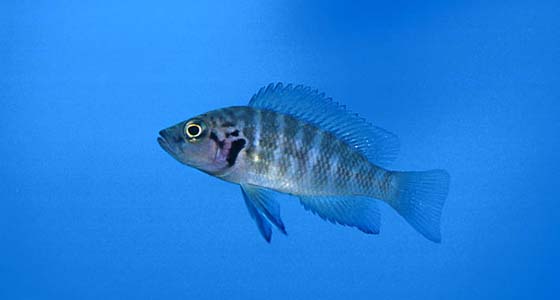
萨氏新亮丽鲷(Neolamprologus savoryi)体侧有明显竖带,属于具有长期鱼对和家庭群行为的坦湖岩栖慈鲷。它攻击性与领地性都强,尤其难容忍其他同种成鱼,普通环境以稳定单对为宜。
分布与栖息地
坦噶尼喀湖特有,生活在沿岸岩石底质环境。
饲养环境
以砂底和岩石洞穴营造岩岸布局,给鱼对提供隐蔽产卵面及防卫区域。多对或其他岩栖伙伴只有在很大的缸中才可能各得其所。
食性与喂食
活饵和冷冻饵料占主要比例,干粮较少量搭配,并补充螺旋藻或焯软菠菜等植物成分。
习性与混养
单种饲养更容易管理。大型缸可考虑不同活动区的坦湖伙伴,其他岩栖鱼则需要独立领域,避免强势马拉维岩栖慈鲷或其他粗猛鱼。除非空间极大,不宜同时养多对成鱼。
雌雄区分
外观不易判断,成年雄鱼通常较大。
繁殖
洞穴产卵,可从至少六条幼鱼开始等待自然配对,但此过程中优势个体可能严重攻击弱势鱼,不能忽略个体损失风险。形成稳定鱼对后可长期维持关系。双方常自己挖整洞穴,雌鱼把卵粘在洞壁或洞顶,随后照卵,雄鱼守外围。
产卵很隐蔽,有时直到鱼苗出现才被发现。若怀疑已经繁殖,应准备适口鱼苗食物;自由游动后能吃丰年虾无节幼体,但生长较慢。较早的幼鱼可以与亲鱼生活到性成熟,多个世代可能共存。
补充说明
同一近缘种组容易杂交,不能因都有家庭群行为就合缸繁殖。体侧竖带是区别该组近似鱼的有用线索,仍需结合准确学名与来源。
图片
图片来自 SeriouslyFish,版权归各摄影者所有。
English
Overview
Distinct vertical bars mark Neolamprologus savoryi, a rocky-shore Tanganyikan cichlid with enduring pair bonds and family groups. Strong territorial aggression, especially toward its own species, favors one established pair in ordinary aquaria.
Distribution & habitat
It is endemic to rocky shoreline habitats in Lake Tanganyika.
Aquarium setup
Use sand and extensive rocky caves to provide concealed spawning surfaces and a defensible area. Several pairs or additional rock dwellers need exceptionally large quarters to occupy separate territories.
Diet & feeding
Live and frozen foods should comprise most of the menu, with dried products offered less frequently. Some spirulina or softened spinach supplies a vegetable component.
Behaviour & compatibility
A species aquarium is easiest to manage. Large setups may permit compatible Tanganyikan fishes using other areas. Additional rock dwellers need independent territories. Avoid boisterous Mbuna and similarly forceful partners, and do not keep multiple adult pairs without very substantial space.
Sexual dimorphism
External sexing is difficult; adult males generally become larger.
Breeding
This cave spawner can be started as at least six juveniles, allowing natural pairing. Dominant fish may severely attack subordinates during that process, so losses are a real risk. Established pairs can maintain a long-term bond. They often excavate a cave, where eggs adhere to walls or roof. The female tends them while the male guards outside.
Spawning is secretive and can remain unnoticed until fry emerge. Have suitable starter food available when a brood is suspected. Newly swimming young accept Artemia nauplii but grow slowly. Older offspring can remain with the parents until maturity, allowing several generations to coexist.
Notes
Related members of its species complex hybridize, so shared family behavior is not a reason to mix breeding stock. Vertical flank bars are a useful identification clue alongside scientific identity and origin.
来源
- https://www.seriouslyfish.com/species/neolamprologus-savoryi(抓取于 2026-10-10)
neolamprologus-savoryi · 文件: data/species/neolamprologus-savoryi.md · 状态: 草稿