刚果新亮丽鲷
概要
| 字段 | 值 |
|---|---|
| 类别 | 鱼 |
| 学名 | Neolamprologus marunguensis |
| 别名 | 剛果新亮麗鯛 |
| 分类 | 慈鲷目 Cichliformes › 慈鲷科 Cichlidae › Neolamprologus |
| 水体 | 淡水 |
| 成体体长 | 6 cm |
| 饲养难度 | 入门 |
| 性情 | 温和 |
| 外部数据 | seriouslyfish neolamprologus-marunguensis;fishbase 8672 |
| 原产地 | 坦噶尼喀湖西南岸 |
| 特征 | 翻底砂: 是 |
| 繁殖方式 | 附着产卵 |
水质参数
| 参数 | 耐受范围 | 最适范围 | 单位 |
|---|---|---|---|
| 水温 | 23–27 | — | °C |
| pH | 7.5–9 | — | — |
| 总硬度 | 8–25 | — | dGH |
概述
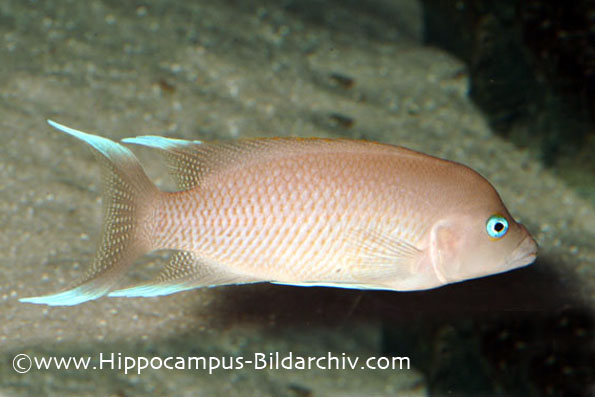
刚果新亮丽鲷(Neolamprologus marunguensis)具有深叉尾,平时相对温和,繁殖时却会强烈防守领域。它能让多代幼鱼留在亲鱼旁生活,单种家庭缸更容易观察这一过程。
分布与栖息地
坦噶尼喀湖特有,分布于湖西南岸的岩石底质区域。
饲养环境
用较多岩石堆出洞穴,铺设砂底,形成可选择的产卵和避让空间。多代共居或群体等待配对,需要比单对更大的空间。
食性与喂食
活饵和冷冻饵料应占较大比例,干粮可较少量搭配,并提供螺旋藻或焯软菠菜等植物成分。
习性与混养
单种缸更合适。大缸可考虑活动在不同区域的温和坦湖鱼;其他岩栖种则必须各有足够领域。不要与粗猛伙伴或强势马拉维岩栖慈鲷共养。繁殖后的防卫增强,不应因日常温和而忽视。
雌雄区分
外观判断较难,成年雄鱼通常略大,背鳍和尾鳍的延长较明显。
繁殖
较容易繁殖,可从至少六条幼鱼开始,让其自然配对。稳定鱼对会继续用于后续繁殖,产卵常在自己挖整的洞内进行,卵粘在洞壁或洞顶。雌鱼照卵,雄鱼守洞外,约两三天孵化,约第七天自由游动。
鱼苗开口可用丰年虾无节幼体,但生长较慢。亲鱼照料持续较久,较早出生的幼鱼可留下直到性成熟,若空间合适,多个世代能同时生活在缸中。
补充说明
过去曾使用未定种商品名出售。深叉尾是醒目的外观特征,但完整学名和来源记录比旧标签更有助于保持繁殖记录准确。
图片
图片来自 SeriouslyFish,版权归各摄影者所有。
English
Overview
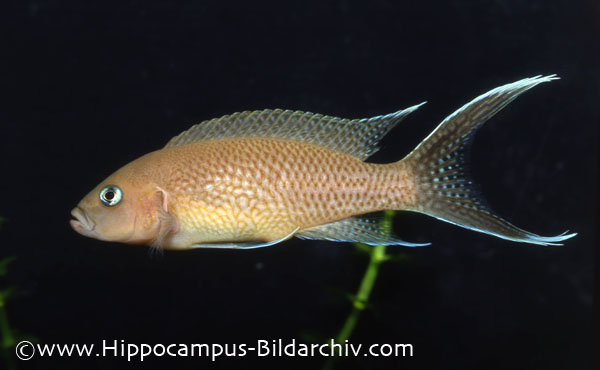
A deeply forked tail marks Neolamprologus marunguensis, a relatively mild cichlid whose territorial defense intensifies at spawning. Several generations of young can remain with the adults, making a dedicated family aquarium particularly interesting.
Distribution & habitat
It is endemic to rocky habitats along Lake Tanganyika's southwestern shore.
Aquarium setup
Use substantial rockwork to form caves over sand, offering alternative spawning and retreat locations. A group awaiting pair formation or a multigeneration family requires more space than one pair alone.
Diet & feeding
Live and frozen foods should form a large share of the diet. Dry foods can be offered less frequently, with some spirulina or softened spinach as a vegetable supplement.
Behaviour & compatibility
A species aquarium is preferable. Larger systems may accommodate peaceful Tanganyikan fishes occupying other areas. Additional rock dwellers require enough room for separate territories. Avoid Mbuna and other boisterous species, and account for stronger defense once breeding begins.
Sexual dimorphism
Sexing is difficult. Adult males are generally slightly larger and have longer dorsal and tail extensions.
Breeding
It breeds relatively readily. Start with at least six juveniles and allow natural pairs to form. Bonds can persist for later spawnings. Eggs are placed on a cave wall or roof, often in a shelter the pair has excavated. The female tends them while the male guards outside. Hatching takes two to three days, followed by free swimming around day seven.
Artemia nauplii suit the first meals, although growth is slow. Care is prolonged, and older offspring may remain until maturity. Adequate space allows several generations to coexist.
Notes
It was formerly sold under an undescribed-species label. The forked tail is conspicuous, but a complete scientific identity and origin information are more useful than an older trade label for breeding records.
来源
ID:neolamprologus-marunguensis · 文件: data/species/neolamprologus-marunguensis.md · 状态: 草稿