Neolamprologus leleupi · Lemon Cichlid
概要
| 字段 | 值 |
|---|---|
| 类别 | 鱼 |
| 学名 | Neolamprologus leleupi |
| 分类 | 慈鲷目 Cichliformes › 慈鲷科 Cichlidae › Neolamprologus |
| 水体 | 淡水 |
| 成体体长 | 10 cm |
| 饲养难度 | 中等 |
| 外部数据 | seriouslyfish neolamprologus-leleupi;fishbase 8670 |
| 原产地 | 坦噶尼喀湖 |
| 领地性 | 是 |
| 繁殖方式 | 附着产卵 |
| 特征 | 翻底砂: 是 |
水质参数
| 参数 | 耐受范围 | 最适范围 | 单位 |
|---|---|---|---|
| 水温 | 23–27 | — | °C |
| pH | 7.5–9 | — | — |
| 总硬度 | 8–25 | — | dGH |
概述
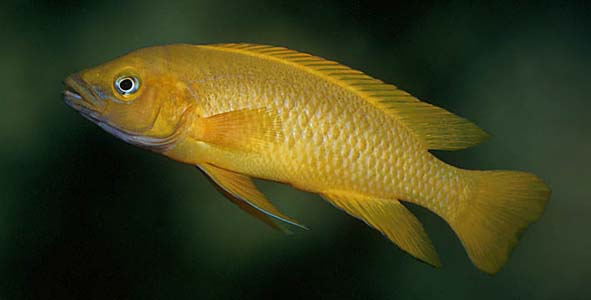
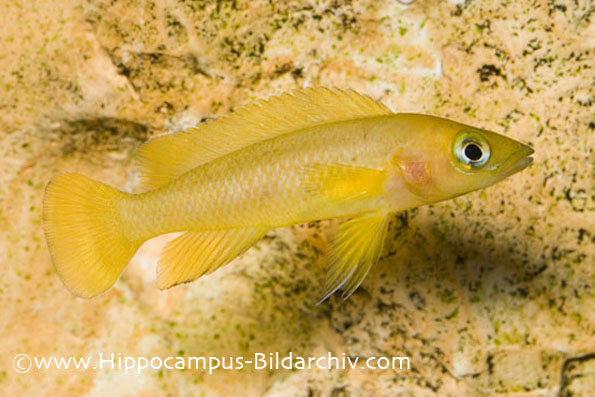
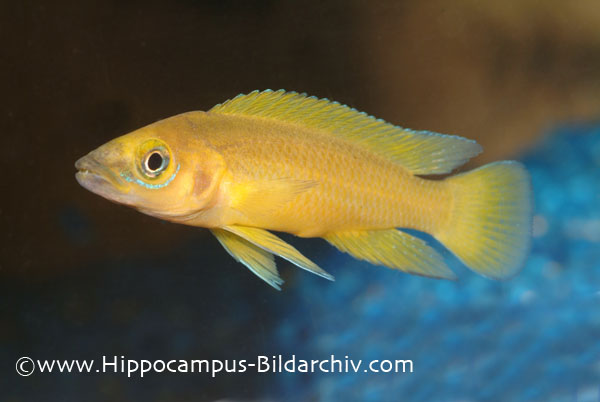
Neolamprologus leleupi 是坦噶尼喀湖的岩栖慈鲷,以鲜黄色个体为人熟悉,但也有较暗的体色型。它对水质恶化敏感,成年同种之间兼容性差,不能把普及程度当作易养的保证。
分布与栖息地
原生于坦噶尼喀湖南部,在该区域分布较广,主要利用沿岸岩石环境。野外多单独活动,雄鱼遇到可繁殖雌鱼的洞穴后才进入配对,因此水族箱中的配偶关系也较短暂。
饲养环境
单对可用约 75 × 30 cm 的底面积作为起点,铺砂并放置稳固岩堆,提供多个洞穴和逃避路线。即便已经产卵的配对,也必须保留雌鱼躲避雄鱼的地方。稳定、洁净的水对成鱼和幼鱼都重要。
食性与喂食
活饵及冻饵宜占较大比例,干粮可作补充;菜单也需包含植物成分,例如优质螺旋藻薄片。喂食多样化不能代替及时处理污染和规律维护。
习性与混养
繁殖时攻击性及领域性明显,其他时候通常较平静。大缸内可考虑占据不同水层或区域的小至中型坦湖慈鲷;其他岩栖鱼则需要充分的独立领域。不要与马拉维湖强势岩栖鱼或过于喧闹的伙伴同养。
对同种很强势,一般仅留一对,除非空间极大。直接购买一雄一雌并不保证配对,甚至可能造成雌鱼被攻击致死。
雌雄区分
外观难以准确判断,成年雄鱼通常更大。
繁殖
宜从幼鱼群开始等待自然配对,可能需一年或更久;成对后移走其他鱼。配对关系主要维持于产卵和育幼阶段,间歇期雄鱼仍可能排斥雌鱼。繁殖可用 pH 8.2–9.0、25–26.5 °C。
亲鱼常自行挖掘洞穴,雌鱼在洞壁或顶部产最多约 150 粒卵,自己看护卵,雄鱼守洞外。约 3–4 天孵化,约第 8–10 天自由游动,期间双方轮换保护洞内幼鱼。刚能游动的仔鱼可吃丰年虾无节幼体。
较早一窝有时会帮助照顾下一窝,但幼鱼长到约 2.5 cm 时应移出,成鱼可能转而攻击它们。不要把暂时的家庭群体当作永久共存保证。幼鱼尤其怕细菌和有机废物积累,育苗水质需保持良好。
补充说明
黄色与较暗的 melas 型可在同一区域共存;暗色并非简单缺少黄色,而是深色素遮盖。历史名称、体色型及近似种容易混用,购鱼时应核对种源,不凭单一颜色重定种名。
图片
图片来自 SeriouslyFish,版权归各摄影者所有。
English
Overview
Neolamprologus leleupi is a Tanganyikan rock-dwelling cichlid best known in bright yellow, although darker forms also occur. Sensitivity to declining water quality and poor tolerance of adult conspecifics make it more demanding than its popularity might suggest.
Distribution & habitat
It is native to the southern part of Lake Tanganyika, occupying rocky shorelines across that region. Wild fish are generally solitary; males enter receptive females' caves to spawn. This helps explain the temporary pair relationships seen in aquaria.
Aquarium setup
A pair can use a footprint around 75 × 30 cm as a starting point. Sand and secure rock piles should provide numerous caves and escape routes. Females need refuges even after successful spawning because a male may become intolerant between broods. Clean, stable water matters at every age.
Diet & feeding
Live and frozen foods should make up a substantial part of the menu, with dry foods as supplements. Include plant matter such as quality spirulina flakes. Food variety does not replace control of accumulated waste.
Behaviour & compatibility
Aggression and territorial defense increase during reproduction; otherwise it is relatively placid. In larger aquariums, companions may include suitable small or medium Tanganyikan cichlids using different areas. Other rock dwellers need separate territories. Avoid boisterous fish such as Malawi mbuna.
Adult conspecific aggression is strong, so normally keep only one pair unless space is exceptional. Buying a male and female does not guarantee compatibility and can result in fatal harassment of the female.
Sexual dimorphism
External sexing is unreliable, although adult males tend to be larger.
Breeding
Allow a juvenile group to pair naturally, which may take a year or longer, then remove the other fish. The bond mainly lasts through spawning and brood care. Suggested breeding conditions are pH 8.2–9.0 and 25–26.5 °C.
A pair often excavates its cave. Up to about 150 eggs attach to the wall or ceiling, with the female tending them and the male guarding outside. Hatching takes roughly three to four days; free swimming occurs around day eight to ten. Both parents protect young in the cave. Brine shrimp nauplii are suitable first foods.
Older offspring sometimes help with later broods, but remove them at around 2.5 cm because adults may turn against them. A temporary family group is not a guarantee of permanent tolerance. Young are particularly sensitive to bacterial and organic waste accumulation.
Notes
Yellow and darker melas forms can coexist locally. Dark pigment masks underlying yellow rather than indicating its simple absence. Historical labels, color forms, and similar species should be checked against provenance.
来源
- https://www.seriouslyfish.com/species/neolamprologus-leleupi(抓取于 2026-10-10)
neolamprologus-leleupi · 文件: data/species/neolamprologus-leleupi.md · 状态: 草稿