短新亮丽鲷
概要
| 字段 | 值 |
|---|---|
| 类别 | 鱼 |
| 学名 | Neolamprologus brevis |
| 别名 | 短新亮麗鯛 |
| 分类 | 慈鲷目 Cichliformes › 慈鲷科 Cichlidae › Neolamprologus |
| 水体 | 淡水 |
| 成体体长 | 6 cm |
| 饲养难度 | 入门 |
| 领地性 | 是 |
| 外部数据 | seriouslyfish neolamprologus-brevis;fishbase 8651 |
| 原产地 | 坦噶尼喀湖 |
| 特征 | 翻底砂: 是 |
| 繁殖方式 | 附着产卵 |
水质参数
| 参数 | 耐受范围 | 最适范围 | 单位 |
|---|---|---|---|
| 水温 | 23–27 | — | °C |
| pH | 7.5–9 | — | — |
| 总硬度 | 8–25 | — | dGH |
概述
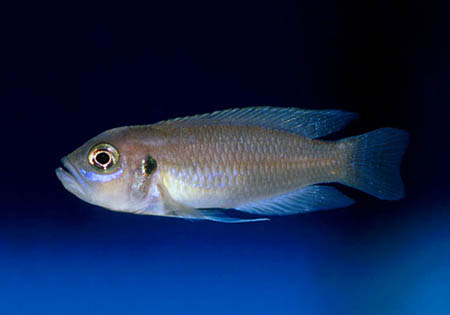
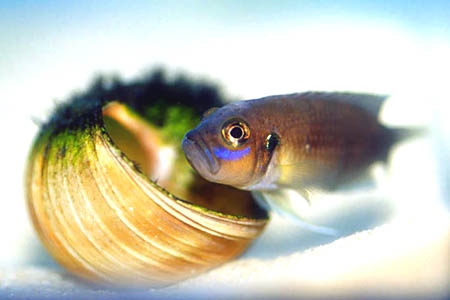
短新亮丽鲷(Neolamprologus brevis)是常见贝壳栖慈鲷,在螺壳较少的野外地点,一对鱼甚至会共享同一只壳。它守卫的范围虽小,态度却很坚决,不能只按体形判断与伙伴的距离。
分布与栖息地
坦噶尼喀湖特有,在湖中分布较广,生活于岸边较深、底质柔软且积有空螺壳的水域。其栖地的壳数常少于其他贝壳栖鱼的环境。
饲养环境
提供开放砂地和充足螺壳,壳数应超过鱼数,不必刻意模拟缺壳状态。砂层约五厘米厚可供挖掘,壳之间留些距离,水需硬且偏碱。群体饲养需要比单对更大的底面积。
食性与喂食
以活饵和冷冻饵料为主,人工繁殖鱼通常也愿意吃干粮,但不宜完全依赖干饲料。
习性与混养
积极防守螺壳附近的小领域,可与活动于不同区域、需求相符的坦湖鱼谨慎共养。多条可形成群体,雌鱼宜多于雄鱼,必须保证各自有壳。即使领域只有十几厘米宽,也可能强烈驱赶靠近者。
雌雄区分
幼鱼不易辨别,成年雄鱼明显比雌鱼大。
繁殖
雌鱼把选定的壳埋至仅露入口,在壳口展示吸引雄鱼,随后入壳产卵。雌鱼后退时雄鱼释放精子,若壳足够大雄鱼也可能进入受精。之后主要由雌鱼照料,雄鱼会被驱离其育幼范围。
卵约一天孵化,鱼苗约第六至七天自由游动,可喂丰年虾无节幼体或微虫。幼鱼逐渐远离壳口,再过约两周可能被雌鱼赶走。亲鱼一般不伤幼鱼,但群体中的其他鱼可能捕食,独立育苗有利于提高存活。
补充说明
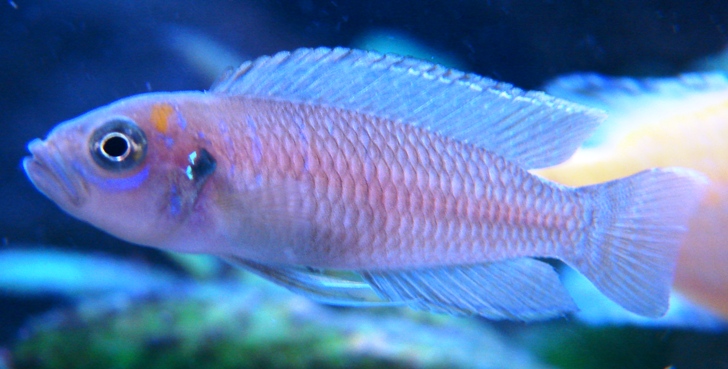
共享螺壳是否在缸中出现,取决于可用壳数与个体,并非配对成功的唯一标志。体侧竖条纹有助于区别外观近似的贝壳栖鱼。
图片
图片来自 SeriouslyFish,版权归各摄影者所有。
English
Overview
Neolamprologus brevis is a familiar shell dweller. Where shells are scarce in nature, a pair may share one. Its defended area is small but vigorously protected, so body size alone is a poor guide to suitable spacing.
Distribution & habitat
It is widespread in Lake Tanganyika, occupying relatively deep nearshore water over soft substrate with accumulated shells. Shells are often less numerous than in habitats used by other shell-dwelling species.
Aquarium setup
Provide open sand and more shells than fish rather than deliberately recreating scarcity. About five centimeters of sand permits digging. Space shells apart, maintain hard alkaline water, and allow a larger footprint for a colony than for one pair.
Diet & feeding
Live and frozen foods should dominate. Dry foods are commonly accepted, particularly by captive-bred fish, but should not be the exclusive staple.
Behaviour & compatibility
The shell and its immediate surroundings are strongly defended. Carefully chosen Tanganyikan fishes using other areas can share the aquarium. Groups need ample shells and preferably more females than males. Even territories only about fifteen centimeters across can provoke determined defense.
Sexual dimorphism
Juveniles are difficult to sex; adult males become substantially larger.
Breeding
A female buries her shell until the entrance remains visible and displays there before entering to lay. Sperm is carried inside as she reverses out, or the male may enter a sufficiently large shell. He subsequently takes no further part in care and is excluded from her area.
Eggs hatch in about a day, and young swim freely around day six or seven. Offer Artemia nauplii or microworms. Fry gradually explore farther from the shell and may be expelled after another two weeks. Parents usually spare them, but other colony members can eat them; separate rearing improves control over survival.
Notes
Shell sharing depends on availability and individual behavior and is not the sole sign of a bonded pair. Vertical flank bars help distinguish this species from similar shell dwellers.
来源
- https://www.seriouslyfish.com/species/neolamprologus-brevis(抓取于 2026-10-10)
neolamprologus-brevis · 文件: data/species/neolamprologus-brevis.md · 状态: 草稿