拉氏条唇爬鳅
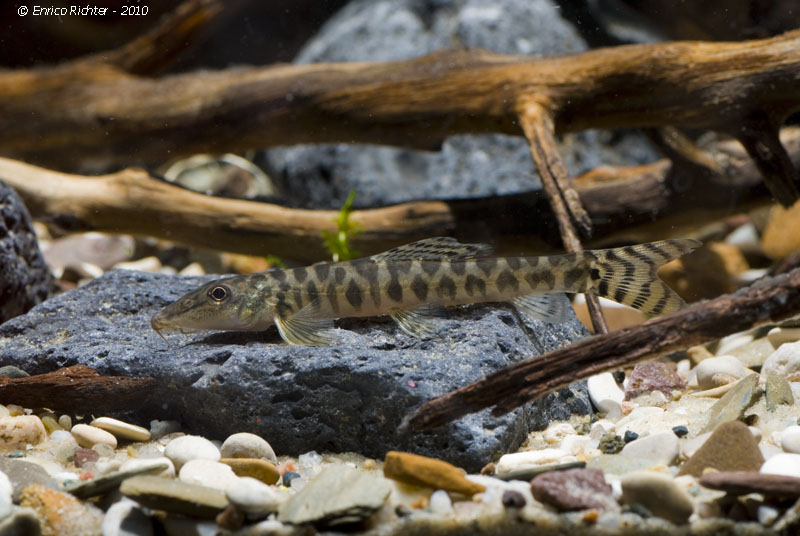
概要
| 字段 | 值 |
|---|---|
| 类别 | 鱼 |
| 学名 | Nemachilichthys rueppelli |
| 别名 | 拉氏條唇爬鰍、Nemacheilus shimogensis、Noemacheilus shimogensis、Cobitis rueppelli、Cobitis rupelli、Noemacheilus ruppelli、Noemacheilus rupelli |
| 分类 | 鲤形目 Cypriniformes › 条鳅科 Nemacheilidae › Nemachilichthys |
| 水体 | 淡水 |
| 原产地 | 印度西高止山脉克里希纳河上游水系 |
| 成体体长 | 8.5 cm |
| 饲养难度 | 中等 |
| 最小水体 | 81 L |
| 最小缸长 | 90 cm |
| 群居方式 | 群游 |
| 性情 | 温和 |
| 水流偏好 | 高 |
| 外部数据 | seriouslyfish nemachilichthys-shimogensis;fishbase 24605 |
| 游动层 | 底层 |
水质参数
| 参数 | 耐受范围 | 最适范围 | 单位 |
|---|---|---|---|
| 水温 | 20–25 | — | °C |
| pH | 7–7.5 | — | — |
| 总硬度 | 2–12 | — | dGH |
概述
拉氏条唇爬鳅(Nemachilichthys rueppelli)是一种主要贴近河底生活的溪流鳅,常在水草及岸边植物沉水根系附近活动。它对同类较温和,至少四条同养,配合洁净富氧、偏中性的环境较合适。
分布与栖息地
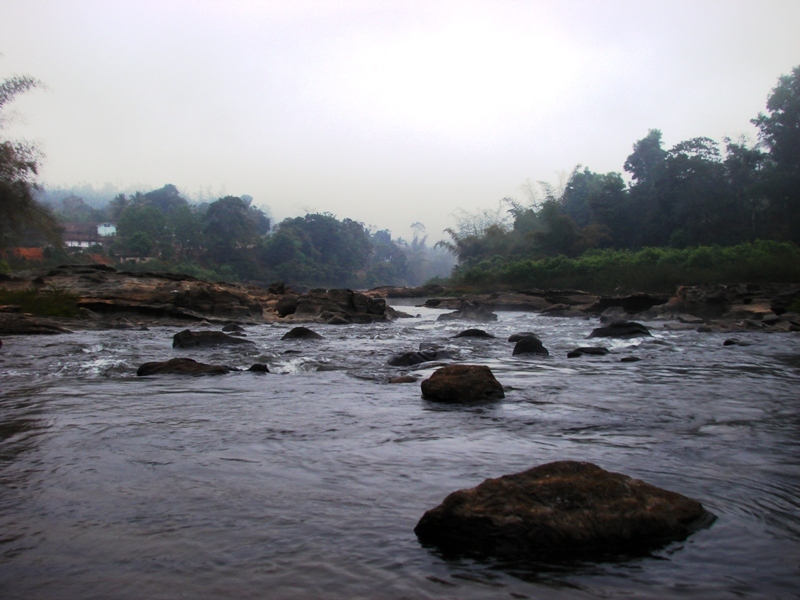
已知分布在印度西高止山脉向东流的克里希纳河上游水系,记录包括通加河、科伊纳河、尼拉河等。观赏采集记录涉及卡纳塔克邦希莫加地区,但不能据此把整个下游都视为分布范围。
生活在流速中等至较快的溪河底部,周围可有水草和沉水根系,底床从泥沙到卵石、小石和大石都有。季风期水位、流量及浑浊度显著增加。
饲养环境
底面积至少约 90 × 30 cm,用砂砾、圆石和枝木搭出洞缝、阴影及视线屏障,耐受水草可固定在硬景上。需要高溶氧和适当水流,但不必持续激流。
它不耐有机污物积累,每周换水约三至五成。水质以偏中性为宜,似乎并不适应酸性环境,不应直接套用一些黑水鳅的软酸水布置。
食性与喂食
胃内容物研究发现昆虫残片最常见,其次为介形类,植物和硅藻较少;可能主要取食小型动物,但有限样本不能代表所有季节。缸内可接受适口干粮,同时应每日搭配水蚤、丰年虾、红虫等活饵或冷冻饵。
习性与混养
建议至少四条。温和的开阔水域鱼群可提高这种隐蔽型鳅的安全感,前提是环境需求相近。合适的喜流鳅或底栖鲤科鱼可考虑,部分体形相近的强势条鳅则过分守域,需大空间并观察互动。
雌雄区分
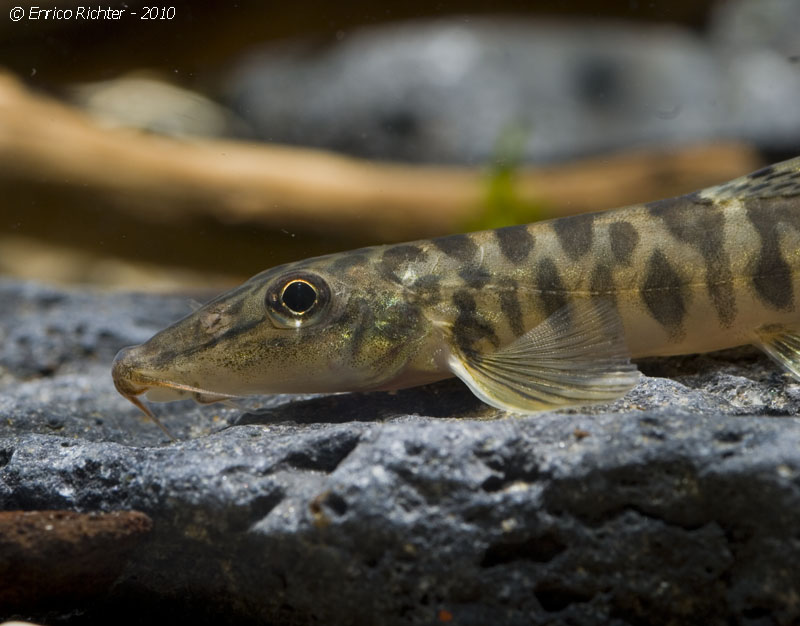
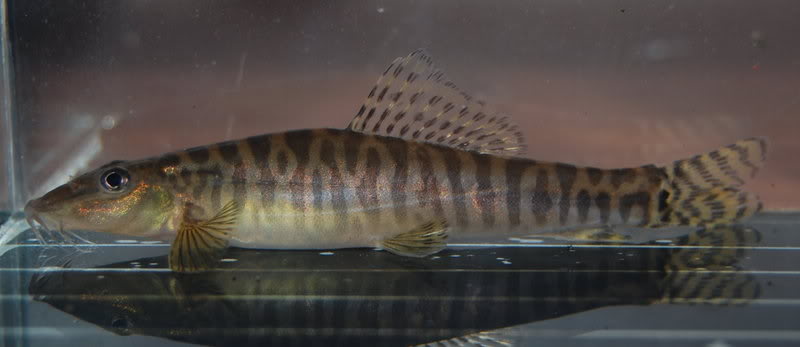
有描述以体纹区分雌雄:雄鱼约有十四至十六条较清楚的体带,雌鱼约十一至十四条较模糊的体带。雌鱼也可能略大、更粗壮。雄鱼不具某些近缘鳅常见的眼下皮瓣、繁殖结节和增粗胸鳍条。
补充说明
旧名 Nemachilichthys shimogensis 曾被视为另一种,后续比较产地标本的形态与遗传研究认为两者属于同种,因此旧名称仍可能出现在交易和记录中。
图片
图片来自 SeriouslyFish,版权归各摄影者所有。
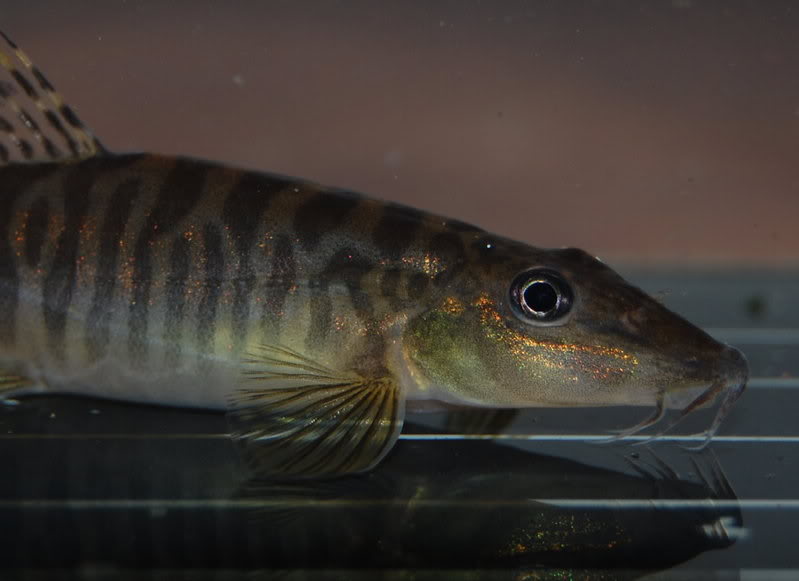
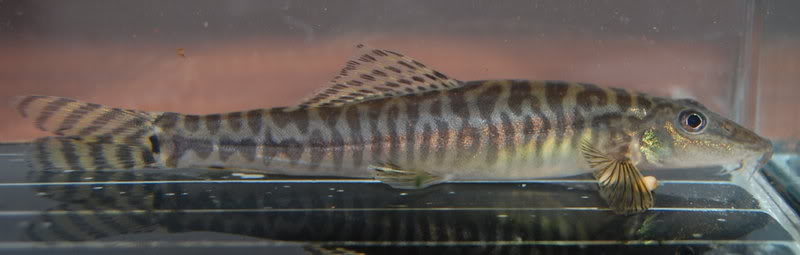
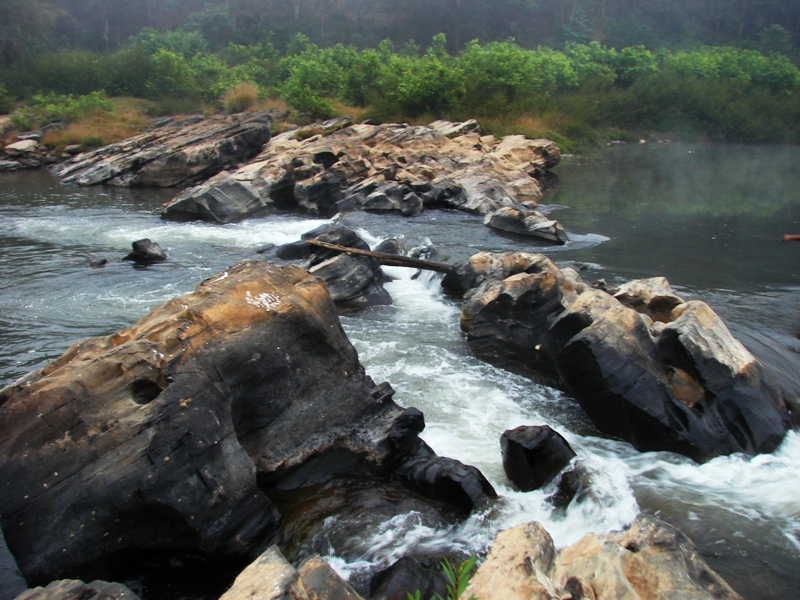
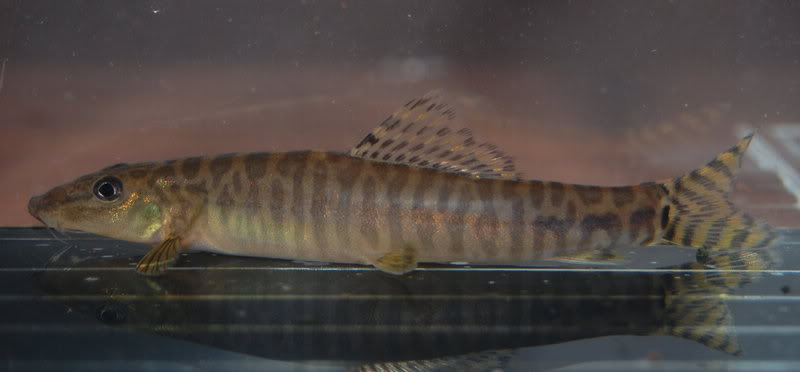
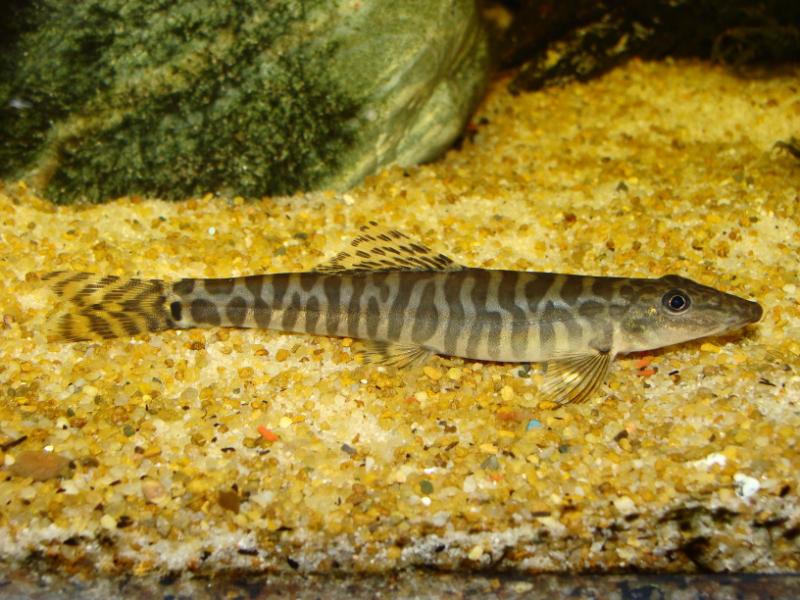
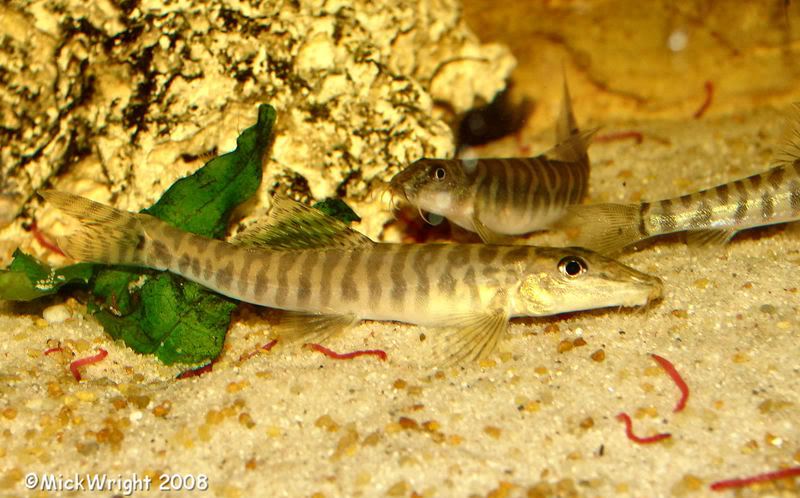
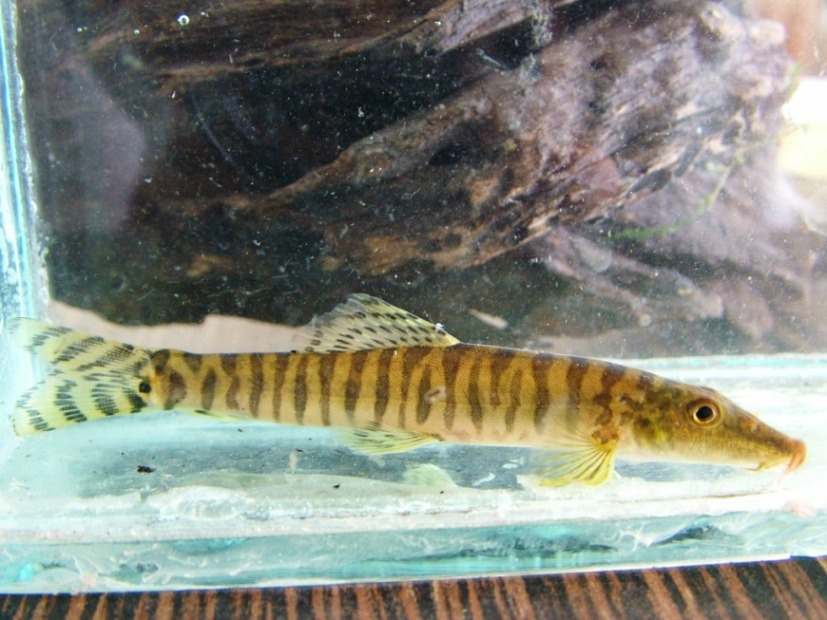
English
Overview
Nemachilichthys rueppelli is a stream loach that usually stays on the riverbed near aquatic plants and submerged roots. It is peaceful with its own kind and suits groups of at least four in clean, oxygen-rich water near neutral pH.
Distribution & habitat
Known records lie in the upper Krishna system draining east from India's Western Ghats, including rivers such as the Tunga, Koyna, and Nira. Aquarium collection records involve the Shimoga area of Karnataka, but do not establish occurrence throughout the downstream system.
It occupies moderate to fast streams and rivers, often around vegetation and roots. Bottom materials range from mud and silt to pebbles and boulders. Monsoon conditions substantially increase depth, flow, and turbidity.
Aquarium setup
Provide at least about 90 × 30 cm of floor space. Sand, gravel, rocks, and wood should create shaded crevices and interrupted sight lines. Hardy attached plants can be used. Maintain high oxygen levels and some circulation without needing a constant torrent.
Prevent organic waste buildup and change approximately 30–50 percent weekly. Favor suitable near-neutral water; the fish appears not to appreciate acidic conditions, so a blackwater approach should not be assumed appropriate.
Diet & feeding
Examined stomach contents contained insect remains most frequently, followed by ostracods, with fewer plants and diatoms. Small animal prey probably dominate, although a limited sample cannot describe every season. Supplement suitable dry foods with daily small live or frozen offerings such as water fleas, brine shrimp, and bloodworms.
Behaviour & compatibility
Maintain at least four together. Peaceful open-water fishes with matching requirements can reassure this retiring loach. Suitable current-loving loaches and bottom-dwelling cyprinids are possible companions. Some similar-looking relatives are more territorial and require larger spaces and close observation.
Sexual dimorphism
A published description distinguishes males by approximately fourteen to sixteen clearer body bars, versus eleven to fourteen less distinct bars in females. Females may also be slightly larger and heavier-bodied. Males lack the suborbital flap, breeding tubercles, and thickened pectoral rays seen in some related loaches.
Notes
The name Nemachilichthys shimogensis was formerly treated as a separate species. Later comparison of specimens from the original localities, using morphology and genetics, concluded that the two names concern the same species.
来源
ID:nemachilichthys-rueppelli · 文件: data/species/nemachilichthys-rueppelli.md · 状态: 草稿