马来条鳅
概要
| 字段 | 值 |
|---|---|
| 类别 | 鱼 |
| 学名 | Nemacheilus selangoricus |
| 别名 | 馬來條鰍、Nemachilus selangoricus、Noemacheilus selangoricus、Nemacheilus kuiperi、Noemacheilus translineatus |
| 分类 | 鲤形目 Cypriniformes › 条鳅科 Nemacheilidae › Nemacheilus |
| 水体 | 淡水 |
| 原产地 | 泰国南部、马来半岛、新加坡、婆罗洲、勿里洞岛及苏门答腊部分地区 |
| 成体体长 | 6 cm |
| 饲养难度 | 中等 |
| 最小水体 | 54 L |
| 最小缸长 | 60 cm |
| 群居方式 | 群游 |
| 性情 | 温和 |
| 水流偏好 | 高 |
| 外部数据 | seriouslyfish nemacheilus-selangoricus;fishbase 12270 |
水质参数
| 参数 | 耐受范围 | 最适范围 | 单位 |
|---|---|---|---|
| 水温 | 20–25 | — | °C |
| pH | 5–7.5 | — | — |
| 总硬度 | 1–12 | — | dGH |
概述
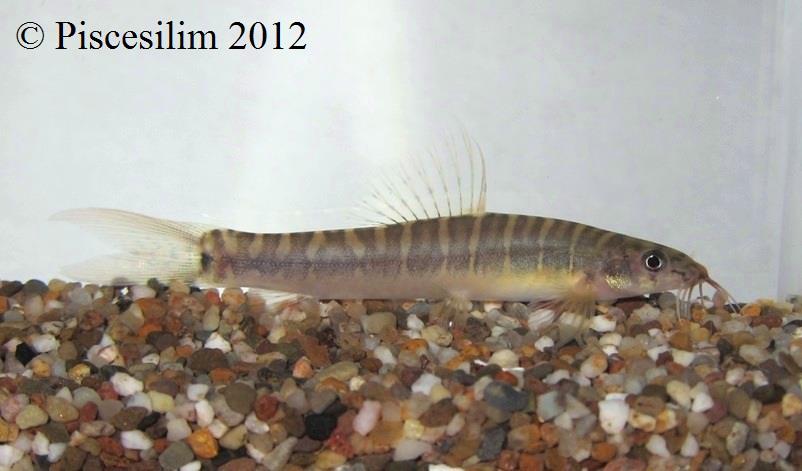
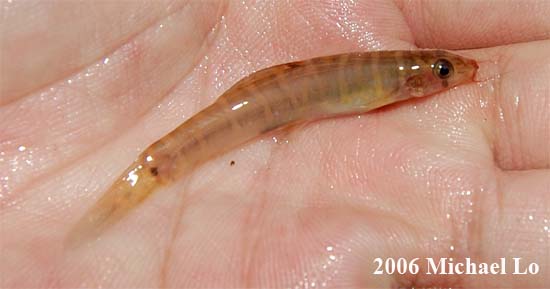
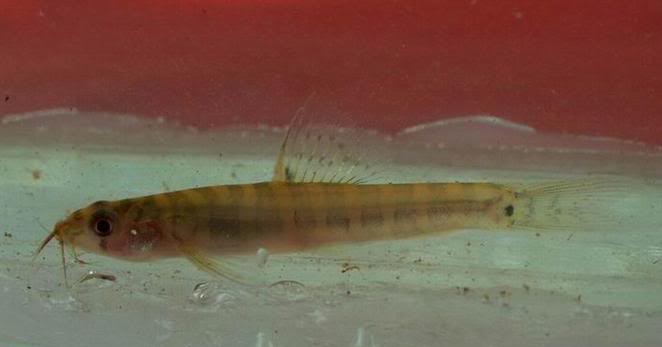
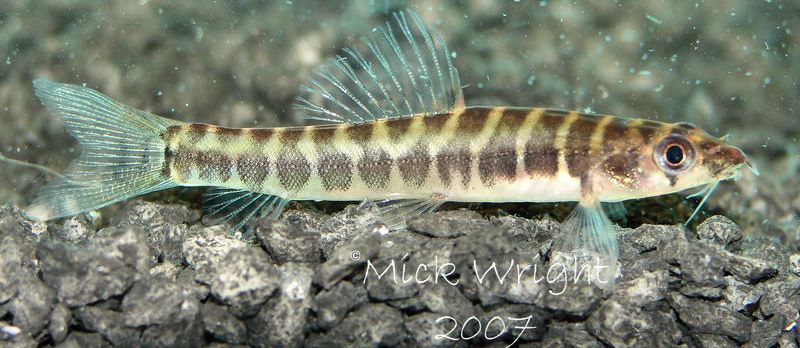
马来条鳅(Nemacheilus selangoricus)体侧有八至十二条排列较整齐的深色宽带,尾柄鳞片带有特殊尖突。它对同类温和,但天性较隐蔽,至少四条和丰富藏身空间更有利于安心活动。
分布与栖息地
范围从泰国南部延伸到马来半岛、新加坡,婆罗洲的马来西亚、文莱及印度尼西亚部分地区,以及勿里洞岛和苏门答腊占碑一带。
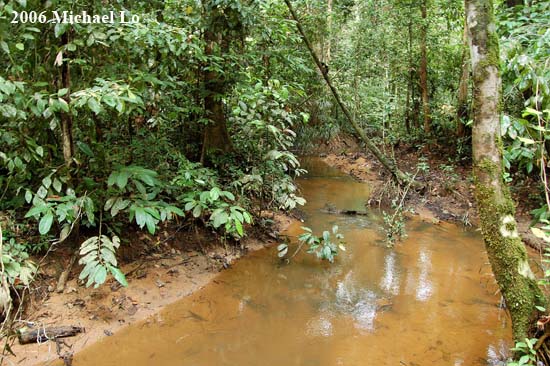
多见于浅而流动的森林溪流,底部为砂、砾石、小石和有机碎屑。水常清澈至轻微茶色,岸边植物繁茂,水下植物通常只有零星分布。
饲养环境
底面积约 60 × 30 cm 起步,砂砾、大小圆石配枝木,形成多处阴影、洞缝和视线阻隔,耐受植物可固定在硬景上。高溶氧和适当水流比猛烈激流更重要。保持水质洁净,每周换水约三至五成,防止有机污物堆积。
食性与喂食
同属鱼整体偏重摄食小昆虫、蠕虫、甲壳类及其他浮游动物,植物比例较小,部分还来自猎物胃内容物。缸内以适口干粮配每日水蚤、丰年虾、红虫等小型活饵或冷冻饵,维持多样饮食。
习性与混养
建议至少四条,适应相似水环境的温和开阔水域鱼群可作为陪游鱼。合适的喜流鳅或底栖鲤科鱼也可考虑,但其他外形相近的条鳅可能更具领域性,混养需要足够空间和观察。
雌雄区分
成熟雄鱼眼下有皮瓣,前几条胸鳍条上下表面可有小结节。雌鱼可能略大、体形更厚实。
补充说明
深色体带常明显宽于浅色间隔,中部可能变浅,像分成两条细带。尾柄侧线上下有带尖突的延长鳞片,是与部分近似种区分的线索;鉴别仍应结合完整体纹和鳞片结构。
图片
图片来自 SeriouslyFish,版权归各摄影者所有。
English
Overview
Nemacheilus selangoricus has eight to twelve comparatively regular dark flank bars and specialized pointed scales on the caudal peduncle. Peaceful toward its own species but naturally retiring, it benefits from at least four companions and abundant retreats.
Distribution & habitat
The range extends from southern Thailand through Peninsular Malaysia and Singapore to parts of Borneo in Malaysia, Brunei, and Indonesia, as well as Belitung and the Jambi region of Sumatra.
It is most often found in shallow forest streams flowing over sand, gravel, small stones, and organic debris. Water is clear to lightly tea-colored. Bankside growth is dense, while aquatic plants occur more sparsely.
Aquarium setup
Provide a footprint of approximately 60 × 30 cm or more. Combine sand, gravel, rounded rocks, and wood into a network of shaded crevices with broken sight lines. Hardy plants can be attached to the structure. Good oxygenation and some circulation matter more than a torrent. Maintain clean water, including weekly changes of around 30–50 percent, to prevent organic waste buildup.
Diet & feeding
The genus generally consumes mainly small insects, worms, crustaceans, and other zooplankton. Plant matter is a smaller component and partly enters through prey stomach contents. Offer suitable dry foods alongside daily small live or frozen meals such as water fleas, brine shrimp, and bloodworms.
Behaviour & compatibility
Maintain at least four together. Peaceful open-water fishes sharing its environmental needs can provide reassurance. Suitable current-loving loaches and bottom-dwelling cyprinids are possible companions, but some similar-looking relatives are much more territorial and require ample space and observation.
Sexual dimorphism
Mature males have a flap below the eye and small tubercles on surfaces of the anterior pectoral rays. Females may become slightly larger and heavier-bodied.
Notes
The dark bars are substantially wider than the pale gaps; a lightened center may make a bar look divided. Elongated scales above and below the lateral line on the tail base carry pointed projections. Use these structures with the full pattern when identifying lookalikes.
来源
- https://www.seriouslyfish.com/species/nemacheilus-selangoricus(抓取于 2026-10-10)
nemacheilus-selangoricus · 文件: data/species/nemacheilus-selangoricus.md · 状态: 草稿