沙拉迈条鳅
概要
| 字段 | 值 |
|---|---|
| 类别 | 鱼 |
| 学名 | Nemacheilus saravacensis |
| 别名 | 色拉迈条鳅、沙拉邁條鰍、Nemachilus saravacensis |
| 分类 | 鲤形目 Cypriniformes › 条鳅科 Nemacheilidae › Nemacheilus |
| 水体 | 淡水 |
| 原产地 | 婆罗洲马来西亚砂拉越及印度尼西亚西加里曼丹 |
| 成体体长 | 5 cm |
| 饲养难度 | 中等 |
| 最小水体 | 54 L |
| 最小缸长 | 60 cm |
| 群居方式 | 群游 |
| 性情 | 温和 |
| 水流偏好 | 高 |
| 外部数据 | seriouslyfish nemacheilus-saravacensis;fishbase 22981 |
水质参数
| 参数 | 耐受范围 | 最适范围 | 单位 |
|---|---|---|---|
| 水温 | 23–26 | — | °C |
| pH | 4.5–7 | — | — |
| 总硬度 | 1–10 | — | dGH |
概述
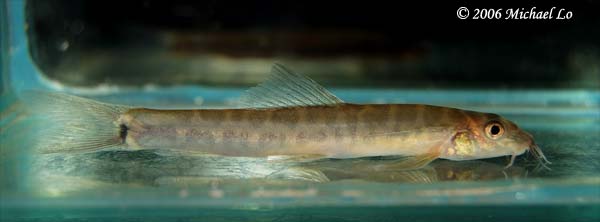
沙拉迈条鳅(Nemacheilus saravacensis)来自婆罗洲森林溪流,体侧及背部有多枚不规则暗斑。它在观赏贸易中少见,可能只是偶尔混入其他鱼类批次;饲养应重视软酸水环境、溶氧和丰富遮蔽。
分布与栖息地
已知分布在马来西亚砂拉越及相邻印度尼西亚西加里曼丹的河流。沙巴发现的近似鱼尚未确认身份,不能直接计入本种范围。
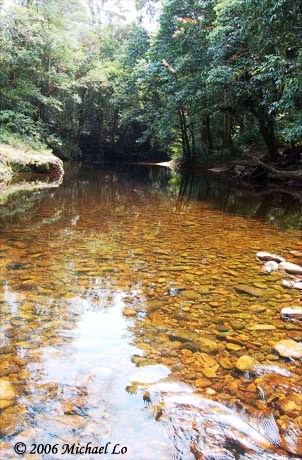
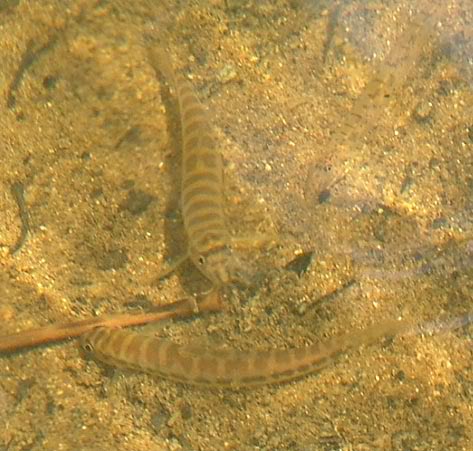
生活在清澈而带茶色的森林溪流,岸边植物茂密,底部有砂、小石和卵石,也可见沉水树根、枝条和落叶。自然水体矿物硬度和酸碱度都偏低。
饲养环境
底面积约 60 × 30 cm 起步,砂砾与大小圆石搭配,加入枝木形成洞缝、阴影和视线阻隔。硬景上可以固定耐受植物。
维持高溶氧与适当流动,但不必猛烈冲流。它不耐有机污物积累,每周换水约三至五成,并保持适合其软酸水背景的稳定环境。
食性与喂食
同属鱼总体以小昆虫、蠕虫、甲壳类和其他浮游动物为主要食物,植物成分较少且部分来自猎物胃内容物。缸内提供适口干粮,同时每日供应水蚤、丰年虾、红虫等小型活饵或冷冻饵。
习性与混养
对同类较温和,建议至少四条。适应相似环境的温和开阔水域鱼可以增强安全感;合适的喜流鳅及底栖鲤科鱼也可考虑。部分外形相近的条鳅却很守域,应避免在小空间中强行混养。
雌雄区分
成熟雄鱼眼下有皮瓣,胸鳍上表面有成排小结节,尾柄也可能有不同程度的结节。雌鱼可能略大、更厚实。
补充说明
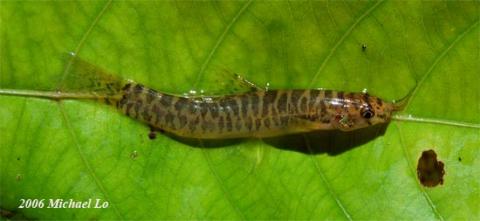
体侧通常有十三至十七个不规则暗斑,背部有数量相近的鞍斑,部分个体两组斑纹相连。这些差异可能出现在不同种群或个体间,不宜只凭斑纹是否连接区分种类。
图片
图片来自 SeriouslyFish,版权归各摄影者所有。
English
Overview
Nemacheilus saravacensis is a Bornean forest-stream loach with irregular dark markings along its sides and back. It is uncommon in aquariums and may occur only incidentally in mixed shipments. Soft, acidic conditions, high oxygen levels, and abundant shelter are priorities.
Distribution & habitat
Confirmed records come from Sarawak in Malaysia and neighboring West Kalimantan in Indonesia. Similar fish from Sabah remain unidentified and should not be included automatically in its range.
Habitats are clear but tea-colored forest streams with dense bankside vegetation. Sand, stones, and pebbles mix with submerged roots, branches, and leaves. Mineral hardness and pH are naturally low.
Aquarium setup
Allow a footprint of roughly 60 × 30 cm or more. Arrange sand, gravel, rounded rocks, and wood to form shaded crevices and broken sight lines. Hardy plants may be attached to the hardscape.
Provide high oxygen levels and some circulation without a constant torrent. Prevent organic waste buildup with regular maintenance, including weekly changes of around 30–50 percent, while retaining stable conditions suited to its soft-water background.
Diet & feeding
The genus generally eats predominantly small insects, worms, crustaceans, and other zooplankton, with limited plant matter partly coming from prey stomach contents. Supplement suitable dry foods with daily small live or frozen meals such as water fleas, brine shrimp, and bloodworms.
Behaviour & compatibility
Keep at least four together, as the species is peaceful toward its own kind. Gentle open-water fishes with matching requirements can provide reassurance. Appropriate current-loving loaches and bottom-dwelling cyprinids are possibilities. Some similar-looking loaches are strongly territorial and unsuitable for cramped mixed setups.
Sexual dimorphism
Mature males have a flap below the eye, rows of tubercles on the upper pectoral fin surfaces, and some tuberculation on the caudal peduncle. Females may grow slightly larger and heavier-bodied.
Notes
There are usually thirteen to seventeen irregular flank blotches and a similar number of dorsal saddles. The two sets can join in some individuals or populations, so this variation alone does not establish a different species.
来源
- https://www.seriouslyfish.com/species/nemacheilus-saravacensis(抓取于 2026-10-10)
nemacheilus-saravacensis · 文件: data/species/nemacheilus-saravacensis.md · 状态: 草稿