扁头条鳅
概要
| 字段 | 值 |
|---|---|
| 类别 | 鱼 |
| 学名 | Nemacheilus platiceps |
| 别名 | 扁頭條鰍 |
| 分类 | 鲤形目 Cypriniformes › 条鳅科 Nemacheilidae › Nemacheilus |
| 水体 | 淡水 |
| 原产地 | 老挝、泰国、柬埔寨及越南的湄公河流域,以及越南南部同奈河水系 |
| 成体体长 | 6.1 cm |
| 饲养难度 | 中等 |
| 最小水体 | 54 L |
| 最小缸长 | 60 cm |
| 群居方式 | 群游 |
| 性情 | 温和 |
| 水流偏好 | 高 |
| 外部数据 | seriouslyfish nemacheilus-platiceps;fishbase 26838 |
水质参数
| 参数 | 耐受范围 | 最适范围 | 单位 |
|---|---|---|---|
| 水温 | 23–26 | — | °C |
| pH | 6–7.5 | — | — |
| 总硬度 | 2–12 | — | dGH |
概述
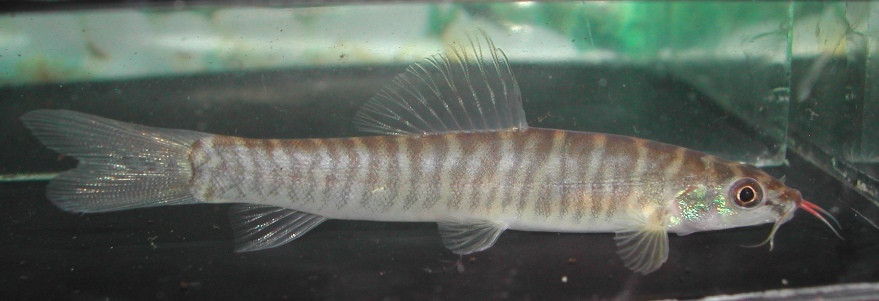
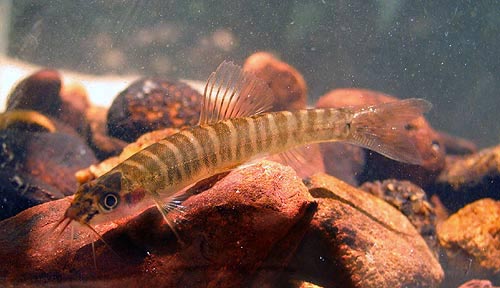
扁头条鳅(Nemacheilus platiceps)体侧有不规则深色横带,常沿纵向裂开。它对同类较温和,喜欢躲藏,适合至少四条共同生活于富氧、洁净并有洞缝遮蔽的环境。
分布与栖息地
原生于老挝、泰国、柬埔寨和越南的湄公河流域,越南南部同奈河也有记录。泰国昭披耶河的报道可能是误鉴定,不应直接当作确定分布。
可见于山溪中积聚落叶的浅缓水潭,也生活在砂砾底、流速中等至较快的河段。雨季水深、流量和浑浊度可能增加。
饲养环境
底面积约 60 × 30 cm 起步,用砂、细砾、大小圆石和枝木构成洞缝与阴影,并切断直接视线。耐受植物可附着于硬景。
保持高溶氧与适当水流,但无需猛烈激流。它不耐有机污染,每周换水约三至五成应列入常规维护。
食性与喂食
条鳅属整体偏重摄食小昆虫、蠕虫、甲壳类和其他浮游动物,植物成分相对少且部分来自猎物胃内容物。缸内使用适口干粮,同时每天轮换小型活饵或冷冻饵,如水蚤、丰年虾、红虫。
习性与混养
同类群体以至少四条为宜,温和的开阔水域鱼群可以增强安全感。合适的喜流鳅和底栖鲤科鱼也可考虑,前提是环境需求相容。部分外形相似的条鳅过于守域,应避免小空间混养。
雌雄区分
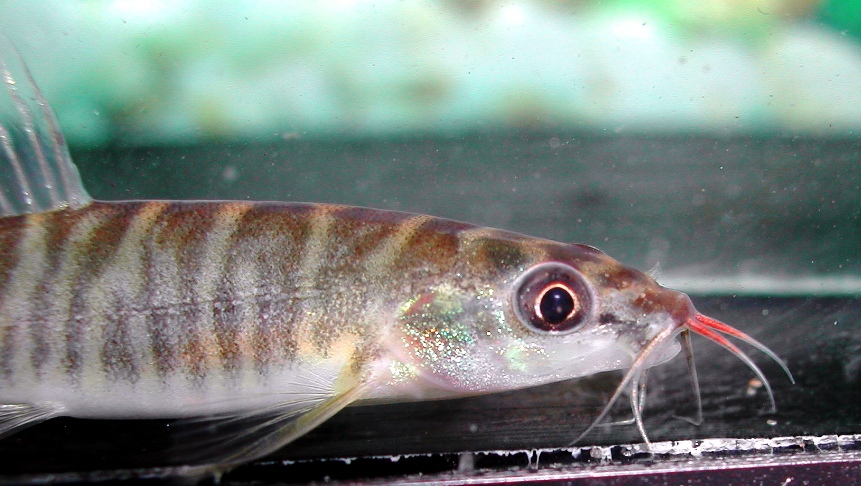
成熟雄鱼眼下有较浅显的皮瓣。雌鱼可能略大,身体也更厚实。
补充说明
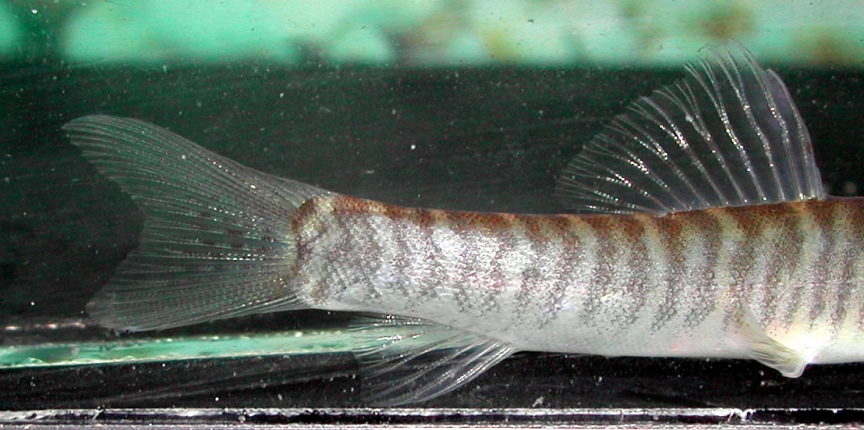
体侧约十二至十六条不规则暗带,侧线不完整、延至肛门附近,尾鳍上下叶近等大,尾基下半部有暗斑。柬埔寨个体的条纹往往更规整,通常到较大成鱼才明显分裂,年龄和产地差异需要一并考虑。
图片
图片来自 SeriouslyFish,版权归各摄影者所有。
English
Overview
Nemacheilus platiceps has irregular dark body bars that often split vertically. Peaceful toward its own species but naturally retiring, it is best kept in groups of at least four with clean, oxygenated water and numerous retreats.
Distribution & habitat
The native range covers the Mekong basin in Laos, Thailand, Cambodia, and Vietnam, together with the Dong Nai system of southern Vietnam. A report from Thailand's Chao Phraya may involve misidentification.
It has been collected in shallow, slow hillstream pools where leaves gather, as well as moderate to fast reaches over gravel. Monsoon increases in depth, flow, and turbidity are presumed rather than well documented.
Aquarium setup
Provide a footprint around 60 × 30 cm or larger. Sand, fine gravel, stones, and branching wood should create shaded crevices and interrupt sight lines. Hardy attached plants can be used.
High oxygen levels and some circulation are beneficial, but a torrent is unnecessary. Prevent organic pollution and include weekly changes of approximately 30–50 percent in routine maintenance.
Diet & feeding
The genus generally feeds predominantly on small insects, worms, crustaceans, and other zooplankton, with a limited plant component partly entering through prey stomach contents. Offer suitable dry foods alongside daily small live or frozen foods such as water fleas, brine shrimp, and bloodworms.
Behaviour & compatibility
Maintain at least four together. Peaceful open-water schools sharing their environmental needs can provide reassurance. Suitable current-loving loaches and bottom-dwelling cyprinids are other options, but some similar-looking loaches are too territorial for small shared aquariums.
Sexual dimorphism
Mature males have a shallow flap below the eye. Females may be slightly larger and heavier-bodied.
Notes
Useful features include twelve to sixteen irregular bars, an incomplete lateral line reaching the vent, nearly equal tail lobes, and a dark mark on the lower tail base. Cambodian fish often show more regular bars that split mainly in larger adults, so age and locality affect appearance.
来源
- https://www.seriouslyfish.com/species/nemacheilus-platiceps(抓取于 2026-10-10)
nemacheilus-platiceps · 文件: data/species/nemacheilus-platiceps.md · 状态: 草稿