马氏条鳅 · Arrow Loach
概要
| 字段 | 值 |
|---|---|
| 类别 | 鱼 |
| 学名 | Nemacheilus masyae |
| 别名 | 馬氏條鰍、Nemacheilus masyai、Noemacheilus masyae、Noemacheilus masyai |
| 分类 | 鲤形目 Cypriniformes › 条鳅科 Nemacheilidae › Nemacheilus |
| 水体 | 淡水 |
| 原产地 | 泰国及马来半岛的马来西亚境内水系 |
| 成体体长 | 7 cm |
| 饲养难度 | 中等 |
| 最小水体 | 54 L |
| 最小缸长 | 60 cm |
| 群居方式 | 群游 |
| 性情 | 温和 |
| 水流偏好 | 高 |
| 外部数据 | seriouslyfish nemacheilus-masyae;fishbase 12268 |
水质参数
| 参数 | 耐受范围 | 最适范围 | 单位 |
|---|---|---|---|
| 水温 | 23–26 | — | °C |
| pH | 6–7.5 | — | — |
| 总硬度 | 2–12 | — | dGH |
概述
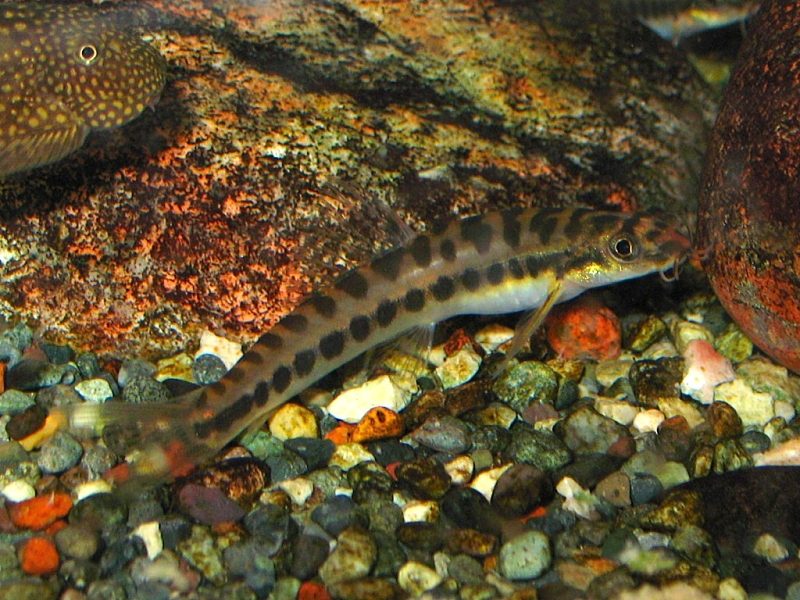
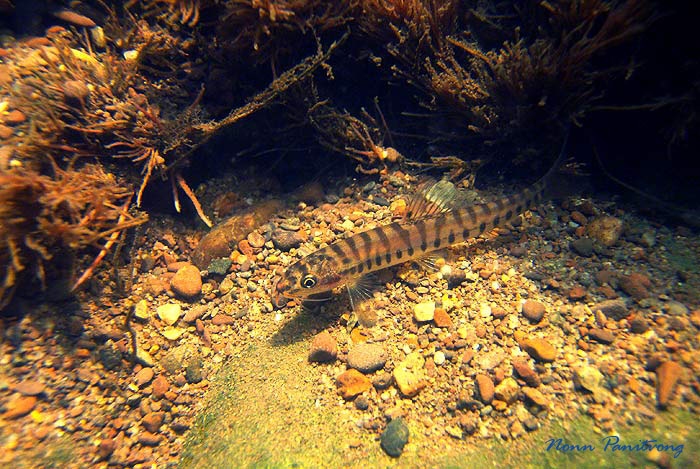
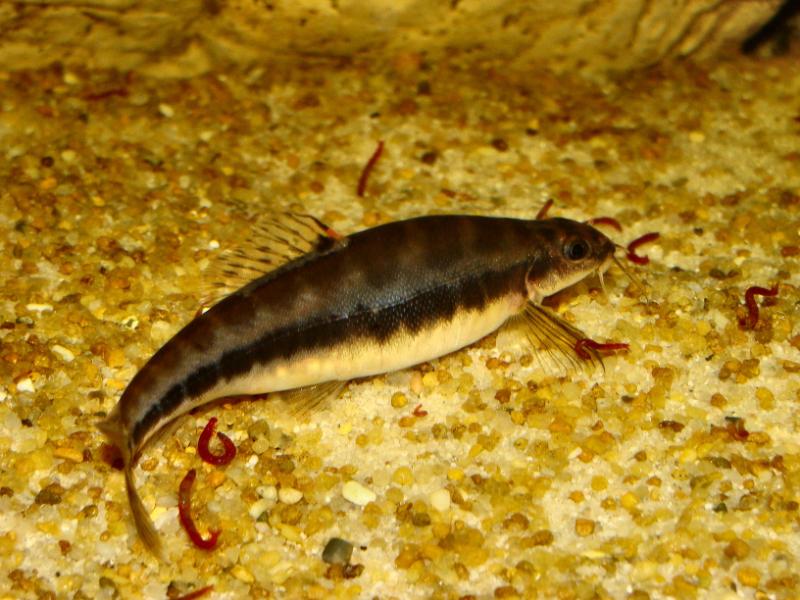
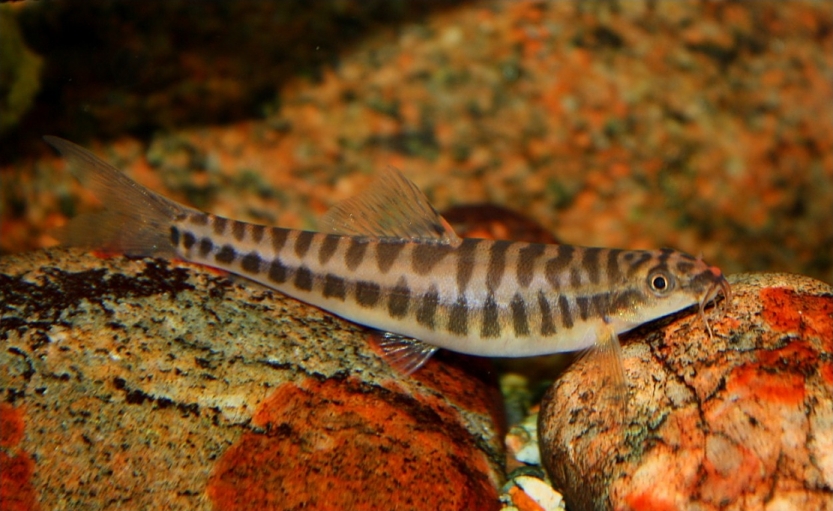
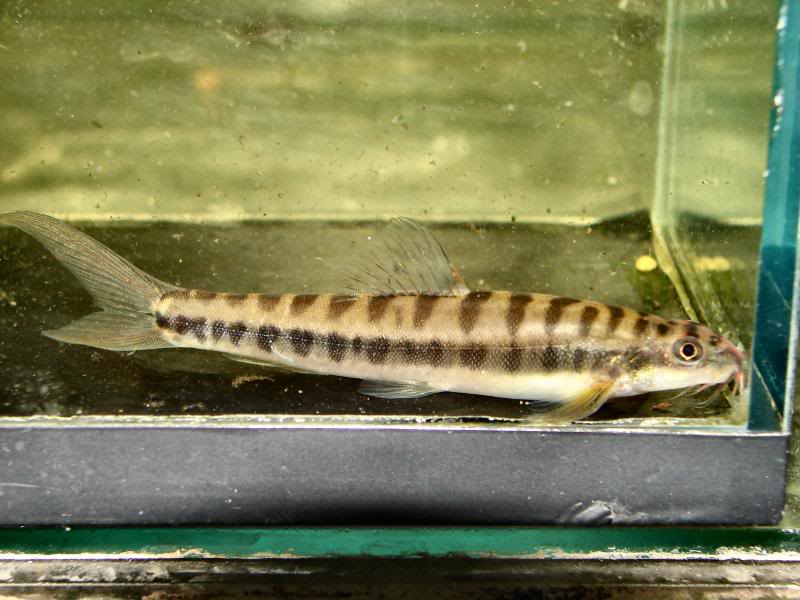
马氏条鳅(Nemacheilus masyae)身体修长,体侧短暗带与背部鞍斑密集,深色部分通常比浅色间隔更宽。它喜隐蔽环境,对同类较温和,至少四条共同饲养更合适。
分布与栖息地
原生记录涉及泰国南部,以及湄功河、昭披耶河部分水系,马来西亚半岛的登嘉楼、彭亨和恩道等水系也有分布。这里的湄功河指 Mae Klong。曾推测可能延伸到柬埔寨西北湄公河水系,但尚未确认。
栖息地变化较大,从小型黑水森林溪流到浑浊主河道都有记录,底部可为泥、砂或小石。也曾见于清澈、适度流动的较深水潭。
饲养环境
底面积至少约 60 × 30 cm,用砂砾、大小石块和枝木营造洞缝与阴影,阻隔视线。耐受植物可附着于硬景。保持高溶氧和适度水流,不必使用猛烈激流;每周换水约三至五成,避免有机污染累积。
食性与喂食
条鳅属整体偏重动物性食物,主要吃小昆虫、蠕虫、甲壳类及其他浮游动物,植物所占较少且部分来自猎物胃内容物。缸内可用适口干粮配每日小型活饵或冷冻饵,如水蚤、丰年虾、红虫。
习性与混养
至少四条同养。水流和水质需求相近的温和开阔水域鱼能增加安全感;合适的喜流鳅及底栖鲤科鱼也可考虑。体形相似的亲缘种可能更强势或守域,小空间中不宜轻易混养。
雌雄区分
成熟雄鱼眼下有皮瓣,第一条胸鳍支条增粗,第二、第三条带成排细小结节。雌鱼可能略大、更粗壮。
补充说明
体侧约十四至十八条短暗带,背部约十二至十七个鞍斑,尾柄末端有暗点。相比某些近似种,本种体形更细长、暗带更宽,有时相互连接。种加词应写作 masyae,旧记录也可能见到 masyai。
图片
图片来自 SeriouslyFish,版权归各摄影者所有。
English
Overview
Arrow loaches (Nemacheilus masyae) are slender fishes with numerous short flank bars and dorsal saddles. The dark markings are generally broader than the pale spaces between them. These retiring loaches are peaceful toward their own species and suit groups of at least four.
Distribution & habitat
The range includes southern Thailand, parts of the Mae Klong and Chao Phraya systems, and the Terengganu, Pahang, and Endau drainages of Peninsular Malaysia. A proposed extension into the Mekong basin of northwestern Cambodia remains unconfirmed.
Habitats vary from small blackwater forest streams to turbid main river channels over mud, sand, or small stones. Clear, moderately flowing deeper pools are also used.
Aquarium setup
Provide a footprint around 60 × 30 cm or larger. Arrange sand, gravel, rocks, and wood to create shaded crevices and interrupt sight lines. Hardy attached plants can be included. High oxygen levels and some circulation matter more than torrential flow. Weekly changes of approximately 30–50 percent help keep organic waste under control.
Diet & feeding
The genus generally consumes mainly small insects, worms, crustaceans, and other zooplankton, with limited plant material partly derived from prey stomach contents. Offer suitable dry foods supplemented daily with small live or frozen items such as water fleas, brine shrimp, and bloodworms.
Behaviour & compatibility
Keep at least four together. Peaceful open-water fishes sharing its environmental needs can encourage confidence. Suitable current-loving loaches and bottom-dwelling cyprinids are possibilities, while similar-looking relatives may be more territorial and unsuitable for small shared spaces.
Sexual dimorphism
Mature males have a flap below the eye, a thickened first branched pectoral ray, and rows of small tubercles on the second and third rays. Females may grow slightly larger and heavier-bodied.
Notes
The pattern includes about fourteen to eighteen short flank bars, twelve to seventeen dorsal saddles, and a dark mark near the end of the caudal peduncle. A slender body and broad, sometimes connecting dark markings help distinguish lookalikes. The spelling masyae is used here; older records may show masyai.
来源
- https://www.seriouslyfish.com/species/nemacheilus-masyae(抓取于 2026-10-10)
nemacheilus-masyae · 文件: data/species/nemacheilus-masyae.md · 状态: 草稿