革条鳅
概要
| 字段 | 值 |
|---|---|
| 类别 | 鱼 |
| 学名 | 'Nemacheilus' corica |
| 别名 | 革條鰍、Cobitis corica、Noemacheilus corica、Schistura corica、Schistura punctata、Cobites cinerea |
| 分类 | 鲤形目 Cypriniformes › 条鳅科 Nemacheilidae › 'Nemacheilus' |
| 水体 | 淡水 |
| 原产地 | 尼泊尔、印度北部和孟加拉国的恒河及布拉马普特拉河相关水系 |
| 成体体长 | 4.5 cm |
| 饲养难度 | 中等 |
| 最小水体 | 54 L |
| 最小缸长 | 60 cm |
| 群居方式 | 群游 |
| 水流偏好 | 高 |
| 外部数据 | seriouslyfish nemacheilus-corica;fishbase 24545 |
水质参数
| 参数 | 耐受范围 | 最适范围 | 单位 |
|---|---|---|---|
| 水温 | 15–24 | — | °C |
| pH | 6–8 | — | — |
| 总硬度 | 2–15 | — | dGH |
概述
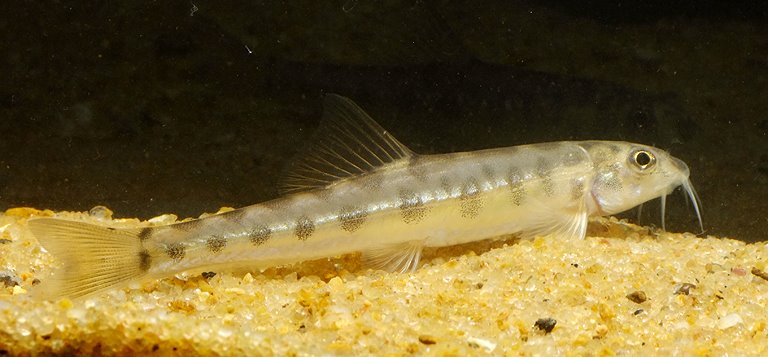
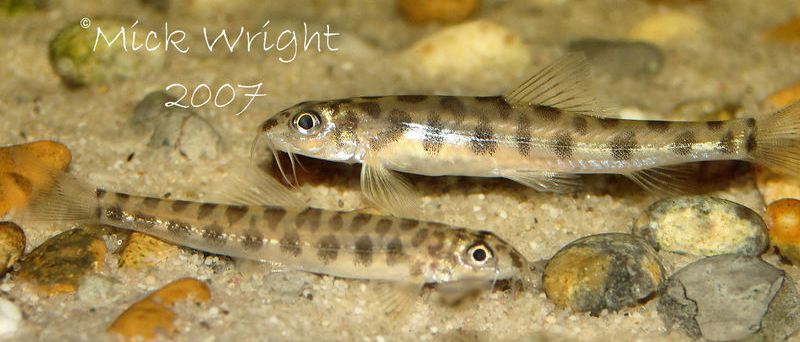
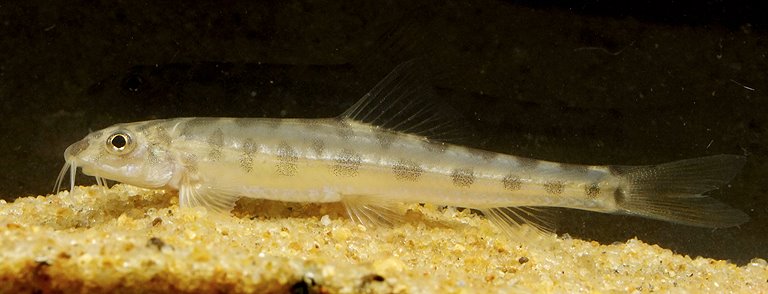
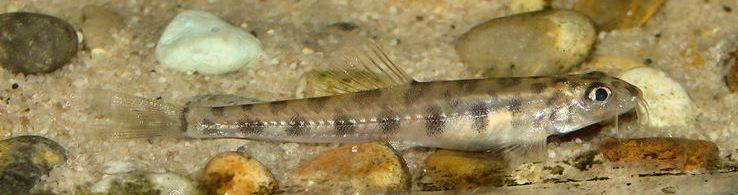
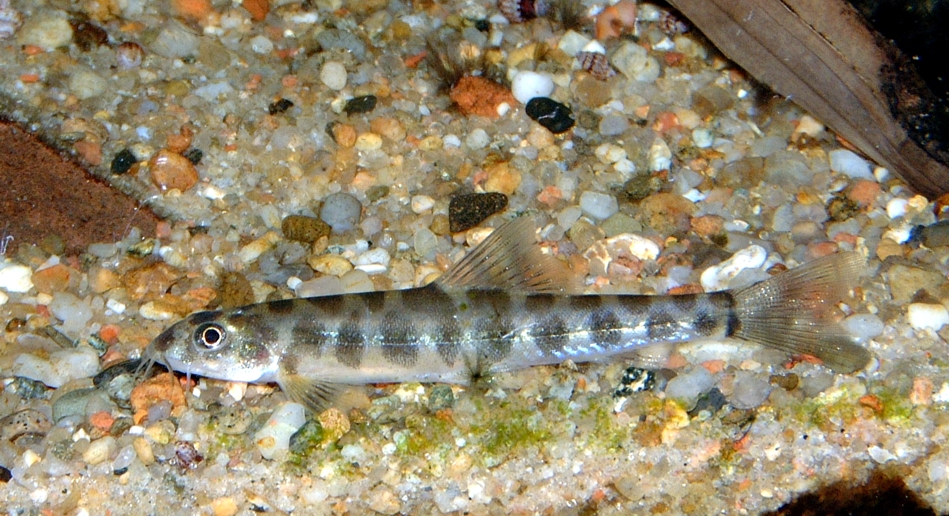
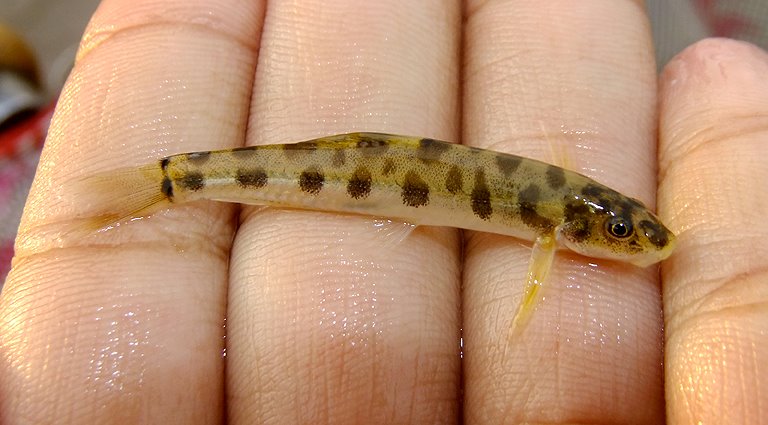
革条鳅('Nemacheilus' corica)背部和两侧各有一列大小不一的暗斑,向后汇于尾鳍基部的深色斑块。它的攻击性相对较低,适合经过选择的混养环境,但仍需要充分遮蔽和洁净富氧水。
分布与栖息地
分布于尼泊尔、印度北部及孟加拉国的喜马拉雅山麓河流,涉及恒河及布拉马普特拉河水系。巴基斯坦以及印度奥里萨、阿萨姆等地的记录尚需确认,不能当成确定范围。
季风导致许多栖息地水深、流量和水流明显改变。孟加拉国一处记录点是清澈、浅而缓流的小溪,底部为砂与有机碎屑,并非所有环境都是急流。
饲养环境
底面积至少约 60 × 30 cm,用砂砾、大小圆石和枝木建立洞缝、阴影与视线屏障,可搭配附着在硬景上的耐受植物。高溶氧和适当水流有益,但不需要猛烈激流。每周换水约三至五成,避免有机废物累积。
食性与喂食
归入条鳅属的鱼总体为动物性食物占主导的杂食鱼,小昆虫、蠕虫、甲壳类和其他浮游动物占较多,植物及碎屑较少。缸内应提供适口干粮与每日小型活饵或冷冻饵,如水蚤、丰年虾、红虫。
习性与混养
可搭配适应相似水环境的温和开阔水域鱼,陪游鱼群有助于提高底栖鱼的安全感。合适的喜流鳅及底栖鲤科鱼也可考虑,外形相近的亲缘种通常应避开,除非空间很大。
它不以紧密群游为主要活动方式,但似乎更适合同类陪伴;遮蔽充分时,同类间攻击一般较轻。
雌雄区分
成年雌鱼通常略大,身体也更粗壮。
补充说明
胸鳍较长、侧线完整,背部与体侧暗斑列可辅助辨识。旧名中也会出现 Schistura corica;属名带引号是因为其分类归属仍需进一步研究。
图片
图片来自 SeriouslyFish,版权归各摄影者所有。
English
Overview
'Nemacheilus' corica has variable dark spots arranged along the back and flanks, ending in a dark mark at the tail base. It is relatively mild compared with more aggressive loaches, but still needs shelter and clean, oxygenated water in a carefully chosen community.
Distribution & habitat
It occurs in Himalayan foothill rivers of Nepal, northern India, and Bangladesh, within the Ganges and Brahmaputra systems. Reports from Pakistan and the Indian states of Odisha and Assam require confirmation.
Monsoon rainfall causes marked seasonal changes in water depth, discharge, and current. One recorded habitat in Bangladesh was a clear, shallow, slow stream over sand and organic debris, so not all sites are fast-flowing.
Aquarium setup
Provide at least about 60 × 30 cm of floor space. Use sand, gravel, rounded stones, and branches to create shaded crevices and barriers between sight lines. Hardy attached plants can be included. Good oxygenation and some circulation are beneficial, but torrential conditions are unnecessary. Weekly changes of approximately 30–50 percent help limit organic waste buildup.
Diet & feeding
Loaches assigned to this genus are generally omnivorous with an animal-dominated diet of small insects, worms, crustaceans, and other zooplankton, plus smaller amounts of plants and detritus. Offer suitable dry foods with daily small live or frozen foods such as water fleas, brine shrimp, and bloodworms.
Behaviour & compatibility
Peaceful open-water fishes adapted to similar conditions are useful companions and can encourage confidence. Suitable current-loving loaches and bottom-dwelling cyprinids are other options. Similar-looking relatives are best avoided except in very spacious aquariums.
It is not a tight-schooling species, but appears to benefit from company of its own kind. Aggression is usually limited when plentiful cover is available.
Sexual dimorphism
Adult females generally become slightly larger and heavier-bodied than males.
Notes
Long pectoral fins, a complete lateral line, and the dorsal and lateral rows of dark spots help identify it. Older names include Schistura corica. The quoted genus name reflects unresolved classification.
来源
- https://www.seriouslyfish.com/species/nemacheilus-corica(抓取于 2026-10-10)
nemacheilus-corica · 文件: data/species/nemacheilus-corica.md · 状态: 草稿