鼓颊条鳅
概要
| 字段 | 值 |
|---|---|
| 类别 | 鱼 |
| 学名 | Nemacheilus binotatus |
| 别名 | 鼓頰條鰍 |
| 分类 | 鲤形目 Cypriniformes › 条鳅科 Nemacheilidae › Nemacheilus |
| 水体 | 淡水 |
| 原产地 | 泰国湄功河及昭披耶河水系 |
| 成体体长 | 4.5 cm |
| 饲养难度 | 中等 |
| 最小水体 | 54 L |
| 最小缸长 | 60 cm |
| 群居方式 | 群游 |
| 性情 | 温和 |
| 水流偏好 | 高 |
| 外部数据 | seriouslyfish nemacheilus-binotatus;fishbase 26879 |
水质参数
| 参数 | 耐受范围 | 最适范围 | 单位 |
|---|---|---|---|
| 水温 | 23–26 | — | °C |
| pH | 6–7.5 | — | — |
| 总硬度 | 2–12 | — | dGH |
概述
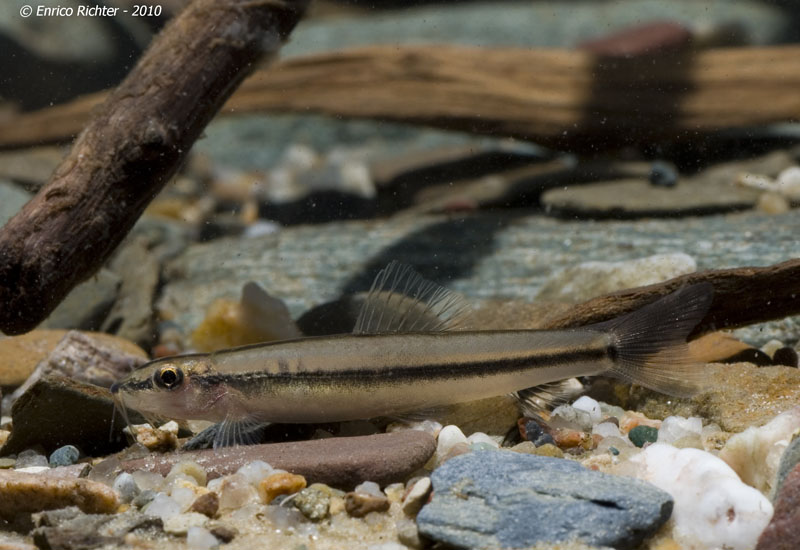
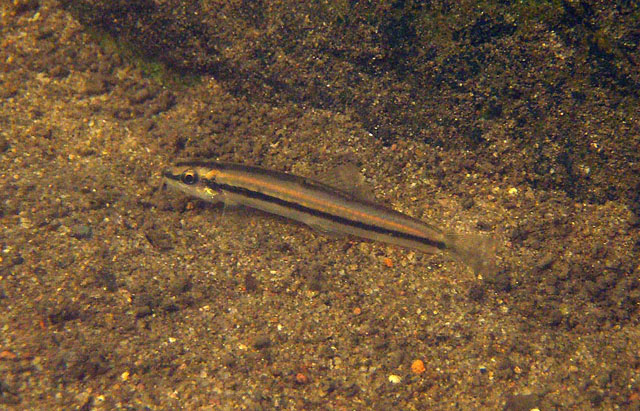
鼓颊条鳅(Nemacheilus binotatus)以背部及体侧各一条深色纵纹为特色,同类之间较温和。野外可见成群聚在大石附近、离底游动,水族箱中也适合保留同类群体,并用丰富硬景增加安全感。
分布与栖息地
已知仅见于泰国湄功河水系和昭披耶河水系,这里的湄功河指 Mae Klong,并非湄公河。模式产地位于清迈素贴山附近的滨河支流。
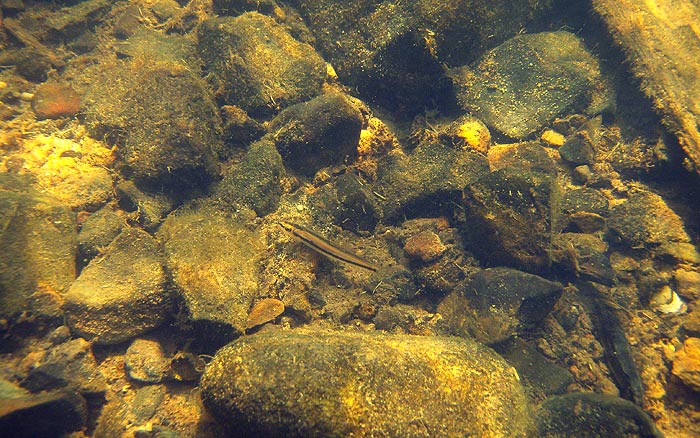
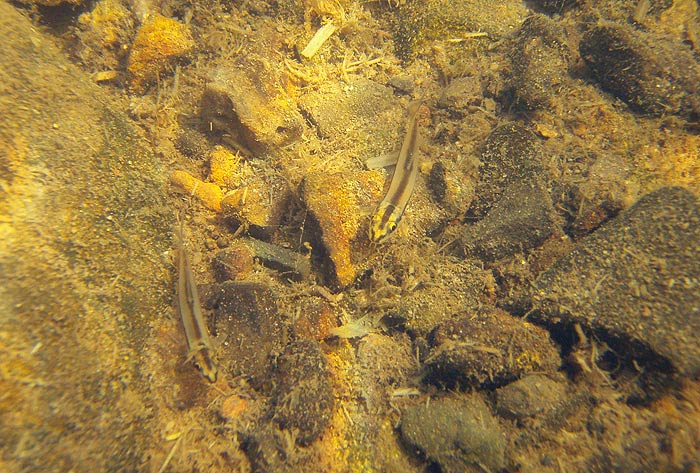
主要生活在浅水溪流,底部有砂、砾石、小石和落叶。不同地点水流可从缓慢到较强;曾观察到十至二十条组成较紧密小群,在大石周围离底一小段距离游动。
饲养环境
底面积约 60 × 30 cm 起步,以砂砾、大小圆石和枝木营造洞缝、阴影及视线阻隔。硬景上可固定耐受水草。保持高溶氧和适当流动,无需猛烈激流;每周换水约三至五成,避免有机污物积累。
食性与喂食
条鳅属整体偏重摄食小型昆虫、蠕虫、甲壳类及其他浮游动物,植物成分较少且部分来自猎物胃内容物。缸内用适口干粮搭配每日水蚤、丰年虾、红虫等小型活饵或冷冻饵,不应仅靠一种饲料。
习性与混养
至少四条共同饲养较合适。温和的开阔水域鱼群可作为陪游鱼,前提是水流和水质要求相近。合适的喜流鳅或底栖鲤科鱼也可考虑,某些体形相近的条鳅则可能过分守域,只有较大空间才更有机会相容。
雌雄区分
雄鱼眼下有皮瓣,前几条胸鳍支条增粗,表面可见多排小结节。雌鱼可能略大,体形更厚实。
补充说明
体侧暗纹从吻端穿过眼部向后延伸,胸鳍至背鳍之间还可能有一至三个小斑突向纵纹上方。背部是纵纹而非一串深色鞍斑,是区分近似种的实用线索。
图片
图片来自 SeriouslyFish,版权归各摄影者所有。
English
Overview
Nemacheilus binotatus is recognized by a dark stripe along its back and another along each side. It is peaceful toward its own species. Wild observations include close groups swimming just above the bottom near large rocks, so retain a group and ample structure in captivity.
Distribution & habitat
The known range covers the Mae Klong and Chao Phraya systems in Thailand. The Mae Klong should not be confused with the Mekong. The type locality is in a Ping tributary near Doi Suthep in Chiang Mai.
It commonly occupies shallow streams over sand, gravel, small rocks, and leaves. Current varies between sites. Groups of ten to twenty have been observed a short distance above the substrate around larger stones.
Aquarium setup
Provide a footprint around 60 × 30 cm or more. Sand, gravel, rounded rocks, and branches should form crevices, shade, and interrupted sight lines. Hardy plants can be attached to the structure. Maintain high oxygen levels and some circulation, without needing a torrent. Weekly changes of roughly 30–50 percent help prevent organic waste accumulation.
Diet & feeding
The genus generally feeds chiefly on small insects, worms, crustaceans, and other zooplankton. Plant material is a minor component, partly entering through prey stomach contents. Combine suitable dry foods with daily small live or frozen offerings such as water fleas, brine shrimp, and bloodworms.
Behaviour & compatibility
Keep at least four together. Peaceful open-water fishes with matching environmental requirements can provide reassurance. Suitable current-loving loaches and bottom-dwelling cyprinids are possible companions, but some similar-looking relatives are strongly territorial and need much more space to coexist.
Sexual dimorphism
Males have a flap below the eye and thickened anterior pectoral rays bearing rows of small tubercles. Females may be slightly larger and heavier-bodied.
Notes
The flank stripe begins at the snout and passes through the eye. One to three small marks may rise above it between the pectoral and dorsal fins. A continuous dorsal stripe rather than separate dark saddles helps distinguish lookalikes.
来源
- https://www.seriouslyfish.com/species/nemacheilus-binotatus(抓取于 2026-10-10)
nemacheilus-binotatus · 文件: data/species/nemacheilus-binotatus.md · 状态: 草稿