单线铅笔鱼 · One-lined Pencilfish
概要
| 字段 | 值 |
|---|---|
| 类别 | 鱼 |
| 学名 | Nannostomus unifasciatus |
| 别名 | 花脂鲤、單線鉛筆魚、花脂鯉、Poecilobrycon ocellatus |
| 分类 | 脂鲤目 Characiformes › 短嘴脂鲤科 Lebiasinidae › Nannostomus |
| 水体 | 淡水 |
| 原产地 | 玻利维亚、巴西、哥伦比亚、圭亚那、委内瑞拉 |
| 成体体长 | 4 cm |
| 饲养难度 | 入门 |
| 最小水体 | 68 L |
| 最小缸长 | 75 cm |
| 群居方式 | 群游 |
| 性情 | 温和 |
| 外部数据 | seriouslyfish nannostomus-unifasciatus;fishbase 10761 |
| 食性 | 肉食 |
| 游动层 | 中层、上层 |
水质参数
| 参数 | 耐受范围 | 最适范围 | 单位 |
|---|---|---|---|
| 水温 | 23–28 | — | °C |
| pH | 4–7 | — | — |
| 总硬度 | 1–10 | — | dGH |
概述
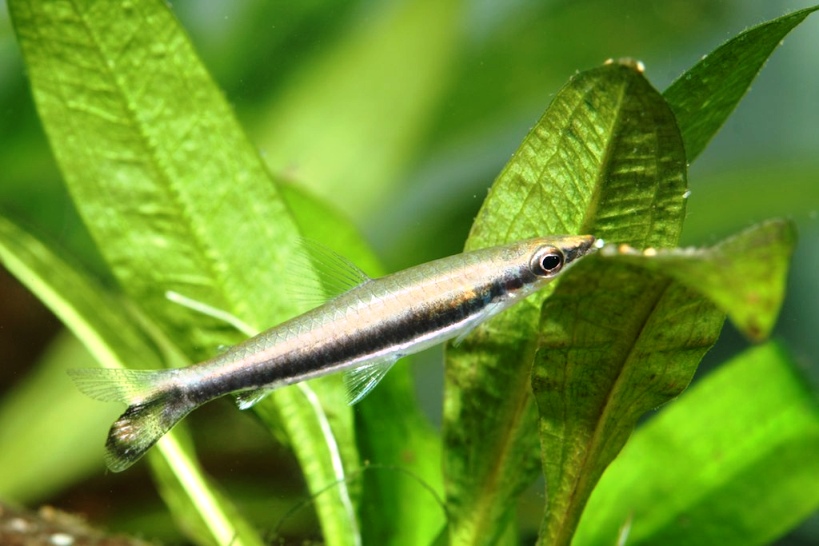
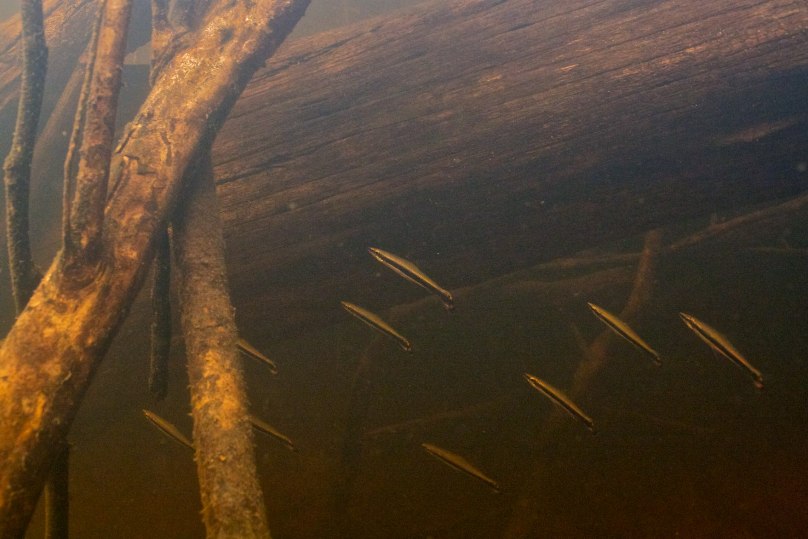
单线铅笔鱼(Nannostomus unifasciatus)以头高尾低的斜角游动,常在浮水植物附近聚集。它与管口铅笔鲤(Nannostomus eques)姿态相似,但身体鳞片没有后者的深褐色点,尾鳍上叶通常有眼斑。
分布与栖息地
原生范围涉及巴西、玻利维亚及可能的哥伦比亚亚马孙上游,以及哥伦比亚、委内瑞拉的奥里诺科河上游和圭亚那的埃塞奎博、德梅拉拉河。特立尼达和多巴哥的种群为引入,不属于原产地。
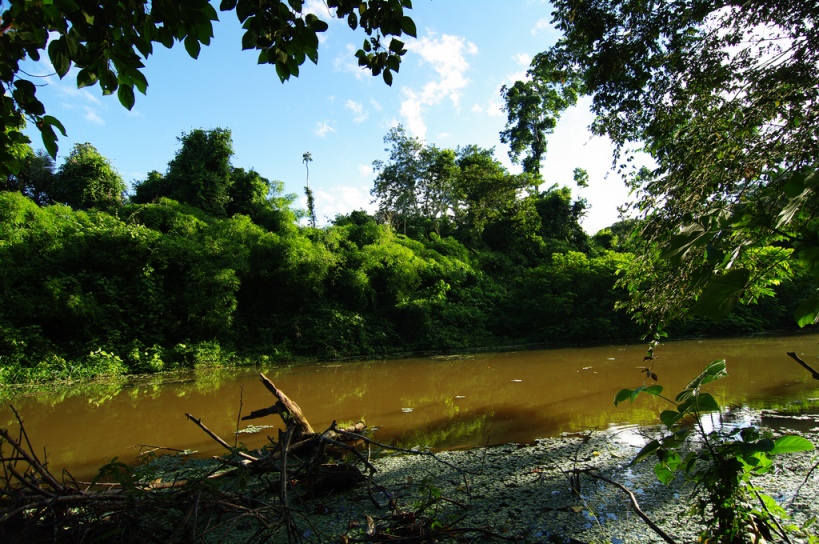
生活于缓流支流、小河、沼泽、黑水淹水森林和洪泛湖,常有密集植被、木屑与落叶。委内瑞拉阿普雷的一处黑水溪流在雨季会淹没岸边森林与草原,鱼随之分散到洪泛地;旱季水位下降后返回主河道及岸边环境。本种在水流缓慢、淹水植被和棕榈等植物残体丰富处出现。
饲养环境
底面积至少约 75 × 30 cm。密植水草和深色底床较合适,浮水植物周围保留空间,鱼常在这里斜向水面聚集。沉木枝条及干落叶增加遮蔽,落叶微生物可补充鱼苗食物。
过滤宜柔和,气动海绵过滤通常足够,也能接受一定水流。
食性与喂食
野外摄食微小无脊椎动物和动物浮游生物。缸内可接受适口干粮,每日搭配丰年虾无节幼体、小型水蚤、白线虫等小型活饵或冷冻饵。
习性与混养
很温和但体型小、较胆怯,不适合与强势或明显大一号的鱼混养。可选择体型相近的温和脂鲤和较小底层鲶鱼。它常在中上层活动,不主动追捕鱼苗,可作为合适小型慈鲷的陪游鱼,仍不能保证完全不吃苗。
建议至少 10 条,让鱼更大胆、群体行为更自然。雄鱼之间很少像某些近缘种那样经常对峙或互相伤害。
雌雄区分
成年雄鱼通常更鲜艳、更纤细,臀鳍较大;雌鱼较丰满。雄鱼臀鳍改形程度可因产地而不同。
繁殖
目前没有可靠的本种人工繁殖记录。早期相关报告似乎实际涉及管口铅笔鲤,不能把后者在叶背产卵的方式当成本种已经确认的繁殖方法。
补充说明
典型体侧有一条明显中线,上、下侧纹缺少。多数群体尾鳍上叶有眼斑,且鳞片上没有管口铅笔鲤的深褐点,这些比单独观察斜游姿态更有鉴别价值。
历史分类可能使用 Poecilobrycon 或 Nannobrycon 属名。夜间外观可能变得较隐蔽,单纯昼夜色差不应被当作异常或夜行性的证据。
图片
图片来自 SeriouslyFish,版权归各摄影者所有。
English
Overview
The head-up swimming angle of Nannostomus unifasciatus is often seen around floating vegetation. Although Nannostomus eques shares the posture, this fish lacks dark brown spots on individual body scales and usually has an eye-like mark in the upper tail lobe.
Distribution & habitat
Native records involve the upper Amazon in Brazil, Bolivia, and possibly Colombia, the upper Orinoco in Colombia and Venezuela, and the Essequibo and Demerara in Guyana. The Trinidad and Tobago population is introduced.
It inhabits slow tributaries, small rivers, swamps, blackwater flooded forest, and floodplain lakes rich in vegetation, woody debris, and leaves. At one Apure blackwater stream in Venezuela, rainy-season flooding spreads fish through adjacent forest and grassland, while falling dry-season water returns them to the channel and margins. This species uses slow, flooded vegetation with abundant palm and other plant debris.
Aquarium setup
Provide a footprint of at least about 75 × 30 cm. Dense planting and dark substrate work well. Retain space around floating plants, where fish gather with their bodies angled upward. Branches and dry leaves add cover, and leaf-associated microorganisms can supplement fry food.
Use gentle filtration, normally an air-driven sponge unit, although some current is tolerated.
Diet & feeding
Tiny invertebrates and other zooplankton form the natural diet. Offer appropriate-sized preparations with daily Artemia nauplii, small water fleas, grindal worms, and similar live or frozen foods.
Behaviour & compatibility
Small size and timidity limit community choices despite its peaceful nature. Avoid forceful or much larger companions; similarly sized peaceful characins and smaller bottom-dwelling catfishes are better candidates. Middle-to-upper activity and lack of active fry hunting can make it useful with suitable dwarf cichlids, without guaranteeing no predation.
Maintain at least ten where possible for confidence and natural group behavior. Males seldom spar or injure one another as some relatives do.
Sexual dimorphism
Adult males are generally more colorful and slimmer, with a larger anal fin. Females are fuller-bodied. The extent of male anal-fin modification varies among localities.
Breeding
Reliable captive breeding records for this species are lacking. Earlier reports appear to concern Nannostomus eques, so that relative's leaf-underside spawning should not be presented as confirmed here.
Notes
A strong middle flank stripe is present, with the upper and lower stripes absent. Most populations show a tail ocellus, and the lack of dark spots on body scales helps distinguish them from N. eques. These characters are more useful than oblique posture alone.
Historical names may place it in Poecilobrycon or Nannobrycon. A more cryptic appearance after dark need not indicate a problem, and color changes alone do not establish nocturnal behavior.
来源
- https://www.seriouslyfish.com/species/nannostomus-unifasciatus(抓取于 2026-10-10)
nannostomus-unifasciatus · 文件: data/species/nannostomus-unifasciatus.md · 状态: 草稿