Nannostomus grandis
概要
| 字段 | 值 |
|---|---|
| 类别 | 鱼 |
| 学名 | Nannostomus grandis |
| 分类 | 脂鲤目 Characiformes › 短嘴脂鲤科 Lebiasinidae › Nannostomus |
| 水体 | 淡水 |
| 原产地 | 巴西 |
| 成体体长 | 4.6 cm |
| 饲养难度 | 入门 |
| 最小水体 | 54 L |
| 最小缸长 | 60 cm |
| 群居方式 | 群游 |
| 性情 | 温和 |
| 水流偏好 | 低 |
| 外部数据 | seriouslyfish nannostomus-grandis;fishbase 66373 |
| 食性 | 肉食 |
| 游动层 | 中层、上层 |
水质参数
| 参数 | 耐受范围 | 最适范围 | 单位 |
|---|---|---|---|
| 水温 | 22–28 | — | °C |
| pH | 5–7 | — | — |
| 总硬度 | 1–12 | — | dGH |
概述
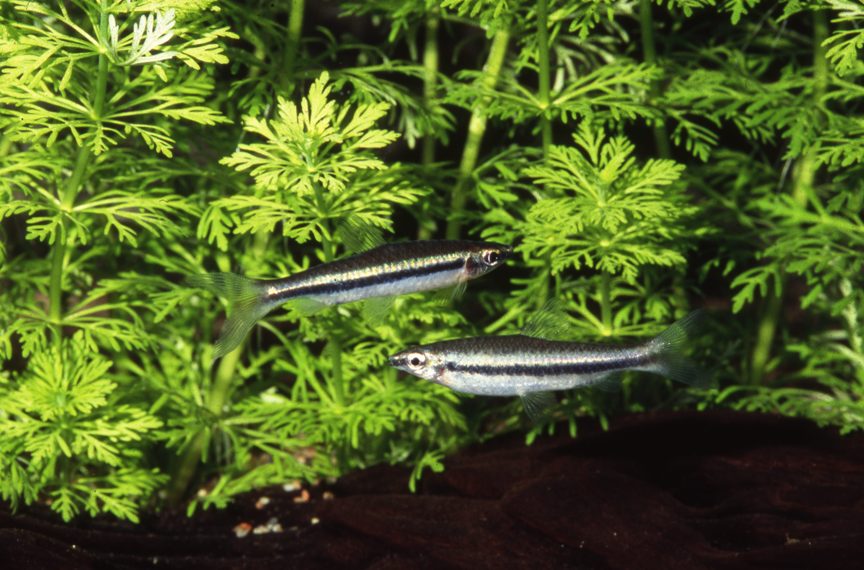
Nannostomus grandis 是体形较大的铅笔鱼,与 Nannostomus beckfordi 外观接近,常混在其他种中进入贸易。腹鳍末端没有后者常见的浅白或蓝白色尖,是较容易使用的识别线索。
分布与栖息地
已知模式标本由巴西帕拉州贝伦商业出口到德国,但具体采集地点未确定,不能直接把出口港当作野生分布中心。
近缘铅笔鱼多见于缓流支流、小河或沼泽,利用浓密水草、淹没木枝和落叶层;这些只能帮助理解近缘习性,并不等于本种已确认的采点环境。
饲养环境
密植水草和深色底床适合布置,根木、浮水植物及落叶层能增加遮挡,缓解胆怯。落叶分解后形成微生物群,也可给鱼苗提供辅助食物。
过滤不必猛烈,气动海绵通常足够,可保留一定水体流动,避免被强势同伴和急流双重挤压。
食性与喂食
以微小无脊椎动物和浮游动物为天然食物。可投适口干粮,但每天仍应搭配丰年虾无节幼体、小水蚤和微型蠕虫等活、冻饵。
习性与混养
相对温和,面对体形大或过度活跃的伙伴竞争力不强。可与体形接近的温和小型脂鲤、小型鼠鱼或异型鱼搭配;小缸中不宜加入行动过于安静的表层鱼,以免受到干扰。
多在中上层活动,可作为短鲷的陪游鱼,对鱼苗捕食通常不多,但不能据此保证鱼苗完全安全。建议至少十条,较大群体有助于分散冲突,使鱼更大胆。
雌雄区分
成熟雌鱼预计更饱满,雄鱼臀鳍鳍条有增粗、发达的特征;应结合体况与成熟度观察。
补充说明
体侧中央纵纹清晰,没有上、下两条额外纵纹,也无脂鳍。旧资料中的 Nannostomus anomalus 与本种存在名称混用的历史可能性,不能凭旧标签直接确定身份。
夜间会出现较隐蔽的竖向条带,与白天花纹不同。突然开灯看到这种变化不一定是健康异常,它与铅笔鱼的昼夜节律有关。
图片
图片来自 SeriouslyFish,版权归各摄影者所有。
English
Overview
One of the larger pencilfishes, Nannostomus grandis closely resembles Nannostomus beckfordi and can arrive mixed with it. The absence of pale white or bluish pelvic-fin tips provides a convenient first distinction.
Distribution & habitat
The type specimens reached Germany through a commercial shipment from Belém in Pará, Brazil. Their precise collection locality is unknown, so the export city should not be treated as a documented center of wild distribution.
Related pencilfishes commonly use slow tributaries, small rivers, and swamps with dense vegetation, submerged wood, and leaves. That comparison provides context without establishing the actual habitat of this species.
Aquarium setup
Use dense planting, a dark substrate, floating cover, roots, and leaf litter to interrupt sight lines and reduce nervousness. Decomposing leaves also support microorganisms that can supplement fry feeding.
An air-powered sponge normally supplies enough filtration, with some water movement acceptable. Avoid subjecting the fish to both forceful current and highly competitive companions.
Diet & feeding
Its natural prey consists of tiny invertebrates and zooplankton. Offer appropriately sized dry foods alongside daily small live or frozen items, including Artemia nauplii, Moina, and small worms.
Behaviour & compatibility
Relatively peaceful, it competes poorly with much larger or boisterous fishes. Suitable choices include similar-sized peaceful characins and small callichthyid or loricariid catfishes. Very placid surface dwellers are less suitable, particularly in restricted aquariums.
It generally uses the middle and upper water and can serve as a dither fish for dwarf cichlids. Fry predation is infrequent rather than impossible. A group of at least ten helps distribute disputes and encourages confident behavior.
Sexual dimorphism
Mature females are expected to be fuller-bodied. Males have enlarged, thickened anal-fin rays; assess these features together with condition and maturity.
Notes
The central flank stripe is distinct, additional upper and lower stripes are absent, and there is no adipose fin. Historical use of the name Nannostomus anomalus may have included this species, but an old label alone cannot confirm identity.
At night, a cryptic pattern of vertical bars replaces the daytime appearance. Seeing this immediately after switching on the lights is not necessarily a health problem; it reflects the daily color rhythm of pencilfishes.
来源
- https://www.seriouslyfish.com/species/nannostomus-grandis(抓取于 2026-10-10)
nannostomus-grandis · 文件: data/species/nannostomus-grandis.md · 状态: 草稿