金色铅笔鱼 · Golden Pencilfish
概要
| 字段 | 值 |
|---|---|
| 类别 | 鱼 |
| 学名 | Nannostomus beckfordi |
| 别名 | 贝氏铅笔鱼、金色鉛筆魚、貝氏鉛筆魚、Nannostomus anomalus、Nannostomus aripirangensis、Nannostomus simplex、Nannostomus beckfordi surinami |
| 分类 | 脂鲤目 Characiformes › 短嘴脂鲤科 Lebiasinidae › Nannostomus |
| 水体 | 淡水 |
| 原产地 | 巴西、法属圭亚那、圭亚那、苏里南、委内瑞拉 |
| 成体体长 | 6.5 cm |
| 饲养难度 | 入门 |
| 最小水体 | 41 L |
| 最小缸长 | 45 cm |
| 群居方式 | 群游 |
| 性情 | 温和 |
| 水流偏好 | 低 |
| 外部数据 | seriouslyfish nannostomus-beckfordi;fishbase 10750 |
| 食性 | 肉食 |
| 游动层 | 中层、上层 |
| 繁殖方式 | 散卵 |
水质参数
| 参数 | 耐受范围 | 最适范围 | 单位 |
|---|---|---|---|
| 水温 | 21–27 | — | °C |
| pH | 5–8 | — | — |
| 总硬度 | 1–15 | — | dGH |
概述
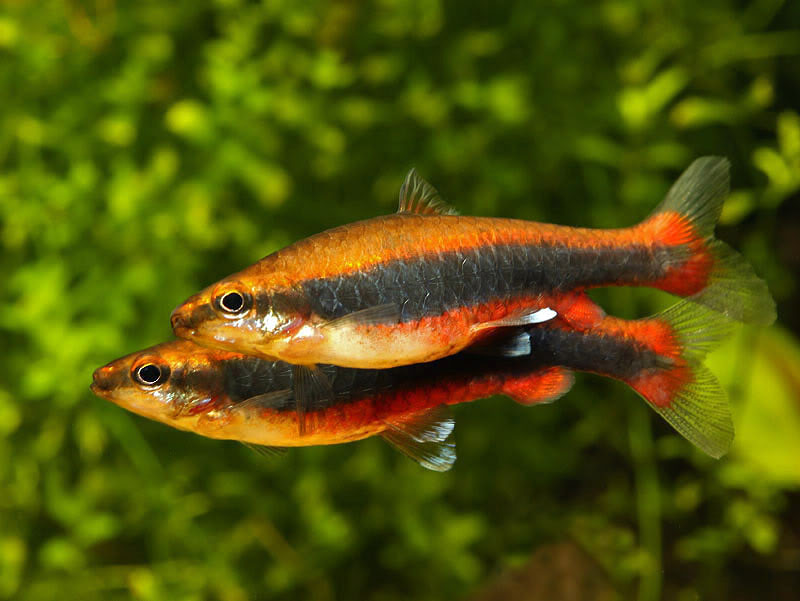
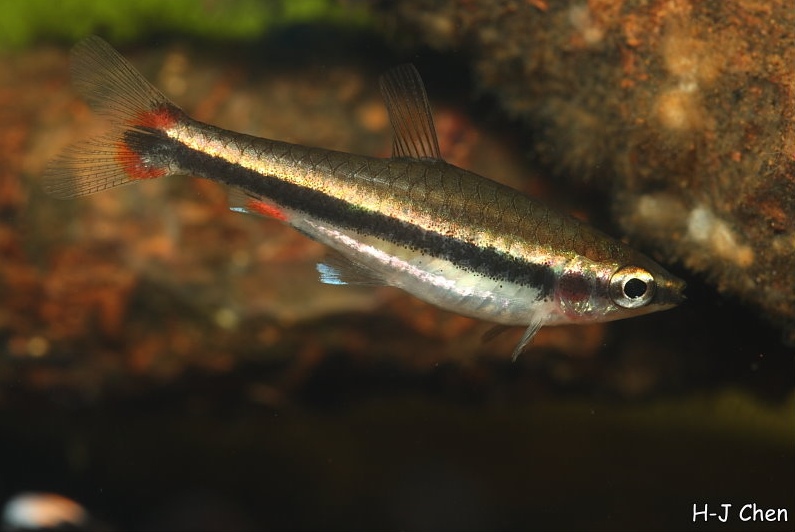
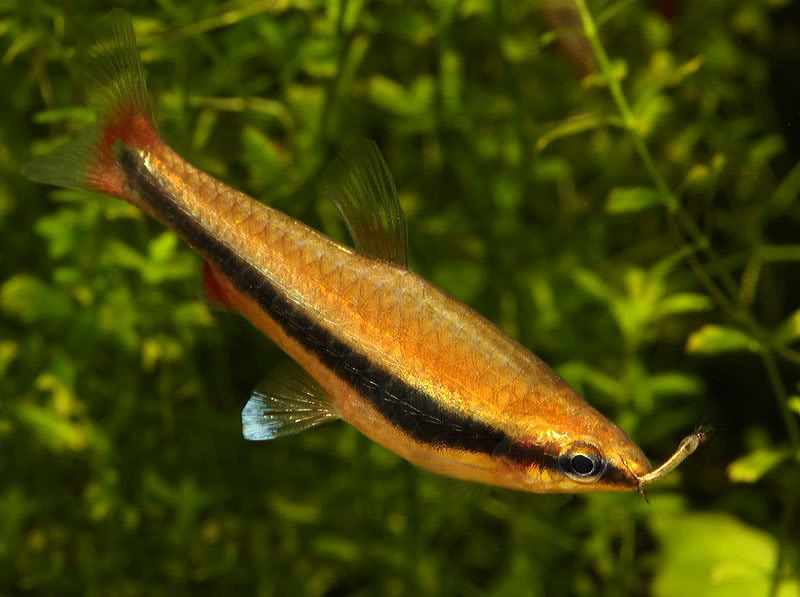
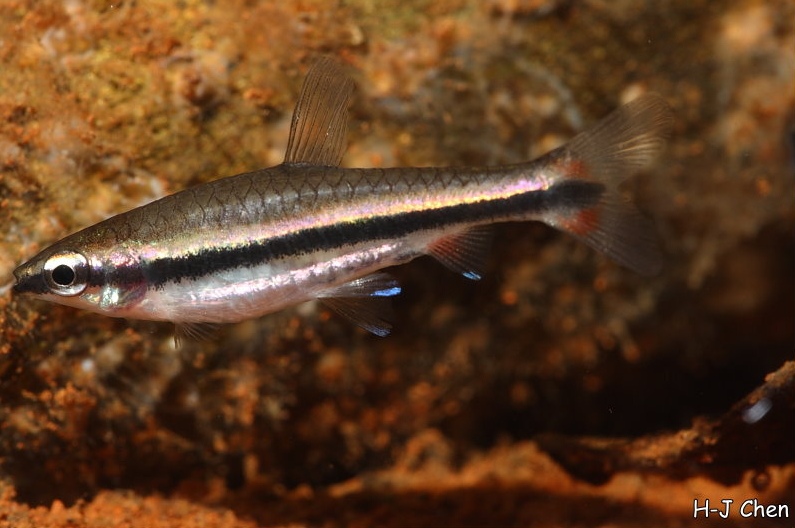
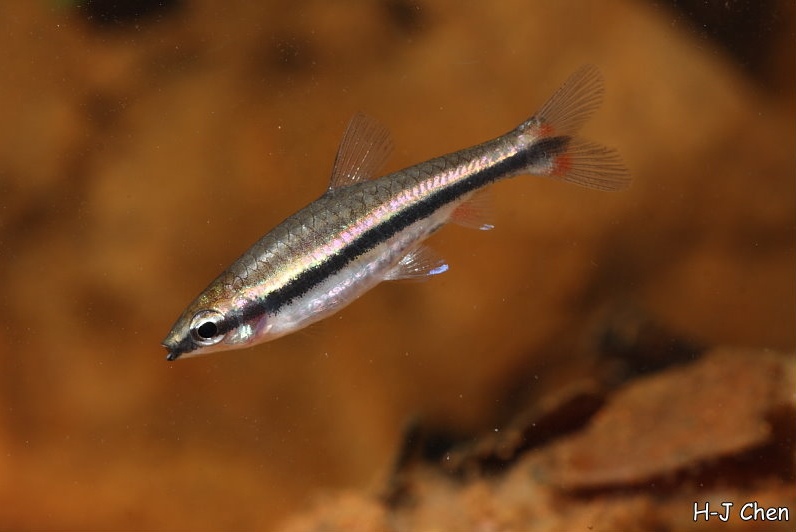
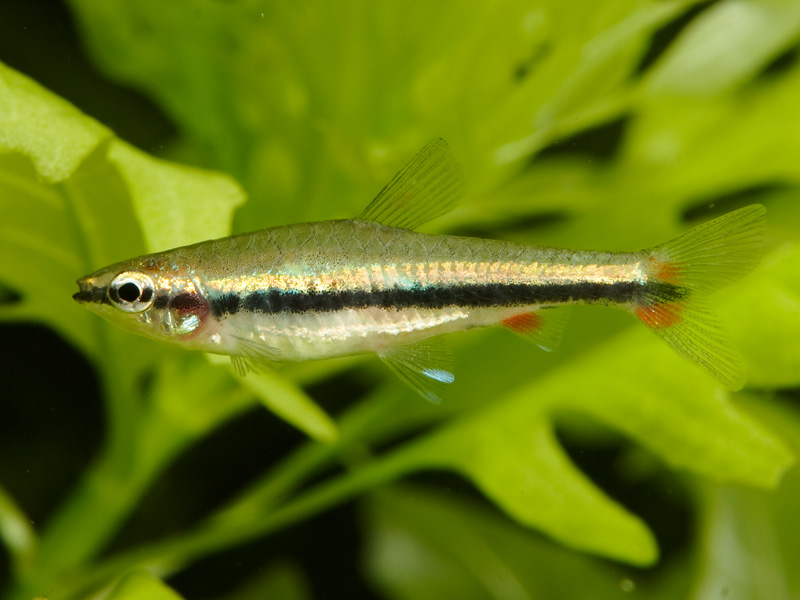
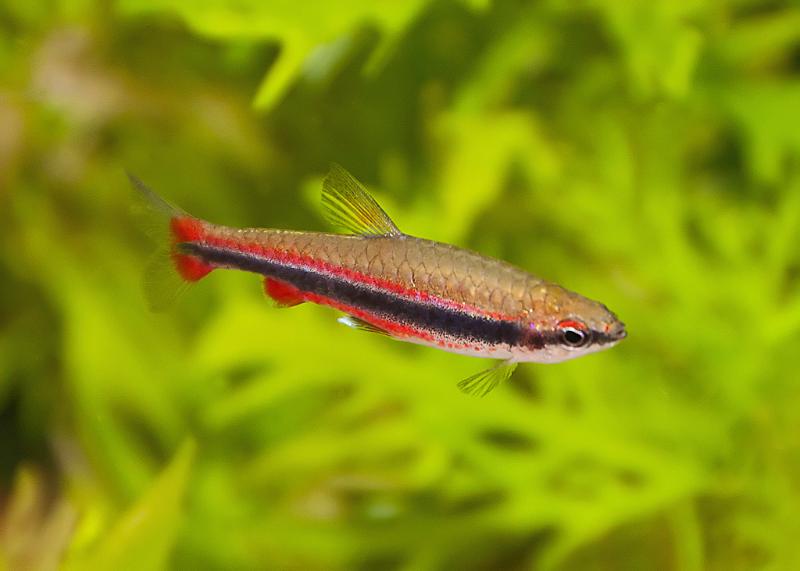
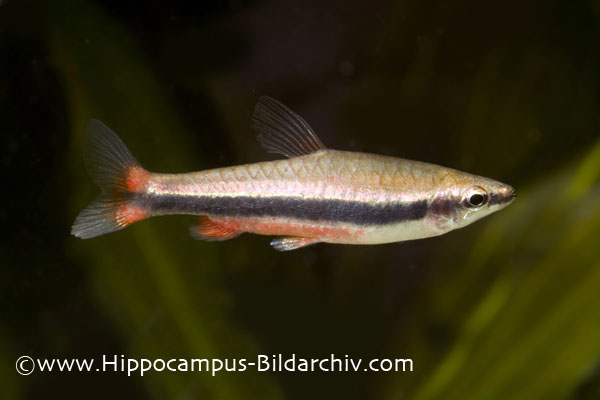
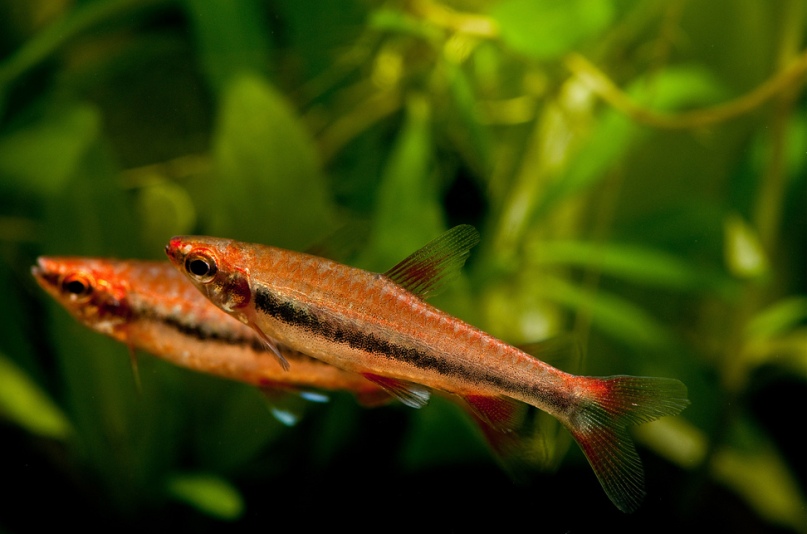
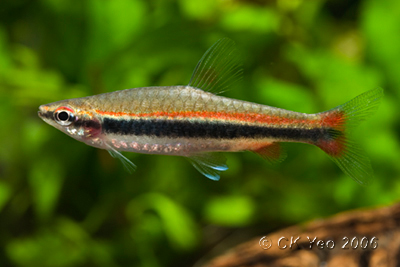
金色铅笔鱼(Nannostomus beckfordi)是较常见、相对容易饲养的铅笔鱼,许多商品鱼来自人工养殖。不同产地的体色和条纹有所差异,成群饲养和丰富水草能让它更大胆,也能分散个体间的争执。
分布与栖息地
分布包括圭亚那、苏里南、法属圭亚那、巴西及委内瑞拉。巴西记录涉及亚马孙东部及中下游、马德拉河和内格罗河下游等地,委内瑞拉也有奥里诺科河记录。
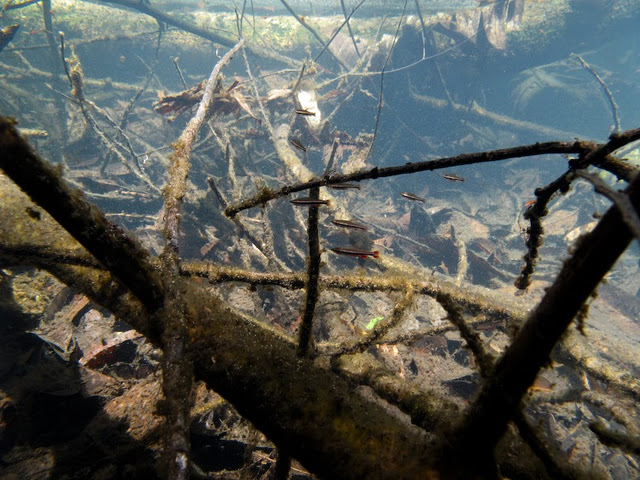
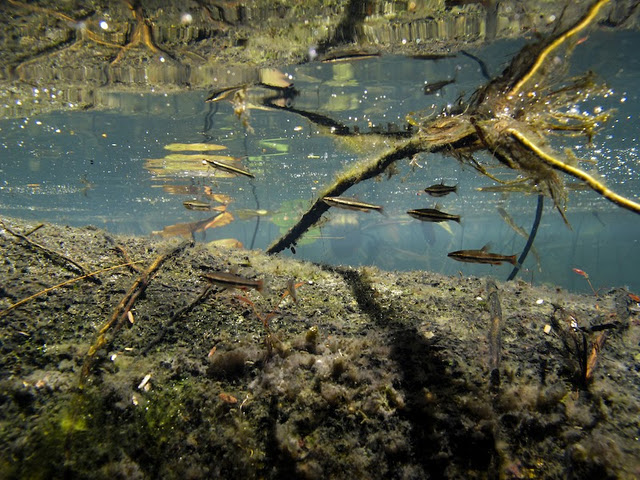
生活于缓流支流、小河和沼泽地,偏好水草茂密、沉木结构或落叶丰富的区域。野生群体的花纹随产地变化,贸易中既有野采也有养殖个体。
饲养环境
至少提供约 45 × 30 cm 的底面积,若同时养多条雄鱼,应使用更大的缸。密植水草和深色底床较合适,植物阻断视线能降低胆怯并缓和相互干扰。浮水植物、沉木枝条与干落叶可增加遮蔽,落叶上的微生物也可成为鱼苗辅助食物。
过滤不必强,气动海绵过滤通常足够,也能接受一定水流。野采鱼可能更适应既定范围内偏酸、较软的一端,不能简单按商品养殖鱼的适应表现处理所有产地。
食性与喂食
野外摄食微小无脊椎动物和动物浮游生物。缸内可接受适口干粮,每日搭配丰年虾无节幼体、小型水蚤、白线虫等小型活饵或冷冻饵。
习性与混养
相对温和,却不善与很大或过于活跃的鱼争食。可搭配体型相近的温和小型脂鲤、较小底层鲶鱼及其他适合的温和鱼;尤其小缸中,安静的水面鱼如斧头鱼并非理想同伴。
它常活动于中上层,不常捕食鱼苗,可作为短鲷等小型慈鲷的陪游鱼,但这不等于绝不吃苗。建议至少 10 条,较大的群体能分散追逐压力,使鱼更大胆、行为更自然。
雌雄区分
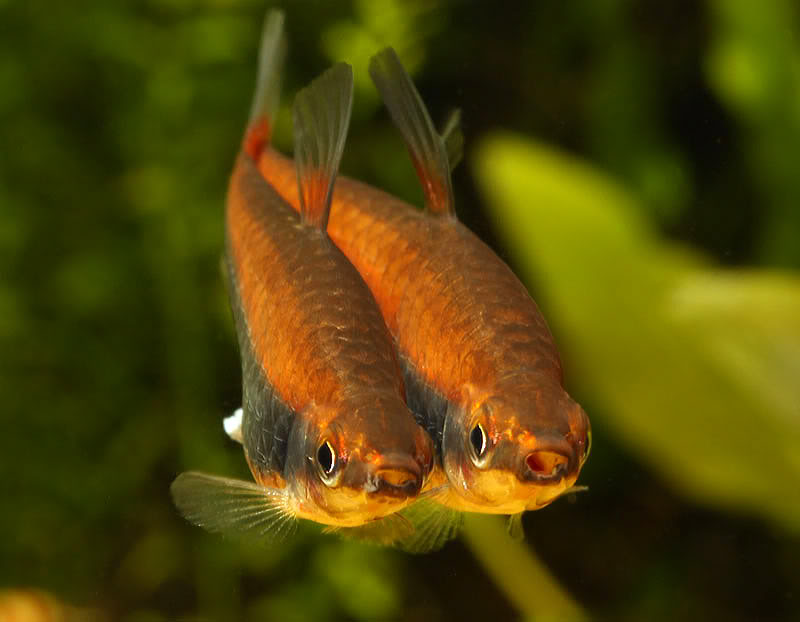
成年雄鱼颜色更浓,繁殖时尤其明显;雌鱼较圆润。雄鱼臀鳍后缘弯曲,雌鱼则较直。
繁殖
本种散卵,不护卵。状态良好的成鱼常会繁殖,成熟缸偶尔也能自然出现鱼苗;想提高数量,可将亲鱼一起调养,再准备暗光繁殖缸,使用成熟水。
底部铺让卵落下、亲鱼够不到的网格,也可用人工草垫、玻璃珠、细叶植物或产卵拖把保护卵。水宜微酸至中性,温度在既定范围的较高一端,以海绵过滤或气石提供轻微循环与溶氧。
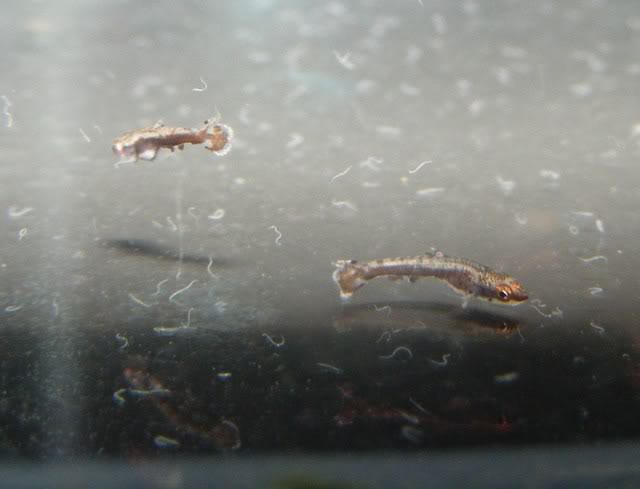
可放一对,或一两条雄鱼配数条雌鱼;数量越多,吃卵风险越高,多雄还可能互相干扰而不追雌。约 2~3 天后移走成鱼,再过约 3 天可能见到首批鱼苗。开口用草履虫或粒径约 5~50 μm 的微细饲料,长大后转丰年虾无节幼体、微虫等。
补充说明
不同地域色型曾以多个名称发表,如 Nannostomus anomalus、Nannostomus aripirangensis 和 Nannostomus simplex,旧名仍可见于贸易。近似种的界限也有过讨论,不能只凭单一色型判断。
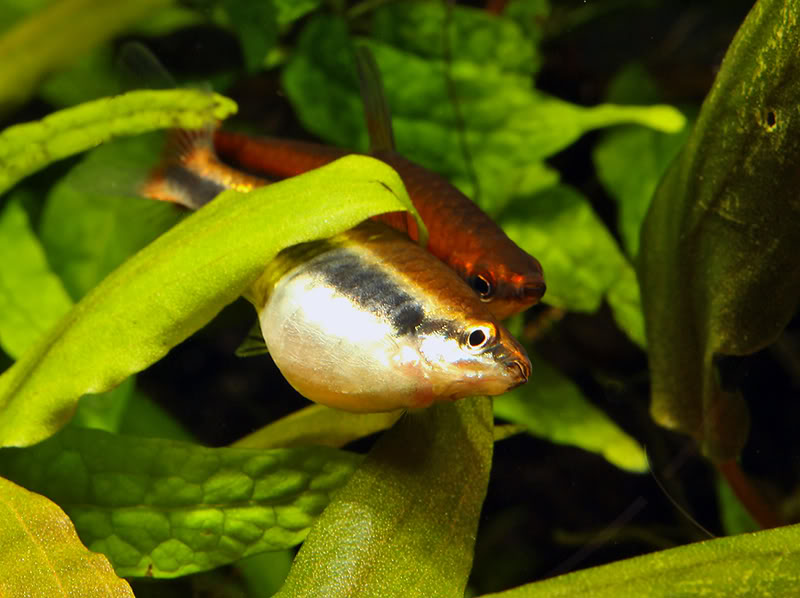
夜晚或清晨开灯时,身体可能出现与白天不同的隐蔽竖纹,这是规律性的日夜花纹变化,通常不必因此惊慌;该变化并不代表它是夜行鱼。
图片
图片来自 SeriouslyFish,版权归各摄影者所有。
English
Overview
Common in trade and comparatively undemanding, Nannostomus beckfordi is a useful introductory pencilfish. Many aquarium specimens are farmed. Geographic variation affects color and markings, while a substantial group and dense planting improve confidence and distribute social tension.
Distribution & habitat
The range includes Guyana, Suriname, French Guiana, Brazil, and Venezuela. Brazilian records extend through the eastern and middle-to-lower Amazon, the Madeira, and lower Negro, with Orinoco records in Venezuela.
Habitats are slow tributaries, small rivers, and swampy areas rich in plants, submerged wood, or leaves. Wild populations vary in pattern, and traded fish include both wild-caught and cultured stock.
Aquarium setup
Provide at least about 45 × 30 cm of floor space, with larger accommodation for several males. Dense planting and dark substrate work well. Broken sight lines reduce nervousness and help limit interference among fish. Floating cover, branches, and dry leaves add shelter; leaf-associated microorganisms can supplement fry food.
Gentle filtration is sufficient, often supplied by an air-driven sponge filter, although some water movement is tolerated. Wild fish may perform better toward the softer, more acidic end of the stated maintenance range, so do not assume every locality behaves like farmed stock.
Diet & feeding
It feeds on tiny invertebrates and other zooplankton in nature. Offer suitable-sized prepared foods with daily small live or frozen items such as Artemia nauplii, small water fleas, and grindal worms.
Behaviour & compatibility
It is relatively peaceful but competes poorly with much larger or very boisterous fishes. Similar-sized peaceful characins and smaller bottom-dwelling catfishes are useful candidates. Sedate surface fishes such as hatchetfishes are best avoided, particularly in small aquaria.
Middle-to-upper activity and infrequent fry predation make it a useful dither fish for dwarf cichlids, although occasional predation remains possible. Keep at least ten where possible. Larger groups distribute chasing and produce more confident, natural behavior.
Sexual dimorphism
Adult males show stronger colors, particularly during breeding; females are rounder-bodied. The rear edge of the male anal fin is curved, while that of the female is straight.
Breeding
This egg scatterer provides no parental care. Well-conditioned adults spawn frequently, and occasional fry may survive in a mature aquarium. For higher yield, condition the group together and prepare a separate dimly lit tank with mature water.
Protect eggs with a mesh they can fall through but adults cannot reach through, artificial grass matting, marbles, fine-leaved plants, or spawning mops. Use slightly acidic to neutral water toward the warmer end of the established range, with gentle aeration or sponge filtration.
Introduce a pair, or one or two males with several females. More adults increase egg predation, and multiple males may distract each other from courtship. Remove adults after about two or three days; the first fry may appear around three days later. Feed Paramecium or fine preparations around 5–50 μm initially, adding Artemia nauplii or microworms when large enough.
Notes
Regional forms were historically named Nannostomus anomalus, Nannostomus aripirangensis, and Nannostomus simplex, among others. Such names can persist in trade, and boundaries with similar species have also been debated. A single color form is insufficient for resolving every identity.
After dark or when lights first come on, a cryptic vertical-barred pattern can replace the daytime appearance. This regular day-night change is normally unremarkable and does not itself establish nocturnal behavior.
来源
- https://www.seriouslyfish.com/species/nannostomus-beckfordi(抓取于 2026-10-10)
nannostomus-beckfordi · 文件: data/species/nannostomus-beckfordi.md · 状态: 草稿