胭脂鱼 · Chinese Sailfin Sucker
概要
| 字段 | 值 |
|---|---|
| 类别 | 鱼 |
| 学名 | Myxocyprinus asiaticus |
| 别名 | 胭脂魚 |
| 分类 | 鲤形目 Cypriniformes › 吸口鲤科 Catostomidae › Myxocyprinus |
| 水体 | 淡水 |
| 原产地 | 中国 |
| 成体体长 | 90 cm |
| 饲养难度 | 中等 |
| 群居方式 | 群游 |
| 水流偏好 | 高 |
| 外部数据 | seriouslyfish myxocyprinus-asiaticus;fishbase 12304 |
| 食性 | 杂食 |
| 性情 | 温和 |
水质参数
| 参数 | 耐受范围 | 最适范围 | 单位 |
|---|---|---|---|
| 水温 | 15.5–21 | — | °C |
| pH | 6–8 | — | — |
| 总硬度 | 2–20 | — | dGH |
概述
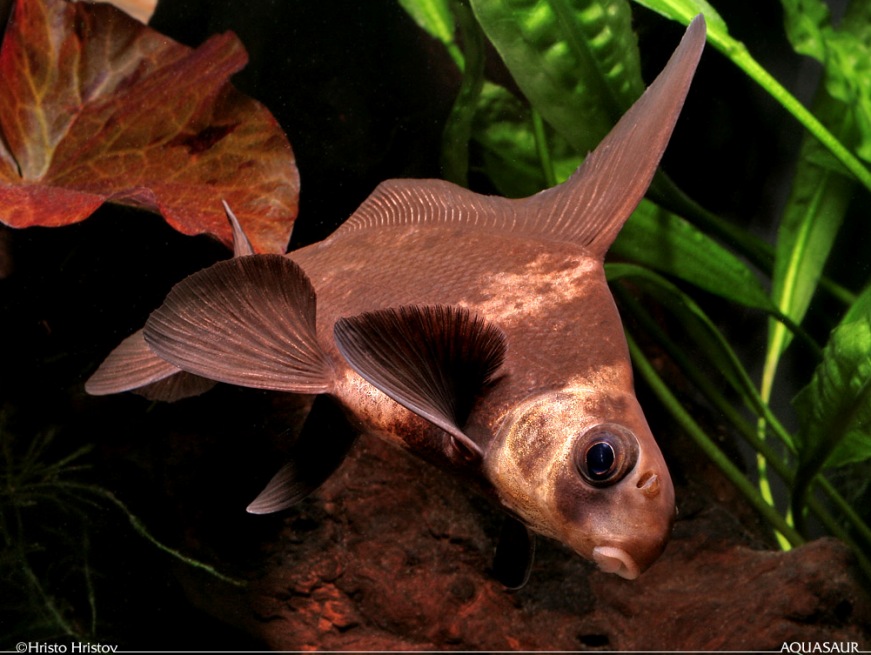
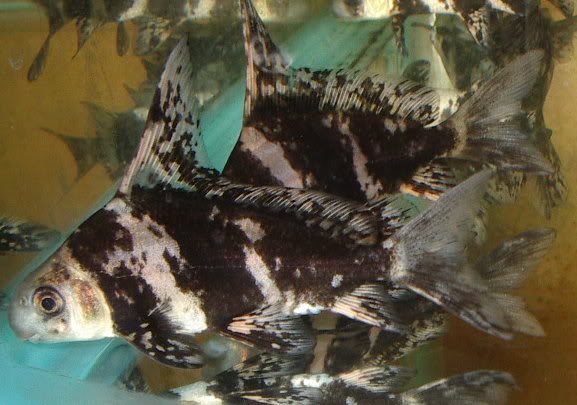
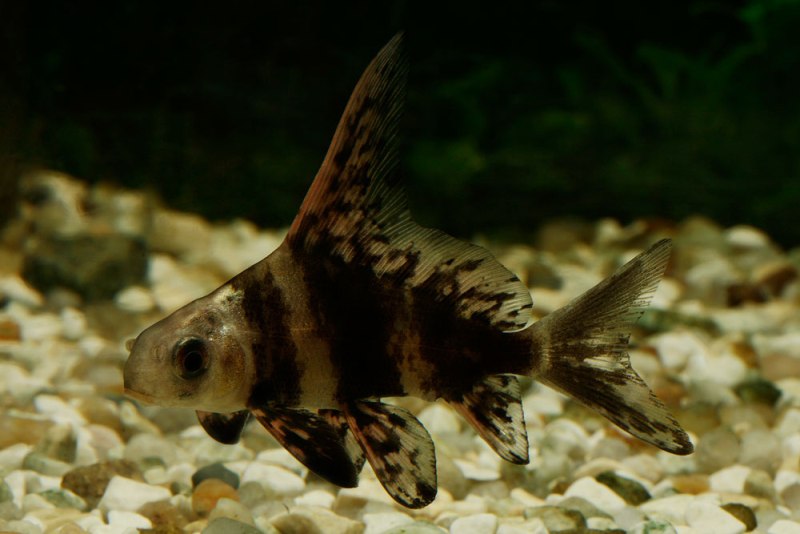
胭脂鱼(Myxocyprinus asiaticus)幼鱼高背、有明显条纹,成年体形和外观却与销售时差别很大。它需要凉爽、洁净、富氧的巨型饲养空间,只有公共展示设施或规模极大的私人水族系统适合考虑,不能按小型“高鳍鲨”购买。
分布与栖息地
中国特有,原生于长江中上游及岷江等主要支流。野生种群曾受到阻断迁徙的水坝、污染、过度捕捞和外来种引入等压力。
主要生活在江河干流与较大的溪流。幼鱼常见于流速较慢、底部有岩石的浅水区,较大个体偏好更深水域,生长阶段不同,利用的环境也会改变。
饲养环境
水质和开阔游动空间比复杂造景更重要。若设施足够大,可用不同尺寸的岩石、砾石、磨圆巨石与少量沉木枝条布置成河流环境,同时保留游动区。
不能耐受有机废物积累,需要高效过滤、充足溶氧与适当水流。长期保持凉爽,不能因为野外经历季节升温就让缸温长期偏高。缸内真菌问题与过高水温可能有关,但这种关联不能当作确定病因。
食性与喂食
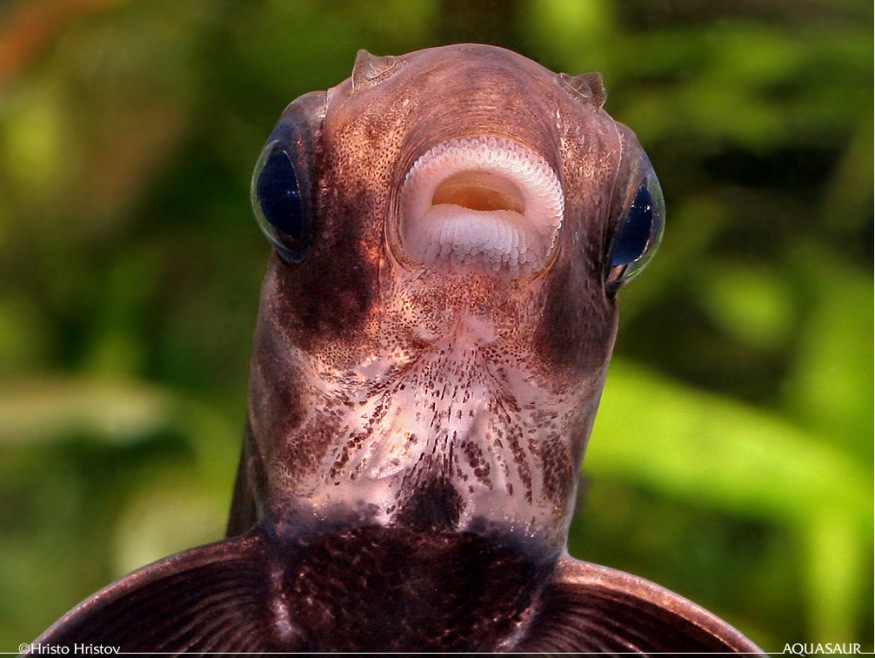
在底部摄食的杂食鱼,自然食物包括昆虫、甲壳类、小型软体动物、环节动物、藻类及其他植物性物质。
每天可搭配细小活饵、冷冻饵与优质沉底干粮,如红虫、水蚤和丰年虾,干粮宜含螺旋藻等植物性成分,不能只把它当作吃藻的清洁鱼。
习性与混养
没有明显攻击性,在足够大的展示系统中可与其他大型河流鱼共处。野外似乎成群活动,群体需求不能用拥挤的普通鱼缸来满足。
雌雄区分
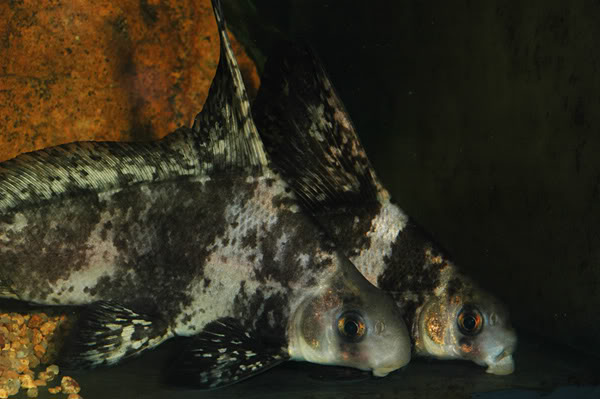
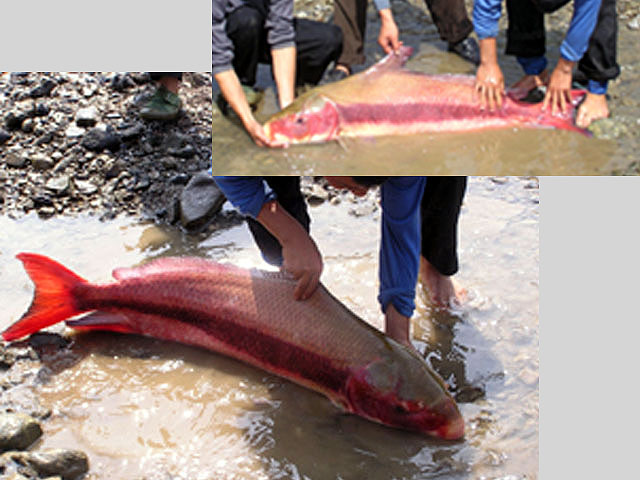
幼鱼几乎不能从外观可靠分辨雌雄。成熟雄鱼繁殖时体侧出现强烈红色,雌鱼较素淡。生长数年后,幼鱼的条纹会逐渐破碎,成年不会一直保持销售时的花纹。
繁殖
普通水族箱内成功繁殖尚未确认,贸易幼鱼由人工催产、培育获得。野外约六龄成熟,每年 2~4 月向水浅、流速更快的上游繁殖,秋季返回江河主道。
这种季节迁移与成年空间需求,使商业繁育不能直接等同于普通家养可繁殖。
补充说明
寿命可达二十五年或更久,饲养计划需要覆盖成年长期空间和持续的凉水、富氧条件。
“高鳍鲨”“淡水蝙蝠鱼”等商品名容易把注意力引向幼鱼外观。应按胭脂鱼本身的成年需求判断,不能期待它永远维持店里的小巧体形。
图片
图片来自 SeriouslyFish,版权归各摄影者所有。
English
Overview
The high back and bold bands of young Myxocyprinus asiaticus give a misleading impression of the eventual fish. Adult size, changing appearance, and a need for cool, clean, oxygen-rich water place it within the scope of public exhibits or exceptionally large private installations. A small juvenile sold as a high-fin shark is not an ordinary aquarium purchase.
Distribution & habitat
It is endemic to China's upper and middle Yangtze drainage, including major tributaries such as the Min. Dams interrupting migration, pollution, overfishing, and introduced species have placed pressure on wild populations.
Main channels and substantial streams provide its habitat. Juveniles favor relatively slow, shallow, rocky areas, while larger fish prefer deeper water. Habitat use therefore changes with growth.
Aquarium setup
Water quality and open swimming room matter more than elaborate decoration. Where space permits, a river-style layout can combine mixed rock and gravel, rounded boulders, and a few branches while preserving ample room to move.
Organic waste accumulation is poorly tolerated. Effective filtration, strong oxygenation, and suitable water movement are essential. Maintain cool conditions over the long term rather than using seasonal wild warming as justification for sustained high aquarium temperatures. A possible association between excessive warmth and fungal problems has been suggested, but should not be treated as an established diagnosis.
Diet & feeding
It feeds near the bottom on both animal and plant material. Natural food includes insects, crustaceans, small mollusks, annelids, algae, and other vegetation.
Daily offerings should combine small live or frozen foods with good-quality sinking preparations, preferably containing a plant component such as spirulina. Bloodworms, Daphnia, and brine shrimp provide suitable variety. It should not be treated as a fish that can subsist simply by cleaning algae.
Behaviour & compatibility
It is not aggressive and can share a sufficiently large display with other substantial river fishes. Wild fish apparently occur in groups. Providing company does not justify crowding several into a conventional aquarium.
Sexual dimorphism
External sexing is extremely difficult in juveniles. Breeding males develop strongly red flanks, while females remain less colorful. The juvenile banding gradually breaks up after several years, so the familiar sales appearance is not permanent.
Breeding
Successful ordinary aquarium reproduction remains unconfirmed. Juveniles in the trade are produced through artificial propagation involving hormones. Wild fish mature at roughly six years, migrate toward shallow, faster-flowing upper reaches to spawn between February and April, and return to main channels in autumn.
Seasonal movement and the scale of adult accommodation separate commercial propagation from a practical household breeding project.
Notes
A potential lifespan of twenty-five years or more requires a plan for decades of adequate space, cool water, and oxygenation.
Trade labels such as banded shark or freshwater batfish emphasize the juvenile shape. Judge the species by its adult requirements rather than assuming that its small, striking shop appearance will persist.
来源
- https://www.seriouslyfish.com/species/myxocyprinus-asiaticus(抓取于 2026-10-10)
myxocyprinus-asiaticus · 文件: data/species/myxocyprinus-asiaticus.md · 状态: 草稿