黄鳝 · Swamp Eel
概要
| 字段 | 值 |
|---|---|
| 类别 | 鱼 |
| 学名 | Monopterus albus |
| 别名 | 鳝鱼、黃鱔、鱔魚(台湾) |
| 分类 | 合鳃鱼目 Synbranchiformes › 合鳃鱼科 Synbranchidae › Monopterus |
| 水体 | 淡水 |
| 成体体长 | 100 cm |
| 饲养难度 | 中等 |
| 最小水体 | 648 L |
| 最小缸长 | 180 cm |
| 特征 | 会跳缸: 是;吃小鱼: 是;夜行性: 是;翻底砂: 是;无鳞/细鳞: 是 |
| 外部数据 | seriouslyfish monopterus-albus;fishbase 4663 |
| 原产地 | 印度、缅甸、中国(含香港、台湾)、泰国、柬埔寨、老挝、越南、日本、马来西亚、印度尼西亚、菲律宾、澳大利亚 |
| 食性 | 肉食 |
| 繁殖方式 | 吐泡筑巢 |
水质参数
| 参数 | 耐受范围 | 最适范围 | 单位 |
|---|---|---|---|
| 水温 | 25–28 | — | °C |
| pH | 6–8 | — | — |
| 总硬度 | 3–25 | — | dGH |
概述
黄鳝(Monopterus albus)体形像鳗,却不属于真正的鳗鲡类。它能辅助呼吸,偏夜间活动,捕食鱼类等动物;成年体型很大,通常应单条独养。牢固、沉重且贴合严密的缸盖是必要的基础设施。
分布与栖息地
分布记录横跨印度、缅甸、中国(包括香港和台湾)、泰国、柬埔寨、老挝、越南、日本、马来西亚、印度尼西亚、菲律宾及澳大利亚。美国包括夏威夷有引入记录,应与其自然分布区别。
栖息环境广泛,包括河流、池塘、稻田、水渠、沟塘和沼泽。能在缺氧停滞水体中生存,干旱时钻入湿土,等雨水恢复后再活动;耐受力强并不等于饲养时应放任水质恶化。
饲养环境
提供多处藏身空间,可使用水草、沉木、石块和合适尺寸的塑料管。大缸仍需仔细处理边缘和器材开口,因为它可能利用很小的空隙离水逃走。
缸盖不仅要密合,也要足够牢固、无法轻易顶动。身体保持湿润时,它可能在陆地移动一段距离,因此不能把发现鱼离水的位置当作它必然停留的位置。
食性与喂食
天然摄食鱼类、两栖动物和无脊椎动物。缸中可接受虾、白肉鱼和蚯蚓等,提供适口动物性食物即可,不应把它当作吃残饵的普通清洁鱼。
习性与混养
成年体型及明显食鱼性使单条独养更合适,尤其不能与能被吞下的小鱼混养。大部分时间在夜间活动,白天隐蔽较多。
雌雄区分
外部没有稳定可靠的性别标志。它具有性别转换现象,个体早期为雌性,一部分成熟后转为雄性;据称转雄后体型会更大,不能仅按大小准确判别。
繁殖
天然在浅水中形成较松散的泡巢,一次可有约 1000 粒卵,由雄鱼守护。并非只限于固定季节,全年均可繁殖。
补充说明
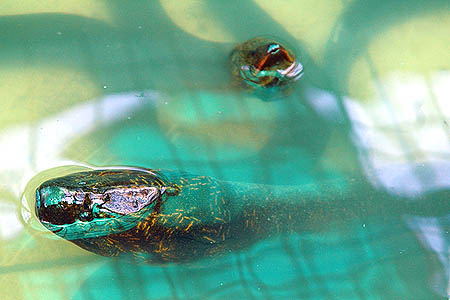
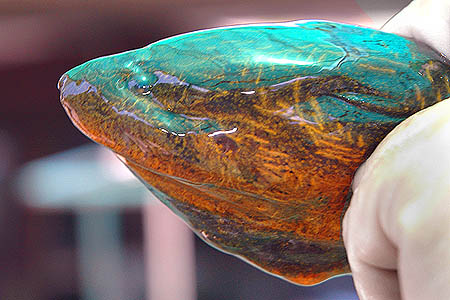
喉部下方只有一个鳃裂,鳃腔后方具有辅助呼吸结构,能短时间离水呼吸。干旱时钻入湿土的深度据报道可达约 1.5 m。眼睛很小,表面覆盖薄层组织,与其隐蔽、夜间活动的生活方式相符。
体表没有鳞,背鳍、臀鳍和尾鳍极度退化。虽然耐受能力强,但大型身体、防逃及专门投喂要求意味着它不适合随意加入普通综合缸。
图片
图片来自 SeriouslyFish,版权归各摄影者所有。
用药风险
按有效成分禁忌与本物种特征自动判断;物种特征未知时不会命中,不代表安全。
English
Overview
Despite its eel-like shape, Monopterus albus is not a true eel. It uses accessory respiration, is mainly active at night, and preys on fishes and other animals. Large adult size favors solitary housing, with a heavy, secure, closely fitting cover as an essential precaution.
Distribution & habitat
Records extend through India, Myanmar, China including Hong Kong and Taiwan, Thailand, Cambodia, Laos, Vietnam, Japan, Malaysia, Indonesia, the Philippines, and Australia. Introduced populations in the United States, including Hawaii, must be distinguished from the natural range.
Rivers, ponds, rice fields, canals, ditches, and swamps are occupied. It tolerates stagnant, oxygen-poor conditions and retreats into moist soil during drought until rain returns. Such resilience is not a reason to allow aquarium water quality to deteriorate.
Aquarium setup
Supply multiple refuges using plants, wood, rocks, and appropriately sized tubes. Examine edges and equipment openings carefully, since small gaps can become escape routes even in a large aquarium.
The cover must resist displacement as well as fit tightly. A moist fish can move some distance over land, so an escaped individual may not remain immediately beside the aquarium.
Diet & feeding
Wild prey includes fishes, amphibians, and invertebrates. Shrimp, suitable white fish, and earthworms are accepted in captivity. Arrange deliberate feeding with appropriately sized animal foods; it is not an ordinary scavenger to be sustained on leftovers.
Behaviour & compatibility
Adult size and piscivory make housing one fish alone preferable. Smaller fishes that can be swallowed are particularly unsuitable companions. Most activity takes place after dark, with greater concealment during daylight.
Sexual dimorphism
External appearance offers no dependable sexing method. Individuals begin life as females, with some changing to males at maturity. Males are said to grow larger after transition, but size alone cannot provide accurate identification.
Breeding
Natural spawning occurs in shallow water. A loose foam nest may contain up to approximately 1,000 eggs, guarded by the male. Reproduction can occur throughout the year rather than being restricted to one season.
Notes
A single opening under the throat serves the gills, with accessory respiratory structures behind the gill chamber allowing brief breathing out of water. Burrowing into damp ground during drought has been reported to reach about 1.5 m. The tiny eyes are covered by a thin tissue layer, consistent with a concealed, nocturnal way of life.
Scales are absent and the dorsal, anal, and tail fins are highly reduced. Hardiness does not remove the demands of adult space, escape prevention, and dedicated feeding.
来源
- https://www.seriouslyfish.com/species/monopterus-albus(抓取于 2026-10-10)
monopterus-albus · 文件: data/species/monopterus-albus.md · 状态: 草稿