大鳞副泥鳅 · Large-scaled Loach
概要
| 字段 | 值 |
|---|---|
| 类别 | 鱼 |
| 学名 | Misgurnus dabryanus |
| 别名 | 红泥鳅、胡溜、雨溜、鱼溜、土鳅、大鱗副泥鰍、紅泥鰍(台湾)、土鰍(台湾)、魚溜(台湾)、Paramisgurnus dabryanus、Misgurnus mizolepis、Misgurnus oligolepos |
| 分类 | 鲤形目 Cypriniformes › 鳅科 Cobitidae › Misgurnus |
| 水体 | 淡水 |
| 原产地 | 中国大陆、台湾 |
| 成体体长 | 9 cm |
| 饲养难度 | 入门 |
| 最小水体 | 81 L |
| 最小缸长 | 90 cm |
| 群居方式 | 群游 |
| 性情 | 温和 |
| 特征 | 会跳缸: 是;翻底砂: 是 |
| 外部数据 | seriouslyfish paramisgurnus-dabryanus;fishbase 17244 |
| 食性 | 肉食 |
水质参数
| 参数 | 耐受范围 | 最适范围 | 单位 |
|---|---|---|---|
| 水温 | 16–23 | — | °C |
| pH | 6–8 | — | — |
| 总硬度 | 1–20 | — | dGH |
概述
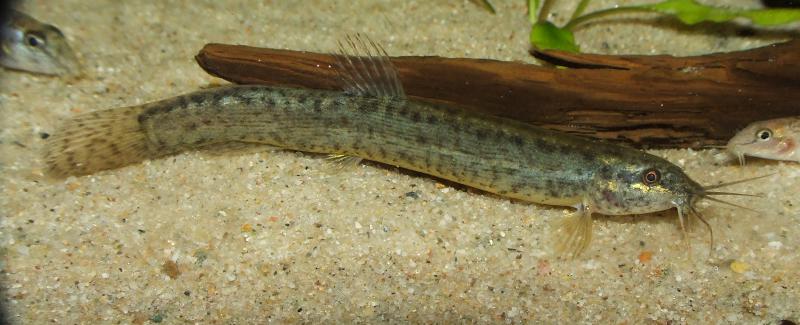
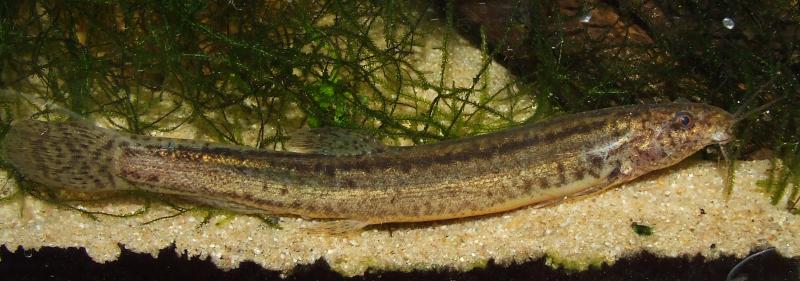
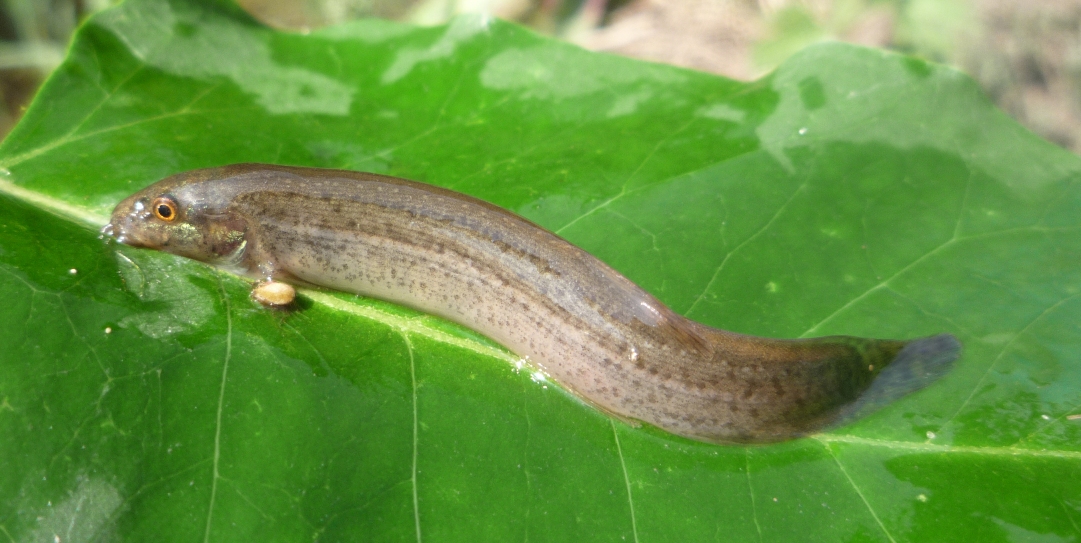
大鳞副泥鳅(Misgurnus dabryanus)常混在泥鳅批次中出售,偏好较凉、缓流的环境,也会把身体埋入底床。辨认时可注意较高的尾柄脂质脊,以及尾鳍基部缺少暗斑这一特征。
分布与栖息地
原生于中国长江、珠江中下游及台湾多个较小水系。俄罗斯阿穆尔河、日本及其他地区的记录涉及引入,不应都算作天然分布。
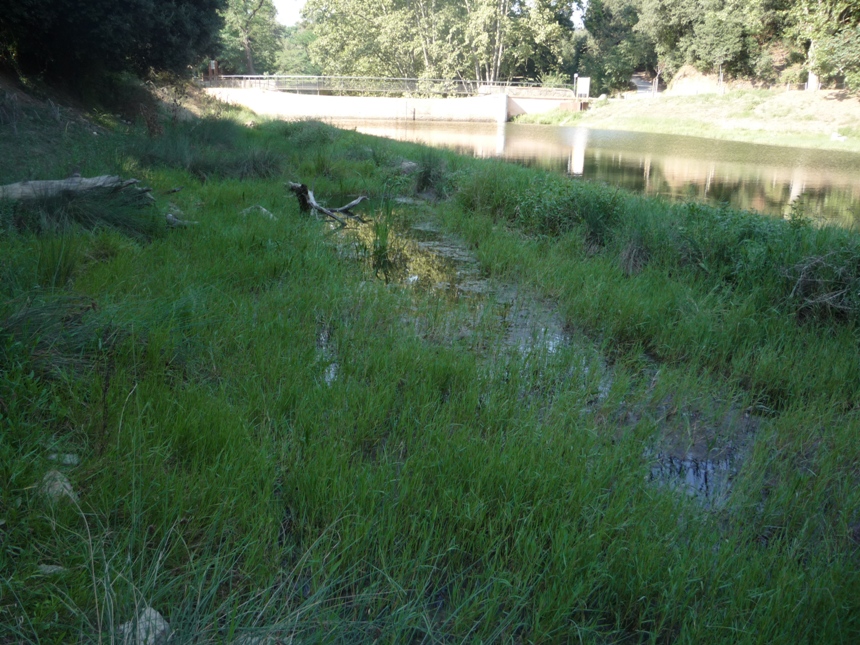
常见于浅而缓流的河段,以及沼泽、牛轭湖、回水区和稻田。底质多为软泥或淤泥,水草、树根、枝条与落叶提供遮蔽。水位和透明度随季节变化,枯水期水体可能停滞缺氧;泥鳅类可通过肠道后段和皮肤辅助呼吸,并到水面吞气。
饲养环境
底面积至少约 90 × 30 cm,并提供柔软沙底。粗砾会使埋身和觅食受阻,也可能导致擦伤。圆滑石块与沉木应先稳固放好,再添加底床,避免钻掘时被掀倒;形成足够躲藏处和阴影,光线可偏暗。
避免强劲水流,但应保持适当增氧。小个体不可有进入过滤进水口的机会,缸盖需密合,尤其新入缸时要注意逃逸。
食性与喂食
主要捕食昆虫幼虫、小型甲壳动物等。可接受下沉干饲料,同时应定期喂水蚤、丰年虾、摇蚊幼虫等小型活饵或冷冻饵,避免食谱单一。
习性与混养
总体很温和,但鱼卵、鱼苗和极小鱼可能成为食物。虽然可单养,有同类时往往更自在和活跃。混养宜选水温相容、体型中至大型、较敏捷且活动水层更高的鱼。
并非所有金鱼都适合与它混养:活动敏捷的类型较可考虑,行动慢的观赏短身类型可能在摄食时受到干扰。
雌雄区分
成年雌鱼通常更粗壮、略大;成熟雄鱼胸鳍增大,鳍条加厚。
繁殖
研究和养殖中会采用催产技术,自然配对的详细人工繁殖记录则有限。它可能采用与近缘泥鳅相似的方式,但不能将近缘种的成熟年龄、繁殖季节或幼鱼发育时间直接套用于本种。
补充说明
本种经常被标作泥鳅(Misgurnus anguillicaudatus),也可能与之混装。除较高尾柄脊和缺少尾基暗斑外,产地和批次记录也有助于核对;两者在部分共域地区似乎能够杂交。
耐受力强和繁殖潜力使其容易随人为活动扩散,应避免放生和逃逸。鳅类受惊时可竖起眼下棘,转移时注意缠网和刺伤。
图片
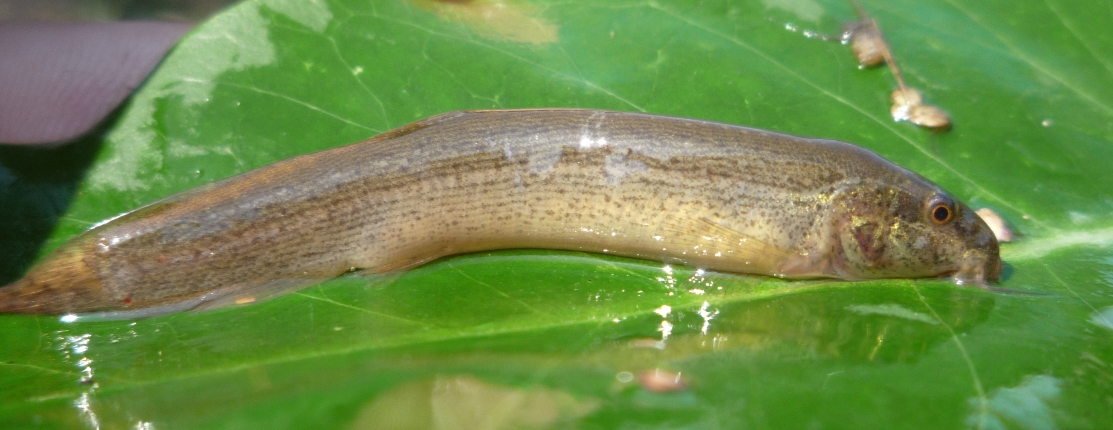
图片来自 SeriouslyFish,版权归各摄影者所有。
English
Overview
Misgurnus dabryanus, the large-scaled loach, is frequently sold among weather loaches under the wrong name. It favors relatively cool, slow-water conditions and spends time buried in the substrate. High crests on the caudal peduncle and the absence of a dark tail-base spot help identify it.
Distribution & habitat
The natural range covers the middle and lower Yangtze and Pearl systems in mainland China and several smaller drainages in Taiwan. Records from the Russian Amur, Japan, and other regions include introductions rather than native populations.
It inhabits shallow, slow river sections, swamps, oxbows, backwaters, and rice fields. Soft mud or silt supports vegetation, roots, branches, and leaf litter. Seasonal changes affect water depth and clarity, while dry conditions may leave stagnant, oxygen-poor water. Loaches of this group can supplement breathing through the rear intestine and skin and rise to gulp air.
Aquarium setup
Provide a footprint of at least about 90 × 30 cm and soft sand. Coarse gravel can obstruct burrowing and feeding or cause injury. Install smooth rocks and wood securely before adding substrate to prevent excavation from destabilizing them. Include ample hiding places and shade; subdued light is suitable.
Avoid strong current but retain adequate oxygenation. Protect filter intakes against small specimens entering them and use a close-fitting lid, especially while newly introduced fish settle.
Diet & feeding
The diet is based chiefly on insect larvae, small crustaceans, and similar prey. Sinking dry food is accepted, but regular small live and frozen foods such as Daphnia, Artemia, and bloodworms should add variety.
Behaviour & compatibility
It is generally very peaceful, though eggs, fry, and extremely small fishes may be eaten. Individuals can live alone but usually seem more comfortable and active in a group. Choose temperature-compatible, moderately large and active companions using higher water layers.
Not every goldfish form is a suitable partner. More agile varieties may work, whereas slow fancy forms can be disturbed when the loaches are feeding.
Sexual dimorphism
Mature females are usually heavier-bodied and slightly larger. Adult males have enlarged pectoral fins with thickened rays.
Breeding
Hormonal induction is used in research and aquaculture, but detailed accounts of natural captive pairing are limited. A reproductive pattern resembling related weather loaches is possible; their age at maturity, breeding season, and larval development times should not be transferred directly to this species.
Notes
It is often labeled or shipped with Misgurnus anguillicaudatus. Beyond the high peduncle crests and missing tail-base spot, locality and shipment information can help establish identity. The two apparently hybridize in some areas where they coexist.
Hardiness and reproductive potential facilitate human-assisted spread, so prevent escape and never release unwanted fish. Loaches can erect sharp spines below the eyes when stressed; handling should avoid net entanglement and puncture injuries.
来源
- https://www.seriouslyfish.com/species/paramisgurnus-dabryanus(抓取于 2026-10-10)
misgurnus-dabryanus · 文件: data/species/misgurnus-dabryanus.md · 状态: 草稿