泥鳅 · Oriental Weather Loach
概要
| 字段 | 值 |
|---|---|
| 类别 | 鱼 |
| 学名 | Misgurnus anguillicaudatus |
| 别名 | 胡溜、鱼溜、雨溜、土鳅、泥鰍、土鰍(台湾)、魚溜(台湾) |
| 分类 | 鲤形目 Cypriniformes › 鳅科 Cobitidae › Misgurnus |
| 水体 | 淡水 |
| 成体体长 | 28 cm |
| 最小水体 | 243 L |
| 最小缸长 | 120 cm |
| 特征 | 会跳缸: 是;翻底砂: 是 |
| 外部数据 | seriouslyfish misgurnus-anguillicaudatus;fishbase 3016 |
| 原产地 | 俄罗斯、朝鲜半岛、日本、中国、越南北部 |
| 食性 | 肉食 |
| 繁殖方式 | 产卵 |
水质参数
| 参数 | 耐受范围 | 最适范围 | 单位 |
|---|---|---|---|
| pH | 6–8 | — | — |
| 总硬度 | 1–12 | — | dGH |
概述
泥鳅(Misgurnus anguillicaudatus)适应力强,常钻入底床或到水面吞气,但这些能力不意味着可以忽略水质和空间。成鱼可长至约 28 cm,属于需要较凉环境的大型鳅类,不宜长期按热带鱼的温度饲养。
分布与栖息地
原生范围包括西伯利亚、库页岛、朝鲜半岛、日本、中国和越南北部;老挝记录究竟原生还是引入尚不明确。欧洲、中亚、北美和澳大利亚等地已有引入种群,不能与原生产地混为一谈。
多见于浅水、缓流河段,以及沼泽、牛轭湖、回水区和稻田,底质柔软,水草、根枝与落叶常很丰富。水位和透明度随季节变化,枯水期可能出现低氧。泥鳅类能利用肠道后段和皮肤辅助呼吸,并到水面吞气。
饲养环境
长期饲养需至少约 120 × 45 cm 的底面积,并使用室内、加盖防逃的成熟水族系统。底床应是柔软细沙或细砾,便于埋身;粗糙底质会妨碍取食、使钻掘中的鱼受伤。石块和沉木要先稳固放置再铺底床,避免被掘倒,另提供充足洞隙和阴暗处。
不宜有过强水流,但仍需适当增氧。保护过滤进水口,防止小鱼钻入。日常可按约 17.8~23.3 °C 的较凉水温照顾,不能把极端耐受能力当成持续饲养条件。不得放养到自然水域或容易逃逸的户外环境。
食性与喂食
主要捕食昆虫幼虫、小型甲壳动物等。缸中可喂下沉干饲料,并规律搭配水蚤、丰年虾、摇蚊幼虫等小型活饵或冷冻饵,保持食谱多样。
习性与混养
总体温和,可单养,但有同类时往往更自在、活跃。鱼卵、鱼苗和极小鱼仍可能被吃掉。适合考虑水温相容、体型中至大型、活动较敏捷且在较高水层游动的鱼。它在摄食时可能干扰行动缓慢的短身或长鳍金鱼,不能把所有金鱼都视作同样合适的伙伴。
雌雄区分
成年雌鱼较粗壮、通常略大。雄鱼胸鳍增大,第二鳍条加厚形成近圆形、后缘光滑的骨质结构;从上方看,背鳍后方的身体两侧还可见横向隆起。
繁殖
详细的自然配对繁殖记录有限,养殖和研究中会用催产方法。近缘种的抱缠产卵方式不能直接当作本种已验证的家庭繁殖流程。
日本北海道有雌核发育种群:卵的发育需要相关鱼类精子刺激,但不以普通受精方式获得雄性遗传贡献。这是特定雌性谱系的现象,不代表所有泥鳅都以这一方式繁殖。
补充说明
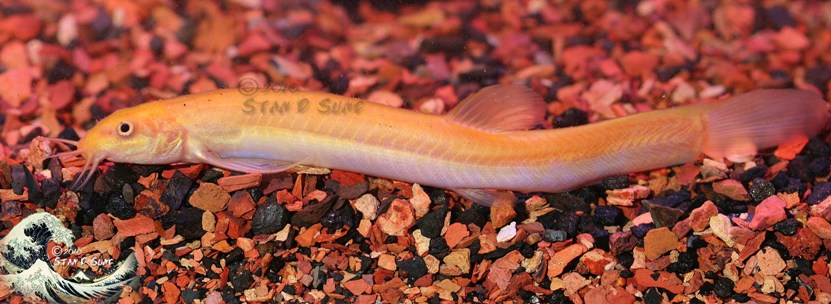
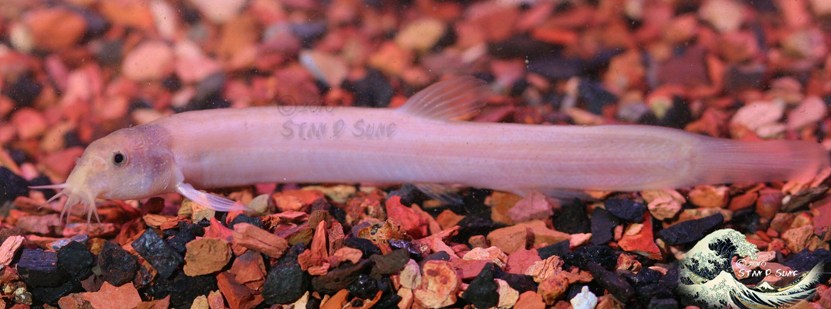
购入时应检查体形和健康状况,长期大量繁育的商品鱼可能存在畸形或状态问题。金色、粉色及斑驳色型的基本照顾方式相同,也不能排除贸易中混入杂交个体。
与大鳞副泥鳅(Misgurnus dabryanus)相比,本种尾柄脂质脊较低,尾鳍基部上方通常有暗斑。受惊的鳅类可竖起眼下棘,转移时注意避免缠网或刺伤。所谓“天气鱼”源于气压变化前后活动增加的报道。
图片
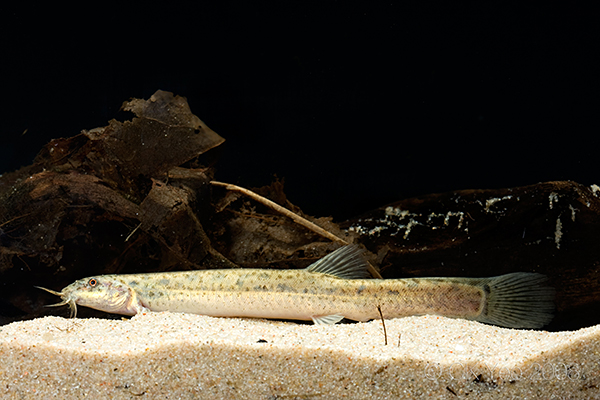
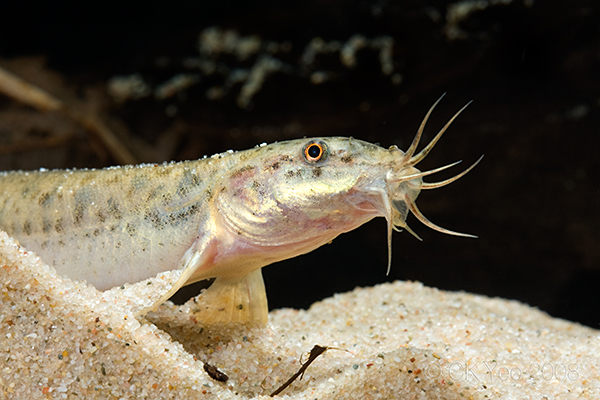
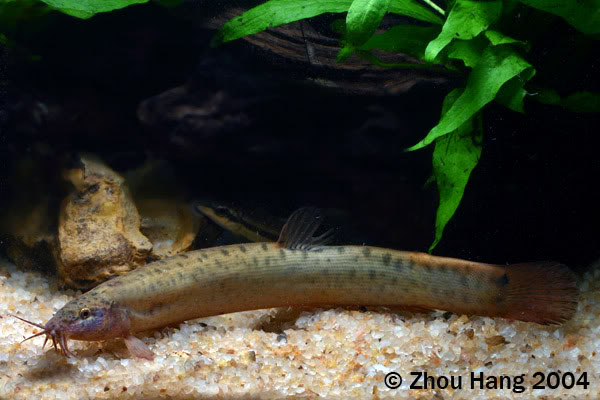
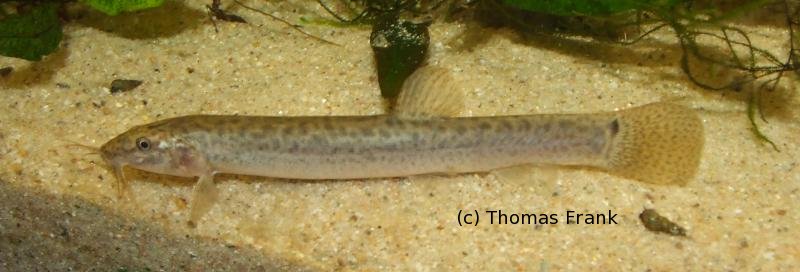
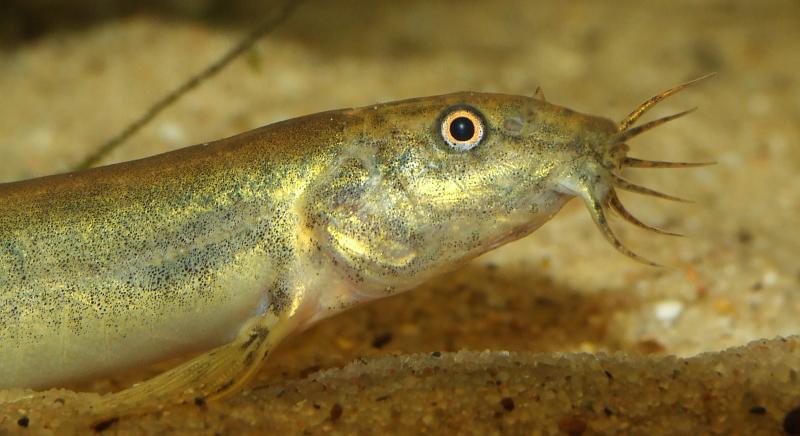
图片来自 SeriouslyFish,版权归各摄影者所有。
English
Overview
Misgurnus anguillicaudatus, the oriental weather loach, is adaptable and often buries itself or rises to gulp air. These abilities do not remove its need for good water quality and space. Adults can reach about 28 cm and require relatively cool conditions rather than prolonged tropical temperatures.
Distribution & habitat
Its native range includes Siberia, Sakhalin, Korea, Japan, China, and northern Vietnam. Whether records from Laos represent native or introduced fish remains uncertain. Introduced populations in Europe, Central Asia, North America, Australia, and elsewhere are separate from that natural range.
Typical habitats include shallow, slow river sections, swamps, oxbows, backwaters, and rice fields. Soft sediment, vegetation, submerged roots, and leaves are common. Water depth and clarity fluctuate seasonally, and oxygen can become depleted during dry periods. Weather loaches can supplement respiration through the rear intestine and skin and visit the surface to gulp air.
Aquarium setup
Provide a footprint of at least about 120 × 45 cm for long-term care in a mature indoor aquarium with a secure cover. Use soft sand or fine gravel that permits burrowing. Coarse substrate can obstruct feeding and cause injury. Place rocks and wood securely before adding substrate so digging cannot undermine them, and create plenty of shaded hiding places.
Avoid excessive current while maintaining oxygenation. Guard filter intakes against small fish entering them. General care at about 17.8–23.3 °C is appropriate; extreme tolerance should not become the routine target. Prevent escape and never release fish into natural waters or exposed outdoor systems.
Diet & feeding
Its diet is based mainly on insect larvae, small crustaceans, and similar prey. Offer sinking prepared foods with regular small live or frozen foods such as Daphnia, Artemia, and bloodworms.
Behaviour & compatibility
Weather loaches are generally peaceful. They can live alone but often appear more comfortable and active with conspecifics. Eggs, fry, and very small fishes may still be eaten. Suitable companions should share their temperature needs, be moderately large and active, and use higher parts of the aquarium. Slow fancy goldfish may be disturbed during feeding, so all goldfish forms should not be treated as equally suitable partners.
Sexual dimorphism
Adult females are heavier-bodied and usually slightly larger. Mature males have enlarged pectoral fins, with a thickened second ray forming a rounded structure with a smooth rear edge. Horizontal swellings behind the dorsal fin are also visible from above.
Breeding
Detailed accounts of natural captive spawning are limited, while induced spawning is used in aquaculture and research. The embracing spawning behavior of relatives does not establish a verified home-breeding method for this species.
An all-female lineage in Hokkaido reproduces by gynogenesis: sperm from a related fish stimulates egg development without the ordinary paternal genetic contribution. This is a property of a particular lineage, not the reproductive mode of every weather loach.
Notes
Inspect purchased fish for poor condition and malformed bodies, which can occur in mass-produced stock. Golden, pink, and mottled forms require the same basic care, and hybrids may also occur in trade.
Compared with Misgurnus dabryanus, this species has lower caudal-peduncle crests and normally a dark spot near the upper tail base. Loaches can erect sharp spines below the eyes when stressed; avoid net entanglement and punctures during handling. The weather-related name comes from reports of increased activity around changes in air pressure.
来源
- https://www.seriouslyfish.com/species/misgurnus-anguillicaudatus(抓取于 2026-10-10)
misgurnus-anguillicaudatus · 文件: data/species/misgurnus-anguillicaudatus.md · 状态: 草稿