三角中间真条鳅 · Zodiac Loach
概要
| 字段 | 值 |
|---|---|
| 类别 | 鱼 |
| 学名 | Mesonoemacheilus triangularis |
| 别名 | 三角中間真條鰍、Nemacheilus triangularis、Noemacheilus triangularis、Noemacheilus triangularis tambaraparniensis |
| 分类 | 鲤形目 Cypriniformes › 条鳅科 Nemacheilidae › Mesonoemacheilus |
| 水体 | 淡水 |
| 原产地 | 印度南部喀拉拉邦和泰米尔纳德邦的西高止山脉水系 |
| 成体体长 | 6 cm |
| 饲养难度 | 中等 |
| 最小水体 | 68 L |
| 最小缸长 | 75 cm |
| 群居方式 | 群游 |
| 水流偏好 | 高 |
| 外部数据 | seriouslyfish mesonoemacheilus-triangularis;fishbase 24647 |
| 繁殖方式 | 产卵 |
水质参数
| 参数 | 耐受范围 | 最适范围 | 单位 |
|---|---|---|---|
| 水温 | 18–25.5 | — | °C |
| pH | 6–7.5 | — | — |
| 总硬度 | 2–12 | — | dGH |
概述
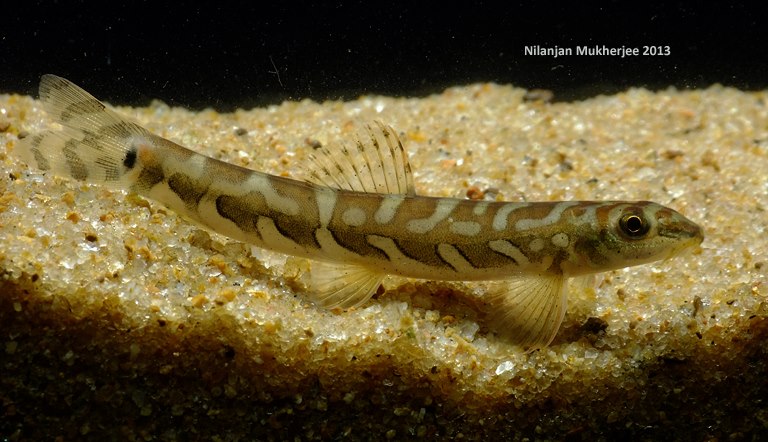
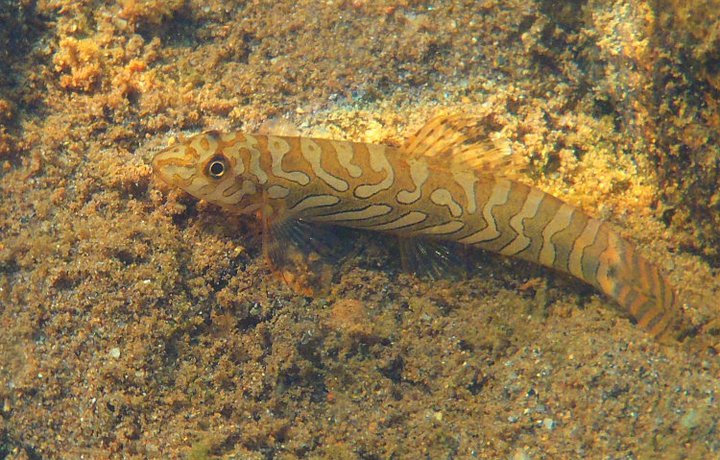
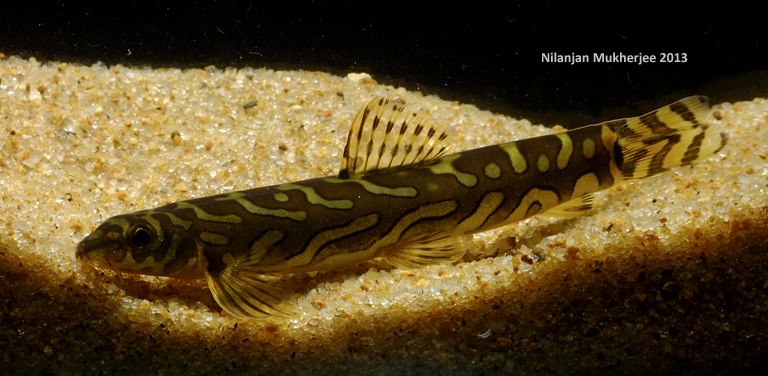
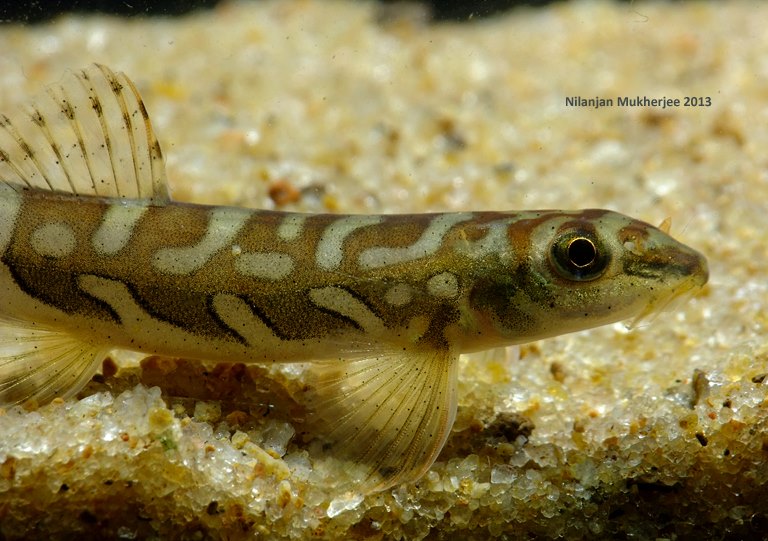
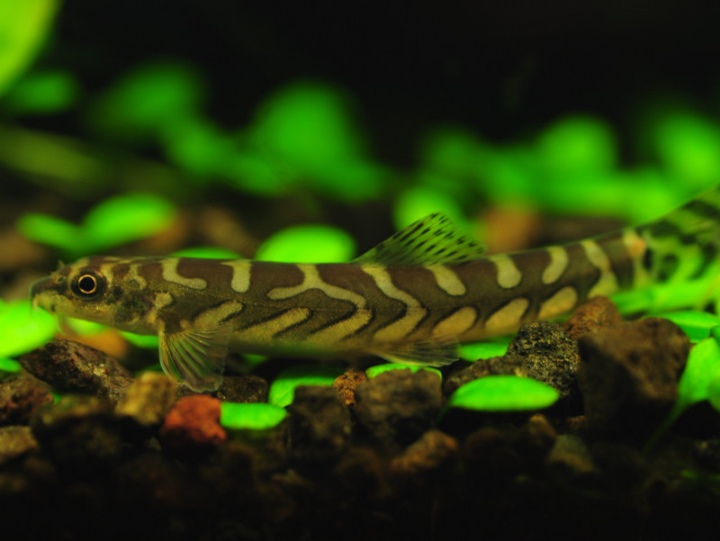
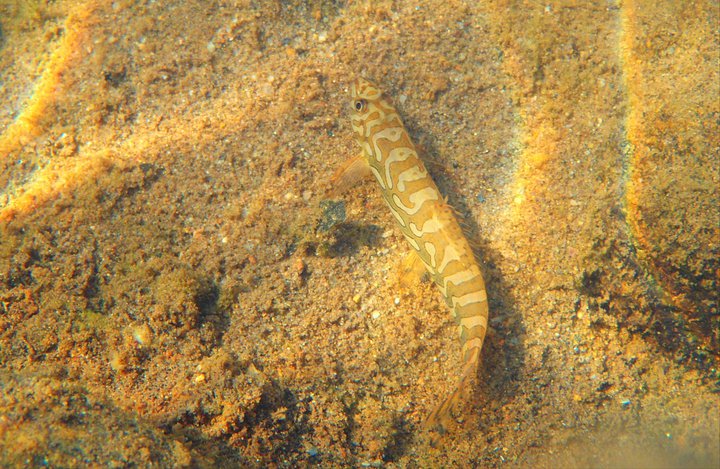
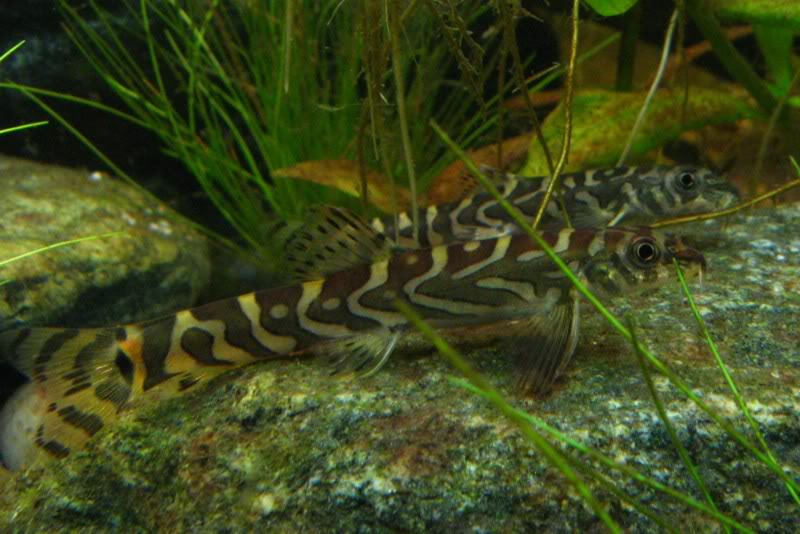
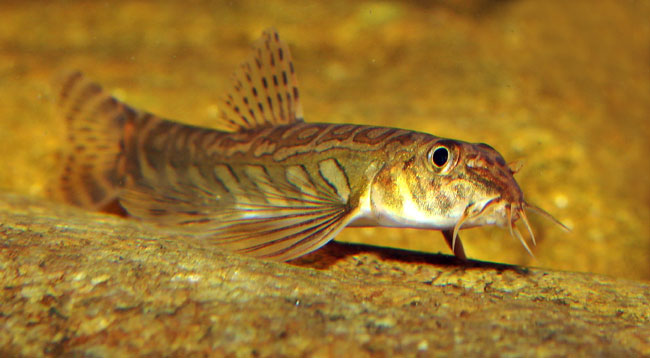
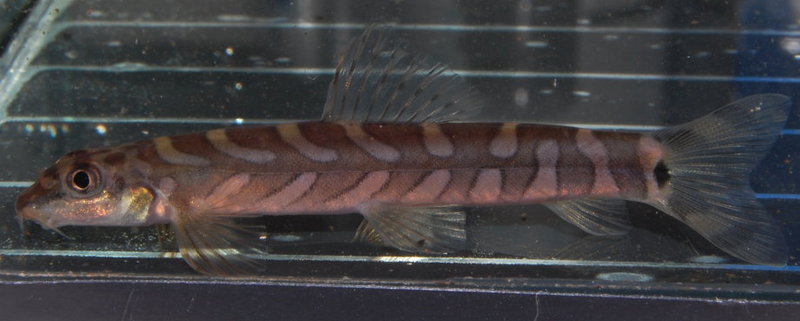
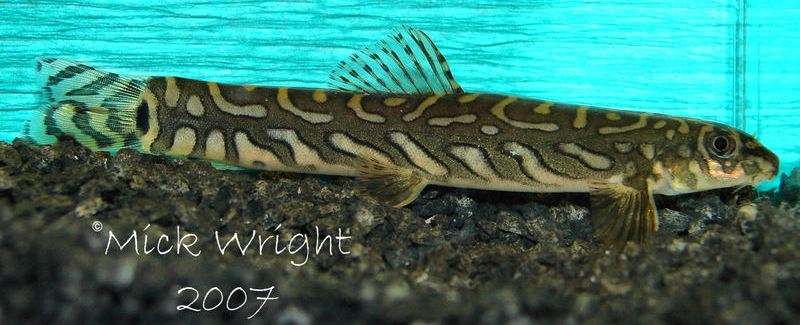
三角中间真条鳅(Mesonoemacheilus triangularis)身体有浅色、黑边的斜鞍斑及腹侧向上的条纹,年轻时常连成尖角形。它在观赏贸易中相对常见,但性情不能一概而论:有些个体平和,有些会明显守域和追咬。
分布与栖息地
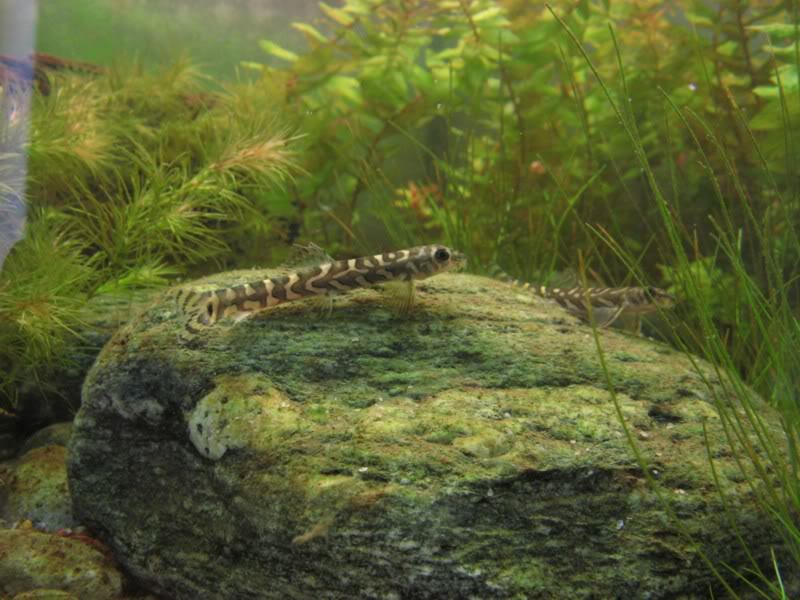
分布于印度南部喀拉拉邦和泰米尔纳德邦,西高止山脉东西两侧的河流都有记录。自然环境以森林遮阴的清澈源头溪流和小河为主,溶氧高,底部为粗砂、砂砾和石块,表面生有藻类及微生物。季风时流量和浑浊度会明显增加。
饲养环境
底面积至少约 75 × 30 cm,大小石块、砂砾和枝木搭配,多做洞缝和阴影并阻隔视线。可使用附着型耐受水草。重点是高溶氧、适当流动和洁净水,不需持续激流;每周换水约三至五成,防止有机废物积累。
食性与喂食
属于以动物性食物为主的杂食属,主要摄取小昆虫、蠕虫、甲壳类和其他浮游动物,也吃少量植物。可接受干饲料,但应每天搭配水蚤、丰年虾、红虫等小型活饵或冷冻饵。
习性与混养
建议至少四条同养,但须准备处理个别强势鱼。性情差异可能与种群、性别或环境有关,目前原因未明。强健、适应溪流环境的开阔水域鱼较合适;浅缸尤其不宜放太小或脆弱的伙伴,避免被持续追逐。安静底栖鱼及体形相近的其他条鳅也不理想。
雌雄区分
雄鱼眼下有小皮瓣,成熟时胸鳍条可能增粗并带小结节。雌鱼可能略大,抱卵时腹部更圆。
繁殖
曾有一次水族箱繁殖成功报告。该个案将一对成鱼放入独立繁殖缸,用过滤出水冲向装有砾石的容器,另放压住的产卵拖把。更换最初死亡的雄鱼后,亲鱼共同游动并进入拖把,缸底出现大量透明、不黏附的卵;发现雄鱼吃卵后即移出亲鱼。
个案水温为 24.4 °C,孵化似乎约在受精一天后开始,之后移走较强过滤和产卵装置,改用海绵过滤。幼鱼消耗卵黄后先接受微细开口饵和成熟过滤中的微生物,再逐渐加入丰年虾无节幼体。此为单次经验,不能视为固定成功流程。
补充说明
斑纹数量、位置和完整程度会变化,老鱼往往更零碎复杂;不宜只因花纹不同就判成另一种。
图片
图片来自 SeriouslyFish,版权归各摄影者所有。
English
Overview
Zodiac loaches (Mesonoemacheilus triangularis) have pale, black-edged saddles and bars that often join into angular markings in young fish. They are relatively familiar aquarium loaches, but behavior varies: some remain peaceful while others become strongly territorial.
Distribution & habitat
They occur in river systems on both sides of the Western Ghats in Kerala and Tamil Nadu, southern India. Clear, oxygenated headwater streams and small rivers are typical, often beneath forest cover. Coarse sand, gravel, and rocks support algae and microorganisms. Monsoon rains increase current and turbidity.
Aquarium setup
Provide a footprint of at least roughly 75 × 30 cm. Combine stones, sand, gravel, and wood to create shaded crevices and barriers between sight lines. Hardy attached plants can be used. Prioritize oxygenation, some circulation, and clean water rather than constant torrential flow. Weekly changes of around 30–50 percent help control organic waste.
Diet & feeding
The genus is omnivorous, with small insects, worms, crustaceans, and other zooplankton making up most of the diet and plants a lesser component. Supplement suitable dry foods with daily small live or frozen offerings such as water fleas, brine shrimp, and bloodworms.
Behaviour & compatibility
Keep at least four, while watching for individuals that dominate others. The causes of differing aggression levels are unresolved and may include population, sex, or environment. Robust open-water fishes adapted to similar streams are the better candidates. Avoid tiny or delicate companions, especially in shallow tanks where persistent chasing is difficult to escape. Sedate bottom dwellers and similar-looking loaches are also poor choices.
Sexual dimorphism
Males possess a small flap below the eye and may develop thickened pectoral rays with tubercles. Females may grow slightly larger and become rounder when carrying eggs.
Breeding
A single aquarium success has been reported. A pair was placed in a separate breeding tank with filter flow directed toward a gravel container and weighted spawning mops. After the first male died and was replaced, the fish entered a mop together. Numerous clear, nonadhesive eggs were found on the bottom, and the adults were removed after egg eating was observed.
At 24.4 °C, hatching appeared to begin about a day after fertilization. The breeder then replaced the stronger filtration with a sponge filter and removed the spawning furnishings. Once yolk was absorbed, fry received fine starter food and microorganisms from mature filter material, followed by brine shrimp nauplii. This remains an individual account rather than a guaranteed protocol.
Notes
Marking number, placement, and completeness vary. Older fish often develop a more fragmented pattern, so pattern differences alone do not establish a different species.
来源
ID:mesonoemacheilus-triangularis · 文件: data/species/mesonoemacheilus-triangularis.md · 状态: 草稿