赫氏中间真条鳅
概要
| 字段 | 值 |
|---|---|
| 类别 | 鱼 |
| 学名 | Mesonoemacheilus herrei |
| 别名 | 赫氏中間真條鰍、Noemacheilus herrei |
| 分类 | 鲤形目 Cypriniformes › 条鳅科 Nemacheilidae › Mesonoemacheilus |
| 水体 | 淡水 |
| 原产地 | 印度南部泰米尔纳德邦西高止山脉阿奈马莱山区 |
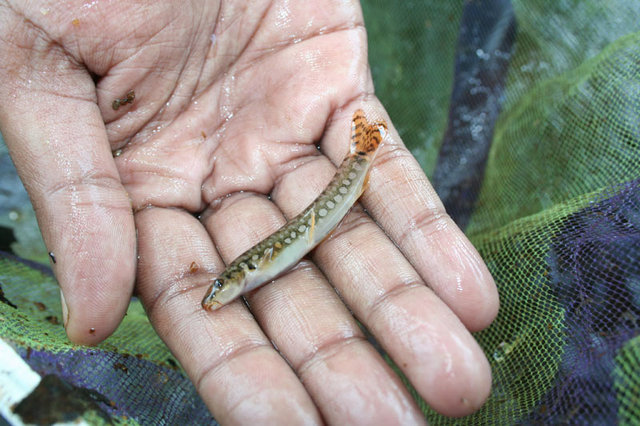
| 成体体长 | 6 cm |
| 饲养难度 | 中等 |
| 最小水体 | 54 L |
| 最小缸长 | 60 cm |
| 群居方式 | 群游 |
| 性情 | 温和 |
| 水流偏好 | 高 |
| 外部数据 | seriouslyfish mesonoemacheilus-herrei;fishbase 55555 |
水质参数
| 参数 | 耐受范围 | 最适范围 | 单位 |
|---|---|---|---|
| 水温 | 18–25.5 | — | °C |
| pH | 6–7.5 | — | — |
| 总硬度 | 2–12 | — | dGH |
概述
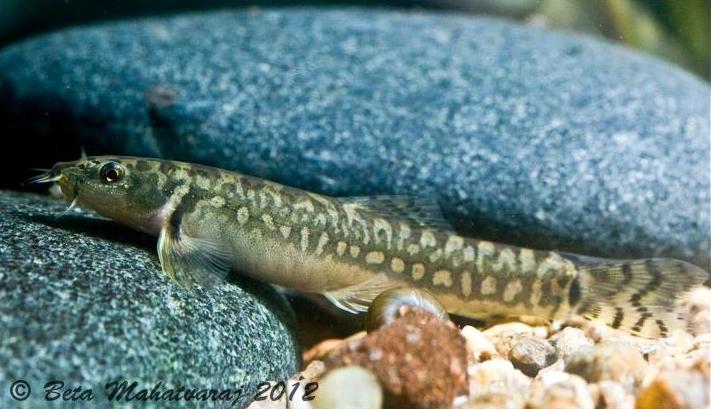
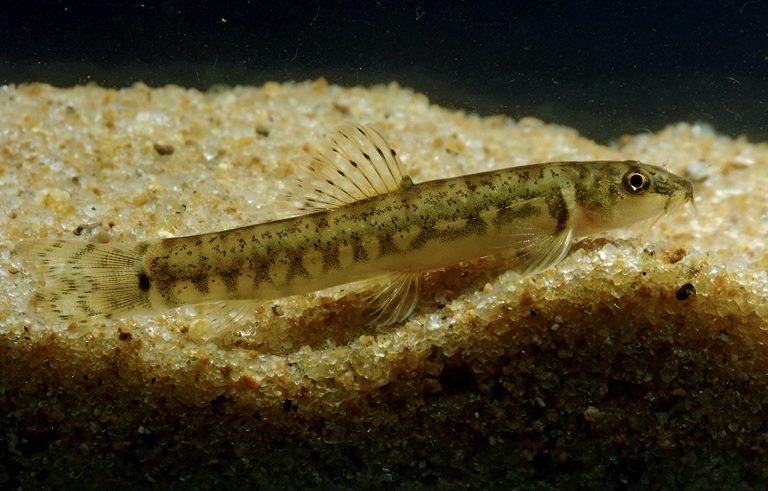
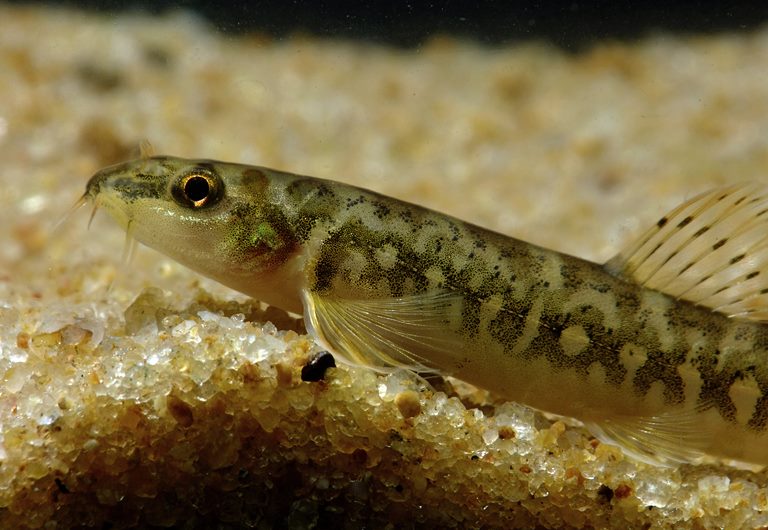
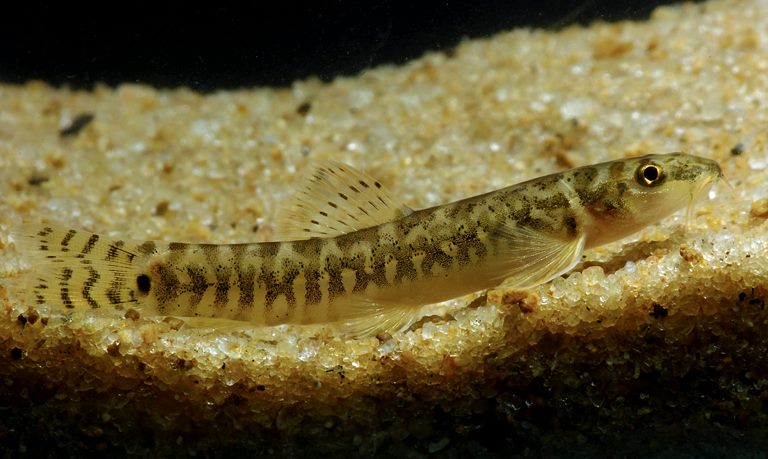
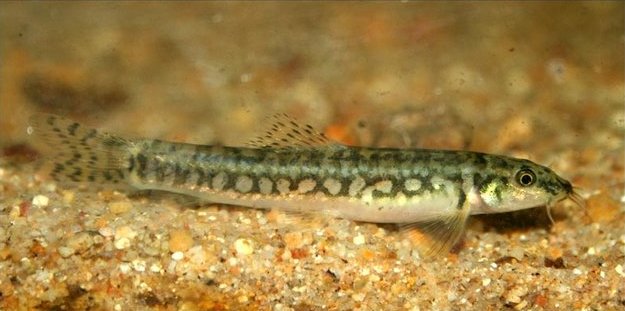
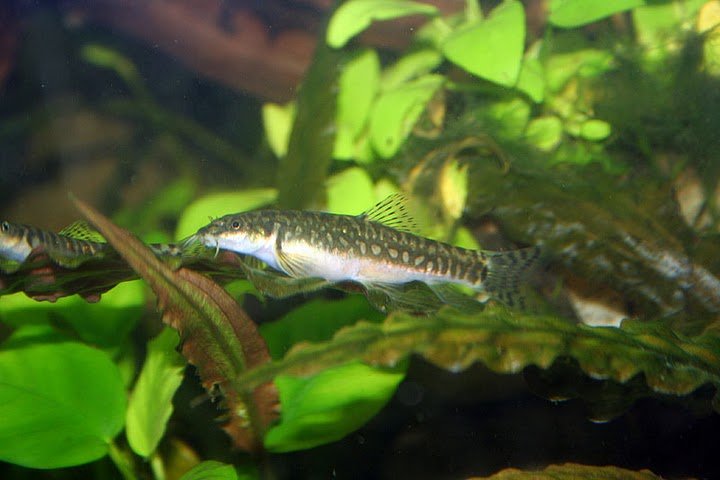
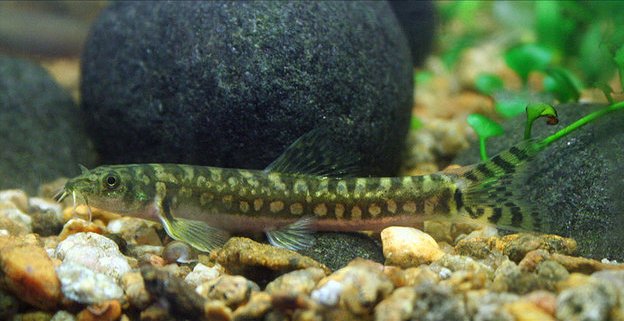
赫氏中间真条鳅(Mesonoemacheilus herrei)是来自印度山溪的隐蔽型小鳅,身上浅黄斑带深色边缘,常呈分叉形。它与近似种容易混淆,饲养时需要富氧洁净水、丰富洞缝以及同类陪伴。
分布与栖息地
原生记录来自印度南部泰米尔纳德邦阿奈马莱山,属于西高止山脉。模式产地在瓦尔帕莱一带、海拔超过 1000 m。
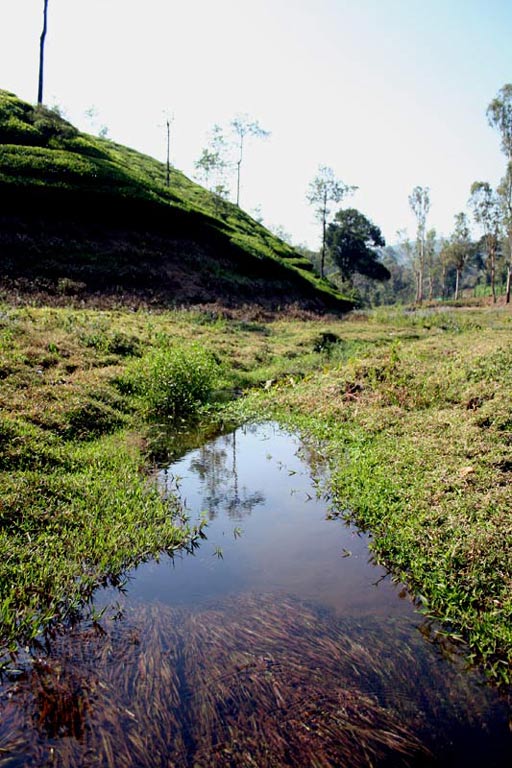
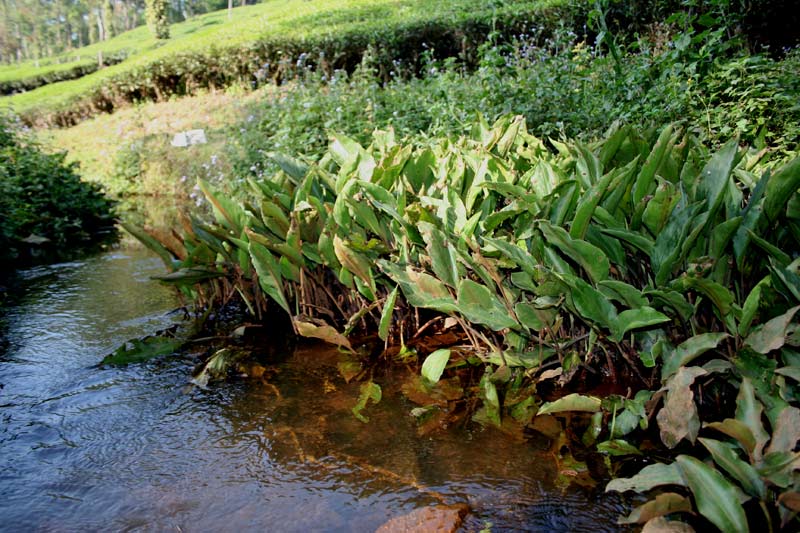
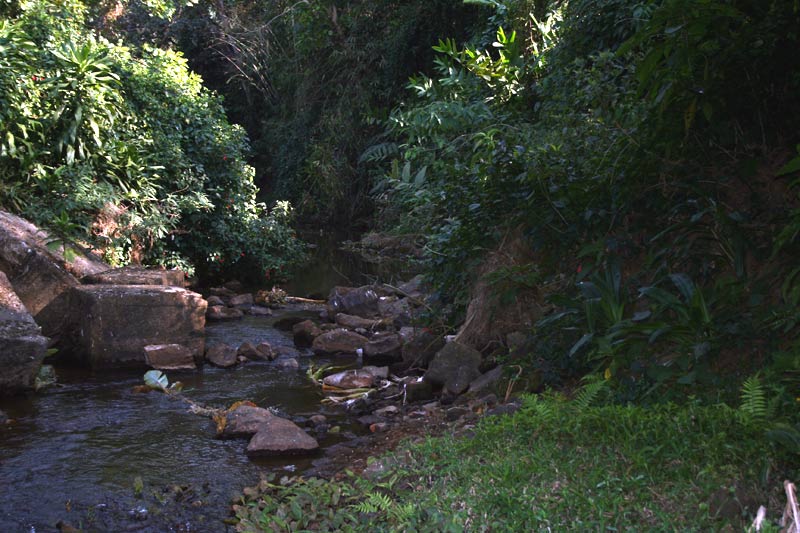
生活在清澈、溶氧高的源头溪流和小河,周围森林遮阴,底部为粗砂、砾石与大石,表面附着藻类、微生物和碎屑。多数地点水草稀少,季风期水流与浑浊度会增加。
饲养环境
底面积至少约 60 × 30 cm,用砂砾、圆石和枝木搭出多个藏身处并切断视线。耐受水流的附生植物可以固定在装饰物上。保持高溶氧和适当流动即可,不需持续猛烈冲流;每周换水约三至五成,避免有机废物累积。
食性与喂食
同属鱼为以动物性食物占主导的杂食鱼,摄取小昆虫、蠕虫、甲壳类及其他浮游动物,也吃少量植物。本种可接受适口干粮,日常还应供应水蚤、丰年虾、红虫等小型活饵或冷冻饵。
习性与混养
天性较隐蔽,适应相同环境的温和开阔水域鱼可起陪游作用,让它更愿意露面。同类之间相对平和,建议至少四条。
可谨慎考虑强健的喜流鱼,避免娇弱鱼、过于安静的底栖鱼,以及体形太相近的其他条鳅;后者只有空间很充足时才可能相容。
雌雄区分
成熟雄鱼眼下皮瓣明显,胸鳍条增粗并带成排小结节。雌鱼可能略大,抱卵时腹部更圆。
补充说明
本种斑纹常呈 Y 形或 V 形,尾柄较短并有暗斑,臀鳍可延至尾鳍基部。这些特征应结合观察,避免与圆斑近似种混淆。是否曾正式出口供观赏尚不清楚,也可能偶尔混在其他同属鱼中。
图片
图片来自 SeriouslyFish,版权归各摄影者所有。
English
Overview
Mesonoemacheilus herrei is a secretive hillstream loach from southern India. Pale yellow, dark-edged markings often branch into forked shapes. Correct identification matters because similar species can be confused; clean, oxygenated water, crevices, and companions of its own kind are priorities.
Distribution & habitat
Known records come from the Anaimalai Hills of the Western Ghats in Tamil Nadu. The type locality near Valparai lies above 1,000 m elevation.
It inhabits clear, well-oxygenated headwaters and small rivers shaded by forest. Coarse sand, gravel, and boulders support algae, microorganisms, and detritus. Aquatic plants are generally sparse, and monsoon rain increases current and turbidity.
Aquarium setup
Allow a footprint of about 60 × 30 cm or more. Sand, gravel, rounded stones, and wood should form numerous retreats and break sight lines. Hardy attached plants can be used. High oxygen levels and some circulation are sufficient; a constant torrent is unnecessary. Change around 30–50 percent weekly and prevent organic waste buildup.
Diet & feeding
The genus is omnivorous, with small insects, worms, crustaceans, and other zooplankton forming most of the diet and plant matter a smaller part. This loach accepts suitable dry food, supplemented daily with small live or frozen items such as water fleas, brine shrimp, and bloodworms.
Behaviour & compatibility
Open-water fishes with compatible environmental needs can act as reassuring companions for this naturally retiring loach. It is relatively peaceful toward its own species, and groups of at least four are recommended.
Robust current-loving fishes may work, but avoid delicate species, very sedate bottom dwellers, and similarly shaped loaches. Mixing the latter is more plausible only in spacious aquariums.
Sexual dimorphism
Mature males have a conspicuous flap below the eye and thickened pectoral rays with rows of tubercles. Females may be slightly larger, with rounder abdomens when carrying eggs.
Notes
Useful identification features include Y- or V-shaped spots, a short caudal peduncle bearing a dark blotch, and an anal fin reaching the tail base. Its history in international aquarium trade is uncertain, though occasional specimens may occur in mixed shipments.
来源
- https://www.seriouslyfish.com/species/mesonoemacheilus-herrei(抓取于 2026-10-10)
mesonoemacheilus-herrei · 文件: data/species/mesonoemacheilus-herrei.md · 状态: 草稿