粗中丽鱼
概要
| 字段 | 值 |
|---|---|
| 类别 | 鱼 |
| 学名 | Mesonauta insignis |
| 别名 | 粗中麗魚 |
| 分类 | 慈鲷目 Cichliformes › 慈鲷科 Cichlidae › Mesonauta |
| 水体 | 淡水 |
| 成体体长 | 10 cm |
| 饲养难度 | 中等 |
| 最小水体 | 137 L |
| 最小缸长 | 120 cm |
| 外部数据 | seriouslyfish mesonauta-insignis;fishbase 13272 |
| 原产地 | 巴西、委内瑞拉的奥里诺科河及内格罗河流域 |
| 食性 | 杂食 |
| 性情 | 温和 |
| 繁殖方式 | 附着产卵 |
水质参数
| 参数 | 耐受范围 | 最适范围 | 单位 |
|---|---|---|---|
| 水温 | 26–30 | — | °C |
| 总硬度 | 0–20 | — | dGH |
概述
粗中丽鱼(Mesonauta insignis)是性情较温和的南美慈鲷,喜欢植被丰富的环境,繁殖时则更积极防卫。它与另一种旗帜慈鲷很相似,常在贸易名称中混淆,外观近似不等于所有记录都可互相套用。
分布与栖息地
分布于巴西及委内瑞拉的奥里诺科河、内格罗河流域,栖息于水草或其他植被丰富的河流环境。
饲养环境
以密植水草为主体,加入沉木和枝条提供遮蔽,铺设砂底,保持适度水流和柔和照明。繁殖时将环境保持安静,比频繁靠近观察更有利于亲鱼正常护幼。
食性与喂食
自然为杂食,通常能吃慈鲷颗粒等干饲料。配合红虫、丰年虾以及其他活饵或冷冻饵料,再补充藻片、螺旋藻配方或焯软蔬菜,食谱不宜单一。
习性与混养
可与温和、体型及环境需求相称的慈鲷和其他群游鱼共养,小型鲶类也可作为考虑对象。鱼对产卵与育幼时攻击性会提高,要预留空间并留意伙伴受到的压力。
雌雄区分
雄鱼较大,背鳍和臀鳍延长。
繁殖
选择平石等表面产卵,亲鱼准备场地后由雌鱼产卵、雄鱼受精,一窝可能超过二百粒。两条亲鱼共同守护,约两三天孵化,再把幼鱼送至坑中,约三四天后自由游动。受惊时亲鱼可能吞食后代,应减少繁殖缸的干扰。鱼苗先喂丰年虾无节幼体及细粉状鱼苗粮,再逐步改用更大的食物。
补充说明
本种和花边中丽鱼(Mesonauta festivus)可能同时以旗帜慈鲷出售,实际身份与采集、出口地点有关。购买和繁殖时最好保留来源记录,避免把商品名当作鉴定结果。
图片
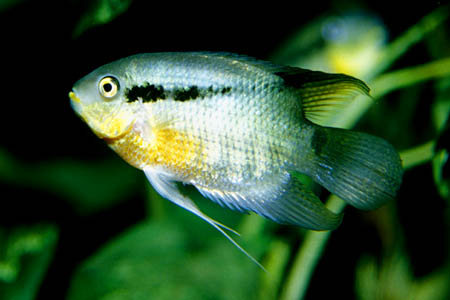
图片来自 SeriouslyFish,版权归各摄影者所有。
English
Overview
Mesonauta insignis is a generally peaceful South American cichlid for a well-planted aquarium. Breeding increases its defensive behavior. Its resemblance to another flag cichlid has caused persistent trade-name confusion.
Distribution & habitat
It occurs in the Orinoco and Negro drainages of Brazil and Venezuela, using densely vegetated rivers.
Aquarium setup
Plant generously around wood and branches over sand, with moderate water movement and subdued lighting. For breeding, maintain a quiet setting rather than repeatedly disturbing the parents to inspect them.
Diet & feeding
The species is naturally omnivorous and normally accepts dried foods such as cichlid pellets. Add bloodworms, Artemia, and other live or frozen items, plus algae wafers, spirulina-containing food, or softened greens.
Behaviour & compatibility
Peaceful cichlids and other appropriately sized community fishes with matching needs are potential partners. Small catfishes can also be considered. Spawning pairs defend their brood more strongly, so allow space and monitor pressure on companions.
Sexual dimorphism
Males become larger and develop longer dorsal and anal extensions.
Breeding
A prepared flat stone or similar surface receives the eggs, sometimes numbering more than two hundred. Both adults guard them. After two to three days the eggs hatch and the young are carried to a pit, becoming free-swimming another three or four days later. Frightened parents may consume the brood, making a low-disturbance setting useful. Fry initially take Artemia nauplii and powdered foods before moving to larger particles.
Notes
Both this species and Mesonauta festivus may be sold as flag cichlids, depending on collection and export origin. Retain provenance and avoid treating a commercial name as a confirmed identification.
来源
- https://www.seriouslyfish.com/species/mesonauta-insignis(抓取于 2026-10-10)
mesonauta-insignis · 文件: data/species/mesonauta-insignis.md · 状态: 草稿