美鳞大陶乐鲶 · Giant Raphael Catfish
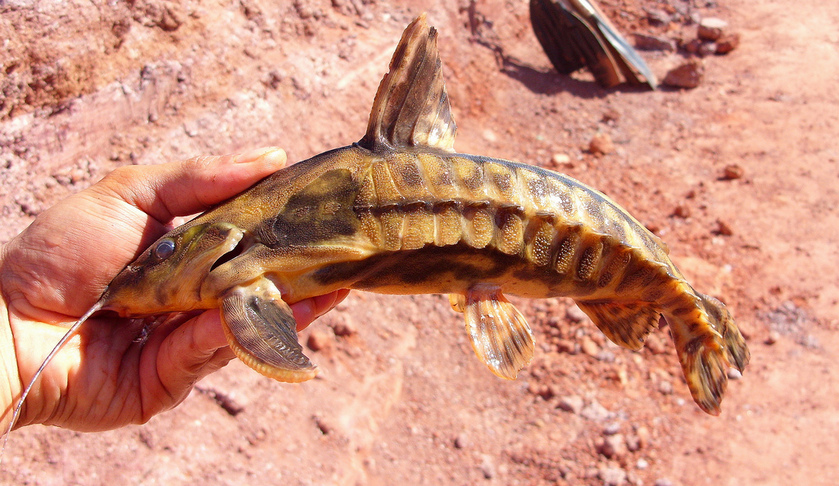
概要
| 字段 | 值 |
|---|---|
| 类别 | 鱼 |
| 学名 | Megalodoras uranoscopus |
| 别名 | 欧氏大陶乐鲶、赫氏拟陶乐鲶、美鱗大陶樂鯰、歐氏大陶樂鯰、赫氏擬陶樂鯰 |
| 分类 | 鲶形目 Siluriformes › 棘甲鲶科 Doradidae › Megalodoras |
| 水体 | 淡水 |
| 原产地 | 玻利维亚、巴西、哥伦比亚、厄瓜多尔、秘鲁 |
| 成体体长 | 70 cm |
| 饲养难度 | 中等 |
| 最小水体 | 3456 L |
| 最小缸长 | 240 cm |
| 群居方式 | 群游 |
| 性情 | 温和 |
| 外部数据 | seriouslyfish megalodoras-uranoscopus;fishbase 25732 |
| 食性 | 杂食 |
水质参数
| 参数 | 耐受范围 | 最适范围 | 单位 |
|---|---|---|---|
| 水温 | 21.1–25 | — | °C |
| 总硬度 | 1–20 | — | dGH |
概述
美鳞大陶乐鲶(Megalodoras uranoscopus)是可长至约 70 cm 的大型群居甲鲶,性情温和但空间、食量与过滤要求很高,通常只适合公共水族馆及极少数具备大型设施的私人饲养者。
分布与栖息地
记录涉及埃塞奎博河、托坎廷斯河及亚马孙水系,包括厄瓜多尔、哥伦比亚、秘鲁、巴西、玻利维亚和圭亚那。模式产地为巴西马瑙斯附近的湖泊。
据报道利用缓流或静水的支流、小溪与沼泽,在根系和植被中躲藏;也可能随季节进入主河道及暂时淹水地带,后者仍需保留推测性质。
饲养环境
至少考虑 240 × 120 cm 的底面积,而且这只是大型设施的起点。可用沙底和大块沉木,也可采用便于管理的简洁布局。不要把精细草缸作为目标,照明不宜过强,成年鱼需要巨大且可靠的过滤系统。
食性与喂食
野外为杂食性,主要摄食水生腹足类及岸边植物落果。缸内可用优质下沉饲料搭配水果、蔬菜、软体动物及偶尔的活蚯蚓。随着生长,食量会显著增加;安定后可能在开饭时上浮,但不代表平时以水面为主要活动区。
习性与混养
本种很温和,在足够大的设施中可以与体形、性情及水质需求相容的其他大型鱼共同饲养。同种群体表现更好,理想情况下至少四尾,因此应按群体成鱼的规模规划。
雌雄区分
成年雌鱼看起来更大、更厚实,生殖突的结构也与雄鱼不同。
繁殖
有大范围的季节性迁移,似乎与繁殖周期有关;尚无可直接用于普通饲养环境的人工繁殖方法。
补充说明
旧资料常使用异名 Megalodoras irwini。甲鲶的硬棘及体侧骨板容易挂网和刺伤皮肤,移动大型个体时尤其要注意这些结构。
图片
图片来自 SeriouslyFish,版权归各摄影者所有。
English
Overview
Megalodoras uranoscopus is a peaceful, social thorny catfish capable of reaching about 70 cm. Space, food consumption, and filtration demands place it mainly within the scope of public aquariums and a very small number of private keepers with exceptional facilities.
Distribution & habitat
Records span the Essequibo, Tocantins, and Amazon systems in Ecuador, Colombia, Peru, Brazil, Bolivia, and Guyana. The type locality is a lake near Manaus in Brazil.
Reports describe slow or standing tributaries, creeks, and swamps with root or plant cover. Seasonal use of main channels and temporarily flooded land is also suspected, rather than firmly established for every setting.
Aquarium setup
Consider at least a 240 × 120 cm footprint as a starting point for a suitably large system. Sand and substantial wood, or a simpler easily maintained arrangement, are practical choices. An intricate planted aquascape is unrealistic. Avoid intense light and provide an exceptionally large, dependable filtration system for adults.
Diet & feeding
A natural omnivore, it chiefly consumes aquatic gastropods and fallen terrestrial fruits. Offer varied sinking prepared foods, fruit, vegetables, mollusks, and occasional live earthworms. Food requirements become considerable with growth. Settled fish may rise at meal times, which does not establish a normal surface-dwelling habit.
Behaviour & compatibility
Its placid nature allows suitable large companions when accommodation is adequate and requirements match. Conspecific groups perform best; ideally keep at least four, planning for the entire adult group rather than a single small juvenile.
Sexual dimorphism
Adult females appear larger and more heavily built. Genital papilla structure also differs between the sexes.
Breeding
Extensive seasonal movements appear connected with reproduction. A practical captive breeding method is not established.
Notes
Older accounts commonly use the synonym Megalodoras irwini. Strong fin spines and lateral plates can entangle netting and puncture skin, especially relevant when moving a large specimen.
来源
- https://www.seriouslyfish.com/species/megalodoras-uranoscopus(抓取于 2026-10-10)
megalodoras-uranoscopus · 文件: data/species/megalodoras-uranoscopus.md · 状态: 草稿